Medical Wigs for Alopecia: Areata to Universalis
More than six million Americans manage the sudden patches or total hair loss caused by alopecia. This condition often brings a search for solutions that offer both comfort and confidence.
Medical wigs for alopecia are unique cranial prostheses made to meet the scalp needs of patients with autoimmune hair loss. Whether a patient has alopecia areata, totalis, or universalis, the choice of a medical wig depends on the amount of hair loss and scalp health. For patchy loss, a medical wig must blend with remaining hair and provide a secure fit without hurting delicate follicles. Patients with total scalp loss, known as alopecia totalis, need a light, breathable cap for full coverage and a natural look. According to the National Institute of Arthritis and Musculoskeletal and Skin Diseases, alopecia areata happens when the immune system attacks hair follicles. Checking these specific patterns during a consultation ensures comfort and dignity.
Book your free 15-minute call with NYC Medical Wigs to find the medical wig for alopecia that matches your specific hair loss pattern. Our cranial prosthesis specialist will guide you through every option.
Every hair loss journey is personal and needs a solution that fits your scalp. To find the right fit, you must first learn how different forms of the disease affect the hair and skin. Reading a guide on medical wigs for alopecia and understanding alopecia areata, totalis, and universalis helps you make an informed choice. The path begins with a compassionate conversation about your needs.
Understanding Alopecia Areata, Totalis, and Universalis
Alopecia is an autoimmune disorder where the immune system attacks hair follicles. The severity determines which type of medical wig for alopecia will work best: areata causes patchy loss, totalis removes all scalp hair, and universalis affects the entire body. Each form requires a different approach to cap construction, fit, and coverage.
Alopecia is a health issue that causes hair to fall out. It happens when the body's own immune system attacks the hair follicles. This is known as an autoimmune disease. Many things play a role in why this starts, such as your genes. In the United States, about 6.8 million people face this issue at some point in their lives.
What is alopecia areata?
The most common form is alopecia areata. It often starts with small, round patches of hair loss on the head. These patches can show up fast and without warning. For some, the hair may grow back on its own. But for others, the loss can last a long time or spread to new areas.
When hair loss is patchy, the goal is often to fill in those empty spots. Some people use small hair pieces that clip into their natural hair. But if the patches move or get bigger, a full cap may be a better fit. This type of hair loss is unique for each person, so the plan must stay open for change.
Alopecia totalis and universalis
Some types of this disease are more severe. Alopecia totalis means a person loses all or nearly all of the hair on their scalp. This can be a big change in how someone looks. A full cranial prosthesis is usually the best way to handle total scalp loss. These wigs stay in place and look very real.
In rare cases, the hair loss affects the whole body. This is called alopecia universalis. People with this type lose hair on their head, face, and limbs. This often includes losing eyebrows and eyelashes. Since there is no hair left to hold a wig, the fit of the cap is the single most important factor for comfort.
Both of these types need a wig that can sit on a bare scalp. The materials must be soft so they do not itch or hurt. Modern medical wigs use high-quality liners that feel good against the skin. They are made for long hours of wear and all the things you do each day.
| Alopecia Type | Hair Loss Pattern | Recommended Wig Type | Key Features Needed |
|---|---|---|---|
| Alopecia areata | Patchy, round spots on scalp | Partial unit or full cap | Blends with natural hair, adjustable fit |
| Alopecia totalis | Complete scalp hair loss | Full cranial prosthesis | Secure fit on bare scalp, breathable cap |
| Alopecia universalis | Total body hair loss | Full cranial prosthesis + optional brow/lash | Ultra-lightweight, silicone grip, soft lining |
How hair loss affects wig needs
The type of alopecia you have will guide your choice of a wig. If you have patchy loss, you might want a piece that blends with your own hair. If you have total loss, you will need a full cap. High-quality medical wigs for alopecia are built to solve these exact problems.
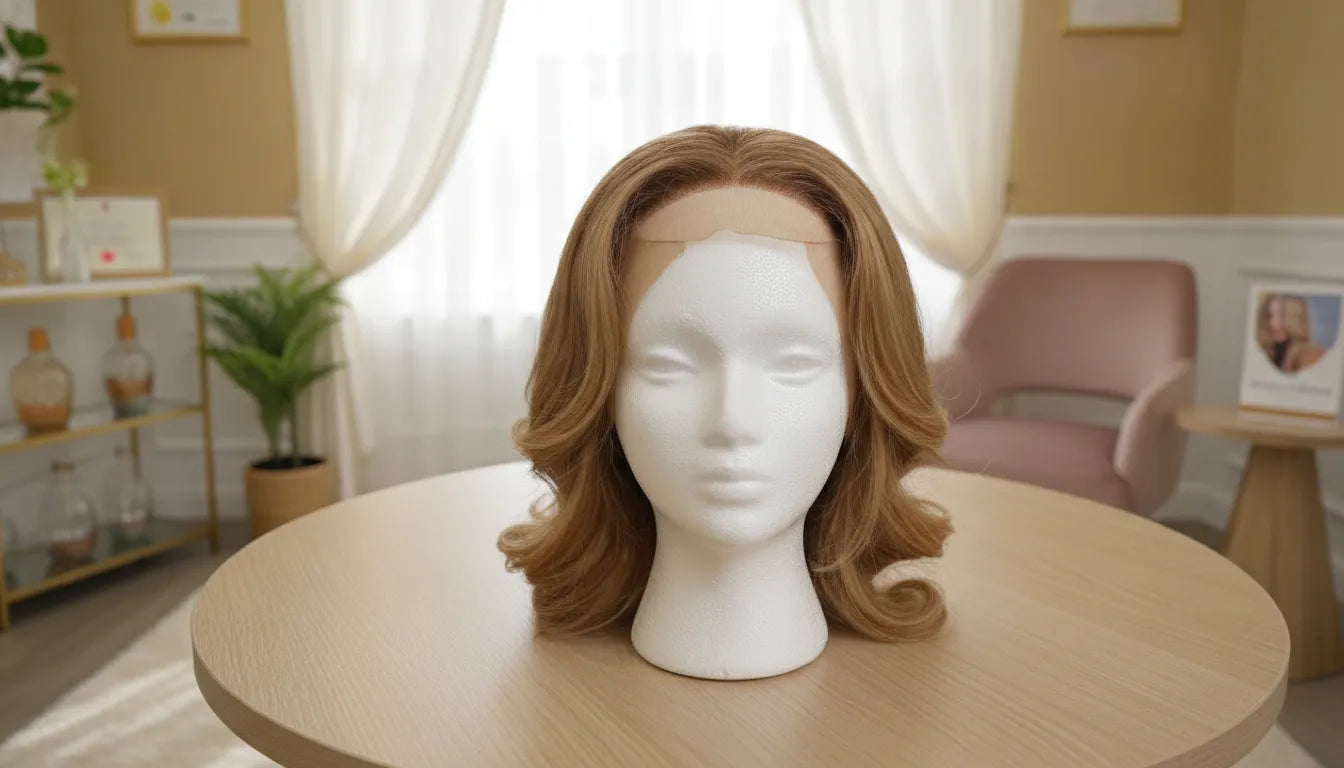
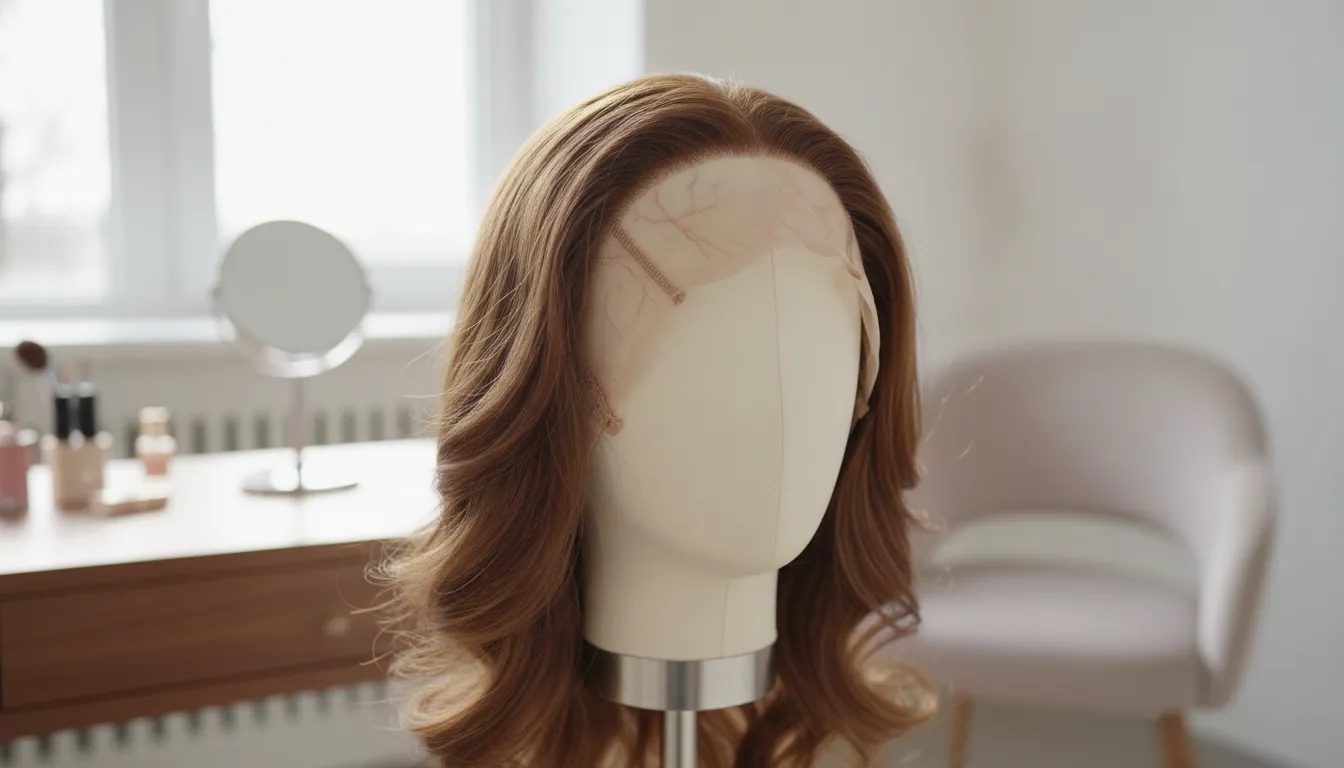
Full medical wigs often use a lace front or a monofilament top. These parts make it look like the hair is growing from your scalp. This is a key part of a real look when you have no hair of your own. These wigs also have special tabs that keep the piece from sliding off during the day.
It is best to talk to an expert to find the right fit for your needs. They can help you pick the right style and size for your head. They can also help you see if your insurance will help pay for the cost. Many plans see a cranial prosthesis as a medical need for those with alopecia.
Why a Medical Wig Is the Right Choice for Alopecia Hair Loss
A medical wig, or cranial prosthesis, is built differently from a fashion wig. It uses medical-grade materials designed for sensitive scalps, hand-tied cap construction for natural movement, and specialized features like lace fronts and monofilament tops that create the illusion of natural hair growth. These differences make medical wigs the superior choice for alopecia-related hair loss.
Choosing the right hair solution is a vital step for those living with hair loss. A medical wig, also known as a cranial prosthesis, is more than just a beauty tool. These devices help people with severe alopecia find comfort and confidence. Unlike a standard wig, a medical wig is built to meet the unique needs of a sensitive scalp. Expert care ensures each piece fits well and looks natural.
The difference between medical and fashion wigs
A cranial prosthesis differs from a fashion wig in several key ways:
- Fashion wigs use mass-produced caps that can irritate a sensitive scalp.
- Medical wigs are hand-tied with breathable, hypoallergenic materials for all-day comfort.
- Fashion wigs are designed for short-term or occasional wear.
- Medical wigs are built as durable medical devices for daily use.
- Fashion wigs rarely qualify for insurance reimbursement; cranial prostheses often do under medical necessity codes.
Research shows that cranial prostheses provide vital support for patients with severe alopecia areata. The build of these wigs focuses on the user's health. They let the scalp breathe and lower the risk of skin pain.
Advanced cap construction for realism
The way a wig cap is built affects how it looks and feels. There are three main types of caps used in luxury medical wigs:
- Lace-front cap: Creates a natural hairline that looks like real hair growth. Lets you style hair away from your face.
- Monofilament top: Shows a realistic scalp through the hair. Ideal for a natural part in any direction.
- Hand-tied cap: Each hair is tied to the cap by hand, allowing natural movement. Softest option for bare scalps.
These cap styles help users feel confident while they protect their skin. Explore our wig for alopecia guide to learn more about cap construction choices.
Comfort and scalp sensitivity benefits
For many with alopecia, the scalp can be very sensitive. Standard wigs often use itchy fabrics that can cause pain or rashes. Medical wigs use soft, breathable linings to stop these issues. Proper cap build is key to keeping the scalp cool and dry all day. This is a top goal during a private fitting with a specialist.
A custom fit also ensures the wig stays in place without the need for harsh glues. This protects the skin and any new hair growth. Working with a specialist helps you find the right size and style for your needs. They can guide you through the best choices for your type of hair loss.
How Does a Consultation Differ for Alopecia Areata?
For alopecia areata, a consultation focuses on blending a medical wig with any existing natural hair. The specialist assesses patch patterns, matches hair texture and color, and recommends either a partial unit or full cap depending on the extent and progression of hair loss. The goal is a seamless, natural look that adapts as the condition changes.
Alopecia areata often causes hair to fall out in small, round patches. This hair loss happens because the body attacks its own hair roots. Since this type of hair loss is often patchy, it makes special needs for a medical wig for alopecia. You may still have some of your own hair, so a new unit must blend well. A cranial prosthesis specialist can help you find a match that looks and feels natural.
Blending with natural hair
When you have patchy hair loss, you have two main paths. You can choose a small unit to cover just the bare spots. Or, you can pick a full cranial prosthesis for an even look. If you keep some of your hair, the unit must match your hair color and texture just right. This ensures that no one can tell where your hair ends and the unit begins. Human hair units are best for this because they move like real hair.
A specialist will also look at your hair thickness. If the unit is too thick, it may not look real next to your natural hair. If it is too thin, it might not offer enough cover. Finding the right balance is a key part of a private consultation. The goal is a look that fits your face and your own style.
Choosing a natural hairline
The front of the unit is where most people look first. For a real look, many choose lace-front styles. These units have a thin lace edge that sits flat against your skin. This makes the hairline look smooth. You can even pull your hair back or style it away from your face. Monofilament tops also add to this natural look by showing the scalp through the hair. These features are standard for medical-grade units.
Medical units use soft fabrics that do not itch or pull on the scalp. This is vital for those with sore skin due to alopecia. A medical wig buying guide can help you learn more about these cap styles.
Custom fitting and skin tone match
An expert fitting is more than just quick sizing. A specialist takes detailed measurements of your head to ensure a secure fit. This prevents the unit from moving as you go about your day. They also look at your skin tone to find a base color that matches. If the base is too dark or too light, the unit will not look natural.
According to the National Institutes of Health, alopecia areata occurs when the immune system attacks hair follicles. Because the course of the disease can change, your fitting needs may change too. A specialist can adjust your unit over time to keep it comfortable.
Finding the Right Cranial Prosthesis for Alopecia Totalis
With alopecia totalis, the entire scalp is bare, so a medical wig must provide full coverage and stay secure on a smooth surface without clips. A monofilament top or hand-tied cap with silicone grip strips offers the most natural scalp appearance and the most reliable hold. A cranial prosthesis specialist ensures the fit is precise and the hair density matches your facial features.
For those with alopecia totalis, hair loss affects the entire scalp. This means your cranial prosthesis must provide full coverage while staying secure on a smooth surface. Unlike partial hair loss, you cannot use clips to hold a wig in place. Finding the right fit starts with choosing the best cap for your needs.
Realistic scalp appearance
When you have no natural hair, the top of the wig is very visible. A monofilament top is often the best choice for a natural look. In this style, each hair is tied by hand to a thin mesh fabric. This allows your skin to show through, which looks like a real scalp. It also lets you part the hair in any direction.
For a natural hairline, many patients choose lace-front styles. These medical wigs for alopecia use a sheer lace along the front edge. The lace blends with your skin to create a soft frame for your face.
Comfort and secure fit
Comfort is a top goal when the wig sits directly against the skin. A 100% hand-tied cap is often the softest option. These caps stretch to fit the shape of your head. Because each hair is tied by hand, the wig has natural movement. This build is also light and lets your skin breathe.
Security is also key for those with total hair loss. You need a wig that stays in place during the day. Some caps use silicone strips to grip the skin without pain. A specialist can show you how to use these tools for a firm hold.
The value of a specialist
Working with a professional ensures your wig fits your life and head shape. A specialist can take measurements to find your true size. They also help you choose between human hair and other options. This expert care helps you find a solution that feels like a natural part of you.
A cranial prosthesis is a medical need, so it is not like a fashion wig. Many health plans may cover the cost if it is needed for your health. You can learn more about how medical wigs help patients with severe hair loss from clinical studies. A private meeting is the best way to see your options and check your coverage.
Specialized Medical Wig Solutions for Alopecia Universalis
Alopecia universalis involves total body hair loss, including eyebrows and eyelashes. Medical wigs for this condition must be ultra-lightweight and use the softest cap materials because the entire scalp is exposed. Silicone-based grip systems replace adhesives to prevent skin reactions. Some patients also explore brow and lash prostheses for a complete look.
Alopecia universalis is a rare form of hair loss. It causes a complete loss of hair on the scalp and body. This includes hair on the face, such as eyebrows and eyelashes, as noted by the National Institute of Arthritis and Musculoskeletal and Skin Diseases. For people with this condition, a cranial prosthesis is more than a style choice. It is a vital tool for comfort and self-confidence.
Lightweight caps for scalp sensitivity
When you have no hair on your scalp, the skin can be very sensitive. Standard wigs often have rough caps that can itch or rub against the skin. A medical wig uses soft materials like silicone or silk to prevent this. These materials grip the scalp gently. They do not need harsh glues or tapes that might cause a skin reaction.
The weight of the wig also matters for long-term wear. High-quality medical wigs for alopecia use extra lightweight designs to reduce heat and pressure. Breathable caps allow air to reach the skin. This helps keep the scalp cool and dry throughout the day.
Full coverage and custom fit
A custom fit is needed to keep the wig in place on a bare scalp. Without any natural hair to pin to, the cap must match the exact size and shape of your head. During a private consultation, a specialist takes exact measures to create a secure fit. This ensures the unit will not slip or shift during your daily tasks.
Medical wigs for alopecia also offer full coverage from the hairline to the neck. Specialists can change the hair density to look natural for your face. While some patients also look for brow and lash options, a well-made wig is the first step in getting a familiar look. Each piece is hand-tied to look like how hair grows from the scalp.
The value of a specialist consultation
Choosing the right cranial prosthesis is about more than just a color. You must think about the cap base, hair type, and how the piece will touch your skin. A specialist can help you make these choices to find a solution that fits your life. They also help you learn how to care for the piece so it lasts as long as possible.
Working with an expert also helps with the small details of the fit. They can adjust the ear tabs and lace to make sure the edge of the wig is hard to see. This level of detail is what makes a medical wig look like your own hair.
Does Insurance Cover Medical Wigs for Alopecia?
Many major health plans cover cranial prostheses as durable medical equipment when a physician provides a diagnosis of alopecia and a prescription using the term cranial prosthesis with HCPCS code A9282. Plans including Medicare, Medicaid, Blue Cross Blue Shield, Aetna, Cigna, and United Healthcare may offer coverage, but benefits vary by policy and medical necessity criteria.
Many people who live with hair loss from alopecia wonder if they can get help with the cost of a wig. Alopecia areata is an autoimmune disease. It happens when your immune system attacks your hair follicles. This can cause hair to fall out in patches or all over the scalp. For many patients, a medical wig is more than just a style choice. It is a needed medical device called a cranial prosthesis.
Proving medical need for alopecia
To get coverage, your insurance company must see the wig as a medical need. This means a doctor must agree that the device is part of your care. Most plans look for a formal diagnosis. You should ask your doctor for a prescription that uses the term cranial prosthesis. Using this exact phrase is vital. It tells the insurance company that you need a medical grade item, not a fashion wig.
Doctors often use a specific billing code for these claims. The HCPCS code for a hair prosthesis is A9282. This code helps the insurance company process your request the right way. You may also need to show that your hair loss is due to a medical condition. This is why a diagnosis of alopecia from a specialist is so helpful.
Insurance plans and ways to pay
Many major health plans offer some level of coverage for a cranial prosthesis. Common plans include:
- Blue Cross Blue Shield (BCBS)
- Aetna
- Cigna
- United Healthcare
- Medicare and Medicaid
Every policy is not the same. Some plans cover the full cost, while others may only pay for a part of it. You must check your specific plan to see what is covered. Some policies have a maximum amount they will pay per year. Others may only cover a medical wig if you have a certain type of plan. It is a good idea to call your health plan and ask about durable medical equipment benefits. This is often where wig coverage is listed in your policy papers. We always suggest checking your benefits before you buy.
How NYC Medical Wigs makes the process easy
Trying to work with insurance can feel hard and slow. At NYC Medical Wigs, we want to make it easier for you. We are a specialist team focused on medical hair loss. We know the right steps to take to help you get the most from your plan. Our team can help you find out if your policy covers medical wigs for alopecia.
We handle the insurance verification process for our patients. This means we talk to the insurance company for you. We check your benefits and let you know what to expect. We also work with direct billing when possible. This helps lower the cost you pay out of pocket. Our goal is to help you get a luxury, human-hair wig without the stress of insurance forms.
Why Choose a Cranial Prosthesis Specialist for Alopecia?
A cranial prosthesis specialist offers expertise that a general wig shop cannot match: medical-grade cap construction, precise fitting for sensitive scalps, insurance verification support, and ongoing adjustments as your hair loss pattern changes. Specialists like Jamiese Drax at NYC Medical Wigs combine clinical knowledge with over a decade of experience helping alopecia patients find natural-looking solutions.
Choosing the right medical wigs for alopecia is a major step in your hair loss journey. At NYC Medical Wigs, we provide more than just hair. Our founder, Jamiese Drax, is a cranial prosthesis specialist with over 15 years of experience. We focus on medical needs and patient comfort rather than fashion. Our goal is to help you find a high-quality solution that fits your life and looks natural.
A medical approach, not a retail one
Unlike a typical wig store, NYC Medical Wigs approaches every client from a medical perspective. We understand that hair loss from alopecia is not a style choice — it is a health condition that affects your daily life. Every private consultation starts with a discussion of your diagnosis, scalp sensitivity, and lifestyle needs. We do not rush you into a decision. We take the time to find the right medical wig for alopecia that meets your unique needs.
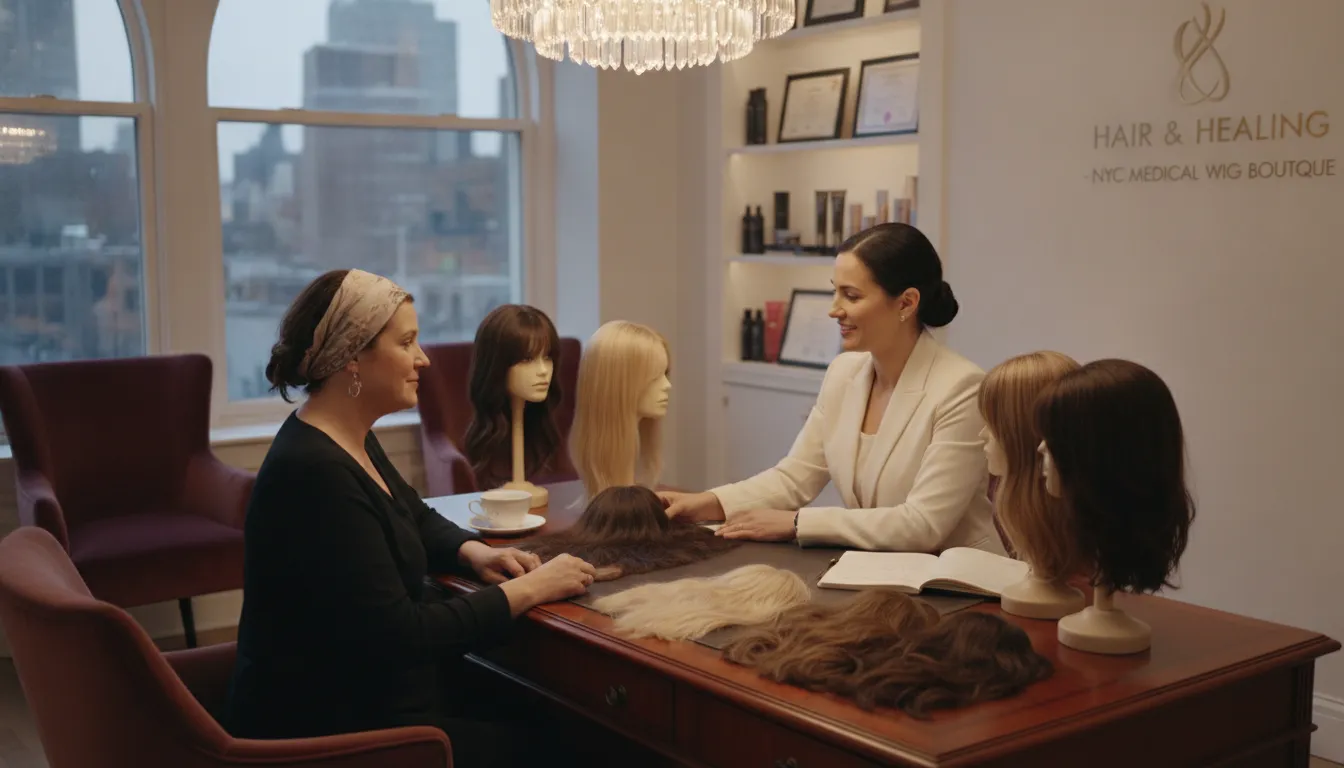
Our showroom is designed for privacy and comfort. You can explore options without feeling rushed or exposed. We also offer ongoing support after your purchase. If your needs change as your condition evolves, we can adjust your wig or recommend new options. This long-term relationship is what sets a cranial prosthesis specialist apart from a retail experience. You are not just buying a product. You are gaining a partner in your hair loss journey.
Insurance guidance and support
One of the most stressful parts of getting a medical wig is figuring out insurance. At NYC Medical Wigs, we help you through every step. Our team has deep experience working with insurance companies to get coverage for cranial prostheses. We can help you understand your benefits, submit the right paperwork, and appeal denials if needed.
We work with a wide range of insurance plans. While every policy is different, we have helped many alopecia patients get partial or full coverage for their medical wig. Our insurance verification page explains what you need to start the process. We believe that cost should not be a barrier to getting the care you deserve.
Quality and craftsmanship
Every medical wig at NYC Medical Wigs is made with the highest standards. We use only premium human hair that looks and feels natural. Our caps are hand-tied by skilled artisans who understand the unique needs of medical wig wearers. Each piece is designed to be lightweight, breathable, and comfortable for all-day wear.
We also offer a wide range of styles, lengths, and colors. Whether you want something close to your natural hair or a completely new look, we can help you find it. Our focus is on creating a medical wig that helps you feel like yourself again. Confidence is the ultimate goal of every fitting.
Frequently Asked Questions
Here are answers to the most common questions about medical wigs for alopecia areata, totalis, and universalis.
Can I wear a medical wig if my scalp is sore from alopecia?
Yes. Medical wigs are designed specifically for sensitive scalps. They use soft, breathable materials like hand-tied monofilament caps and silicone grip strips that do not press on tender areas. A cranial prosthesis specialist can also adjust the fit to avoid pressure points.
How long does a medical wig last for someone with alopecia?
With proper care, a high-quality human hair medical wig typically lasts 12 to 18 months of daily wear. Synthetic options may last 6 to 12 months. Your specialist can recommend the best material based on your lifestyle and budget.
Do I need a prescription for a medical wig?
You do not need a prescription to purchase a medical wig, but a prescription using the term cranial prosthesis with HCPCS code A9282 is typically required for insurance reimbursement. Many specialists can guide you on what to ask your doctor.
Can I swim or exercise while wearing a medical wig?
Yes. Many medical wigs are designed for active lifestyles. Human hair wigs can be worn during light exercise and even swimming with proper care. Your specialist will recommend the right cap construction and care routine for your activity level.
What is the difference between a cranial prosthesis and a regular wig?
A cranial prosthesis is a medical-grade hair replacement designed for individuals with complete or partial hair loss due to medical conditions. Unlike fashion wigs, cranial prostheses feature hand-tied caps, breathable bases, and medical-grade adhesives or grip systems. They are also often covered by health insurance when medically necessary.
Ready To Explore Medical Wigs for Alopecia?
Living with alopecia areata, totalis, or universalis does not mean giving up on the look and feel of natural hair. A medical wig for alopecia from NYC Medical Wigs can restore your confidence and comfort. Our cranial prosthesis specialist, Jamiese Drax, brings over 15 years of experience to every fitting. We take the time to understand your unique needs and find the perfect solution for your hair loss.
We invite you to book your free 15-minute call or schedule a private consultation at our NYC showroom. During your visit, you will explore a curated selection of luxury human hair medical wigs. Our team will guide you through cap construction options, color matching, and fitting. We will also help you navigate insurance verification so you understand your coverage before making a decision.
Book your free 15-minute call today. Let us help you find the medical wig for alopecia that lets you feel like yourself again.