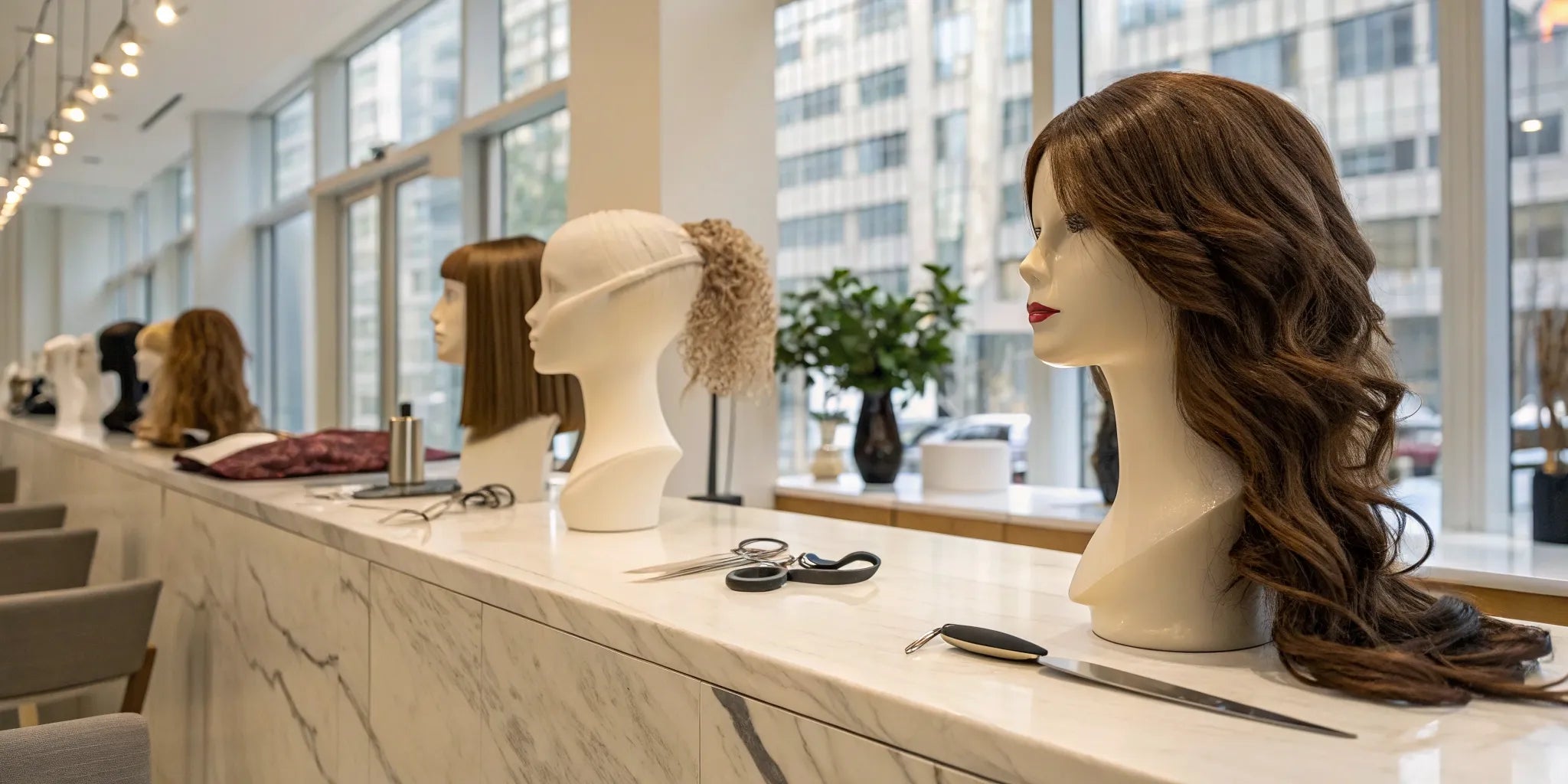
What Is a Cranial Prosthesis? A Patient Guide
When you're dealing with medical hair loss, practical questions about cost and insurance come up right away. Here’s something important to know: a medical wig is actually a “cranial prosthesis.” It’s a medical device, not just a cosmetic piece from a regular wig store. This difference is key because your health insurance might cover the cost. Working through the claims process can feel overwhelming, but you don't have to do it alone. A cranial prosthesis specialist is an expert who provides the right documents and guidance to help you get the coverage you deserve.
Key Takeaways
- Partner with a certified specialist: A cranial prosthesis specialist provides expert care tailored to medical hair loss, focusing on scalp comfort, a secure fit, and compassionate guidance throughout your journey.
- Explore your payment options: Your medical wig is a "cranial prosthesis," a medical device that often qualifies for insurance reimbursement with a doctor's prescription, and you can also use FSA or HSA funds.
- Insist on a private consultation: A quality provider will offer a private, one-on-one consultation to discuss your needs confidentially, ensuring a perfect fit and a supportive experience from the start.
Your Guide to Choosing a Medical Wig in NYC
Choosing a wig when you’re experiencing medical hair loss is a deeply personal decision. It’s not just about appearance; it’s about finding something that feels comfortable, secure, and helps you feel like yourself again. As a cranial prosthesis specialist in New York City, my goal is to guide you through this process with compassion and expertise. We’ll look at the key factors together, ensuring you find a solution that meets your unique needs, from the type of hair used to the cap construction that will rest against your scalp. This is about more than a wig; it's about restoring confidence during a challenging time.
Human Hair or Synthetic? Choosing Your Medical Wig
One of the first choices you'll make is between human hair and synthetic fiber. Human hair offers incredible realism and styling freedom. You can color, curl, or straighten it just like you would your own hair, which many women find comforting. However, it does require more maintenance to keep it looking its best. Synthetic hair, on the other hand, is known for being easy to care for. It holds its style after washing and is often a more budget-friendly option. For many with severe alopecia areata, these hair prostheses are a necessary tool that makes a significant difference in daily life, regardless of the hair type you choose.
Choosing a Style for Your Face Shape and Skin Tone
Beyond the type of hair, the style and color of your cranial prosthesis play a huge role in how you feel. The goal is to find a style that complements your unique face shape and a color that brightens your complexion, especially if your skin tone has changed due to medical treatments. You might want a color close to your natural hair, or you might see this as an opportunity for a gentle change. During a private consultation, we can explore different options together in a comfortable, supportive setting. This process is about more than just finding a medical wig; it’s about finding a piece that helps restore your confidence and makes you feel like yourself again.
What to Look for in a Medical Wig Cap
The foundation of your wig, or the cap, is what truly sets a medical-grade cranial prosthesis apart. It’s designed specifically for comfort, especially on a sensitive scalp. Many of our medical wigs feature hand-tied monofilament tops, which create the illusion of natural hair growth and allow you to part the hair in any direction. We also use lightweight materials and lace fronts for a seamless, undetectable hairline. This specialized construction ensures the cap is breathable and secure, so you can go about your day with confidence and forget you’re even wearing it. Your comfort is the top priority.
Understanding Cap Construction: Silk Tops and Breathability
When we talk about cap construction, we're focusing on what rests directly against your skin. For a cranial prosthesis, this is where comfort begins. A monofilament top, for example, is a feature I often recommend. It’s a transparent mesh-like material where each hair is individually hand-tied. This meticulous process creates the look of natural hair growth right from the scalp and gives you the freedom to part your hair wherever you like. Another excellent option is a silk top, which uses a layer of silk to hide the knots, offering an incredibly realistic scalp appearance. Both designs prioritize breathability, with materials that allow for good airflow to prevent irritation and keep your scalp comfortable all day. You can see examples of these thoughtful designs in our collection of cranial prostheses.
Secure Fit Features: Silicone Straps and Adhesiveless Options
A common concern I hear during consultations is, "Will it stay on?" It's a valid question, and the answer is a resounding yes. Medical wigs are engineered for a secure fit that doesn't rely on harsh glues or tapes, which can irritate a sensitive scalp. Many cranial prostheses incorporate soft, medical-grade silicone strips or tabs in strategic areas, like the nape and ear tabs. These materials gently grip the skin, creating a secure hold that moves with you. This adhesiveless design means you can put on and take off your hair prosthesis with ease, giving you confidence and peace of mind. During a private consultation, we can explore these features together to find the perfect, secure fit for your head shape and lifestyle.
Is a Cranial Prosthesis Different From a Regular Wig?
It’s important to understand that a medical wig is not the same as a standard wig you might find in any store. A medical wig, officially called a cranial prosthesis, is a medical device designed for individuals with hair loss from conditions like alopecia, chemotherapy, or other medical issues. The design prioritizes a natural look, long-term comfort, and scalp health. Unlike off-the-shelf units, cranial prostheses are crafted with higher-quality materials and construction techniques to meet specific medical requirements. This distinction is also why a cranial prosthesis is often eligible for coverage by your health insurance plan.
A Brief History: The Origins of Medical-Grade Wigs
The idea of a wig as a medical tool isn't new. In fact, doctors began prescribing what we now call cranial prostheses back in the 1950s for patients with hair loss from conditions like alopecia or as a side effect of chemotherapy. This established a long history of acknowledging their importance as a medical necessity, not just a cosmetic accessory. This historical context is what separates a medical wig from a standard one. Because they have always been considered medically necessary, they are crafted with premium, soft materials focused on scalp comfort and a realistic appearance. This distinction is also why many insurance companies now recognize wigs as a medical need and may provide coverage for your hair prosthesis.
Why Choose a Cranial Prosthesis Specialist?
When you’re dealing with medical hair loss, finding the right hair replacement solution is about more than just aesthetics; it’s about comfort, confidence, and feeling like yourself again. While many places sell wigs, a cranial prosthesis specialist offers a level of expertise and care tailored specifically to your medical needs. A specialist understands the unique challenges of hair loss from conditions like alopecia or chemotherapy. They guide you through selecting a piece that not only looks natural but also feels secure and comfortable on a sensitive scalp. This personalized approach ensures you receive a solution designed for long-term wear and emotional well-being, not just a temporary accessory.
What Is a Cranial Prosthesis?
You might hear the terms "medical wig" and "cranial prosthesis" used interchangeably, and for good reason. A cranial prosthesis is the medical term for a wig specifically designed for patients experiencing hair loss due to medical conditions. Unlike off-the-shelf wigs, these are crafted with your specific needs in mind. The base materials are soft, lightweight, and breathable to prevent irritation on a sensitive scalp. A specialist ensures the fit is precise and secure, which is crucial for daily activities and restoring confidence. As one study notes, for people with significant hair loss, these hair prostheses are "a necessary tool that greatly helps with daily life."
The Growing Need for Medical Wigs
While the need for medical wigs feels very present, the concept has been around for decades. Doctors began prescribing cranial prostheses back in the 1950s for patients dealing with hair loss from conditions like alopecia, chemotherapy, and other medical treatments. Today, these are rightly seen as essential medical tools that significantly improve a person's quality of life. The design of a cranial prosthesis prioritizes a natural appearance, scalp health, and long-term comfort, setting it apart from standard wigs. This recognition is why many insurance companies now offer coverage for them with a doctor's prescription. A specialist can help you gather the necessary documentation to submit your claim, making the process much smoother.
Is a Cranial Prosthesis Right for You?
Anyone experiencing significant hair loss from a medical condition can find relief and renewed confidence with a cranial prosthesis. This includes individuals undergoing chemotherapy, as well as those with alopecia areata, alopecia totalis, trichotillomania, or other conditions that result in hair loss. The emotional impact of hair loss is significant, and a high-quality medical wig can make a world of difference. Research shows that wearing a hair prosthesis can greatly improve mental and social well-being, including self-esteem and overall confidence. A specialist helps you find the right piece to support your journey, allowing you to face the world feeling more like yourself.
Getting Insurance Help from a Cranial Prosthesis Specialist
One of the most important roles of a cranial prosthesis specialist is helping you with the insurance reimbursement process. Many health insurance plans offer coverage for a "cranial prosthesis" when prescribed by a doctor for medical hair loss. A specialist provides you with the proper documentation needed for your claim, including a detailed invoice that uses the correct medical terminology. While we don't bill insurance directly, we give you everything you need to submit a claim for reimbursement. We can help you understand the process and work with you to get the necessary paperwork in order, making it easier to get the coverage you may be entitled to.
How to Find a Cranial Prosthesis Specialist in NYC
Finding the right support system is one of the most important steps in your hair loss journey, and that includes choosing your medical wig provider. This decision goes far beyond simply buying a product; it’s about finding a partner who understands what you’re going through and has the specialized expertise to help you feel like yourself again. In a city like New York, you have many options, but not all wig sellers are equipped to handle the specific needs that come with medical hair loss. A provider who specializes in cranial prostheses will offer a completely different level of care and product quality compared to a standard wig shop.
When you start your search, you’re looking for more than just a beautiful wig. You need a professional who can guide you with compassion and knowledge. The right provider will be a certified specialist, offer a private and thorough consultation process, and have direct experience working with clients who share your specific medical condition. Taking the time to find a provider who checks all these boxes ensures you not only receive a high-quality cranial prosthesis that is comfortable and secure, but also the emotional support and expert guidance you deserve. This choice is an investment in your comfort and confidence during a challenging time.
Why Certification Matters for Your Specialist
First and foremost, your provider should be a certified cranial prosthesis specialist. This isn't just a fancy title; it means they have specific training to serve clients with medically-induced hair loss. Unlike a fashion wig stylist, a specialist understands the nuances of a sensitive scalp, the importance of a secure fit, and how to select materials that won't cause irritation. They are trained to create or fit a hair prosthesis that looks natural and meets medical-grade standards. When you work with a cranial prosthesis specialist, you can be confident you’re receiving care from someone who is dedicated to the field of medical hair replacement and is committed to your well-being.
Your Private Consultation: What to Ask
Your comfort and privacy are paramount. A reputable medical wig provider will always offer a private, one-on-one consultation. This initial meeting is your time to openly discuss your needs, concerns, and lifestyle without feeling rushed or exposed. During the consultation, your specialist should take precise measurements, explain the different cap constructions and hair types, and help you try on various options in a comfortable setting. This personalized process ensures your final cranial prosthesis is tailored specifically for you. A dedicated private consultation is a clear sign that a provider is focused on your individual needs and is committed to creating a supportive and respectful experience from the very beginning.
Does Your Specialist Understand Your Condition?
It’s important to find a provider who has experience with your specific condition, whether it’s alopecia, hair loss from chemotherapy, or another medical reason. A specialist who regularly works with cancer patients or individuals with alopecia will have a deeper understanding of your journey. They know that a cranial prosthesis is more than just a cosmetic accessory. For many, a hair prosthesis is a necessary tool that provides a sense of normalcy and confidence in daily life. Don't hesitate to ask about their experience. Finding someone who truly gets it can make all the difference, ensuring you receive not only the right product but also the compassionate support you need.
How Much Does a Cranial Prosthesis Cost in NYC?
Understanding the cost of a medical wig, or cranial prosthesis, is a practical and important step in your journey. The price can vary quite a bit based on the materials, construction, and customization involved. It’s helpful to think of this not as a simple purchase, but as an investment in your comfort and confidence. Let's break down the factors that influence the cost so you can make an informed decision that feels right for you and your budget.
We know that this process can bring up a lot of questions, especially around cost and insurance. Our goal at NYC Medical Wigs is to provide clarity and support every step of the way. We can help you explore all your options, from the type of hair to how you can potentially use your insurance benefits to cover the expense.
How Hair Type Affects the Price
When you start looking at medical wigs, one of the first choices you’ll face is between synthetic and human hair. This decision is the biggest factor in determining the final cost. While high-quality synthetic options are available, many of our clients in NYC prefer human hair for its natural look and feel. A premium human hair cranial prosthesis is a significant investment, with prices often starting around $3,000 and going up to $6,000 or more. This price reflects the meticulous craftsmanship, the quality of the hair, and the realistic appearance that is so important when you're experiencing hair loss.
Why a Cranial Prosthesis is a Long-Term Solution
It’s completely valid to be concerned about the price. For many people with conditions like alopecia areata, these specialized wigs are officially called hair prostheses, and they are essential for daily life. Research shows that over half of patients find the high cost to be a major hurdle. We see this not as a cosmetic expense, but as a vital investment in your personal well-being and quality of life. A well-made cranial prosthesis can help you feel like yourself again. That's why we work with you to find the best solution and help you understand the insurance process.
Exploring Alternatives to Full Wigs
While a custom cranial prosthesis offers a complete and natural-looking solution, it's not the only option available to you. Your comfort and personal style are what matter most, and some days you might prefer something different. Many women find it helpful to have a few alternatives on hand, like specialized hats or turbans, for lounging at home, running quick errands, or for days when you simply want an easy, comfortable covering. Exploring these choices allows you to build a versatile wardrobe that helps you feel confident and prepared for any situation, giving you the freedom to choose what feels best for you each day.
Chemo Hats with Hair
Chemo hats with hair attached are a wonderful and practical alternative that combines the ease of a hat with the look of hair. These pieces feature hair sewn into the brim of a soft cap, beanie, or even a baseball cap, giving the illusion of a full head of hair peeking out from underneath. They are an easy, comfortable way to hide your hair loss while also protecting your sensitive scalp from the sun and keeping you warm. Many women appreciate them for their simplicity—you can just put one on and go, without any styling required. They offer a sense of normalcy and style for casual outings.
Women's Chemo Turbans
Turbans and pre-tied scarves are another excellent choice, prized for their comfort, softness, and style. Many women prefer them to a full wig on certain days because they are incredibly lightweight and easy to wear. Since you might feel colder than usual without hair, a soft turban can provide welcome warmth and coziness. They come in countless fabrics, colors, and patterns, allowing you to express your personal style. Tying a scarf can also become a simple, creative ritual. According to the Breast Cancer Organization, many people find them easier to maintain than a wig, making them a low-fuss, elegant option.
Alternative Financial Resources and Support
While we are committed to helping you navigate the insurance process for your cranial prosthesis, we also want you to be aware of other financial resources available. The cost of medical care and related necessities can add up, and several organizations are dedicated to easing that burden for patients. From non-profits that provide free hair loss solutions to community groups that share cost-saving tips, there is a network of support ready to help. Knowing where to look can make a significant difference, ensuring you have access to the resources you need without added financial stress during an already challenging time.
Nonprofit Organizations Offering Assistance
Several non-profit organizations are dedicated to helping people experiencing medical hair loss. These groups understand the emotional and financial toll it can take and work to provide support directly to patients. Many of these programs offer no-cost wigs, hats, and scarves to those who qualify, removing the financial barrier to feeling more like yourself. Researching these organizations is a great step to take, as their missions are centered on providing compassionate assistance. A simple search for "free wigs for cancer patients" or "alopecia support grants" can connect you with national and local groups that may be able to help.
Local and Online Community Groups
Never underestimate the power of community. Connecting with others who are on a similar journey can provide incredible emotional support and practical advice. Online forums and social media groups are filled with women sharing their experiences and tips, from how to care for a sensitive scalp to where to find affordable head coverings. In one online cancer support forum, members shared recommendations for inexpensive, pre-tied scarves that were comfortable and washed well. These communities can be a source of invaluable, real-world knowledge and a reminder that you are not alone in this experience.
Does Insurance Cover a Cranial Prosthesis?
One of the first questions many of our clients have is about the cost of a medical wig and whether insurance can help. The short answer is: yes, it often can. While it requires a few steps, getting your cranial prosthesis covered by insurance is a realistic goal for many people. For insurance purposes, a medical wig is referred to as a “cranial prosthesis.” Using this specific term is key when you communicate with your doctor and insurance company, as it designates the wig as a piece of medical equipment, not a cosmetic accessory.
Coverage varies widely between plans, but many private insurance providers will cover a portion, or even the full cost, of a cranial prosthesis if it’s deemed a medical necessity for hair loss caused by a medical condition. The process can feel a little intimidating, especially when you're already managing your health. That's why you don’t have to do it alone. As cranial prosthesis specialists, we guide our clients through the insurance process every day. We can help you understand what your plan requires and ensure you have the right paperwork to submit a successful claim. Think of us as your partner in this process, here to help you get the beautiful, high-quality medical wig you deserve without unnecessary financial stress.
What Documentation Will You Need?
To file a successful insurance claim, you’ll need to gather a few key documents. The most important piece of paper is a prescription from your doctor for a "cranial prosthesis." Your doctor should also provide a letter of medical necessity, which explains that your hair loss is a result of a medical condition like alopecia or a side effect of a treatment like chemotherapy. The American Cancer Society confirms that a doctor's letter is crucial for getting coverage. Finally, you will need a detailed invoice from your provider, like NYC Medical Wigs, that includes our specific tax ID number and the proper billing codes for a cranial prosthesis. We provide this for all our clients to make the process seamless.
Essential Medical Codes for Your Claim (HCPCS, Diagnosis, NPI)
When you submit your claim, you’ll notice it requires specific codes. While it might seem like a lot of jargon, these codes are simply the language insurance companies use to process requests. Getting them right is essential. Your claim paperwork will need a HCPCS code (Healthcare Common Procedure Coding System), which for a cranial prosthesis is typically A9282. This code identifies the item as a medical device. You'll also need a diagnosis code (ICD-10) from your doctor that specifies your medical condition, such as alopecia or adverse effects of chemotherapy. Finally, the invoice from your specialist must include their NPI (National Provider Identifier) number. As part of our service, we ensure your final invoice includes all the necessary information to support your insurance claim.
Which Insurance Plans Typically Offer Coverage?
While every plan is different, many PPO and POS health insurance plans offer some level of coverage for cranial prostheses. We have successfully worked with clients who have plans from major providers like Blue Cross Blue Shield, Aetna, Cigna, and United Healthcare. It is important to know that Medicare does not currently cover cranial prostheses, though some Medicare Advantage plans might offer partial coverage. The key is that the wig must be medically necessary. According to the National Alopecia Areata Foundation, some insurance companies will provide coverage if the prosthesis is prescribed for patients with medical hair loss. We always recommend calling your insurance provider directly to verify your specific benefits before your purchase.
Navigating Coverage with Major Insurers like BCBS, Aetna, and Cigna
Dealing with large insurance companies can feel like a job in itself, but when it comes to getting your cranial prosthesis covered, it's a path many have walked successfully. We have helped numerous clients in NYC secure reimbursement from major providers, including Blue Cross Blue Shield (BCBS), Aetna, Cigna, and United Healthcare. The most important thing to remember is that your claim hinges on the term "medical necessity." Your cranial prosthesis is not a cosmetic choice; it's a prescribed medical device to address hair loss from a diagnosed condition. While every policy has its own rules, we provide you with the detailed invoice and correct terminology needed to file your claim, making it easier to get the coverage you deserve.
Examples of Private Insurance Providers
While we frequently see successful claims with providers like BCBS, Aetna, and Cigna, the specific type of plan you have—such as a PPO or POS plan—often plays a bigger role in your coverage. These plans typically offer more flexibility and may cover a percentage of the cost for a cranial prosthesis. Advocacy groups like the National Alopecia Areata Foundation confirm that many insurance companies will cover a hair prosthesis when it's prescribed by a doctor. The best first step is always to call the member services number on the back of your insurance card. Ask them directly about your plan’s benefits for a "cranial prosthesis" (HCPCS code A9282) to understand exactly what your policy includes.
Can You Use Your FSA or HSA for a Cranial Prosthesis?
If your insurance plan doesn't cover the full cost of your medical wig or if you have a high deductible, you have other great options. You can use funds from your Flexible Spending Account (FSA) or Health Savings Account (HSA) to pay for your cranial prosthesis. These accounts allow you to use pre-tax dollars to pay for qualified medical expenses, and a cranial prosthesis is one of them. The IRS officially lists wigs purchased for medical reasons as a legitimate medical expense. This is an excellent way to make your medical wig more affordable, and we can provide you with the necessary documentation for your FSA or HSA reimbursement.
How to Start the Insurance Claim Process
Ready to begin? Here’s how to start the insurance claim process. First, get a prescription for a "cranial prosthesis" from your doctor. Next, call your insurance company to ask about your specific benefits for a cranial prosthesis and what documentation they require. Once you have this information, you can schedule a consultation with us. We will help you choose the perfect medical wig and provide you with a detailed invoice that meets your insurance company's requirements. After you purchase your wig, you will submit the claim form, your doctor's prescription, and our invoice to your insurance company. We are here to help you with the insurance process and can answer any questions you have along the way.
Key Questions to Ask Your Insurance Provider
Before you purchase your cranial prosthesis, it’s essential to call your insurance provider to confirm your benefits. Being prepared with the right questions will make this conversation much more productive. The National Alopecia Areata Foundation recommends asking very specific questions to avoid any surprises. Start by asking if your plan covers a "cranial prosthesis" for long-term hair loss due to a medical condition. Then, ask about the coverage details: What is the maximum amount they will reimburse? How many prostheses are you eligible for each year? Also, inquire if they have any specific requirements, like a preferred provider network, and ask them to outline the exact process for submitting your claim. Taking these proactive steps will give you a clear understanding of your coverage.
How to Follow Up on Your Claim
After you’ve submitted all your paperwork, the waiting game begins. It’s a good idea to give your insurance company about two to three weeks to process the initial submission. If you haven’t heard anything by then, it’s time to follow up. When you call, confirm that they received your claim and ask about its status. From your very first call, keep a detailed log of every interaction. Write down the date, the name of the person you spoke with, a summary of the conversation, and any reference numbers they provide. This log will be an invaluable tool if you need to reference past conversations or escalate your claim, helping you stay organized and in control of the process.
What to Do If Your Insurance Claim is Denied
Receiving a denial letter from your insurance company can be incredibly disheartening, but please don’t give up. A denial is often not the final answer, and you have the right to appeal the decision. The first thing you should do is read the denial letter very carefully to understand exactly why your claim was rejected. Sometimes, it’s due to a simple clerical error, like missing documentation or not using the specific term “cranial prosthesis.” By identifying the reason for the denial, you can build a stronger case for your appeal and resubmit your claim with the correct information. This is a common hurdle, but one that can often be overcome with persistence.
Steps for Appealing a Denial
Once you understand why your claim was denied, you can begin the appeal process. Start by gathering any additional information that could strengthen your case. This might include a more detailed letter of medical necessity from your doctor that further explains why a cranial prosthesis is essential for your well-being. Next, carefully follow your insurance company's specific appeal process, which should be detailed in the denial letter. As a cranial prosthesis specialist, we can help ensure all your new paperwork is in order and uses the correct terminology before you resubmit. An appeal is your opportunity to provide more context and demonstrate the medical necessity of your hair prosthesis.
What to Expect From Your Cranial Prosthesis Specialist
Choosing a cranial prosthesis is a deeply personal decision, and the provider you work with plays a huge role in that experience. A true cranial prosthesis specialist understands that this is about more than just hair. It’s about providing a supportive, private, and compassionate service to help you feel like yourself again. Your provider should be a partner who listens to your needs, respects your privacy, and has the technical expertise to ensure your prosthesis is both comfortable and beautiful. From the moment you walk in for a consultation, you should feel safe and understood. The right specialist will guide you through every step, focusing on your physical comfort and emotional well-being, ensuring the entire process is a positive one. They will answer all your questions about materials, fit, and care, making sure you feel confident in your choice. This partnership is built on trust and a shared goal: finding a solution that helps you move forward with confidence. The entire process should feel empowering, not overwhelming, and a great provider makes all the difference.
The Importance of a Private Consultation and Fitting
Your journey to finding the right cranial prosthesis should begin with a private, in-person consultation. This is a dedicated time for you and a specialist to talk openly in a comfortable and confidential setting. During this meeting, you can share your story, your lifestyle needs, and what you’re looking for in a medical wig. A specialist will take precise measurements of your head to ensure a perfect fit and walk you through different cap constructions and hair types. At NYC Medical Wigs, we believe a private consultation is essential. It gives you the space to try on different options without pressure, allowing you to find a solution that not only looks natural but also feels completely secure and right for you.
How Medical Wigs Prioritize Your Comfort
A cranial prosthesis is fundamentally different from a standard wig because it is designed for medical necessity. This means comfort is a top priority, especially for a sensitive scalp that may be affected by chemotherapy or alopecia. Your provider should offer prostheses made with soft, breathable materials like monofilament tops or hand-tied caps to prevent irritation. These medical-grade wigs are lightweight and feature secure yet gentle designs, so you can wear them all day with confidence. A specialist will help you select a cranial prosthesis with the right features for your specific needs, ensuring it feels as good as it looks and provides a soothing layer of protection for your scalp.
Why Compassionate Support Matters
Finding the right provider is also about finding a source of compassionate support. Hair loss can be an emotional experience, and a specialist should offer empathy and understanding, not just a product. Their role is to help restore your confidence and sense of self. Studies have shown that wearing a hair prosthesis can significantly reduce feelings of sadness and worry associated with hair loss, making it easier to engage in social activities and feel like yourself. A caring provider understands this. They listen to your concerns, celebrate your strength, and are committed to helping you find a solution that empowers you to face the world with confidence and grace. This supportive relationship is the cornerstone of a positive experience.
Additional Services Offered at a Hair Loss Center
While finding the perfect cranial prosthesis is a major step, a truly comprehensive specialist understands that your journey doesn't end there. The health of your scalp is the foundation for comfort and well-being, whether you are experiencing temporary hair loss or a long-term condition. Some specialized centers offer additional services designed to support your scalp health directly. These treatments aren't just add-ons; they are an integral part of a holistic approach to care. Taking care of the skin on your scalp can soothe irritation, create a healthier environment for potential regrowth, and make wearing your cranial prosthesis significantly more comfortable day-to-day.
Trichology and Scalp Analysis
Some hair loss centers have a trichologist on staff or work closely with one. Trichology is the scientific study of the hair and scalp, focusing on diagnosing and treating diseases and disorders. A trichologist can perform a detailed scalp analysis, often using a special microscope to get a close-up look at your scalp and hair follicles. This assessment helps identify issues like inflammation, dryness, or clogged follicles that might be causing discomfort. For anyone with medical hair loss, understanding the specific condition of your scalp is invaluable. It provides a clear path for targeted treatments that can soothe irritation and create the best possible foundation for both comfort under your prosthesis and future hair health.
Scalp Detox Treatments
Think of a scalp detox as a revitalizing facial for your scalp. This treatment is designed to deeply cleanse and exfoliate the skin, removing buildup from oils, products, and dead skin cells. For someone wearing a cranial prosthesis, this can be incredibly beneficial. A clean, balanced scalp is less likely to become itchy or irritated. The process often involves gentle exfoliation and the application of nourishing serums that help to regenerate and revitalize the scalp skin. Maintaining a healthy scalp environment not only enhances comfort but also supports the health of your follicles, which is crucial for anyone hoping for hair regrowth. It’s a proactive step you can take to ensure your scalp feels calm and cared for.
Caring for Your Cranial Prosthesis
Your cranial prosthesis is a significant investment in your comfort and confidence, and with the right care, it can last for a long time. Unlike a standard wig, a medical wig is crafted with delicate materials designed for a sensitive scalp, so it requires a specific care routine. Learning how to properly wash, maintain, and store your prosthesis will protect its quality and ensure it continues to look natural and feel comfortable. Think of this routine as a simple way to honor the investment you’ve made in yourself. Following a few key steps will preserve the integrity of the hair and the specialized cap construction, helping you feel secure and confident every day.
How to Properly Wash and Dry Your Medical Wig
Washing your medical wig correctly is crucial for its longevity. Instead of submerging the entire piece, it’s best to hold it under cool, running water to rinse it. Gently apply a small amount of sulfate-free shampoo, stroking the hair in a downward motion from root to tip. Rinse thoroughly and apply a quality conditioner, avoiding the base of the cap to prevent the hand-tied knots from loosening. After rinsing, gently squeeze out excess water with a towel. The best way to dry your prosthesis is to let it air dry on a wig stand. It's very important to resist the urge to brush or comb the hair while it's wet, as this can cause the delicate strands to stretch or break.
Styling and Maintenance Tips to Avoid Damage
Gentle handling is the key to maintaining the beauty of your cranial prosthesis. Before washing and after it has completely dried, you should detangle the hair. Start from the ends and work your way up to the base, using your fingers or a wide-tooth comb. This prevents pulling and reduces stress on the hand-tied knots. Remember, the cap of your cranial prosthesis is designed for maximum comfort, often featuring a monofilament top that creates a natural-looking scalp. This delicate construction requires a gentle touch, so avoid harsh pulling or brushing. Proper daily maintenance will keep your hair prosthesis looking its best and ensure the cap remains comfortable against your scalp.
Protecting Your Investment from Sun and Environmental Factors
When you’re not wearing your cranial prosthesis, proper storage is essential. Place it on a wig stand to help maintain its shape and prevent tangling. Keep it away from direct sunlight, as prolonged exposure can cause the color of the human hair to fade over time. The good news is that your medical wig is designed with your comfort in mind. The cap is made from soft, breathable materials that allow for ventilation, which helps keep your scalp cool and comfortable. This thoughtful design prioritizes your scalp's health, but it also means the materials are delicate. Protecting your prosthesis from harsh environmental elements will ensure it remains a comfortable and reliable solution for you.
Is a Cranial Prosthesis Specialist the Right Choice for You?
If you are experiencing hair loss from a medical condition, you need more than just a wig; you need a solution designed for your specific circumstances. This is where a cranial prosthesis specialist comes in. Unlike a traditional wig store, a specialist is a trained professional who focuses exclusively on medical hair loss due to conditions like alopecia or chemotherapy treatments. They understand the physical and emotional weight of this journey.
A specialist’s expertise goes far beyond style. They are knowledgeable about scalp sensitivity, the need for breathable materials, and how to achieve a secure, comfortable fit that won't slip or cause irritation. The goal is to create a look that feels natural and helps you regain your confidence. Research has shown that a well-fitted hair prosthesis can significantly improve a person's self-esteem and overall well-being during a difficult time.
Working with a specialist means you receive personalized, compassionate care. The process starts with a private consultation to discuss your needs, lifestyle, and preferences in a supportive environment. A certified specialist can also guide you through the insurance process, providing the correct documentation and terminology to help you file a claim for your cranial prosthesis. If you are looking for expert guidance, a custom fit for a sensitive scalp, and a partner who understands your medical needs, choosing a cranial prosthesis specialist is the right decision.
Related Articles
- Your Guide to a Cranial Prosthesis Specialist Near Me
- Cranial Prosthesis vs. Wig: What's the Difference?
- Cranial Prosthesis: Why Medical Wigs Matter and How NYC Medical Wigs Makes It Simple
- Medical Wig Covered by Insurance: The Complete Guide
- How to Find the Best Wig Store Near Me | NYC Medical Wigs
Frequently Asked Questions
Is a cranial prosthesis just another name for a wig? While a cranial prosthesis is a type of wig, it is a medical-grade device designed specifically for individuals with hair loss from conditions like alopecia or chemotherapy. Unlike a standard wig, its construction prioritizes scalp health and comfort. The materials are lightweight and breathable, and the cap is designed to be secure on a sensitive scalp, making it suitable for long-term, daily wear. This medical distinction is also why it is often covered by health insurance.
Can't I just buy a wig from any store? You certainly could, but working with a cranial prosthesis specialist provides a completely different level of care. A specialist is trained to understand the unique needs that come with medical hair loss, such as scalp sensitivity and the importance of a secure fit. We provide private, compassionate consultations to help you find a solution that is not only beautiful but also comfortable and functional for your daily life. It's a personalized medical service, not just a retail purchase.
What's the first step to getting my insurance to cover a medical wig? The most important first step is to schedule an appointment with your doctor. You will need to ask for a prescription specifically for a "cranial prosthesis." Having this official prescription, which diagnoses your hair loss as a medical necessity, is the key piece of documentation you will need to begin the insurance claim process for reimbursement.
Why are human hair medical wigs a significant investment? The cost of a high-quality human hair cranial prosthesis reflects the superior materials and detailed craftsmanship required to create it. These are not mass-produced items. They often feature hand-tied caps where each hair is individually knotted to create a natural look and feel. The price accounts for the quality of the human hair, the custom fitting process, and the durable construction designed to last through daily wear, making it a true investment in your comfort and confidence.
I feel nervous about a wig consultation. What should I expect? It's completely normal to feel nervous, and we create our consultations to be as comfortable and supportive as possible. Your appointment will be a private, one-on-one meeting where we can talk about your needs and lifestyle. We will take careful measurements and guide you through different options, letting you try them on in a relaxed setting. There is no pressure; our only goal is to listen and help you find a solution that makes you feel like yourself again.