Cranial Prosthesis Care Chemotherapy: A Complete Guide for NYC Patients
Chemotherapy-induced hair loss often begins just two weeks after a patient starts their medical treatment. This sudden shift can be one of the most shocking parts of a cancer diagnosis. Preparing for this change with a custom cranial prosthesis helps you keep your sense of self.
Proper cranial prosthesis care chemotherapy involves choosing a medical device before hair loss begins to help you match your natural hair and lower your stress during this time. About 65 percent of patients lose their hair during treatment, usually starting 14 to 21 days after the first session, so selecting a unit early is very important. According to the National Institutes of Health, a medical cranial prosthesis is a clinical tool that helps you manage the shocking feelings of hair loss during your treatment. Regular care and professional help ensure your unit stays soft and lets your scalp breathe while helping you keep a high quality of life throughout your recovery process.
Moving through these physical changes requires a clear plan for your comfort and peace of mind. You can take charge of your journey by learning how your specific treatment might affect your scalp and hair. The path toward a successful recovery begins with Understanding Chemotherapy-Related Hair Loss.
Cranial Prosthesis Care Chemotherapy: Understanding Chemotherapy-Related Hair Loss
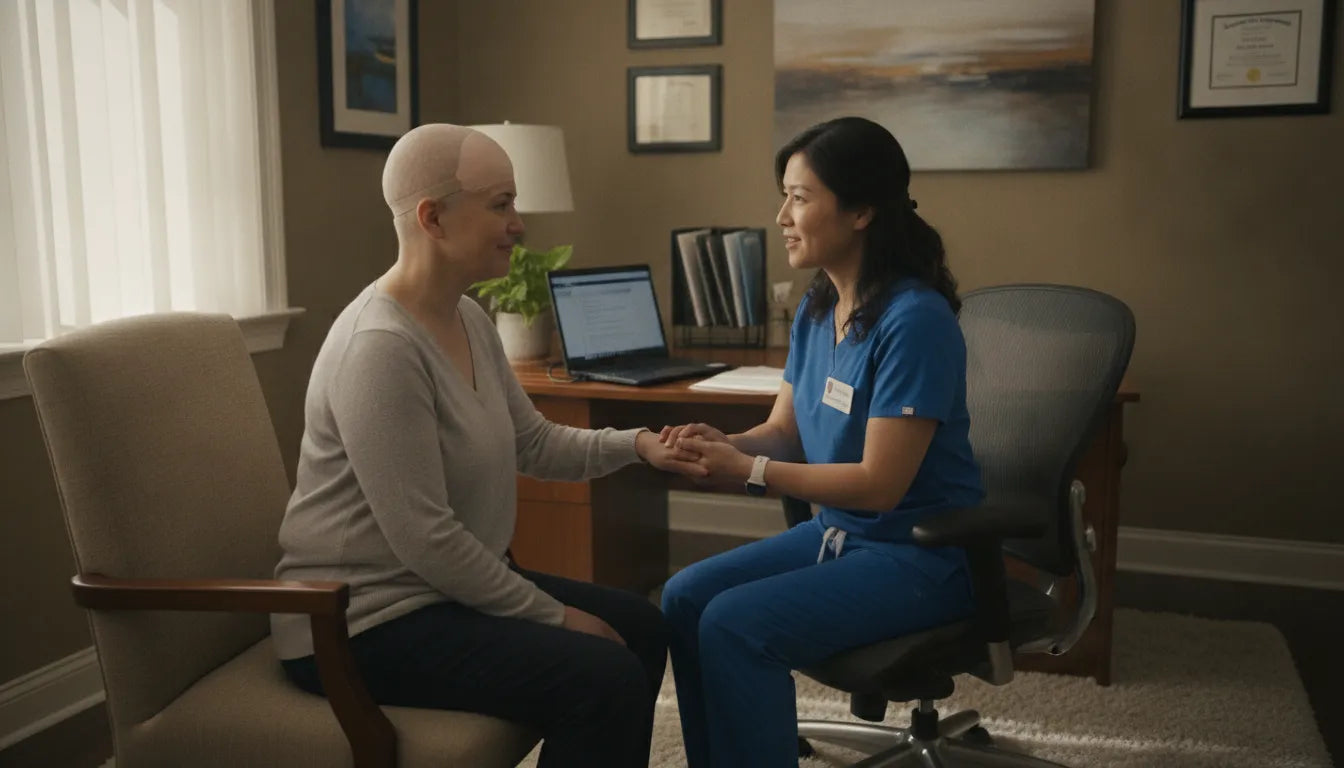
Chemotherapy helps treat cancer by targeting fast-growing cells. However, this process often affects hair follicles, leading to hair loss. About 65% of people who receive these treatments will lose some or all of their hair. This change can be hard to face, but knowing what to expect can help you prepare. Many patients find that a cranial prosthesis provides comfort and privacy during this time.
The timeline of hair loss
Most patients start to notice thinning or shedding about 14 to 21 days after their first treatment session. You might see more hair on your pillow or in the shower drain. For some, the scalp may feel tender or itchy before the hair falls out. This phase is often the most shocking part of the journey. Knowing this timing helps you plan for hair loss during chemotherapy before it begins.
How different drugs affect you
Not all cancer drugs cause the same amount of hair loss. The risk often depends on the specific drug and the dose. For example, anti-microtubule agents carry a very high risk. These drugs lead to hair loss in more than 80% of cases. Other types, like antimetabolites, may only cause loss for 10% to 50% of patients. Your doctor can explain how your specific plan might affect your hair.
The emotional and physical impact
The loss of hair can change how you see yourself and how you feel in public. It affects your self-esteem and body image in deep ways. In fact, up to 8% of patients say they might refuse care just to avoid losing their hair. This shows how vital it is to have good support. A high-quality medical wig can help you feel more like yourself while you heal.
Self care strategies for your scalp
Taking care of your scalp is key when you start to lose hair. Use a soft brush and wash your hair gently with a mild soap. Avoid harsh heat or tight bands that pull on the roots. If your scalp feels dry, you can apply a light oil or lotion. Many people choose to cut their hair short before it falls out to make the change feel less sudden. When you are ready, cranial prosthesis care chemotherapy starts with finding a fit that keeps your skin healthy.
Choosing Your Cranial Prosthesis Before Treatment Begins
Choosing a medical hair piece before chemotherapy starts is a smart move. It helps lower stress and makes it easier to match your own hair color and style. About 65% of people on chemo lose their hair, which often starts two to three weeks after the first dose. You can learn more about how chemo affects hair loss and why planning ahead matters. By picking your unit early, you ensure it is ready exactly when you need it.
Planning ahead also means you have time to test different styles. You can find a look that makes you feel like you. This is much harder to do once hair loss starts. When you act fast, you can also talk to your medical team about the timing. This helps you set up a clear plan for your care. Taking this one step now saves you from making big choices later when your focus needs to be on your health.
Benefits of early selection
Starting early allows a specialist to see your natural hair. This makes matching the shade and texture much more accurate. It also gives you time to focus on your health once treatment begins. Selecting a cranial prosthesis now means you won't have to rush through the process while feeling tired. This proactive step helps you maintain your sense of self and control during a difficult time.
Matching your natural hair is a key part of the process. A specialist can look at your hair in natural light to pick the right base color. They can also see how your hair moves. This helps them find a unit with the right hair weight. If you wait until your hair is gone, you may have to rely on old photos. Photos do not always show the true color or feel of your hair. This makes it harder to get a look that feels real to you.
Medical construction features
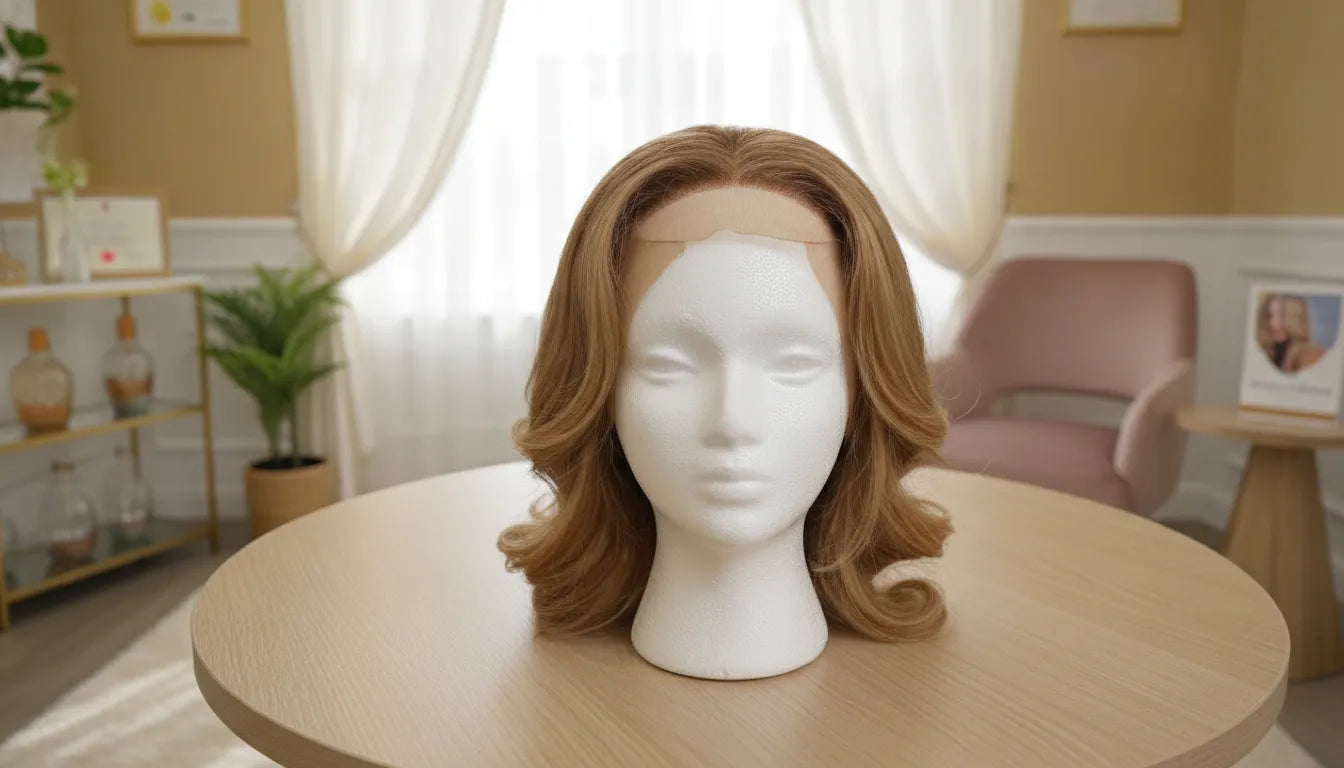
A true medical unit is not a standard wig. It uses special parts to keep you comfortable. Monofilament tops allow the scalp to breathe and look like natural hair growth. Hand-tied backs make the unit light and easy to wear all day. These features are vital for sensitive scalps during treatment. Each piece should also be set to your own scalp size. This ensures a secure fit that stays in place even without your natural hair to anchor it.
| Feature | Cranial Prosthesis | Standard Wig |
|---|---|---|
| Construction | Monofilament top, hand-tied back | Machine-wefted |
| Breathability | High for sensitive scalps | Low heat retention |
| Weight | Lightweight for daily comfort | Heavier cap |
| Insurance Filing | HCPCS code A9282 eligible | Not billable |
| Medical Purpose | Medical hair loss treatment | Cosmetic accessory |
Comfort is the most important factor for many patients. Chemo can make the skin on your head very tender. Standard caps may have rough seams that rub against the skin. Medical units use soft materials that feel smooth. They also use caps that stay cool. This prevents heat from building up, which can lead to itchy skin. When a unit fits well and stays cool, you can go about your day without any extra worry or pain.
The consultation process
You can meet with a specialist in person or online. NYC Medical Wigs serves the NYC tri-state area at their Bayonne, NJ showroom. They also offer virtual meetings for people across the country. During these talks, experts guide you through styles and fits. They also help with the paperwork needed for insurance coverage for cranial prostheses. Most plans use the code A9282 to process these medical claims. Using the right terms is key to getting the help you need.
Getting your paperwork in order is a vital task. Your insurance company needs a note from your doctor. This paper must use the medical term for the device. If the claim says "wig," the plan may deny it. A specialist can work with your clinic to ensure the forms are correct. They know what insurers look for in a claim. This help makes it much more likely that your plan will help pay for the cost of your unit.
Daily Care and Cleaning During Chemotherapy
Daily care for your hair unit is vital during medical treatment. Chemotherapy-induced hair loss is one of the most shocking parts of care for many patients. Keeping your unit clean helps you feel better and protects your health.
A proper routine keeps the hair soft and prevents skin issues. It also helps the unit stay secure and look natural while you go through your day. Taking these steps can help you feel more in control.
Gentle washing for human hair
You should wash your human hair unit about once every ten to fourteen days. If you wear it daily or live in a humid place, you might need to clean it more often. Regular washing removes oils and sweat that build up on the cap.
This buildup can damage the hair fibers and cause itching if left alone. Proper cleaning keeps the hair from looking dull or feeling stiff. It also helps the hair stay manageable and easy to brush.
Start by brushing the hair with a wide-tooth comb to remove tangles. Always start at the ends and work your way up to the base. Use lukewarm water and a small amount of mild shampoo. Do not rub the hair or the cap.
Rubbing can cause the hair to mat or tangle. Instead, gently dip the unit in water. You can also let the water flow from the base down to the tips. This method keeps the hair aligned and prevents damage.
After you wash it, apply a rich conditioner to the ends. Do not put conditioner on the knots at the base of the cap. The oils in the product can make the knots come loose over time. Proper cranial prosthesis care ensures your unit stays in top shape.
- Brush the hair with a wide-tooth comb starting at the ends.
- Fill a basin with lukewarm water and add a sulfate-free shampoo.
- Dip the unit gently and let water flow through the fibers.
- Rinse with cool water until all soap is removed.
- Apply conditioner to the ends only, avoiding the base knots.
- Blot dry with a soft towel and place on a stand to air dry.
Once you finish, rinse the hair well and blot it with a soft towel. Do not wring or twist the hair to get the water out. Place the hair on a stand to help it keep its form while it dries.
Protecting your scalp health
Your scalp may feel very tender during chemotherapy. Good airflow is key to staying comfortable all day long. Many units use monofilament tops to allow air to reach your skin.
This special design mimics the look of natural hair growth. It also helps keep your head cool by letting heat escape. Good airflow is needed to prevent scalp itching during your treatment cycle.
If your skin feels dry, try using a light, water-based lotion on your scalp. You should always remove your unit before you go to sleep. This gives your skin a chance to breathe and rest.
It also keeps sweat from staying trapped against your skin for too long. A clean scalp is less likely to have redness. If you feel any pain, talk to your care team or a specialist right away.
Picking the right products
The products you choose will decide how long your unit lasts. Only use shampoos and conditioners that are free of sulfates and alcohol. Harsh chemicals can strip the hair of its moisture.
This makes the hair look dry and can lead to tangling. Look for gentle formulas made for human hair units to get the best results. These products help keep the hair soft and healthy.
Avoid using high heat tools too often. High heat can weaken the hair and cause it to break. If you must use a dryer, use a cool setting. You can also let the hair air dry on a stand.
NYC Medical Wigs offers expert aftercare services like deep washing and conditioning. This expert help makes your unit last longer and look its best. Skilled care helps you keep your unit in prime condition.
Proper Storage and Regular Fit Checks
How you store your medical unit matters as much as how you clean it. Proper storage keeps the base in good shape and stops the hair from matting. Between uses, you should always place your piece on a sturdy wig stand. This simple step helps the cap keep its form so it stays comfortable for daily use. Using a stand also allows air to flow through the base, which is key for cranial prosthesis care and scalp health.
Safe storage methods
When you are not wearing your unit, keep it away from direct sun and heat. High heat can dry out human hair and damage the cap fibers. If you travel, use a silk or satin bag to protect the hair from friction. Most patients find that a folding stand is the best tool for home use. These stands let the unit breathe and stay ready for your next wear. Proper storage is a vital part of chemotherapy hair loss management because it extends the life of your medical device.
Checking the fit during treatment
Your scalp may change as you go through medical care. Some people find their skin gets more sensitive or their head size shifts slightly. Regular fit checks help you stay comfortable as these changes happen. A medical unit with hand-tied backs is a great choice because it is very light. This type of build lowers the weight on your head and helps prevent skin irritation. If the unit feels loose or tight, a quick check can find where to make a change.
Managing scalp sensitivity
Scalp care is a top goal when you wear a medical piece during chemotherapy. As hair falls out or grows back, the fit of the cap might feel different. You should test the feel of the base against your skin once a week. If you feel any rubbing, you may need to adjust the straps or add a soft liner. A well-fit piece should feel secure but never pinch. Taking time for these checks ensures your unit remains a helpful tool for your comfort and confidence.
Professional Aftercare and Maintenance Services
A medical hair piece costs a lot for your health. Keeping it in top shape is key to making it last. Expert care helps protect the base and the hair. This work keeps your unit looking real and feeling soft. It also helps the unit stay strong for a long time. High-quality cranial prosthesis care ensures the device stays in good health during your medical trip.
Maintaining your cranial prosthesis
Washing a medical unit at home can be hard. The hair can knot or the base can tear if you are not careful. Expert cleaning uses the right soaps and tools for medical hair. A pro knows how to handle the thin monofilament top and hand-tied parts. They wash the hair to remove oils and sweat from your scalp. This step is needed to keep the base fresh and stop skin issues.
After washing, a deep softening treatment keeps the hair soft. Human hair needs water and oils to stay soft and shine. Without it, the hair can get dry and break. Experts also check for loose hairs or small holes in the cap. Fixing these tiny flaws early stops them from getting worse. This type of expert care keeps the look and feel of your hair piece for many months.
The role of repair services
Wear and tear can happen with daily use. You might see thin hair or a loose strap. Expert repair work at NYC Medical Wigs fixes these problems. They can add hair back to the cap to keep it full. They also fix the lace or silk to make sure the fit stays tight. These fixes are much better than trying to mend the unit on your own. A pro has the skill to make the work look hidden.
Keeping your unit in good shape is part of a proactive approach to managing your look during treatment. When your hair piece looks good, you feel more like yourself. You do not have to worry about the unit failing when you need it most. Regular checks with your provider ensure the fit stays snug even as your head shape changes while you heal.
Expert guidance and support
Working with a specialist gives you more than just a clean hair piece. Jamiese Drax and her team help you know your device. They show you how to put it on and take it off safely. They also give you tips for home care between pro visits. This help is needed for new users. It builds your trust and makes the daily routine much easier to do.
A skilled provider also helps with the business side of care. They know how to handle insurance claims and papers. They ensure you have the right files for your plan. This helps you get the most out of your benefits. You can focus on your health while they handle the small details of your medical hair device. Expert care gives you a calm mind and a unit that stays nice.
Navigating the Transition After Chemotherapy
Ending your treatment is a big win. For many, the next step is waiting for hair to return. Hair loss is short-term for most people after their sessions end. Most patients see new growth start about two to six months after the last dose. This time brings many changes for your scalp and your look. You must learn to manage your new hair while still wearing your medical unit.
Hair Regrowth and Texture Changes
New hair may not look like your old hair right away. It often has a new feel or color. Some people get tight curls, which some call chemo curls. This is a normal part of how the body heals on its own. You can read more about hair loss during chemotherapy to know what to expect. The color might be grey or patchy at first, but this often changes over time.
Your scalp may also feel sore as new strands push through. Gentle care is vital during this stage. You should keep your scalp clean and use a light cream to keep skin soft. This helps your new hair grow in a healthy way. Avoid harsh soaps that can dry out the skin or block the new hair from coming out.
Managing Your Cranial Prosthesis Fit
As your hair grows, your head size will change. Your medical unit may start to feel tight or sit higher on your head. Proper cranial prosthesis care chemotherapy means checking the fit once a week. You might need to loosen the straps inside the cap to stay at ease. If the fit is too tight, it can press on the new hair and cause itch or pain.
Some patients choose a new unit during this change. A human-hair prosthesis is a good choice because it offers a wide range of styles. You can cut or shape it to match your new hair as it gets longer. This helps you blend the two looks as you wait for full growth. It makes the switch back to your own hair feel more real and smooth.
Money Help for Your Change
You may still need money help as you move through this phase. Many health plans offer insurance coverage for cranial prostheses to help with costs. Wig teams often use the HCPCS code A9282 to file these claims. This code shows the unit is a health tool and not just for style. It is a key step to getting the most from your plan.
You can also use your own health funds. Both FSA and HSA accounts can often pay for a medical hair tool. Using these funds can lower the cost you pay out of your own pocket. Talk to your plan lead to see what notes or records you need to show for a claim. This ensures you have the support you need as you heal and grow.
Frequently Asked Questions
What is the difference between a medical wig and a cranial prosthesis?
A cranial prosthesis is a medical tool for those with hair loss from chemotherapy. According to the NIH, hair loss is often the most shocking part of treatment for patients. These medical units help sensitive scalps more than fashion wigs. They use breathable tops and hand-tied backs to stay light and secure. Using the right medical name is also key for insurance papers and medical records.
How do I request a prescription for a cranial prosthesis?
To get a medical wig paid for by insurance, you need a note from your doctor. Ask your cancer doctor or skin expert to write for a "cranial prosthesis." Do not use the word "wig" on the paper. Many insurance firms see that as a style item. A clear note from a doctor helps show that the device is a medical need for your health during treatment.
Does insurance cover the cost of a cranial prosthesis?
Many insurance plans may pay for a cranial prosthesis, but the rules change for each plan. To help your claim, use the code A9282. According to NYC Medical Wigs, pay is not promised, so check with your plan first. Working with an expert helps you get the right forms. This shows the medical use of your device and helps you save on costs.
Can I use an FSA or HSA to pay for a cranial prosthesis?
Yes, you can often use an FSA or HSA to pay for a cranial prosthesis. These units are seen as medical tools for hair loss from chemotherapy. Because of this, they are usually safe to buy with those funds. According to NYC Medical Wigs, these accounts help take away the cost of high-quality hair units. This lets you focus on getting well without the stress of the full price for a medical-grade unit.
Ready to schedule a consultation for a cranial prosthesis?
Waiting until your hair loss is at its peak can add extra stress and force you to make a quick choice during a hard medical time. By starting your search today, you give yourself the time and calm needed to find a perfect match that truly looks and feels like you. Getting your custom medical unit now makes sure that you have the right help and peace of mind before your care path begins to change.
Ready to schedule a consultation for a cranial prosthesis? Call (201) 892-6923 to book your private session today and talk with our team. We will help you get the medical unit and the care you need for your health journey right now.