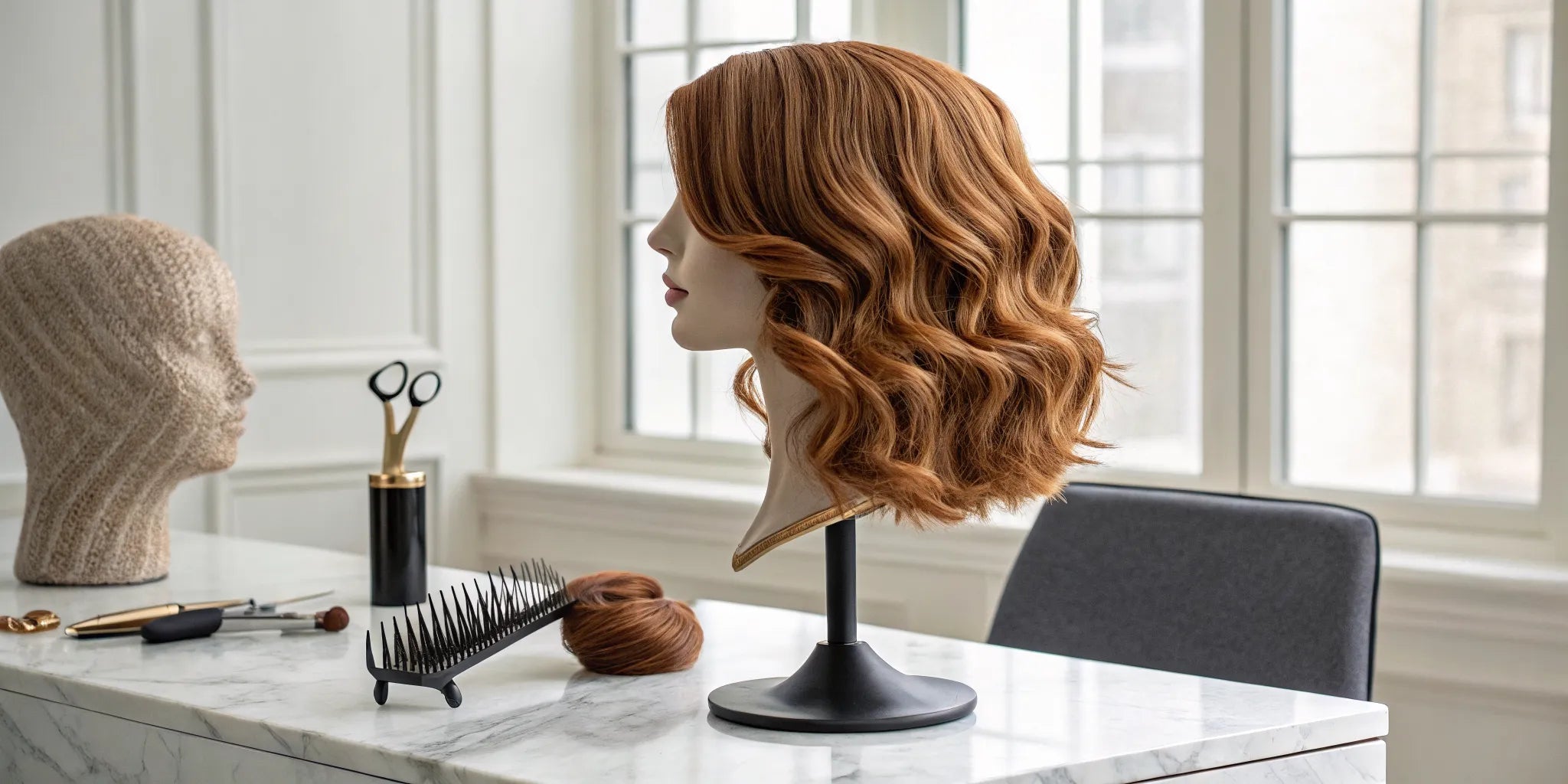
Curly Wig Human Hair for Medical Hair Loss
There's an undeniable beauty in curls—their texture, volume, and personality can define a look. A curly wig human hair offers a stunning way to express your style, whether you want to match your natural pattern or embrace something new. Unlike synthetic options, real human hair provides the freedom to heat style and color the hair as if it were your own. But finding the right piece is about more than just picking a pretty curl. It’s about the confidence that comes from a secure fit and the joy of having hair that moves and shines naturally.
Key Takeaways
- Choose Human Hair for Realism and Freedom: Human hair wigs provide a natural look and feel that is virtually undetectable. They also give you the freedom to style your hair with heat, letting you change your look for any occasion.
- Find a Provider Who Simplifies the Process: A quality wig specialist does more than sell hair; they offer personalized consultations to find your perfect match and provide hands-on assistance with insurance claims, making a medical-grade wig more affordable.
- Protect Your Investment with a Simple Routine: Keep your curly wig looking its best by establishing a consistent care habit. Focus on daily moisturizing and gentle detangling with your fingers or a wide-tooth comb, and use a weekly deep conditioner to maintain hydration.
Why Choose a Curly Human Hair Medical Wig?
If you’re exploring wig options, you’ve likely seen two main categories: human hair and synthetic. While both have their place, a human hair wig with beautiful curls is a special choice. It's an investment in yourself, offering a level of realism and flexibility that can make all the difference in how you feel. It’s about finding a piece that feels like an extension of you, giving you the confidence to style it your way. Let’s walk through why a curly
Achieving a Realistic Look and Feel
The top reason people prefer human hair is its incredibly natural appearance. A high-quality human hair wig moves, shines, and feels just like biological hair. The strands fall naturally and don’t have the synthetic shine that can be a giveaway. For anyone experiencing hair loss, this realism is key. A well-made human hair wig is virtually undetectable, allowing you to go about your day feeling secure and confident. This detail makes a huge impact on your comfort and peace of mind.
The Freedom to Style It Your Way
One of the best parts of owning a human hair wig is the styling freedom. Unlike most synthetic wigs with a set style, human hair can be treated much like your own. Want to define the curls with a diffuser, straighten them for a sleek look, or try a new braid? You can do it all. This versatility means you aren't stuck with one look and can adapt your hair for any occasion. Just remember to use a heat protectant and keep styling tools on a low setting to protect your investment and keep the hair healthy.
Investing in a Wig That Lasts
When you find the perfect wig, you want it to last. Human hair wigs are known for their durability, often lasting for a year or longer. While they require more maintenance than synthetic options, their lifespan makes them a worthwhile investment. Following a simple routine with proper care ensures your wig remains beautiful for a long time. This longevity provides excellent value and means you won’t have to search for a replacement every few months, giving you consistency and reliability.
Human Hair vs. Synthetics for Medical Needs
When you're choosing a cranial prosthesis, the material is one of the most important decisions you'll make. While synthetic wigs have improved over the years and often come with a lower price tag, they can't quite replicate the natural movement and feel of human hair. For someone wearing a wig daily due to medical hair loss, comfort and realism are paramount. Human hair wigs breathe better, are gentler on a sensitive scalp, and move just like biological hair would. This isn't just about aesthetics; it's about feeling like yourself. A cranial prosthesis is a medical device designed to restore your confidence, and choosing 100% human hair is an investment in that goal.
Why Heat-Friendly Synthetic Blends May Not Be the Best Choice
You might come across "heat-friendly" synthetic wigs, which are marketed as a compromise between synthetic and human hair. The idea is that you can use low heat to style them, offering more versatility than a traditional synthetic piece. However, for a medical wig you plan to wear daily, these blends often fall short. They tend to have a much shorter lifespan than human hair and can become frizzy and tangled from the friction of simply turning your head or from rubbing against your clothes. The texture can change permanently after just a few heat applications. For the reliability and longevity needed in a cranial prosthesis, investing in 100% human hair is almost always the more practical and satisfying choice in the long run.
What to Look for in a Cranial Prosthesis Specialist
Choosing a wig is a deeply personal journey, and finding the right provider is just as important as finding the right hair. You want a partner who understands your needs, especially if you're experiencing hair loss for medical reasons. A great provider won't just sell you a product; they will offer expertise, support, and a genuine commitment to helping you feel like yourself again. Think of them as your guide through this process, someone who can offer clarity and confidence when you need it most.
When you start your search, look beyond the wig itself. Consider the provider’s reputation, the quality of their materials, and the level of service they offer. Do they have positive reviews from clients in similar situations? Do they specialize in the type of wig you're looking for? The best specialists provide a comprehensive experience that includes helping you find a comfortable and natural-looking piece, offering personalized styling advice, and even assisting with the financial aspects, like insurance claims. This kind of dedicated support can make all the difference, turning a potentially stressful process into an empowering one. It’s about finding a place where you feel seen, heard, and cared for from the moment you walk in.
Why Medical-Grade Quality Matters
When you're dealing with a sensitive scalp, quality is non-negotiable. Look for providers who specialize in medical wigs, as these are designed with your health and comfort in mind. Unlike standard fashion wigs, medical-grade pieces are made with premium, lightweight materials and feature cap constructions that are soft and breathable. This ensures the wig won't irritate your skin, allowing for comfortable, all-day wear. Prioritizing this level of quality means you’re investing not just in your appearance, but in your well-being. It’s the foundation for a wig that feels as good as it looks.
What to Expect During Your Consultation
The world of wigs can feel overwhelming, with endless options for curls, colors, and caps. This is where expert guidance becomes invaluable. A high-quality provider will offer personalized consultations to help you find the perfect match. During a one-on-one meeting, an expert can assess your needs, answer your questions, and recommend styles that complement your features and fit your lifestyle. This tailored approach removes the guesswork and ensures you walk away with a wig that you truly love and feel confident wearing. It's your chance to get professional advice in a private, supportive setting.
Can You Get Help With Insurance?
If you need a wig due to a medical condition, you may be able to get it covered by your health insurance. However, the process can be confusing. The best providers will offer hands-on assistance with insurance coverage, guiding you every step of the way. They can help you understand your policy, determine your eligibility, and gather the necessary paperwork, like a prescription from your doctor. This support is a huge relief, making a high-quality human hair wig much more accessible and affordable. It removes a major financial barrier, allowing you to focus on choosing the right piece for you.
Exploring Your Curly Medical Wig Options
Once you’ve decided on human hair, the next step is exploring the different types of curly wigs out there. It’s not just about the curls; the way the wig is built makes a huge difference in how it looks, feels, and fits into your daily life. Understanding these options will help you find a piece that feels less like a wig and more like your own hair. Let’s walk through the key features to consider.
From Water Wave to Kinky: Finding Your Curl Type
Curly wigs are available in a beautiful spectrum of textures. You’ll find everything from loose Water Waves and defined Deep Curls to tighter Kinky Curly and Afro patterns. Each one offers a completely unique style. You might want to find a curl pattern that closely matches your natural hair, or you might see this as an opportunity to try a new look you’ve always admired. Looking through a collection of wigs can help you visualize how these different textures look and decide which one speaks to you the most.
Lace Front vs. Full Lace: What's the Difference?
The wig’s construction, or cap, is the foundation of your wig. A lace front wig has a sheer panel of lace along the front hairline, which creates the illusion that the hair is growing right from your scalp. It’s a fantastic choice for a natural, undetectable look. A full lace wig offers even more versatility. The entire cap is made of lace, so you can part the hair anywhere you like and even style it in high ponytails. During a personal consultation, we can discuss your lifestyle and styling preferences to figure out which construction is the perfect match for you.
Monofilament and Hand-Tied Caps for a Natural Scalp
Beyond the lace, other cap features are essential for a realistic look and comfortable fit, especially if you have a sensitive scalp. Monofilament caps are designed to mimic the appearance of a natural scalp using a thin, breathable material that gives the illusion of hair growing directly from your skin. This allows for multi-directional parting and a very natural look. For the ultimate in realism and comfort, hand-tied caps feature individual hair strands that are meticulously tied by hand to a soft cap. This detailed technique provides the most natural movement, allowing the hair to flow and behave just like biological hair would.
Understanding Hair Quality: Remy vs. Virgin Human Hair
The terms used to describe hair quality can be confusing, but they are crucial for understanding what you’re buying. Remy human hair is a popular choice for high-quality wigs because it’s collected in a way that keeps all the hair cuticles intact and aligned in the same direction. This process is key to preventing tangling and ensuring the hair remains smooth. Virgin hair is the gold standard—it is Remy hair that has never been chemically processed with dyes or perms. This pure state means it’s the strongest, healthiest hair available, which you can then customize to your desired color and style.
The Benefits of 100% Virgin Indian Hair
Among the types of virgin hair, 100% Virgin Indian hair is highly sought after for its incredible quality and versatility. Known for its soft texture, natural luster, and durability, it blends beautifully and moves with a lightweight bounce. Because it has never been chemically treated, it maintains its integrity, allowing you to color it, apply heat, and style it just as you would your own hair. This makes it an excellent choice for a long-lasting cranial prosthesis, as it provides a truly natural appearance and the freedom to create different looks while maintaining its quality over time.
How to Ensure a Comfortable and Secure Fit
Comfort is everything, especially when you’re wearing a wig every day. A proper fit is essential for security and peace of mind. Medical wig caps are designed with sensitivity in mind, often using soft, breathable materials. Many also include adjustable straps or silicone grips to ensure the wig stays put without feeling too tight. A well-fitting cap prevents shifting and gives you the confidence to go about your day without worrying about your hair. If you have questions about sizing, our FAQ page is a great resource to start with.
Taking Your Head Measurements for a Perfect Fit
A cranial prosthesis that fits perfectly feels secure and becomes a part of you. To get an accurate size, it’s best to measure your head when your natural hair is as flat as possible—either braided down or wrapped. It's important not to measure over an existing hair installation, as this can lead to an incorrect size. While you can take these measurements at home with a soft tape measure, you don't have to figure it out alone. During a professional consultation, a specialist will take precise measurements for you, ensuring your cranial prosthesis has a snug, comfortable fit that feels custom-made.
The Advantages of a Glueless Cranial Prosthesis
Many people, especially those new to wearing a prosthesis or with sensitive skin, prefer a glueless option. A glueless cranial prosthesis is designed to be worn without any adhesives, making it incredibly easy to put on and take off each day. This is a major advantage for anyone with a sensitive scalp, as it eliminates the need for potentially irritating glues or tapes. It also gives you the flexibility to remove your wig at night, allowing your scalp to breathe. The security comes from the cap's construction, which often includes adjustable straps and silicone grips, providing a firm yet gentle hold that you can trust throughout your day.
How to Choose the Right Curly Medical Wig
Finding the right wig is a deeply personal process, and with so many beautiful options, it helps to know what to look for. Thinking through a few key factors will help you narrow down the choices and find a curly wig that feels like it was made just for you. Consider the curl pattern, the wig’s density and length, and the color to select a piece that aligns with your look and lifestyle.
Matching the Curls to Your Biological Hair
If your goal is a wig that closely mirrors your own hair, matching the curl pattern is the perfect place to start. When you’re experiencing hair loss, finding a texture that feels familiar can be incredibly comforting. Look at photos of your natural hair to identify its curl type, whether it’s a loose wave, a tight coil, or something in between. High-quality human hair medical wigs offer the most realistic look and feel, making it easier to find a pattern that blends seamlessly. Of course, this is also your chance to experiment. If you’ve always wanted to try a different curl pattern, go for it!
Choosing a Density and Length for Your Lifestyle
Wig density refers to how much hair is on the wig cap, and it plays a big role in the overall look. A 130% density offers a very natural, lightweight feel that’s great for everyday wear and easy to manage. If you prefer more volume and fullness, a 150% to 180% density strikes a beautiful balance. For a truly glamorous, high-volume style, you might look at 200% density. Think about your daily routine when choosing length and density. An active lifestyle might be better suited to a shorter, lower-density wig, while a longer, fuller wig can be perfect for special occasions or if you love styling your hair. A personal consultation can help you decide what works best for you.
Can I Wear My Medical Wig During Sports or an Active Day?
Absolutely. One of the most common questions we get is about wearing a medical wig during physical activity, and the answer is a resounding yes. A high-quality cranial prosthesis is designed for real life, which includes everything from a yoga class to a busy day running errands. The key is a secure fit. Medical-grade wigs feature soft, breathable caps with adjustable straps that ensure your piece stays comfortably in place, no matter how much you move. The durability of human hair also means it can handle an active lifestyle. You have the freedom to pull it back into a ponytail or bun, keeping it out of your way while you focus on your activity. It’s all about having the confidence to live your life without limitations, knowing your hair is secure.
What Are My Customization and Color Options?
Choosing a color is one of the most exciting parts of selecting a new wig. You have the freedom to either match your natural shade for a consistent look or explore entirely new hues. Our human hair wigs come in a variety of natural shades, from deep blacks and rich browns to warm blondes. Because they are made from real human hair, they can also be professionally colored to achieve a custom shade, add highlights, or create a balayage effect. This is your opportunity to express your personal style, whether that means sticking to a classic look or trying the vibrant color you’ve always dreamed of.
What to Expect: A Realistic Guide to Wig Ownership
Choosing your wig is the exciting first step, but the real journey begins when you bring it home. Owning a human hair wig, especially a curly one, is a bit like learning a new skill. It takes a little practice, but soon it becomes a natural part of your routine. Let's be honest: it’s not always as simple as "put it on and go." There’s a small learning curve to keeping your wig looking its best. But don't let that intimidate you. The goal isn't perfection; it's confidence and comfort.
Think of it as a new self-care ritual. Just like you have a routine for your skin, you’ll develop one for your wig. With a few key habits, you can easily manage your new hair and keep it looking gorgeous for years to come. It’s about understanding what your wig needs to thrive. From preventing tangles to ensuring a secure fit, we’ll walk through what it’s really like to own a wig so you can feel prepared and empowered. The beautiful, bouncy curls and the freedom they bring are well worth the small amount of effort required.
How to Prevent Tangling and Shedding
One of the biggest concerns for new wig owners is tangling, especially with curly styles. The key is to be gentle. Always use your fingers or a wide-tooth comb to detangle, starting from the ends and patiently working your way up to the roots. This prevents stress on the hair and minimizes shedding. It’s also helpful to know that some shedding is completely normal, just as it is with natural hair. High-quality human hair medical wigs are designed to minimize this, but you can expect to see a few strands here and there. By incorporating a gentle detangling session into your daily routine, you’ll keep your curls separate, smooth, and beautiful.
Tips for Avoiding Friction Tangles From Clothing
Friction from clothing is a leading cause of tangles, particularly at the nape of the neck where the hair rubs against collars and scarves. You can easily minimize this by being mindful of your wardrobe choices. Smooth fabrics like silk and satin are your best friends, as they allow the hair to glide over them without catching. Rougher materials like wool, tweed, or stiff denim can snag the delicate curls, leading to matting. A simple solution is to wear a silk or satin scarf as a barrier between your wig and a high-collared coat.
Beyond your clothing, simple styling adjustments can make a huge difference. On windy days or when you’re wearing a jacket, gathering your hair into a low ponytail or a loose braid keeps it contained and away from friction-prone areas. This proactive approach, combined with a consistent routine for maintaining hydration, will keep your curls smooth and prevent frustrating tangles. It’s a small habit that goes a long way in protecting the beauty and longevity of your medical wig.
Daily Adjustments for a Comfortable, Secure Fit
A wig should feel like a part of you, not a hat you’re afraid will slip off. A comfortable and secure fit is everything, as it directly impacts how confident you feel and how natural the wig looks. Choosing the wrong size can lead to headaches, slipping, or a bulky appearance. Most quality wigs come with adjustable straps inside the cap to help you get a snug fit. Using a wig cap underneath can also add a layer of comfort and security. If you're unsure about your size or how to adjust your wig properly, getting professional help is a great idea. A personalized consultation can ensure your wig fits your head perfectly, so you can go about your day without giving it a second thought.
How Much Time Does Wig Care Really Take?
The idea of maintaining a human hair wig can seem daunting, but it’s simpler than you might think. It doesn't require hours of your time, just consistency. With proper care, a quality human hair wig can last for more than a year, making it a worthwhile investment. Your routine will likely involve a few minutes of daily detangling and moisturizing, plus a weekly wash and deep condition. Think of it as a small, peaceful ritual that protects your investment and keeps your hair looking flawless. If you have questions about specific products or techniques, a good FAQ page can be an excellent resource for quick answers and guidance.
How to Care for Your Curly Human Hair Wig
A human hair curly wig is a beautiful investment, and with the right care, it will stay vibrant and gorgeous for a long time. Caring for curls isn't complicated, but it does require a different approach than straight hair. The key is moisture and gentle handling. Think of it as a simple, relaxing ritual that protects your wig and keeps your curls looking defined and bouncy. By building a consistent routine, you'll ensure your wig looks just as stunning as the day you received it.
Your Daily Routine: How to Detangle and Moisturize
Your daily goal is to keep your curls hydrated and tangle-free. The most important rule is to never brush or comb your wig when it’s dry, as this can cause frizz and damage the curl pattern. Instead, start by lightly misting the hair with water. Then, apply a small amount of leave-in conditioner or curl cream. Gently work through any tangles with your fingers or a wide-tooth comb, starting from the ends and moving up toward the roots. This simple daily refresh will keep your human hair medical wigs soft, moisturized, and ready to wear.
The Right Way to Detangle: Wet Hair Only
Here’s the most important rule for curly hair care: only detangle when the hair is damp or wet. Attempting to comb through dry curls is a recipe for frizz, breakage, and a disrupted curl pattern. When the hair is wet, it has more elasticity and slip, allowing you to gently separate strands without causing damage. Start by using your fingers to carefully loosen any large knots. Once you’ve done that, you can use a wide-tooth comb. Divide the hair into small sections and begin combing from the ends, slowly and patiently working your way up to the roots. This gentle, bottom-up method is the best way to protect your investment and keep your curls looking defined and healthy.
Your Weekly Ritual: Deep Conditioning for Lasting Softness
Think of this as a spa day for your wig. Once a week, or whenever it starts to feel dry, it’s time for a deep conditioning treatment. Start by washing your wig with a sulfate-free shampoo and conditioner designed for color-treated or delicate hair. After rinsing, apply a generous amount of a hydrating deep conditioner. Let it sit for at least 15-20 minutes before rinsing with cool water to seal the hair cuticle and lock in moisture. This weekly ritual is essential for restoring hydration and keeping the curls healthy and defined. For personalized product advice, we're always here to help during a free consultation.
Washing With Lukewarm Water and Rinsing With Cool Water
The temperature of the water you use plays a surprisingly big role in keeping your curls looking their best. Always start the washing process with lukewarm water. This gentle warmth helps to open up the hair's cuticle—the protective outer layer of each strand—allowing your sulfate-free shampoo to effectively cleanse away any product buildup without stripping essential moisture. After you’ve shampooed and are ready to condition, the final rinse is your secret weapon against frizz. Rinsing with cool water helps to seal the hair cuticle shut. This simple step locks in all the hydration from your conditioner, resulting in smoother, shinier curls that are less prone to frizz throughout the day.
Applying Conditioner Correctly to Avoid Shedding
Conditioner is essential for keeping your human hair wig soft and hydrated, but how you apply it is crucial for preventing shedding. Since the hair in your wig doesn't receive natural oils from a scalp, the mid-lengths and ends are where moisture is needed most. Focus your application there, gently working the product through the hair with your fingers. It's very important to avoid applying conditioner directly to the cap or the roots of the wig. The emollients in conditioner can loosen the delicate knots that secure the hair to the cap, leading to premature shedding. By keeping conditioner away from the base, you protect the integrity of your cranial prosthesis and ensure it remains full and beautiful for as long as possible.
Drying Your Wig to Preserve the Curls
How you dry your curly wig is just as important as how you wash it. The drying process is where your curls take their final shape, so getting it right is key to achieving that beautiful, defined look you love. Rushing this step with high heat or rough towel-drying can lead to frizz, damage, and a loss of curl pattern. The best method is always the gentlest one. While air-drying is the gold standard for preserving the health and shape of your curls, we know that life sometimes calls for a quicker solution. Below, we’ll walk through the ideal way to air-dry your wig and how to safely use a blow dryer when you’re short on time.
Why Air-Drying on a Wig Stand is Best
Letting your wig air-dry is the safest and most effective way to maintain its delicate curl pattern and overall health. After washing, gently squeeze out excess water with a soft towel—never wring or rub the hair. Then, place your wig on a wig stand. This is a non-negotiable step. A stand allows air to circulate freely through the cap and hair, ensuring it dries evenly and thoroughly. More importantly, it helps the wig maintain its proper shape as it dries, preventing the cap from stretching or becoming misshapen. Letting your wig dry bunched up or flat on a surface will crush the curls and can lead to a tangled mess, so giving it the space to dry properly on a stand is essential for longevity.
Using a Blow Dryer on a Cool Setting With a Diffuser
If you’re in a hurry and can’t wait for your wig to air-dry, you can use a blow dryer—but only with the right tools and technique. The key is to avoid direct, high heat at all costs. You will need a diffuser attachment for your blow dryer. This tool disperses the airflow over a wider area, which is much gentler on curls and helps prevent frizz. Always use the coolest temperature setting and the lowest speed. To use the diffuser, gently cup sections of the curls in the attachment and bring it up toward the roots. Hold for a few seconds and repeat around your head. Try not to over-dry the hair; leaving it slightly damp will help the curls settle perfectly without becoming frizzy.
Essential Products to Maintain Your Wig
You don’t need a cabinet full of products to maintain your curly wig. A few high-quality essentials are all it takes. First, a wide-tooth comb is non-negotiable for gentle detangling. Second, a good water-based leave-in conditioner will be your go-to for daily moisture. Finally, a spray bottle filled with water is perfect for refreshing your curls between washes. You might also consider co-washing, which means washing only with conditioner, to gently cleanse the hair without stripping its natural moisture. We recommend avoiding heavy oils or products with harsh silicones, as they can weigh down the hair and cause buildup over time.
Common Care Mistakes and How to Fix Them
Even with the best intentions, it’s easy to make a few missteps when you’re new to caring for a human hair wig. The good news is that most common mistakes are simple to avoid once you know what to look for. Understanding how to properly handle, wash, and store your cranial prosthesis is the best way to protect your investment and keep it looking beautiful. Think of this as your cheat sheet for sidestepping the little habits that can shorten your wig’s lifespan, ensuring your curls stay vibrant and healthy for as long as possible.
Mistakes That Can Shorten Your Wig's Lifespan
A high-quality cranial prosthesis is designed for durability, but its longevity ultimately depends on your daily habits. Small, seemingly harmless mistakes can accumulate over time, leading to dryness, frizz, and unnecessary wear. By being mindful of a few key things, you can easily avoid these common pitfalls. Protecting your wig doesn't require a complicated routine—it just means treating the delicate human hair with the same gentle care you would your own. Let's cover the two most common errors we see and how to correct them for lasting results.
The Dangers of Overwashing and Using Hot Water
It might feel intuitive to wash your wig frequently, but overwashing is one of the quickest ways to damage it. Each wash can strip the hair of essential moisture, leaving your curls looking dry and frizzy. Similarly, using hot water is a major mistake, as the heat can damage the delicate hair strands and even cause the curl pattern to relax and lose its shape. Instead, wash your wig only when necessary—typically every 7-10 wears—using lukewarm water and a gentle, sulfate-free shampoo. This simple change will help preserve moisture and keep your curls intact.
Why Proper Storage on a Wig Stand Matters
How you store your wig at the end of the day matters just as much as how you wash it. Tossing it on a dresser or leaving it in a pile is a recipe for tangles, frizz, and flattened curls. A wig stand is an essential tool because it allows the hair to hang freely, preventing knots and helping the curl pattern stay defined. It also helps the cap maintain its shape, which is crucial for ensuring a comfortable and secure fit every time you wear it. Storing your wig properly is a simple, two-second habit that makes a world of difference in its daily appearance and long-term health.
What to Do About Tears or Thinning Hair
Even with meticulous care, a well-loved wig will eventually show signs of wear. You might notice the lace front beginning to fray or a few areas where the hair seems a little thinner than it used to be. This is a normal part of the wig's lifecycle and doesn't mean you need to start searching for a replacement. Many common issues can be professionally repaired, extending the life of your favorite piece and restoring it to its former glory. Knowing your options can save you both time and money.
Professional Repair and Re-ventilation Services
If you notice thinning spots or a tear in the lace cap, it’s time to seek out a professional. Specialized services like re-ventilation, which involves a technician meticulously adding new strands of hair to thinning areas, can restore your wig’s density. Professionals can also expertly repair torn lace, making it look seamless again. These are delicate tasks that require specific skills, so it's not a DIY project. During a personal consultation, we can always offer guidance on how to find trusted repair services to help you get the most out of your cranial prosthesis.
Essential Accessories for Your Cranial Prosthesis
Having the right tools on hand can transform your wig care routine from a chore into a simple, satisfying ritual. You don’t need a drawer full of complicated gadgets; just a few key accessories will make washing, styling, and storing your curly medical wig significantly easier. These items are designed to protect the delicate hair and cap construction, helping you maintain the wig’s beauty and extend its lifespan. Investing in these essentials is an investment in the longevity of your piece and your own peace of mind.
Wig Care Tools
To keep your curly human hair wig in pristine condition, a few basic tools are non-negotiable. These accessories are designed to help you detangle, style, and store your wig without causing damage. They are the foundation of a good care routine and will help you manage your wig with confidence. Think of them as your support system for maintaining those beautiful, bouncy curls day after day. With the right tools, you'll find that caring for your wig is much simpler than you might imagine.
Wig Stands, Clips, and Tapes
A wig stand is your most important accessory for proper storage and air-drying. Large clips are also incredibly useful for sectioning the hair while you detangle, wash, or style it. While many of our cranial prostheses are designed for a secure, glueless fit, some people prefer the added security of wig tape or adhesive for special occasions or high-impact activities. And, of course, a wide-tooth comb is essential for gently working through tangles without causing breakage. These simple wig care products make daily maintenance a breeze.
Headwear for Added Comfort
Your comfort is paramount, especially on days when you may not feel like wearing your wig. Having comfortable, stylish headwear options gives you the freedom to choose what feels best for you at any given moment. These accessories are particularly helpful for protecting a sensitive scalp or for lounging at home. They are a wonderful complement to your cranial prosthesis, offering versatility and a different kind of comfort when you need it most. It’s all about having choices that support your well-being.
Turbans and Sleeping Caps
Soft turbans and headscarves are perfect for days when you want a stylish alternative to your wig. They provide full coverage and are often made from gentle, breathable fabrics that won't irritate your skin. A silk or satin sleeping cap is another must-have. Wearing one to bed protects a sensitive scalp and can also be worn over your wig if you must sleep in it, reducing friction and preventing tangles. These headwear options are designed with the needs of women experiencing medical hair loss in mind, providing both comfort and style.
A Price Guide for Human Hair Medical Wigs
When you start shopping for a human hair wig, you’ll quickly notice that prices can vary a lot. It’s not just about the length or style; the cost is a reflection of some really important details that affect how the wig looks, feels, and lasts. The biggest factors are the quality of the hair itself—whether it’s standard human hair, Remy hair with aligned cuticles, or top-tier virgin hair—and the way the wig cap is made. A machine-made cap will be less expensive than a delicate, hand-tied one that allows for natural movement and multi-directional parting. Features like a lace front or a monofilament top, which create a super realistic scalp and hairline, also contribute to the price. Think of it less as a purchase and more as an investment in your daily comfort and confidence. While it's tempting to go for the lowest price, for anyone experiencing medical hair loss, the quality, security, and natural appearance are what truly matter in the long run. Understanding what goes into each price tier will help you choose a wig that not only fits your budget but also feels like it was made just for you.
Factors That Determine the Price
Wigs in this price range are often a starting point for those new to wigs or for someone looking for a temporary or occasional-use piece. Online retailers make these wigs very accessible, which is great for experimenting with different styles. However, these pieces typically use lower-grade human hair and feature machine-made caps. While they can be fun, they may lack the durability, comfort, and natural appearance needed for long-term, daily wear. If you have a sensitive scalp, you might find the construction isn't as soft or breathable. For medical purposes, you may find these options don't provide the secure fit or realistic hairline you’re hoping for.
The Impact of Hair Type and Origin
Stepping into the mid-range opens up more possibilities for quality and style. Wigs in this bracket often feature better construction, such as a lace front that provides a more realistic hairline and allows for off-the-face styling. The hair quality is also a step up, offering improved texture and longevity with proper care. This price point offers a wider selection of curl patterns and colors, giving you more options to find a great match. For many, a mid-range wig is a solid investment that balances cost with quality, providing a durable and beautiful option for regular wear. It’s a practical choice that offers a significant improvement in look and feel over entry-level pieces.
How Cap Construction Affects Cost
This is the category where you find true medical-grade wigs designed for the ultimate in realism, comfort, and longevity. These premium medical wigs are crafted with the finest materials, often using 100% Remy or virgin human hair where the cuticles are kept intact and aligned. The caps are typically hand-tied and feature monofilament tops or full lace, allowing you to part the hair anywhere for a completely natural look. These wigs are an investment, but the difference in quality is something you can truly see and feel. For those experiencing medical hair loss, this is also the category where you can often use your insurance benefits to make a high-end piece much more affordable.
How to Make Your Medical Wig More Affordable
A beautiful, high-quality human hair wig is a significant purchase, but it's an investment in your confidence and comfort. The good news is that there are several ways to make this investment more manageable without compromising on quality. With a little planning, you can find the perfect wig that fits both your style and your budget.
Ask About Payment Plans or Special Offers
Timing your purchase can lead to significant savings. Many wig providers offer promotions around major holidays and shopping events like Black Friday. It’s a great idea to follow brands you love on social media or subscribe to their email newsletters. This way, you’ll be the first to know about any upcoming sales. Planning ahead allows you to get the exact wig you want at a reduced price. Keep an eye on your favorite wig collections so you’re ready to act when a promotion goes live. It’s a simple strategy that can make a big difference in the final cost.
Incentives like Free Shipping
Beyond the sticker price, it’s the small details that can make a big difference in your purchasing experience. When a provider offers perks like free shipping, it shows they’re thinking about your entire journey. It simplifies the final cost so there are no surprises at checkout, which is one less thing to worry about during an already stressful time. Another huge help is the availability of flexible payment options. Many providers partner with services that allow you to pay for your wig over time in smaller, more manageable installments. These incentives aren't just about saving money; they're a sign that a provider understands the financial weight of this purchase and is committed to making a high-quality medical wig as accessible as possible for you.
Using Insurance to Cover Your Cranial Prosthesis
If you're experiencing hair loss due to a medical condition or treatment, your wig may be covered by your health insurance. In medical terms, a wig is often called a "cranial prosthesis," and many insurance plans provide full or partial coverage for one. The first step is to call your insurance provider and ask about your specific benefits for a cranial prosthesis. Some wig specialists can guide you through this entire process. They can help you understand your coverage and gather the necessary paperwork, making a high-quality wig much more accessible. You can even schedule a consultation to get personalized help with your insurance questions.
Exploring Grants and Financial Aid
Never underestimate the power of asking. Many companies are happy to offer a discount to welcome a new customer. Before you check out, look for a pop-up on the website offering a percentage off your first order, which you can often get by signing up for their email list. If you don’t see one, it’s always worth reaching out to the customer service team to ask if they have a first-time buyer promotion. It’s a small step that shows you’re a savvy shopper, and it can often result in a nice little discount on your purchase. This simple inquiry can make your dream wig that much more affordable.
Related Articles
- How to Choose the Best Redhead Curly Wig
- Medium Length Wigs: The Ultimate 2026 Guide
- Your Ultimate Guide to Choosing a Curly Wig
Frequently Asked Questions
How long can I expect a human hair curly wig to last? With consistent care, a high-quality human hair wig can last for a year or even longer. Think of it as an investment in your daily confidence. Its lifespan depends entirely on how you treat it. A simple routine of gentle detangling, proper washing, and regular conditioning is what will keep the hair healthy and beautiful for a long time, making it a reliable piece you can count on day after day.
What makes a "medical wig" different from a standard fashion wig? The main difference is comfort and construction. Medical wigs are specifically designed for individuals with sensitive scalps, often due to medical hair loss. They use lightweight, breathable materials and soft cap constructions to prevent irritation. The goal is to create a wig that feels secure and comfortable enough for all-day wear, so you can almost forget you have it on.
I'm worried a curly wig will be too difficult to manage. Is the daily care complicated? Not at all. While curly hair requires attention, the routine is quite simple once you get the hang of it. It's mostly about keeping the hair moisturized and avoiding dry combing. A typical day involves lightly spritzing the curls with water, applying a bit of leave-in conditioner, and gently detangling with your fingers. It's a small, quick ritual that keeps your curls defined and prevents tangles.
Can I really use my health insurance to pay for a wig? Yes, it is often possible. If you need a wig due to a medical condition, it may be considered a "cranial prosthesis," which is covered by many insurance plans. The first step is to contact your insurance provider to ask about your specific benefits. A specialized wig provider can also offer expert guidance, helping you with the paperwork and making the process much clearer.
Will a lace front wig really look like my own hairline? Absolutely, that is precisely what it is designed to do. A lace front wig has a panel of sheer lace along the front where each hair is individually hand-tied. This creates the illusion that the hair is growing directly from your scalp. It allows you to style the hair away from your face with confidence, giving you a very natural and undetectable hairline.
Understanding Purchase and Return Policies
Making the decision to purchase a medical wig is a significant step, and it’s important to feel completely confident in your choice. Before you finalize your purchase, take a moment to understand the provider’s policies on returns and exchanges. This isn’t just about fine print; it’s about ensuring you have the flexibility you need if the piece isn’t the perfect fit. A transparent and fair policy is a hallmark of a reputable provider who stands behind the quality of their cranial prostheses and is committed to your satisfaction. It gives you peace of mind, knowing you have options if the color, fit, or curl pattern isn’t quite what you envisioned once you see it in person.
Every company has different rules, so it’s wise to review them carefully. Look for clear information on the timeframe for making a return, the condition the wig must be in, and whether any restocking fees apply. For a medical wig, these details are especially important because comfort and a natural appearance are paramount. A great provider makes this information easy to find, often on a dedicated FAQ page, because they want you to feel secure. They understand this is more than just a product—it's a personal item essential to your well-being, and they will offer a process that is as supportive and stress-free as possible.
What to Look for in a Return Policy
A good return policy should give you a reasonable window, typically 14 to 30 days, to decide if the wig is right for you. Pay close attention to the condition requirements; most providers require the wig to be returned unworn, unaltered, and in its original packaging for hygiene reasons. Also, check if the company charges a restocking fee, as this will affect your refund amount. Finally, consider the level of support offered. A truly client-focused specialist will not only process a return but will also help you find a better alternative and may even provide assistance with documentation for your insurance claim, turning a potential disappointment into a positive outcome.