Wigs for Thinning Hair: A Patient's Guide
Hair is so much more than just hair—it’s a core part of your identity. When you experience hair loss, finding a solution that helps you feel like yourself again is everything. This isn't just about covering thinning areas; it’s about finding a style that fits your life and restores your confidence. The right medical wigs for thinning hair can help you do that. This guide will walk you through finding the perfect piece, from choosing a style to making it your own during a personal consultation.
Key Takeaways
- Focus on hair type and cap design for a natural result: High-quality human hair paired with features like a lace front or monofilament top creates the most realistic look and comfortable feel, making it a worthwhile choice for everyday wear.
- Match your wig to your lifestyle and features: Consider your daily activities and face shape when choosing a style. A professional consultation can guide you to a wig that not only looks great but also fits seamlessly into your routine.
- Proper care is essential for longevity: To keep your wig looking its best, learn the right techniques for application, styling, and maintenance. A consistent routine for washing, drying, and storing your wig correctly will protect your investment.
Understanding Hair Thinning and Its Causes
Seeing more hair in your brush or noticing a wider part can be unsettling. Hair thinning is a deeply personal experience, and it’s completely normal to feel concerned when you see changes in your hair's density. The first step toward finding a solution that helps you feel confident is understanding what’s causing the change. Hair loss isn't a one-size-fits-all issue; it can be triggered by a wide range of factors, from your family history to your stress levels. Getting to the root of the problem is essential because it informs the path forward, whether that involves medical treatment, lifestyle adjustments, or finding the perfect cranial prosthesis to restore your sense of self.
Pinpointing the reason for your hair loss empowers you to take control. While it can be tempting to search for a quick fix, a lasting solution starts with knowledge. By learning about the common culprits behind hair thinning, you can have a more productive conversation with your doctor and make informed decisions about your health and appearance. This knowledge helps you move from a place of worry to one of action, guiding you toward effective management strategies and solutions that align with your specific needs. It's about feeling and looking like yourself again, and that journey begins with understanding.
Common Reasons for Hair Loss in Women
For women, hair loss can feel like a complex puzzle, but the reasons often fall into a few key categories. Understanding these can help demystify the experience and provide a clearer direction for seeking help. The most frequent causes are tied to your unique genetic makeup, hormonal fluctuations throughout your life, specific medical conditions, and even the physical and emotional stress you encounter. Each of these factors can affect the hair growth cycle in different ways, leading to the thinning you may be observing. Recognizing which category your situation might fall into is a helpful starting point before consulting a healthcare professional for a definitive diagnosis.
Genetics and Hormonal Changes
Your family tree can tell you a lot, including your predisposition to hair loss. In fact, "90 percent of hair loss is genetic and might need medicine" to be managed effectively. This type of hereditary hair loss, known as androgenetic alopecia or female pattern hair loss, is the most common cause of thinning hair. It typically presents as diffuse thinning over the crown of the scalp. Hormonal shifts also play a significant role. Events like pregnancy, menopause, or thyroid disorders often disrupt the natural hair growth cycle and can lead to noticeable shedding or thinning for many women.
Medical Conditions and Stress
Beyond genetics, your overall health is directly linked to the health of your hair. As one source notes, "Certain illnesses like alopecia areata, scalp infections, or lupus can cause hair loss." These conditions can interrupt the hair growth cycle and require medical attention to manage. Furthermore, you should never underestimate the impact of stress. High levels of physical or emotional strain can trigger a condition called telogen effluvium, where a significant number of hair follicles enter the resting phase at once. This can lead to widespread, temporary shedding a few months after the stressful event.
Why You Should Talk to a Doctor About Hair Loss
If you're experiencing hair loss, your first and most important step should be to schedule an appointment with your doctor. It's crucial to "consult your doctor if you have hair loss, as it can be a sign of other health issues like a thyroid disorder." A proper medical diagnosis is the only way to identify the underlying cause of your hair thinning and determine the most effective treatment plan. Your doctor can run necessary tests and provide you with a prescription for a cranial prosthesis if it's deemed a medical necessity. This prescription is often required to get insurance coverage for a medical-grade wig, making it a vital part of the process.
Topper or Full Wig? Choosing a Solution for Hair Thinning
Deciding between a hair topper and a full wig is a personal choice that depends on your level of hair loss, lifestyle, and desired look. Both are excellent solutions for thinning hair, but they function differently. Understanding these differences is the first step toward finding the perfect piece that makes you feel confident and comfortable. Let’s walk through what each option offers so you can make an informed decision.
Understanding Hair Toppers for Partial Hair Loss
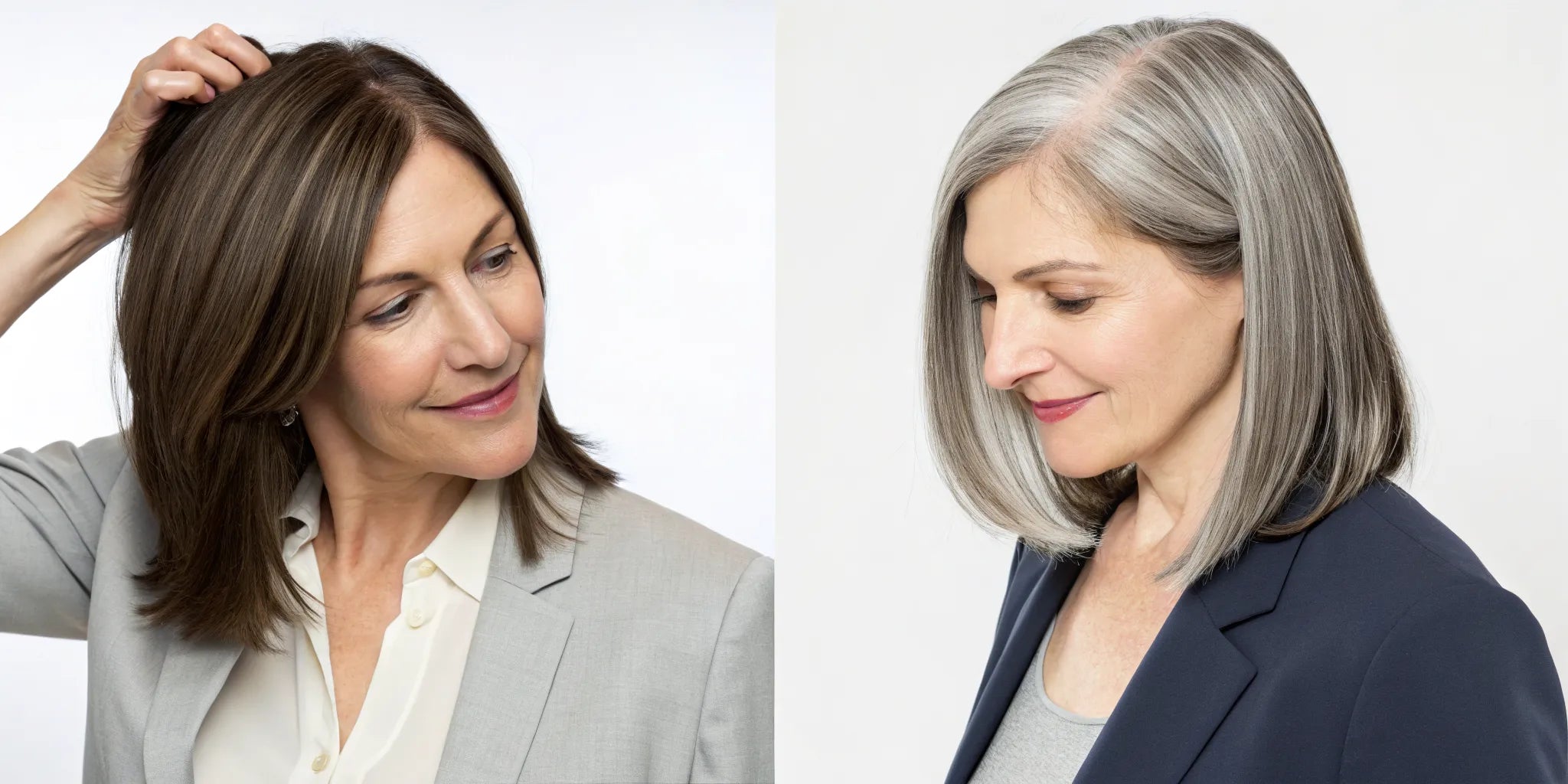
A hair topper is a specialized hairpiece designed to conceal thinning areas and add volume. Think of it as a solution for targeted coverage. If you're experiencing thinning mostly at your part or crown, a topper can be a fantastic choice. They are designed to clip into your existing hair, blending seamlessly to add fullness and body right where you need it. Hair toppers instantly change your look by adding volume or even a touch of color to fine or thin hair, giving you a natural-looking boost of confidence without the commitment of a full wig.
Hair Topper Base Types Explained
The base of a hair topper is its foundation—it’s the part that sits on your head and determines how the piece looks and feels. Common options include monofilament, lace, and hand-tied bases. A monofilament base creates the illusion of natural hair growth, as each hair is individually tied to a sheer material, allowing you to part the hair freely. For the most realistic hairline, a lace base is an excellent choice because the fine lace material disappears against the skin. Fully hand-tied bases offer the most comfort and natural movement, as each strand is knotted by hand, allowing the hair to move just like your own. Understanding these different constructions helps you choose a topper that feels secure and looks undetectable.
Choosing the Right Coverage and Density
Selecting the right hair topper involves matching both the coverage area and the hair density to your specific needs. Coverage refers to the size of the base, which should be large enough to conceal the area of thinning hair with about an inch of overlap onto your healthy hair for secure attachment. Density is about the thickness of the hair on the topper. The goal is to match the density of your biological hair for a seamless blend. If your hair is naturally fine, a light-density topper will look most natural. Choosing a density that's too heavy can make the topper obvious. A professional can help you assess your level of hair loss and recommend the ideal base size and density for a truly integrated look.
How to Select the Perfect Color Match
A perfect color match is essential for making a hair topper look like your own hair. The most important step is to match the topper's color to your hair roots, not your ends, as this is where the two will blend together. Since hair color can look different in various lighting conditions, it’s a good idea to check the color in both indoor and natural light. High-quality human hair toppers can often be dyed darker by a professional stylist to achieve a custom match, but they generally cannot be lightened. To eliminate guesswork and ensure a flawless result, a professional consultation is your best option. An expert can provide a precise color match that accounts for subtle tones and highlights in your hair.
Styling Tips to Blend Your Hair with a Topper
Once you have your topper, blending it with your natural hair is the key to a seamless look. Most toppers attach with small, pressure-sensitive clips that securely grip your hair. To apply, part your hair where you plan to place the topper, open the clips, and slide the front comb into your hair just behind your hairline. Secure the front clip first, then gently pull the base taut and secure the back and side clips. After it's in place, use your fingers or a wide-tooth comb to gently blend your natural hair with the topper's hair. Pulling a few of your own strands out around your face can also help create a softer, more integrated hairline.
When Is a Full Medical Wig the Right Choice?
A wig, on the other hand, is a full headpiece that provides complete coverage. This makes it an ideal option for anyone with significant or total hair loss, or for those who simply want to try a completely new style. Unlike a topper that integrates with your hair, a medical wig covers your entire scalp, offering a total transformation. This comprehensive coverage provides a secure and consistent look, which can be incredibly comforting and empowering when dealing with widespread hair loss from medical conditions like alopecia or chemotherapy.
Comparing Coverage, Comfort, and Daily Wear
Choosing between a topper and a wig often comes down to your specific needs. Toppers are lightweight, easy to apply, and can be styled with your natural hair for a quick, effortless look. They are perfect if you’re dealing with thinning on the crown or part line and want a natural-looking boost. Wigs generally require more ongoing care since they cover the entire scalp and need regular washing and conditioning. However, they also offer unparalleled coverage and the freedom to experiment with entirely new looks. A personal consultation can help you weigh these factors and decide which option feels best for you.
Other Hair Piece Options to Consider
While toppers and full wigs are the most common solutions for thinning hair, a few other specialized pieces might be a good fit depending on your specific needs. These options are generally best for those with early-stage or localized hair loss who want to blend the piece with their own hair. They focus more on adding volume and length rather than providing the comprehensive scalp coverage that a medical wig or cranial prosthesis offers. Exploring these can help you understand the full range of possibilities available as you navigate your hair loss journey.
U-Part and V-Part Wigs for Blending
If your hair loss is minimal and you want a solution that integrates directly with your natural hair, a U-part or V-part wig could be an option. These pieces are constructed with a U- or V-shaped opening at the top, allowing you to pull a small section of your own hair through to cover the seam. This creates an incredibly natural-looking part line. As one person experiencing hair loss shared, "If your hair isn't too thin, you could try U part wigs or V part wigs because they blend easily with your own hair." This makes them a great choice for adding significant volume and length while still using your own hair for a seamless blend.
Clip-In Hair Extensions for Volume
For those who are primarily looking to add fullness and length rather than conceal thinning areas, clip-in hair extensions are a versatile choice. These are wefts of hair that attach to your existing hair with small, discreet clips. They don’t provide scalp coverage, so they aren’t a solution for thinning at the crown or part line. However, they are perfect for adding a temporary boost of volume for a special occasion or for daily wear if your hair loss is more diffuse. They offer a simple way to enhance your existing style without the commitment of a full hairpiece.
What Defines a High-Quality Medical Wig?
Finding the right wig can feel like a big task, but it gets much easier when you know what to look for. The quality of a wig comes down to a few key elements: the type of hair used, how the cap is made, and the craftsmanship behind the color and style. Understanding these components will help you choose a piece that not only looks beautiful and natural but also feels comfortable enough for daily wear. Think of this as your guide to making a confident and informed decision, ensuring you invest in a wig that truly meets your needs and makes you feel like yourself again.
When you’re looking for a medical wig, these details matter even more. Comfort is non-negotiable, and a natural appearance can make all the difference in your confidence. Let’s walk through the most important factors so you can spot a high-quality wig and understand what contributes to its look, feel, and price.
Human Hair vs. Synthetic: Which Is Best for a Medical Wig?
The choice between human and synthetic hair is one of the first you’ll make. Human hair wigs offer the most natural look and feel, and you can style them with heat just like your own hair. The higher price reflects the quality of the materials and the expert craftsmanship involved. For instance, many premium wigs use Remy human hair, where the cuticles are kept intact and aligned in one direction to prevent tangling. The careful sourcing and processing required to create this realistic texture adds to the cost.
Synthetic wigs are more budget-friendly and come pre-styled, which is a convenient, low-maintenance option. However, they lack the styling versatility of human hair and typically have a shorter lifespan. For daily wear, especially for medical reasons, many people find the natural movement and feel of human hair to be worth the investment.
Why Wig Cap Construction Matters for Comfort
What’s underneath the hair is just as important as the hair itself. The wig cap, or base, determines how comfortable the wig feels and how natural it looks, especially at the hairline and part. A high-quality cap construction can make a wig virtually undetectable. For example, a lace front creates a seamless hairline, while a monofilament top allows you to part the hair in any direction for a realistic scalp appearance.
These features require meticulous, often hand-tied, work, which influences the final cost. While a basic machine-made cap is more affordable, a hand-tied cap offers superior comfort and a more natural look, making it an excellent choice for those with sensitive scalps.
Choosing a Color and Cut for a Seamless Look
Finding a wig that feels like you often comes down to getting the color and style just right. High-quality human hair wigs offer incredible versatility here. They can be professionally colored to perfectly match your natural shade or achieve a new look you’ve always wanted. It’s a great idea to bring photos of your hair to a consultation to help find your ideal match.
Keep in mind that hair length also affects the price. Longer hair is more difficult to source, making longer wigs a bigger investment. Ultimately, the goal is to find a style that complements your features and fits seamlessly into your life, whether you want to replicate your current look or try something new.
What Determines the Cost of a Medical Wig?
Several factors come together to determine the price of a wig. As we've covered, the hair type is the biggest one, with ethically sourced human hair costing more than synthetic fibers. The cap construction also plays a major role; hand-tied, lace front, and monofilament features require skilled craftsmanship and increase the price.
Other elements like hair length and density contribute to the final cost as well. A higher price tag on a medical wig usually signifies superior materials, meticulous construction, and a greater level of comfort and realism. Investing in a well-made piece ensures it will not only look natural but also last longer and feel better against your scalp.
Choosing a Medical Wig That Fits Your Life
Choosing a wig is about so much more than finding the right color. It’s about discovering a style that feels like an extension of you, one that fits your features and your daily life. When you find the right one, it just clicks. The key is to think about two main things: your face shape and your lifestyle. A wig should not only complement your natural features but also feel practical for your day-to-day activities. Considering these elements will help you select a piece that you’ll love to wear, making you feel confident and comfortable in any situation.
Selecting a Cut That Feels Like You
The right hairstyle can beautifully balance your features, and the same is true for a wig. When you’re exploring options, think about how a style will frame your face. A hair topper, for instance, blends with your biological hair to add volume and coverage where you need it, working with your existing haircut to enhance your look. A full wig, on the other hand, gives you a complete new style, allowing you to choose a length and shape that best flatters you. While styles with soft layers or face-framing pieces tend to suit many people, the best way to find your perfect match is with personalized guidance. A professional consultation can help you identify styles that highlight your best features.
Does Your Medical Wig Suit Your Daily Routine?
Honesty about your daily routine is your best friend here. How much time do you want to spend on your hair each morning? If you have an active, on-the-go schedule, a lightweight hair topper might be a great fit since it’s quick and easy to apply. A full wig requires a bit more care, including regular washing and styling, much like natural hair. For many, this routine is a welcome part of their day. High-quality human hair medical wigs offer incredible styling versatility, but it’s important to choose a piece that aligns with the time and effort you’re willing to put in. Think about your work, hobbies, and social life to find a solution that feels effortless.
Common Myths About Medical Wigs, Debunked
Let’s clear the air on a big one: wearing a wig will not cause or worsen hair loss. This is a common fear, but it’s rooted in outdated ideas about old-fashioned, heavy wigs. Today’s medical wigs are designed with your scalp’s health in mind. They are made from lightweight, breathable materials that allow for proper air circulation. The myth that wearing hats and wigs can cause hair loss is only true if the piece is worn too tightly, which can restrict blood flow. A properly fitted wig will feel secure without being constricting, ensuring you can wear it with total peace of mind.
Myth: Wearing a Wig Worsens Hair Loss
Let’s clear the air on a big one: wearing a wig will not cause or worsen hair loss. This is a common fear, but it’s rooted in outdated ideas about old-fashioned, heavy wigs. Today’s medical wigs are designed with your scalp’s health in mind. They are made from lightweight, breathable materials that allow for proper air circulation. The myth that wearing a wig can cause hair loss is only true if the piece is worn too tightly, which can restrict blood flow. A properly fitted cranial prosthesis will feel secure without being constricting, ensuring you can wear it with total peace of mind. During a personal consultation, we focus on finding that perfect fit, so your scalp stays healthy and comfortable all day long.
Fact: A Medical Wig Can Protect Your Scalp and Hair
In reality, a high-quality medical wig does the opposite of causing damage—it offers protection. Think of it as a gentle barrier between your sensitive scalp and the outside world. It shields your skin from sun exposure, wind, and cold, which is especially important if you’re experiencing hair loss from medical treatments that can leave your scalp tender. For those with some existing hair or new regrowth, a cranial prosthesis can also protect fragile strands from friction and breakage. Instead of causing harm, a well-made wig supports your comfort and confidence while giving your scalp a safe, protected environment.
Where to Find a Specialist for Wigs for Thinning Hair
Finding the right wig is about more than just hair; it’s about finding a provider you trust. When you’re dealing with hair loss, you need a partner who understands your needs and can guide you to a solution that makes you feel confident. The right specialist will offer not just a product, but also support and expertise.
Our Patient-First Approach to Medical Wigs
When your hair loss is due to a medical condition, working with a specialist is key. At NYC Medical Wigs, we focus exclusively on medical-grade wigs, which means we understand the nuances of finding a comfortable, secure, and natural-looking solution. While hair toppers are great for adding volume to specific areas, a full wig provides complete coverage and peace of mind. We know that wigs require dedicated care, and we’re here to show you how to maintain your piece so it lasts.
More importantly, we help you handle the financial side. We specialize in helping our clients use their insurance benefits to cover the cost of their cranial prosthesis. Our expert consultations are designed to walk you through the process, making a high-quality wig more accessible.
How to Choose a Cranial Prosthesis Specialist
A great wig provider does more than just sell hair. They should be a knowledgeable resource who listens to your concerns and helps you find the perfect match for your lifestyle and needs. Look for a provider who offers personalized consultations and is transparent about the quality and construction of their wigs.
When you’re making this investment, you want to understand how the quality and durability align with your long-term needs. A good specialist will explain the differences between cap constructions and hair types, ensuring you choose from high-quality human hair wigs that will look beautiful for years to come. They should prioritize your comfort and confidence above all else, offering solutions that feel as good as they look.
Online vs. In-Person: Why a Professional Fitting Matters
Choosing between shopping online or in-person can feel like a big decision, especially if this is your first time buying a wig. An in-person consultation allows you to see and feel the wigs firsthand. You can get a perfect color match, ensure a secure fit, and receive expert advice on styling and care. This hands-on experience removes the guesswork and anxiety that can come with buying online.
Shopping online offers convenience and a wider selection, but it comes with risks. It’s difficult to judge the true color, texture, and quality of a wig from a screen. You also miss out on the personalized fitting and styling that makes a wig look truly natural. Many of our clients find that an initial in-person visit provides the confidence they need, and we’re always here to answer any common questions you might have along the way.
Exploring Other Hair Restoration Options
While a cranial prosthesis provides an immediate, non-invasive, and beautiful solution for hair loss, it’s helpful to know about all the paths available to you. Some people choose to explore medical or surgical routes aimed at regrowing their own hair. These options can be effective for certain types of hair loss, but they involve different commitments in terms of time, cost, and medical procedures. Understanding what they entail can help you make a well-rounded decision in partnership with your healthcare providers. Let’s look at some of the most common hair restoration treatments you might discuss with your doctor.
Medical Treatments for Hair Loss
When you speak with a dermatologist, they may discuss medical treatments designed to slow hair loss or encourage new growth. Some of the most common treatment options include medications like Minoxidil (Rogaine), a topical foam you apply directly to the scalp, and Finasteride, an oral pill. Another approach is Platelet-Rich Plasma (PRP) therapy, a procedure where a small amount of your own blood is processed to concentrate the platelets, which are then injected into the scalp to help stimulate hair follicles. These treatments require consistency and patience, as results can take months to appear and often need to be continued to be maintained.
Surgical Procedures like Hair Transplants
For certain types of permanent hair loss, a hair transplant is a surgical option that moves hair follicles from a dense area of your scalp to a thinning or bald spot. The two main techniques are Follicular Unit Transplantation (FUT), which involves removing a small strip of scalp to harvest follicles, and Follicular Unit Extraction (FUE), where individual follicles are taken directly from the scalp. While a transplant can offer permanent results, it is a significant medical procedure. The cost can be substantial, and it isn’t a suitable option for everyone, particularly those with hair loss from chemotherapy or conditions causing widespread thinning. A detailed consultation with a board-certified specialist is crucial to determine if you are a good candidate.
How to Wear Your Wig for a Secure, Natural Look
Once you’ve found your perfect wig, the next step is making it feel like your own. A great application and a little styling can make all the difference in achieving a look that feels completely natural and gives you confidence. It might take a little practice, but soon it will feel like second nature. Here’s how to get started with applying and styling your new hair.
Your Step-by-Step Guide to Applying Your Wig
A secure and comfortable fit starts with good preparation. Before you put on your wig, you want to create a smooth, flat base for it to sit on. If you have short bio hair, a wig cap can help keep everything tucked in and secure. Once your hair is prepped, hold the wig with both hands and gently place it on your head, aligning the front of the wig with your natural hairline. Adjust it until it feels comfortable and centered. Most of our human hair wigs come with adjustable straps or clips inside to help you get a snug, secure fit that will stay in place all day.
Creating a Seamless, Natural-Looking Hairline
The hairline is often the key to making a wig look undetectable. For the most realistic appearance, you can carefully pluck a few hairs from the wig’s hairline to create a softer, less perfect line that mimics natural hair growth. If you have some of your own hair, try to position the wig so its hairline sits just over your own. This helps create a seamless transition. Getting the hairline just right can feel tricky at first, so if you need a hand, a professional can help customize it for you. You can always schedule a consultation for personalized guidance on fitting and styling.
Making Your Wig Look and Feel Like Your Own Hair
One of the best parts of having a human hair wig is the styling freedom. You can use heat tools like curling irons and straighteners, but always start with a low temperature setting to protect the hair. When brushing, use a wide-tooth comb or a wig-specific brush to gently detangle without pulling on the fibers. You can also create a part that looks natural by using a comb to guide the hair. After styling, take a final look in the mirror from all angles to make sure everything looks blended and polished. A little adjustment can go a long way in perfecting your look.
Caring for Your Medical Wig to Make It Last
A high-quality human hair wig is an investment in your confidence and style. To keep it looking its best for as long as possible, a little bit of care goes a long way. Think of it like any other luxury item; proper maintenance is key to its longevity. The good news is that caring for your wig isn't complicated. By following a few simple steps for washing, drying, and storing, you can protect its delicate fibers, maintain its shape, and ensure it looks natural and beautiful every time you wear it.
How to Properly Wash and Condition Your Medical Wig
Start by gently brushing your wig with a wide-tooth comb or a wig brush to remove any tangles. Work from the ends up to the base to prevent shedding. When you’re ready to wash, use lukewarm water and a shampoo specifically formulated for human hair wigs. Gently lather the hair, moving in a downward motion, and rinse thoroughly. Next, apply a moisturizing conditioner, avoiding the cap to prevent the knots from loosening. Let it sit for a few minutes before rinsing with cool water. To dry, gently squeeze out excess water with a towel (don't wring it!) and place it on a wig stand to air dry. This is the gentlest method for maintaining your wig's quality.
Proper Wig Storage: Best Practices and Mistakes to Avoid
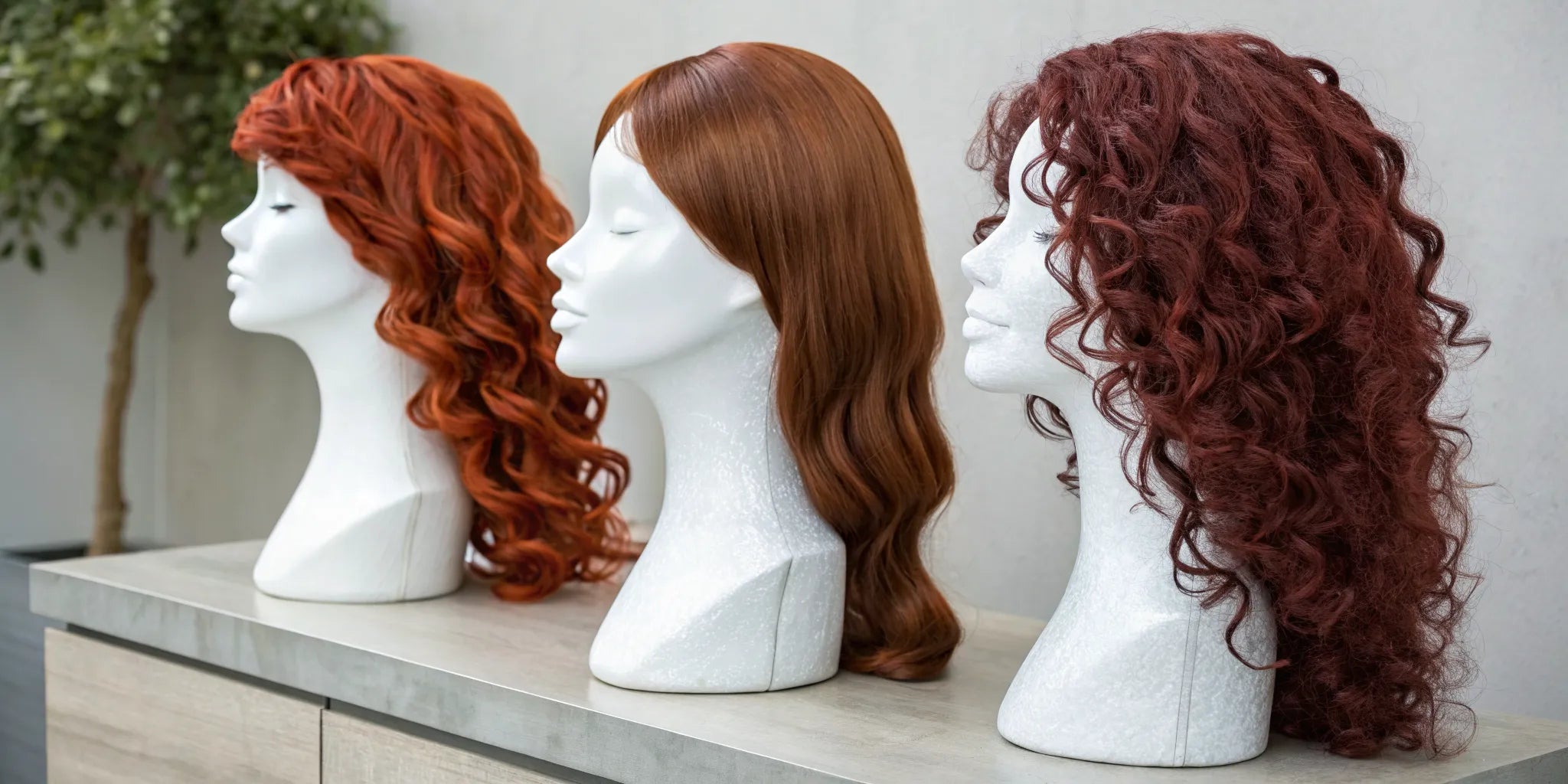
How you store your wig is just as important as how you wash it. The best way to maintain its shape and style is to keep it on a wig stand or a mannequin head when you’re not wearing it. This prevents tangling and helps the cap retain its form. Be sure to choose a stand that isn't too large, as stretching the cap can cause damage over time. Find a cool, dry spot away from direct sunlight, which can fade the color and weaken the hair fibers. One of the biggest mistakes is tossing your wig in a drawer or a box where it can get crushed and tangled. Proper wig storage is a simple habit that makes a huge difference.
Related Articles
- Wig for Alopecia: What to Know Before You Buy
- 6 Best Human Hair Wig Brands for a Natural Look
- Best Wigs to Buy Online: The Ultimate 2025 Guide
Frequently Asked Questions
How do I know if I need a hair topper or a full wig? The best choice really depends on the extent of your hair loss. A hair topper is designed to add volume and conceal thinning on a specific area, usually the top of your head, while blending in with your existing hair. If you have more widespread or total hair loss, or if you simply want the option of a complete style transformation, a full wig is the better solution since it provides total coverage.
Are human hair wigs really worth the extra cost compared to synthetic ones? For many people, especially those who plan to wear their hairpiece daily, the investment in a human hair wig is absolutely worth it. Human hair offers the most natural look and feel, and you can style it with heat tools just like you would your own hair. This versatility and realism contribute to its higher price, but it also means you get a more durable and authentic-looking piece that can truly feel like your own.
I'm worried a wig will look obvious. How can I ensure it looks natural? This is a very common concern, but modern, high-quality wigs are designed to be virtually undetectable. The key is in the construction. Look for features like a lace front, which creates a seamless, natural-looking hairline, and a monofilament top that mimics the appearance of a real scalp and allows for multi-directional parting. A professional fitting also ensures the wig is secure and properly sized, which is essential for a realistic look.
Will wearing a wig every day damage my scalp or remaining hair? Not at all. This is a myth that comes from older, poorly made wigs. Today’s medical wigs are made from lightweight, breathable materials that allow for plenty of air circulation to your scalp. As long as your wig is fitted correctly and isn't too tight, it will not harm your scalp or affect any potential hair regrowth. A comfortable fit is key to scalp health.
Can I use my health insurance to help pay for my wig? Yes, it's very possible. If you are experiencing hair loss due to a medical condition, your wig may be considered a "cranial prosthesis," which is often covered by health insurance plans. The process involves getting a prescription from your doctor and submitting a claim. We specialize in this area and can help you understand your benefits and handle the paperwork to make the process much smoother.
How Long You Can Expect Your Hair Piece to Last
The lifespan of your medical wig is a common question, and it really comes down to two things: the quality of the piece and how you care for it. A high-quality human hair wig is an investment that can last from one to over two years with the right maintenance. How often you wear it plays a role, but the most significant factor is your care routine. Gentle handling, proper washing techniques, and correct storage are essential for preserving its integrity. For instance, keeping your wig on a stand or mannequin head when you're not wearing it is the best way to maintain its shape and prevent tangling. A consistent maintenance plan isn't complex, but it's the key to making your investment last and keeping your wig looking beautiful.