The Best Wig Glue: 9 Adhesives for Medical Wigs
When you're wearing a medical wig, your comfort is everything. The last thing you need is an adhesive that irritates your already sensitive skin. Finding the best wig glue means searching for a gentle, skin-friendly formula that provides a secure hold without causing redness or itching. A strong bond is essential, but it should never come at the expense of your skin’s health. This guide will help you find that perfect balance: a reliable adhesive for your cranial prosthesis that is both strong and incredibly kind to your skin.
Key Takeaways
- Choose your glue based on personal needs: Select an adhesive by considering your skin sensitivity, desired hold strength, and how much sweat or water resistance your lifestyle requires.
- Proper technique is key for safety and a flawless look: Always perform a patch test before a full application, apply the glue in thin, even layers, and use a designated remover to protect both your skin and your wig.
- Explore adhesive-free alternatives for comfort: Wig tape offers a strong, mess-free hold, while a wig grip provides a completely glue-free solution that is ideal for sensitive skin or daily wear.
How Do I Choose the Best Adhesive for My Medical Wig?
Finding the perfect wig is just the first step. Securing it properly is what gives you the confidence to go about your day without a second thought. But with so many wig glues on the market, picking the right one can feel overwhelming. The best adhesive for you comes down to your lifestyle, skin, and desired hold. Let’s break down the three main things to consider to find a glue that feels like it was made just for you.
How Strong Does Your Hold Need to Be?
This seems straightforward, but hold strength can vary a lot between products. Some glues offer a light, daily hold, perfect if you prefer to remove your wig each night. Others provide a powerful, multi-week bond for a more semi-permanent style. Think about your routine. Do you want the flexibility of daily removal, or do you prefer a set-it-and-forget-it approach? Choosing the right lace wig glue is about matching the product’s performance to your personal needs, ensuring your wig stays perfectly in place from morning to night, or even for weeks at a time.
What If I Have Sensitive Skin?
Your comfort is non-negotiable. If you have sensitive skin, or if your scalp is tender from medical treatments, this is the most important factor to consider. Some adhesives contain ingredients that can cause irritation, redness, or itching. Look for formulas specifically labeled as hypoallergenic or designed for sensitive skin. These glues are made to provide a secure hold without causing discomfort. Before you commit to any new adhesive, always perform a patch test on a small area of your skin. If you're unsure what might work best, a professional consultation can help you find a gentle yet effective option that keeps your skin happy.
Do You Need a Sweat-Proof or Waterproof Formula?
Your daily life involves more than just sitting still, and your wig glue should be able to keep up. If you have an active lifestyle, live in a humid climate, or are prone to sweating, you’ll want an adhesive that is either water-resistant or fully waterproof. A water-resistant glue can handle light moisture, while a waterproof formula is designed to hold strong through workouts, swimming, and showers. Many of the best-selling adhesives are built to withstand moisture, giving you peace of mind that your wig will remain secure, no matter what your day throws at you.
Consider the Weight of Your Cranial Prosthesis
The weight of your cranial prosthesis is another key detail that influences which adhesive will work best for you. A lighter, shorter medical wig won't require the same level of support as a longer, denser one. For lighter pieces, a standard daily-wear glue might be perfectly sufficient. However, if your chosen prosthesis has more volume or length, you'll need a stronger adhesive to ensure it stays securely in place and gives you total peace of mind. It's important to find a glue that can support the weight of your unit without feeling heavy or causing strain. During your consultation, we can discuss the different types of cranial prostheses and help you match the right adhesive to the specific weight and style of the wig you select, ensuring both security and comfort.
Our Recommended Adhesives for Cranial Prostheses
Choosing the right adhesive is one of the most important steps in making your wig feel like a part of you. The best glue provides a secure hold that gives you confidence, without causing irritation or damage to your skin. With so many options available, it helps to know which products are trusted by professionals and loved by wearers. Below, we’ll walk through some of the top-rated wig glues, breaking them down by hold strength, daily usability, and suitability for sensitive skin. This will help you find the perfect match for your lifestyle and needs.
Why We Trust These Professional-Grade Formulas
When we talk about professional-grade adhesives, we mean formulas designed for reliability and performance. These are the types of glues that can withstand daily activities while keeping your wig perfectly in place. They are created to offer a seamless, natural-looking hairline and are often formulated to be gentle on the skin. Whether you need a bond that lasts for weeks or a dependable hold for a special event, using a high-quality adhesive ensures your wig stays secure and comfortable. It’s all about finding that sweet spot between a strong hold and a happy scalp.
For a Maximum Hold: Ghost Bond XL & Bold Hold Active
If you need an adhesive that offers a powerful, long-lasting grip, Ghost Bond XL and Bold Hold Active are two of the best in the business. Ghost Bond XL is famous for its water-based, non-toxic formula that’s gentle on the skin but tough on movement, making it a fantastic choice for securing lace front wigs. For those with an active lifestyle, Bold Hold Active is specifically designed to resist sweat and humidity. This makes it an ideal option for workouts or warm weather, ensuring your wig remains secure no matter what your day holds.
A Note on Ghost Bond: User Experiences and Cautions
Ghost Bond, particularly the XL version, is a name you’ll hear often for its powerful grip. It’s frequently recommended for its water-based, non-toxic formula that holds up well against humidity. However, it's crucial to approach it with caution, especially if your skin is sensitive from medical treatments. Some wearers have reported that the glue can be difficult to remove and may cause irritation. This is why a patch test is absolutely essential before a full application. Simply apply a small amount behind your ear and wait 24-48 hours to check for any redness or discomfort. Your skin's health is the number one priority, and taking this simple precaution ensures your cranial prosthesis provides comfort, not complications.
For Gentle, Everyday Wear: Ebin Wonder Lace Bond & Magic Wig Glue
For daily use, you want an adhesive that is both effective and easy to apply. Ebin Wonder Lace Bond, especially the spray version, is a favorite for its quick-drying formula and strong hold that doesn’t feel heavy. It’s become a go-to for many who want a fast and flawless application. Another excellent choice is Magic Wig Glue, which is known for its extreme hold that stands up to the natural oils your skin produces throughout the day. Both of these glues provide the reliability you need for your daily routine, giving you a secure fit from morning to night.
Our Top Picks for Sensitive Skin
Your comfort is the top priority, especially if you have sensitive skin. It’s essential to find an adhesive that is both gentle and effective. Water-based, non-toxic formulas like Ghost Bond are often recommended because they are made without harsh chemicals. However, it’s important to note that every person’s skin reacts differently. Some find certain glues harder to remove, which can cause irritation. If you have concerns, a product like Ebin spray, which can be removed with just water, might be a gentler option. For personalized advice, a professional consultation can help you find the perfect skin-friendly solution.
For Short-Term Wear and Beginners: Got2b Glued & Invisi-Bond
If you're just starting your journey with a cranial prosthesis or prefer to remove your unit at the end of the day, a gentle, short-term adhesive is the perfect starting point. Got2b Glued is a fantastic choice for beginners because it provides a reliable hold for daily wear but washes off easily with just water and shampoo. This makes the removal process less intimidating and reduces potential irritation from harsh removers. Its clear-drying formula helps create a natural look without a steep learning curve. Similarly, Invisi-Bond is another excellent option known for its gentle properties, offering a secure hold that’s kind to sensitive skin, making it ideal for anyone new to the process of securing a medical wig.
For a Quick Application: Salon Pro 30 Sec. Super Hair Bond
For those who have mastered their application technique and need a solution that keeps up with a busy schedule, Salon Pro 30 Sec. Super Hair Bond is a popular choice. As the name suggests, this adhesive works incredibly fast, creating a strong bond in under a minute. This is ideal for quick touch-ups or for days when you simply don't have time to wait for multiple layers of glue to dry. However, because it sets so quickly, it’s best suited for experienced wearers who can place their cranial prosthesis perfectly on the first try. For beginners, the rapid drying time can be challenging, but for a seasoned pro, it’s an invaluable time-saver.
Other Strong-Hold Options: Walker Tape Ultra Hold & KISS Colors & Care
If you need a bond that lasts for more than just a few days, there are other powerful adhesives to consider alongside Ghost Bond and Bold Hold. Walker Tape Ultra Hold is a well-known name in long-lasting adhesives, offering a waterproof bond that can keep your cranial prosthesis secure for weeks at a time. This is an excellent choice for those who want a semi-permanent attachment. Another strong contender is the KISS Colors & Care Lace Bond, which is praised for its extreme hold and fast-drying formula. It’s particularly good at creating a seamless, undetectable hairline, helping the lace edge of your medical wig blend flawlessly with your skin for a truly natural appearance.
Which Adhesive Is Best for My Skin Type?
Choosing the right wig glue is about more than just hold; it’s about making sure your skin stays healthy and comfortable. If you have sensitive skin, which can be common when dealing with medical treatments, selecting a compatible adhesive is essential for a positive wig-wearing experience. Your comfort is the top priority, so let’s look at how to find the perfect match for your skin.
How to Choose a Gentle, Skin-Friendly Formula
When you're managing a medical condition, the last thing you want is skin irritation from your wig adhesive. I always recommend looking for water-based, non-toxic glues, as they are designed to be much kinder to your skin. Brands like Ghost Bond are popular for this very reason; they provide a secure hold without the harsh ingredients that can cause redness or itching. These gentler adhesives are often free from latex and other common irritants, making them a much safer bet for daily wear. Taking a moment to read the ingredient list before you buy can save you a lot of discomfort down the line.
The Importance of a Patch Test (Don't Skip This!)
This is my number one rule, and it’s non-negotiable: always do a patch test before applying a new glue to your hairline. Even if a product is labeled for sensitive skin, everyone's body is different, and you want to be sure it works for you. It’s a simple but crucial step. Just apply a small amount of the adhesive to a discreet patch of skin, like behind your ear or on your inner elbow. Wait at least 24 hours to see if any irritation, redness, or itching develops. This quick check can prevent a potential allergic reaction across your entire forehead and provides major peace of mind.
Hypoallergenic vs. Standard: What's the Real Difference?
Walking down the beauty aisle, you’ll see "hypoallergenic" on many products, but what does it actually mean for wig glue? Standard adhesives often contain ingredients like latex and harsh alcohols, which are known to be irritating for many people. Hypoallergenic glues, on the other hand, are specifically formulated to minimize the risk of an allergic reaction. They skip the common culprits and use gentler alternatives instead. If you know you have sensitive skin or are prone to allergies, choosing a hypoallergenic formula is your best option. It’s a proactive step to ensure your scalp stays happy and healthy while you rock your beautiful wig.
What's the Best Adhesive for an Active Lifestyle?
Living an active life shouldn't mean compromising on your confidence or your wig's security. Whether you're hitting the gym, running errands on a hot day, or just have a naturally oily scalp, the right adhesive is your best friend. The key is to look for formulas specifically designed to handle sweat, heat, and humidity without losing their grip. These heavy-duty glues give you the freedom to move, sweat, and live your life without constantly worrying about your wig shifting. When you’re shopping, you’ll see terms like “waterproof,” “sweat-resistant,” and “extreme hold.” These are your green lights. They indicate that the product has been tested to withstand the exact conditions you’re concerned about. Choosing a high-performance glue means you can set it and forget it, allowing you to focus on your workout or enjoy a summer day instead of your hairline. It’s all about finding a product that works as hard as you do, giving you a reliable hold you can trust from morning to night. Many people think they have to choose between their lifestyle and wearing a wig, but with today's advanced formulas, that's simply not the case. You can have both. The goal is to find a secure bond that feels like a natural extension of you, so you can get back to what matters most.
Adhesives That Hold Up During Workouts and in the Heat
If you love a good workout or tend to run hot, you need a wig glue that can stand up to perspiration. Some adhesives are specifically made for this. For example, Bold Hold Active is a popular choice because it’s formulated to resist sweat and high humidity, keeping your wig secure even during intense activity. Another great option is Ghost Bond Supreme, which is designed for oily skin and high temperatures. These lace wig adhesives create a strong, waterproof bond that won’t break down when you start to sweat, giving you total peace of mind.
Will My Medical Wig Stay On in High Humidity?
Anyone who’s spent a summer in New York City knows that humidity can be a real challenge for hair, and that includes wigs. A standard adhesive might get tacky or start to lift in humid conditions, but glues designed for moisture resistance will keep your unit locked down. Ghost Bond XL is highly rated for its ability to handle both water and sweat, making it a fantastic choice for humid climates. Many wearers also recommend an adhesive like Bold Hold Liquid Gold for extended wear, as it holds up through rain and exercise without fail.
How to Get a Secure, Long-Lasting Hold
For those who need their wig to stay put for days at a time, an adhesive with a long-lasting, strong hold is essential. The best products for extended wear are almost always waterproof and sweat-resistant, as these properties are crucial for durability. When you see a product marketed with "extreme hold," it means it’s designed to create a powerful bond that can withstand daily life, from showering to sleeping. These wig and hairpiece adhesives are perfect for anyone who wants maximum security and doesn't want to reapply their wig every single day.
How Do Different Adhesive Formulas Compare?
When you start looking at wig adhesives, you’ll quickly notice they aren’t all the same. The formula you choose affects everything from how long your wig stays in place to how your skin feels underneath it. Understanding the key differences between products is the first step to finding a glue that works for you, your lifestyle, and your skin.
The main things to compare are the base ingredients, how well the glue holds up against moisture, and how long it takes to dry. Each of these factors plays a big role in the application process and the overall wear experience. Let's break down what these terms mean so you can shop with confidence and choose an adhesive that provides a secure, comfortable hold every time.
Latex vs. Acrylic: Which Adhesive Is Right for You?
Most wig glues on the market are either latex-based or acrylic-based. Traditional formulas often use latex, which provides a strong, flexible hold. However, many people have sensitivities or allergies to latex, which can cause redness, itching, and irritation. If you’ve ever had a reaction to a bandage, you might want to steer clear of latex-based glues.
Acrylic-based adhesives are a popular alternative, offering a comparable hold without the potential for latex-related irritation. These formulas are often marketed toward individuals with sensitive skin. No matter which type you consider, checking the ingredient list is always a smart move. If you’re unsure how your skin will react, our team can help you find a gentle yet effective option during a personal consultation.
Waterproof vs. Water-Resistant: What's the Difference?
You’ll see the terms “waterproof” and “water-resistant” used a lot, and it’s important to know they don’t mean the same thing. A water-resistant glue is designed to withstand light moisture. It can handle humidity, sweat from a workout, or getting caught in a light drizzle. This is usually enough for daily activities.
A waterproof formula, on the other hand, is made for full water exposure. These adhesives create a much stronger barrier against moisture, allowing you to go swimming or participate in high-intensity activities without worrying about your wig lifting. If you lead an active lifestyle or live in a very humid climate, a truly waterproof adhesive will give you the most security and peace of mind.
Does Drying Time Matter? Quick-Dry vs. Slow-Dry
The drying time of a glue determines how much time you have to position your wig perfectly. Quick-dry formulas set very fast, often in just a couple of minutes. This is great if you’re experienced with applying wigs and can work quickly and precisely. Once it’s dry, the bond is set, leaving little room for error.
Slow-dry adhesives are much more forgiving. They give you more time to adjust the lace, make sure the hairline looks natural, and press everything into place before the glue fully cures. If you’re new to wearing wigs or simply prefer a more relaxed application process, a slow-drying formula is an excellent choice. It allows you to work without feeling rushed, ensuring a flawless finish.
Adhesive vs. Other Methods: What Are My Options?
Wig glue is a fantastic tool for a secure hold, but it’s not your only choice. If you’re exploring different ways to keep your wig in place, it’s smart to look at all the options available. Depending on your skin sensitivity, lifestyle, and comfort level, you might find that an alternative like wig tape or a wig grip is a better fit for you. Each method has its own set of benefits, and what works for one person might not be the best for another. The goal is to find a solution that makes you feel confident and comfortable all day long, without worrying about your wig shifting.
Choosing the right attachment method is a personal decision. Some people love the seamless, invisible finish of a good liquid adhesive, while others prefer the simplicity and chemical-free approach of a wig grip. There's no single "right" answer. It's all about understanding the pros and cons of each option and matching them to your specific needs. Whether you're new to wearing wigs or just looking to switch up your routine, knowing your options is the first step. Let’s break down some of the most popular methods so you can decide what works best for your routine.
Is Medical Wig Tape a Good Alternative?
Wig tape is a double-sided adhesive that comes in strips or rolls, designed specifically for securing hairpieces. Many people love it because it offers an incredibly strong hold without the potential mess of liquid glue. It’s also quite versatile and can be used for different types of wigs and toupees. Application is straightforward: you just cut the tape to size, apply it to your skin or the wig cap, and press the wig down firmly.
However, wig tape has its downsides. The adhesive can sometimes leave a sticky residue on your skin or the lace of your wig, which requires a special solvent to remove. For those with sensitive skin, the adhesive might still cause irritation. It can also be a bit tricky to get a perfectly invisible hairline with tape, as it’s not as seamless as a well-applied liquid glue.
Could a Wig Grip Work for a Glue-Free Hold?
If you want to skip adhesives altogether, a wig grip is your best friend. This is typically a soft, adjustable headband made of a velvety material that creates friction to hold your wig in place. You simply wear it underneath your wig, and it does the work for you, no glue or tape required. Many people rely on a combination of a wig grip and their wig’s built-in adjustable straps for a secure, all-day hold.
This method is ideal for anyone with a sensitive scalp or allergies to adhesives. It’s also great for daily wear since it’s so easy to put on and take off. A wig grip protects your natural hair and scalp from any potential damage from chemicals. If you're curious about glue-free options, we can explore them together during a personal consultation.
Are Medical Wig Adhesives Safe?
This is a big question, and the answer is: yes, high-quality wig glue is safe when used correctly. The problems usually start with low-quality products or improper application and removal. A cheap glue can damage the delicate lace on your medical wig, while incorrect removal can harm your skin and edges. Many adhesives contain ingredients like latex or alcohol, which can cause irritation for some people.
To stay safe, always choose a reputable, skin-friendly glue and perform a patch test 24 hours before a full application. Following the instructions for both applying and removing the glue is just as important. Using the right solvent and being gentle during removal will protect your skin and keep your wig in great condition. Safety is all about using the right products and techniques.
How to Apply and Remove Your Adhesive Safely
Choosing the right wig glue is only half the battle. The real secret to a flawless, long-lasting hold lies in your technique. Proper application ensures your wig stays put through anything, while safe removal protects your skin and keeps your beautiful wig in perfect condition. Think of it as a simple routine that, once you master it, becomes second nature. Getting these steps right will give you the confidence to wear your wig without a second thought. This is especially important when you're wearing a wig for medical reasons, as your scalp may be more sensitive. A secure, comfortable fit can make all the difference in how you feel throughout the day. From prepping your skin correctly to applying the adhesive for a seamless finish, every step plays a part. We’ll also cover the best ways to gently remove your wig to avoid irritation and preserve the delicate lace front. Mastering this process will help you get the most out of your investment and feel completely at ease.
Step 1: Prepping Your Scalp for a Secure Hold
A great application starts with a clean slate. Before you even reach for the glue, make sure your hairline is clean and free of any oils or makeup. A quick wipe with a cotton pad soaked in rubbing alcohol works wonders. Next, and this is a step you should never skip, perform a patch test. Apply a small dot of the adhesive to a discreet area of your skin, like behind your ear, and wait 24 hours. This helps you be certain you won’t have an allergic reaction. For an extra layer of defense, especially if you have sensitive skin, consider using a scalp protector spray to create a barrier between the glue and your skin.
Step 2: Applying Adhesive for a Seamless Look
When it comes to wig glue, less is more. Your goal is a thin, even layer, not a thick, sticky mess. Use the applicator brush or a small tool to spread a light coat of glue along your hairline where the wig will sit. Wait for it to become tacky and turn clear, which usually takes a minute or two. For a stronger hold, you can apply a second thin layer once the first is tacky. The weight of your wig matters, too. A lighter human hair wig may only need one coat, while a heavier style might benefit from two. This careful application prevents lumps under your lace and creates a truly invisible hairline.
Step 3: Removing Adhesive Without Harming Your Skin
Patience is key when it’s time to take your wig off. Never pull or tug at the lace, as this can damage your skin and the delicate wig material. Instead, use an adhesive remover designed for your type of glue. Many water-based glues will dissolve with an alcohol-based solution, while stronger adhesives often have a specific remover you should use. Apply the remover with a cotton ball or Q-tip along the hairline, letting it soak in and break down the bond. You’ll feel the grip loosen, allowing you to gently lift the wig away from your skin without any stress. If you have questions about wig care, our team is always here to help during a personal consultation.
Pro Tips to Make Your Hold Last Longer
Want to extend the life of your application? It all comes down to a few simple habits. After applying your wig, tie a silk scarf or an elastic band around your hairline for a few hours, or even overnight. This pressure helps the glue cure completely and creates a stronger bond. Also, be mindful of your hair products. Avoid using oil-based moisturizers or serums near your hairline, as oil is the enemy of adhesive and will cause it to break down prematurely. Choosing the right glue for your activity level is also crucial. If you exercise often, a sweat-resistant formula will give you the security you need.
Where Can I Find Quality Medical Wig Adhesives?
Once you know what kind of glue you need, the next step is finding it. The good news is that quality wig adhesives are more accessible than ever. You have a few great places to look, each with its own set of perks. Whether you prefer to shop in person or browse from the comfort of your home, you can find a reliable glue that fits your needs and budget. Let's walk through where to look and what to keep in mind while you shop.
Should I Buy Online or From a Specialist?
Shopping for wig glue at a local beauty supply store lets you see the products firsthand and ask for recommendations from the staff, which is incredibly helpful if you're new to wigs. On the other hand, online retailers offer a massive selection and the convenience of shopping from home. Websites like Amazon have dedicated pages for their best-selling adhesives, which can point you toward tried-and-true products backed by hundreds of user reviews. Your choice really comes down to personal preference: do you value in-person advice or a wider, review-driven selection?
What to Look for on the Label
When you're comparing products, keep an eye out for labels that promise a "strong hold" or "extreme hold." These formulas are designed to give you peace of mind that your wig will stay put all day. It's also smart to check the ingredients, especially if you have sensitive skin. Look for formulas that are free of harsh chemicals like latex if you know it causes irritation. The best lace wig adhesive for you will match your skin's needs, your lifestyle, and the type of wig you wear.
How to Find Quality Adhesives on a Budget
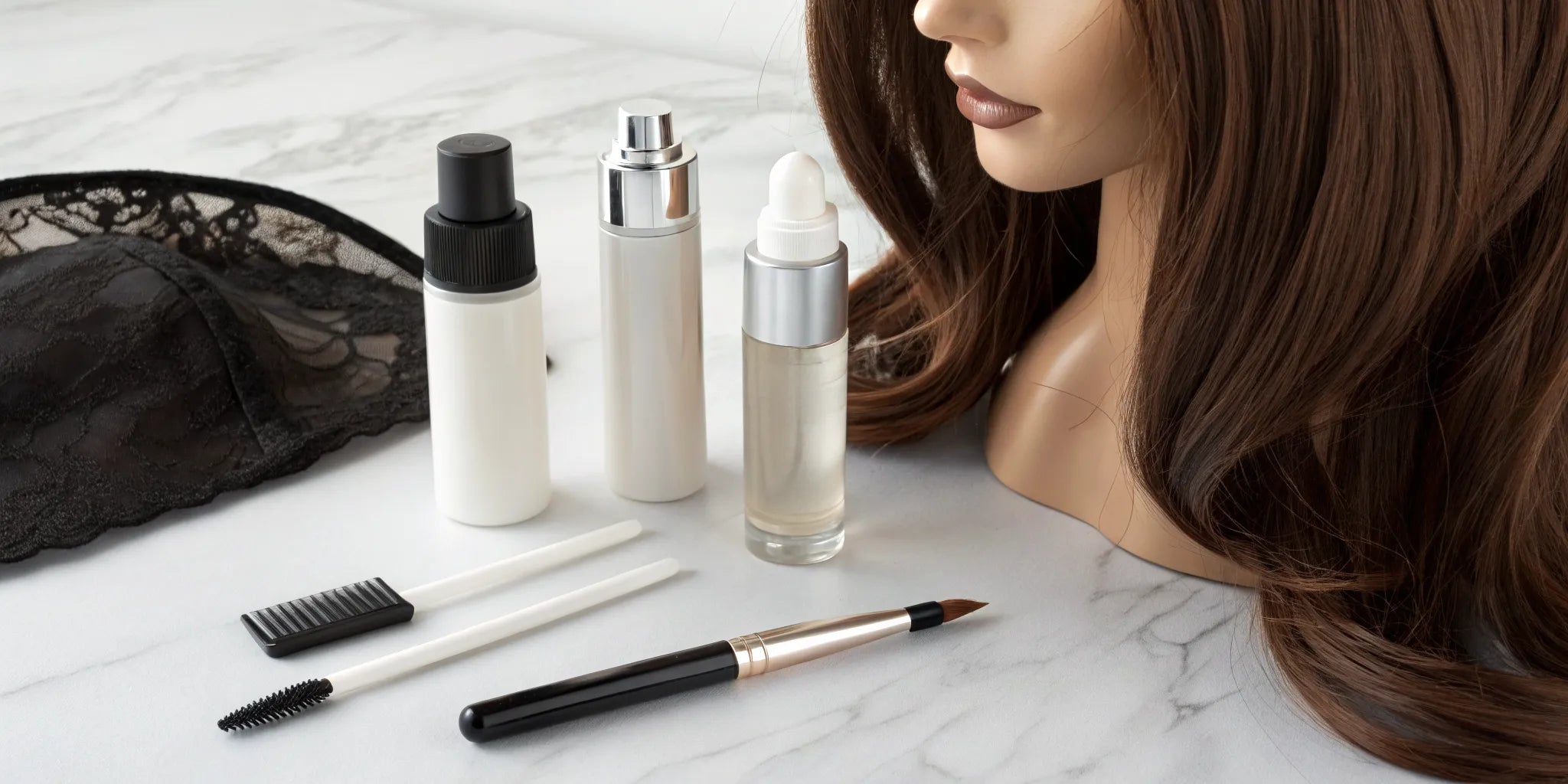
You don't have to spend a lot to get a secure hold. Many excellent, budget-friendly glues are available. A great way to get more for your money is to look for kits that bundle the adhesive with a remover, skin protector, or application tools. This often costs less than buying each item separately. Also, remember that glue isn't your only option for security. For a break from adhesives, consider using a wig grip or the adjustable straps that come with high-quality medical wigs. These methods can provide a reliable, glue-free hold for daily wear.
The Convenience of Adhesive Kits
If you're new to wearing a medical wig, adhesive kits can be a lifesaver. Instead of buying everything separately, these kits bundle the essentials together, often including the wig glue, a dedicated remover, and a skin protector. This approach is not only convenient but also budget-friendly, as buying the items in a bundle usually costs less than purchasing them one by one. It takes the guesswork out of the process, ensuring you have compatible products that are designed to work together. For anyone starting their journey with a cranial prosthesis, a kit is a simple and effective way to get all the necessary tools for a secure and comfortable application from day one.
What Are Melting Sprays and Do I Need One?
You may have heard about melting sprays, which are popular for creating an ultra-seamless hairline. These sprays are designed to be used with your adhesive to help "melt" the edge of the lace into your skin, making the transition virtually undetectable. Think of it as a finishing product that enhances the hold and appearance of your glue. While it’s not a mandatory step, a melting spray can be a great tool if you’re aiming for the most natural look possible. It’s especially useful for special occasions or any time you want that extra boost of confidence in your wig’s appearance.
Financial Resources for Your Cranial Prosthesis
We understand that a high-quality cranial prosthesis is a significant investment, especially when you're already managing medical expenses. The good news is that you don't have to handle this cost alone. There are several financial resources available to help make your medical wig more affordable, from health insurance coverage to non-profit assistance programs. Understanding your options can make a world of difference. At NYC Medical Wigs, we believe that everyone deserves to feel confident and comfortable, and we're committed to helping our clients explore every available avenue for financial support. Let’s go over the key resources that can help you obtain the perfect cranial prosthesis for your needs.
Understanding Insurance Coverage for Medical Wigs
One of the most common questions we get is whether health insurance will pay for a medical wig. In many cases, the answer is yes. Some health insurance plans may cover a portion or even the full cost of your wig when it's required for medical reasons. The key is to use the correct terminology: insurers recognize the term "cranial prosthesis" as a piece of durable medical equipment. Coverage varies widely between providers and plans, so it's important to check your specific benefits. We specialize in this process and can help you verify your insurance coverage with providers like Medicare, Medicaid, BCBS, Aetna, and more.
How a Cranial Prosthesis Prescription Can Help
Obtaining a prescription from your doctor is one of the most critical steps in securing insurance coverage. A prescription for a "cranial prosthesis" provides the official medical documentation that your insurance company needs to process the claim. It formally classifies the wig as a medical necessity due to hair loss from a condition like alopecia or chemotherapy, rather than a cosmetic choice. This simple document can significantly increase your chances of getting your claim approved, making it an essential part of the process.
Non-Profit Programs That Can Help
Beyond insurance, several non-profit organizations are dedicated to providing wigs to individuals experiencing medical hair loss. These groups operate on donations and community support to offer free or low-cost cranial prostheses to those in need. They understand the emotional impact of hair loss and work to restore confidence and a sense of normalcy for both adults and children. These programs are a wonderful testament to the power of community and can be an incredible resource if you are uninsured or your plan doesn't offer coverage.
Wigs For Kids, Locks of Love, and Hair We Share
Several well-known organizations provide this type of support. Groups like Wigs For Kids, Locks of Love, and Hair We Share collect hair donations to create high-quality hairpieces for those who have lost their hair due to medical conditions. Each organization has its own application process and specific focus, but all share the common goal of helping people feel like themselves again. The National Alopecia Areata Foundation offers a great list of these and other wig resources that you can explore.
Advocacy for Broader Coverage
It's also encouraging to know that there are ongoing efforts to make cranial prostheses more accessible for everyone. Patient advocacy groups are actively working to pass new laws that would require insurance companies and Medicare to cover the cost of medical wigs. This advocacy is crucial because it pushes for systemic change, aiming to ensure that all individuals who need a cranial prosthesis can get one without financial hardship. These efforts reinforce that a medical wig is not a luxury but an essential item for emotional well-being and recovery.
Related Articles
Frequently Asked Questions
What's the single most important step before trying a new wig glue? Always, always perform a patch test. Before you apply any new adhesive to your hairline, place a small dot of it on a less sensitive area of skin, like behind your ear. Wait a full 24 hours to see if any redness or irritation develops. This simple step is the best way to prevent a potential allergic reaction and ensure the glue is a comfortable match for your skin.
How can I make sure wig glue doesn't damage my skin or my wig? Proper technique is everything. When applying, use thin, even layers and let the glue get tacky before placing your wig. For removal, never pull or force the wig off. Instead, use a dedicated adhesive remover to gently dissolve the bond, allowing the wig to lift away easily. This protects both your skin from irritation and the delicate lace of your wig from tearing.
Do I really need a waterproof wig glue? It really depends on your lifestyle. A water-resistant glue is usually sufficient for handling daily sweat or humidity. However, if you exercise intensely, live in a very hot climate, or plan on swimming, a fully waterproof formula is your best bet. It provides that extra level of security so you can go about your activities without a single worry.
How long can I expect my wig to stay on with a good adhesive? The hold time varies quite a bit from product to product. Some glues are designed for daily wear, meaning you'll remove your wig at night. Others offer a much stronger, semi-permanent bond that can last for one to two weeks, or even longer. The product description will usually give you a good idea of its intended hold time, so you can choose one that fits your routine.
Are there good alternatives to wig glue for everyday wear? Absolutely. If you have very sensitive skin or just prefer not to use adhesives daily, a wig grip is a fantastic option. It’s a soft, velvety headband that uses friction to hold your wig securely in place without any chemicals. Many people find that a wig grip, combined with the wig's built-in adjustable straps, provides plenty of security for their daily activities.