The Human Hair Wig Guide: What to Know Before You Buy
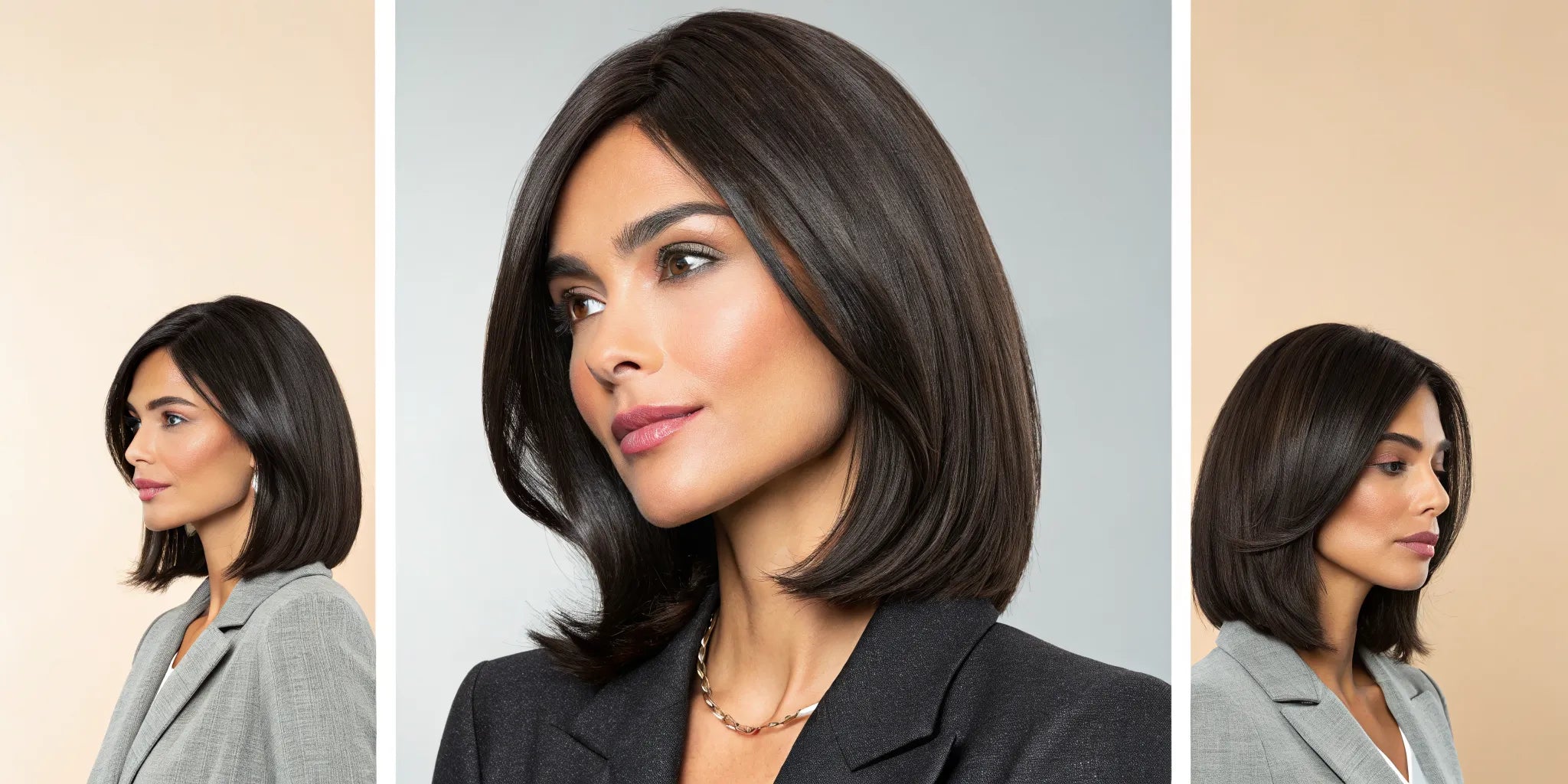
Let’s be honest: wigs have a bit of a reputation. You might worry they look fake, feel hot, or are a hassle to maintain. But it’s time to leave those outdated ideas behind. Modern wig technology has completely changed the game, especially for pieces designed for total comfort and realism. A high-quality straight human hair wig can be so natural, it’s completely undetectable. We’ll show you the secrets to a seamless hairline, why breathable caps are a game-changer, and the simple care routines that keep your human hair wig looking flawless for years.
Key Takeaways
- Prioritize the cap construction for a natural look: The secret to a wig that looks and feels real lies in its foundation. Features like a lace front for an invisible hairline and a monofilament top for a realistic scalp are essential for comfort and confidence.
- A professional consultation is your best first step: Working with a specialist helps you avoid common mistakes like choosing the wrong size or cap type. It's the most effective way to get accurate measurements and expert guidance on using your insurance benefits.
- Make a quality wig affordable and long-lasting: A premium wig is an investment in yourself, and you can make it more accessible by exploring insurance coverage for a "cranial prosthesis." Protect that investment with a consistent care routine to keep it looking beautiful.
What Types of Straight Wigs Can I Choose From?
When you start looking for a straight wig, you’ll quickly see there’s more to it than just length and color. The materials and the way a wig is made are what truly determine how it looks, feels, and fits into your life. Understanding these key differences is the first step to finding a piece you’ll absolutely love to wear. Let’s walk through the most important options so you can feel confident in your choice.
Synthetic vs. Human Hair: Which Is Right for You?
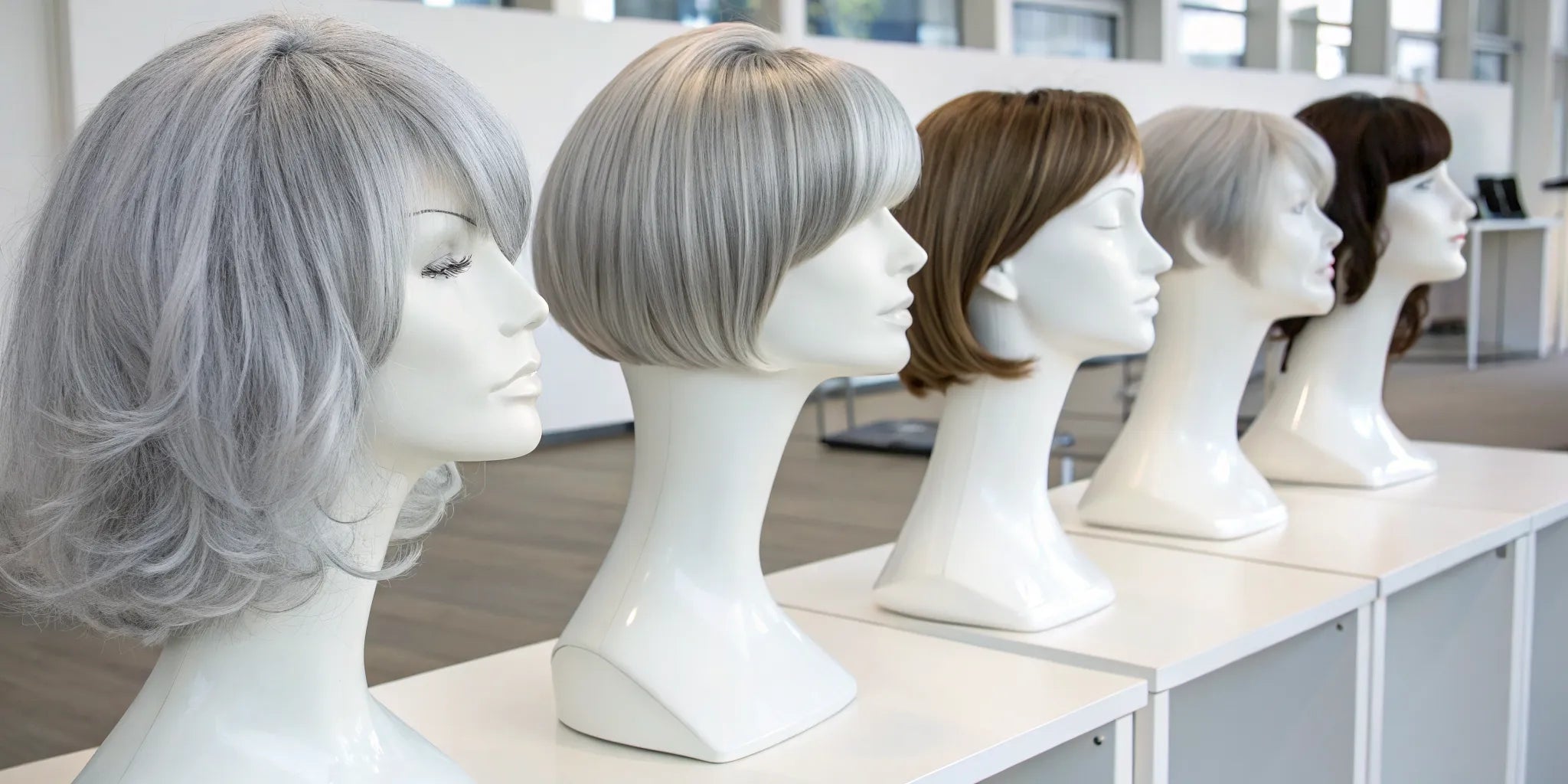
One of the first decisions you'll make is between synthetic and human hair. It's a common mistake to assume human hair is always better, but the right choice really depends on your lifestyle. A high-quality synthetic wig is a fantastic, low-maintenance option that comes pre-styled and holds its shape. On the other hand, our human hair medical wigs offer incredible styling flexibility, letting you curl, straighten, and color them. The key is quality; a good synthetic wig mimics the movement of natural hair, while a premium human hair wig feels soft and looks completely real.
Understanding Human Hair Quality: What Is Remy Hair?
If you’ve heard the term "Remy hair" while shopping for wigs, you might be wondering what makes it so special. It’s all about how the hair is collected. Remy hair is gathered in a way that keeps all the cuticles—the hair’s outer layer—intact and facing the same direction, just like your natural hair. This careful process is why Remy wigs feel so smooth and are far less likely to tangle or shed. Because the hair is less processed, wigs made from Remy hair also tend to last longer with proper care. It’s the gold standard for achieving that truly authentic look and feel, giving you the freedom to style it with confidence.
Lace Front vs. Full Lace: What's the Difference?
You’ll hear a lot about "lace" in the wig world, and for good reason. It’s the secret to an undetectable hairline. A lace front wig has a sheer panel of lace along the front where each hair is hand-tied, creating the illusion of natural growth. This lets you style the hair away from your face with confidence. A full lace wig takes this a step further, with the entire cap made of lace for maximum versatility, letting you part the hair anywhere or wear it in a high ponytail. When properly fitted, both styles blend seamlessly with your skin.
A Quick Guide to Wig Cap Construction
The cap is the foundation of your wig, and choosing the right one is essential for comfort, especially if you have a sensitive scalp. The wrong construction can feel itchy or insecure and affect how natural the wig looks. Beyond lace, you’ll find options like monofilament tops, which create a realistic scalp appearance and allow for multi-directional parting. Getting the right cap size is just as important, as a poor fit can slip or look bulky. A professional consultation is the best way to explore these options and ensure your wig feels as good as it looks.
Other Common Cap Types: Machine-Wefted and French Top
While lace and monofilament caps are top-tier for realism, you'll also come across other styles as you shop. Machine-wefted wigs are very common and are made by sewing wefts of hair onto a cap. This construction makes them durable and more affordable, but they often lack the breathability and natural scalp appearance of hand-tied options. Another style you might see is the French top, which uses a soft, lightweight fabric that’s incredibly comfortable, especially for sensitive scalps. It provides a realistic look and allows for multi-directional parting. Understanding these differences helps you appreciate why certain constructions are better suited for medical hair loss, where comfort and a seamless appearance are the highest priorities.
How to Find a High-Quality Wig Provider
Finding the perfect straight wig is a huge step, but where you buy it from is just as important as the wig itself. The right provider can make all the difference, turning a potentially overwhelming process into an empowering one. A great wig provider isn't just a store; they are a partner in your journey. They offer the expertise and support needed to help you find a wig that not only looks incredible but also feels comfortable and secure. This is especially true when you're looking for a wig for medical reasons, as your needs for comfort and a natural appearance are paramount.
Many common mistakes, like choosing the wrong wig size or not understanding the importance of cap construction, can be avoided by working with a knowledgeable specialist. They guide you past the pitfalls and ensure you invest in a piece that truly works for you. Instead of just clicking "add to cart" on a random website, look for a provider who prioritizes education, quality, and personalized service. Our entire approach is built around the belief that finding your wig should be a positive and supportive experience. You can learn more about our mission and what drives us as specialists dedicated to helping you feel like yourself again.
What Makes the NYC Medical Wigs Experience Different?
So, what makes a provider stand out? It comes down to a genuine commitment to your well-being. At NYC Medical Wigs, our focus is entirely on providing high-quality medical wigs and the support you need to wear them with confidence. We start with a personalized consultation to understand your specific needs, lifestyle, and desired look. This one-on-one attention ensures you find a wig that feels custom-made for you.
Because we specialize in medical wigs, we prioritize craftsmanship and use only the finest human hair. This commitment to quality means your wig will not only look beautifully natural but will also be durable and comfortable for sensitive scalps. We also know that cost can be a concern, which is why we actively help our clients use their insurance benefits to make a premium wig more accessible.
What to Look for in a Wig Specialist
When you’re meeting with a wig specialist, you should feel heard, supported, and confident in their expertise. A true professional will be deeply knowledgeable about the different types of wigs available, from hair quality to the nuances of cap construction. They should be able to clearly explain the benefits of a lace front versus a monofilament top and help you choose the best option for a natural-looking hairline and scalp.
Beyond the initial purchase, look for a specialist who offers ongoing support. They should provide practical care tips and maintenance advice to help you protect your investment, and you can often find helpful information in their frequently asked questions. Most importantly, a great specialist has a keen eye for fit. They will help you take accurate measurements and make sure your wig is secure and comfortable for all-day wear, preventing any slipping or discomfort.
Tips for Shopping and Research
Once you know what to look for in a provider, it’s time to start your search. This is where a little bit of homework can save you a lot of time and potential frustration. The goal is to find a specialist who not only offers beautiful, high-quality wigs but also provides the compassionate support you deserve. Combining online research with an in-person visit is the most effective way to make a confident decision. This two-step approach helps you verify a provider’s reputation and then experience their service and products firsthand, ensuring there are no surprises.
Doing Your Own Research with Online Reviews
Before you book any appointments, spend some time online. Look for reviews on Google and other platforms, but read beyond the star ratings. Pay attention to what clients say about their experience. Did they feel supported? Was the specialist knowledgeable? Did the wig meet their expectations for quality and comfort? A provider’s website is also a great resource. You can often get a feel for their values and approach to client care. For example, you can learn more about our mission and what drives us as specialists dedicated to helping you feel like yourself again. Look for a provider whose focus is on partnership, not just a quick sale.
The Importance of Trying Wigs On In-Person
While online research is a great starting point, nothing replaces an in-person consultation. This is your chance to feel the quality of the hair, see how a lace front melts into your skin, and most importantly, get a perfect fit. Many common mistakes, like choosing the wrong wig size or not understanding the importance of cap construction, can be avoided by working with a knowledgeable specialist. A professional consultation ensures you get accurate measurements and find a cap that feels secure and breathable. It turns a potentially overwhelming process into an empowering one, making sure you walk away with a wig you truly love.
How to Choose Your Perfect Straight Wig
Finding the perfect wig is about more than just hair; it’s about finding a piece that feels like an extension of you. When you’re looking for a straight wig, several key factors come together to create that seamless, natural look you deserve. Thinking through these details beforehand will help you feel confident and prepared when you start shopping. From the type of hair used to the way the cap is built, each element plays a vital role in the final look, feel, and comfort of your wig.
Let’s walk through the five most important things to consider. This isn't about finding a wig that simply looks good, but one that fits your lifestyle, complements your features, and makes you feel incredible. By focusing on quality, construction, and personal style, you can find a straight wig that you’ll love to wear every single day.
Finding the Right Hair Quality and Texture
The first choice you’ll likely make is between human and synthetic hair. While synthetic wigs are often more budget-friendly and hold their style easily, they don't offer the same natural movement or styling versatility as human hair. For the most realistic look and feel, a human hair wig is the gold standard. You can style it with heat, wash it, and care for it much like your own hair. At NYC Medical Wigs, we specialize in human hair medical wigs because we believe quality and realism are essential for your comfort and confidence, especially during a challenging time.
Prioritizing Comfort with the Right Cap
How a wig feels is just as important as how it looks. The cap is the foundation of your wig, and its construction directly impacts comfort, breathability, and how natural the hairline appears. A lace front cap, for example, creates a seamless transition at your forehead, while a monofilament top mimics natural hair growth from the scalp. For those with sensitive skin due to medical treatments, choosing a comfortable, well-fitted cap is non-negotiable. A professional consultation can help you understand which cap construction is best for your needs, ensuring a secure and comfortable fit all day long.
Choosing Your Ideal Density and Volume
Density refers to the thickness of the hair on the wig. The goal is to find a density that looks believable and natural for you. A wig that’s too dense can look bulky and artificial, while one with too little density might not provide the coverage you want. A medium density is often the most popular choice because it closely mimics the fullness of natural hair. Think about your own hair or the look you want to achieve. The right density will make your wig look less like a wig and more like your own beautiful hair.
Getting a Perfect, Natural Color Match
Finding the right color is key to making a wig look like it truly belongs to you. The perfect shade will complement your skin tone and brighten your features. It’s a good idea to look for a provider that offers a wide range of natural colors and even customization options like highlights or lowlights. Don’t be afraid to step slightly outside of your natural color, either. This can be a fun opportunity to try a new shade you’ve always been curious about. You can browse our collection of wigs to see the variety of rich, multi-dimensional colors available.
Picking Your Ideal Length and Style
Finally, consider the length and style that best suits your face shape and lifestyle. Straight wigs are incredibly versatile, ranging from chic, short bobs to long, flowing styles. Think about your daily routine. Do you need a low-maintenance look you can wear to work, or are you looking for something more glamorous? While it’s helpful to consider what styles flatter your face shape, the most important factor is what makes you feel confident and beautiful. Your wig should be a reflection of your personal style, so choose a length that you’ll be excited to wear.
Do You Need a Medical or a Fashion Wig?
When you start looking for a wig, you’ll see two main categories: medical and fashion. While they might look similar at first glance, they are built for very different purposes. A fashion wig is designed for temporary style changes, while a medical wig is thoughtfully constructed for someone experiencing hair loss from conditions like alopecia or chemotherapy. Your choice depends entirely on your personal needs, but if you’re looking for a wig to wear daily due to hair loss, understanding the benefits of a medical-grade wig is the first step toward finding a comfortable, confident fit.
What Makes a Wig "Medical-Grade"?
A medical wig is defined by its superior construction, designed specifically for a sensitive scalp. Unlike fashion wigs that can have rougher, machine-made caps, medical wigs often feature soft, lightweight, and breathable materials. Many have a monofilament top or a hand-tied cap, which creates the illusion of natural hair growth and allows for multi-directional parting. This careful craftsmanship ensures the wig feels secure and gentle, preventing irritation during all-day wear. Our collection of human hair medical wigs is built with these principles in mind, prioritizing a realistic look and exceptional comfort so you can feel like yourself again.
Can Insurance Help Cover the Cost?
One of the most significant advantages of choosing a medical wig is the potential for insurance coverage. When prescribed by a doctor, a medical wig is considered a "cranial prosthesis," making it a medical necessity rather than a cosmetic accessory. This distinction means many health insurance plans offer full or partial reimbursement, making a high-quality wig much more accessible. The process can seem complicated, but you don't have to figure it out alone. We specialize in guiding clients through their insurance benefits, and we can help you understand your coverage during a private consultation.
Why Comfort Is Key for Sensitive Scalps
For anyone going through medical treatments, comfort is non-negotiable. A sensitive scalp requires materials that are soft, hypoallergenic, and won't cause friction or irritation. Medical wigs are made with this in mind, using gentle fabrics and featuring adjustable straps for a secure, custom-like fit that won’t shift or feel too tight. This focus on comfort is about more than just the physical feeling; it’s about giving you the peace of mind to go about your day without worrying about your wig. A well-fitted, comfortable wig provides a sense of normalcy and confidence when you need it most.
The Emotional Impact of Medical Hair Loss
Losing your hair, especially due to a medical condition, is a deeply personal experience that goes far beyond the physical change. It can feel like you’re losing a piece of your identity, and the emotional toll of feeling sad or worried is completely valid. For many, hair is a form of self-expression, and its loss can shake your confidence to the core. This is where a well-made wig can be so much more than just an accessory; it’s a way to reclaim a sense of self and normalcy. Studies have shown that wearing a wig can help people feel more confident and at ease during a difficult time. Finding a piece that looks and feels natural allows you to face the world feeling like yourself again, giving you one less thing to worry about.
Common Straight Wig Myths, Debunked
If you're new to the world of wigs, you've probably heard a few things that give you pause. Misconceptions about wigs are everywhere, and they can make the process of finding the right one feel overwhelming. Straight wigs, in particular, seem to attract a lot of myths, from looking fake to being a hassle to wear. It’s time to set the record straight.
The truth is, wig technology has come a long way. The clunky, obvious wigs of the past are nothing like the sophisticated, comfortable pieces available today. High-quality medical wigs are designed with the wearer's comfort and confidence in mind, blending advanced construction with premium materials. Let's walk through some of the most common myths and replace them with the facts, so you can feel confident and excited about your options.
Myth: They never look natural
This is probably the biggest fear for anyone considering a wig, but it’s one you can put to rest. The idea that a wig will look like a "wig" is based on outdated designs. Modern wigs, especially those made from 100% human hair, are crafted to look incredibly realistic. Features like a lace front create a seamless, invisible hairline, while a monofilament top gives the appearance of a natural scalp with individual hairs. When properly fitted and styled, a high-quality straight wig from our collection can be completely indistinguishable from your own hair.
Practical Tips for a Realistic Hairline
The secret to a truly undetectable wig is all in the hairline. A lace front wig is your best friend here. It has a sheer panel of lace along the front where each hair is hand-tied, creating the illusion of natural growth. This lets you style the hair away from your face with confidence. The cap is the foundation of your wig, and its construction directly impacts how natural the hairline appears. A lace front cap creates a seamless transition at your forehead, while a monofilament top mimics natural hair growth from the scalp. Choosing a comfortable, well-fitted cap is non-negotiable, and a professional consultation is the best way to find the perfect construction for your needs.
Common Mistakes That Make a Wig Look Fake
A wig can look unnatural, but it's usually due to a few common and avoidable mistakes. The most frequent error is choosing the wrong size. A wig that's too big can look bulky and slip, while one that's too small can be uncomfortable and create an unflattering line. Another misstep is ignoring the cap's construction; a dense, machine-made front just won't look as real as a hand-tied lace front. Many of these mistakes can be avoided by working with a knowledgeable specialist who can guide you. Ultimately, quality is key. Investing in a well-made piece from a trusted provider is the surest way to get a wig that looks and feels like your own hair.
Myth: They're a hassle to maintain
While a quality human hair wig is an investment, caring for it doesn't have to be complicated. Think of it like caring for your own hair, just with a few specific steps. Many human hair wigs can be styled just like natural hair, and the maintenance routine is straightforward. With the right sulfate-free products, gentle washing techniques, and proper storage, your straight wig will maintain its beautiful, sleek appearance. We guide all our clients on the best care practices to ensure their wig lasts and always looks its best.
Myth: You're stuck with just one style
One of the best things about a human hair wig is its versatility. Unlike synthetic wigs that can be sensitive to heat, a human hair wig gives you the freedom to change your look. You can absolutely curl, straighten, or braid your straight wig to match your mood or occasion. Just be sure to use a heat protectant and keep your styling tools on a low to medium setting. This flexibility means you aren't locked into one style; you have a beautiful foundation that you can truly make your own.
Myth: They're always hot and itchy
Comfort is key, especially if you're wearing a wig due to medical hair loss and may have a sensitive scalp. Thankfully, modern wig caps are designed to be lightweight and breathable. Gone are the days of heavy, hot wigs. Today’s cap constructions use materials that allow for air circulation, preventing overheating and discomfort. During a personal consultation, we can help you find a cap design that feels secure and comfortable enough for all-day wear, so you can forget you even have it on.
How to Care for Your Straight Human Hair Wig
Investing in a high-quality straight wig is the first step; learning how to care for it is the next. A few simple habits will keep your wig looking flawless and feeling soft for years. Proper care protects the hair fibers, maintains the cap’s shape, and ensures your wig always looks natural. It's a simple routine to protect your investment and your confidence.
Your Daily Wig Care Routine
A little daily attention goes a long way. Always brush your wig starting from the ends and gently working up to the roots with a wide-tooth comb to prevent tangles. If your wig feels warm, know that many modern medical wigs are designed with lightweight caps and vents for better airflow. At the end of the day, give it a final, gentle brush-through before placing it on its stand.
Important Habits: Sleeping and Heat Styling
Let's talk about two big questions: sleeping and styling. To keep your wig in top shape, it's best to avoid sleeping in it. The friction against a pillow can cause tangles and wear on the hair. If you absolutely must, use a silk or satin pillowcase to help reduce friction. When it comes to styling, one of the joys of a human hair wig is that you can use heat tools. However, always apply a heat protectant spray first and keep the temperature on a low to medium setting. Too much direct heat, especially from a blow dryer at the roots, can loosen the hand-tied knots and lead to shedding. Treating your wig with this extra care ensures it stays beautiful for as long as possible.
How to Properly Wash and Condition Your Wig
Washing keeps your wig fresh. Plan to wash it after 14 to 18 wears, or weekly if you’re very active. Always use a gentle, wig-specific shampoo and conditioner. In a basin of cool water, let your wig soak with shampoo for a few minutes. Gently swish it, then rinse. Apply conditioner, let it sit, and rinse again. Blot out excess water with a towel (never wring it!) and let it air dry on a wig stand.
How Often Should You Wash Your Wig?
So, how often is "often enough"? A good rule of thumb is to wash your wig after about 14 to 18 wears. However, this isn't a strict rule—it's more about your lifestyle. If you're very active, live in a humid climate, or use a lot of styling products, you might find that washing it weekly is best to keep it fresh. On the other hand, if you only wear your wig occasionally, you can stretch that time out. The goal is to find a balance. You want to remove any buildup without over-washing, which can strip the hair. With proper care, a human hair wig can last for years, and a consistent washing routine is a huge part of that.
The Best Way to Store and Style Your Wig
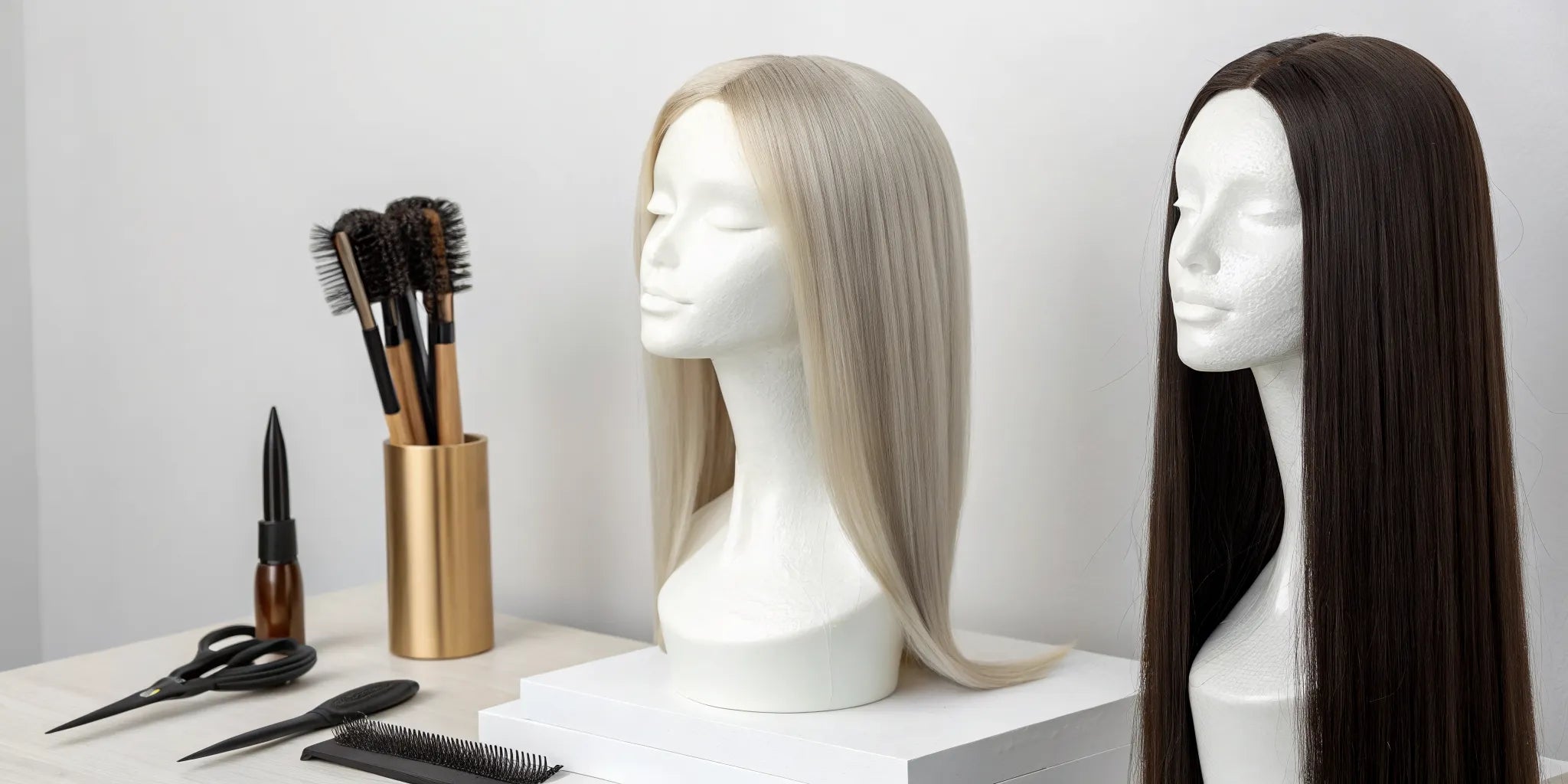
Proper storage is key to maintaining your wig’s shape. Always keep it on a mannequin head or a wig stand when not in use to prevent the cap from stretching and the hair from tangling. Store it away from direct sunlight and heat. For styling questions, a professional consultation can clarify what’s possible. Human hair wigs are versatile, but always use a heat protectant spray and keep styling tools on a low setting.
Protecting Your Wig from Heat and Humidity
Heat and humidity can be tough on wigs. For human hair, manage frizz with anti-frizz serums or a silk scarf on humid days. It’s crucial to remember that most synthetic wigs cannot be styled with heat. A curling iron can permanently damage the fibers unless the wig is labeled "heat-friendly." Always check your wig's care instructions to ensure you’re using the right techniques to keep it looking its best.
Lifespan and Replacement
A high-quality human hair wig is a significant investment in your confidence and daily comfort. Like any cherished, frequently used item, it has a natural lifespan. Understanding how long your wig will last and knowing the signs that it’s time for a new one helps you get the most value from your purchase. With the right care and a few smart strategies, you can keep your wig looking beautiful for as long as possible and plan for the future without any surprises.
Typical Lifespan of a Human Hair Wig
With consistent, proper care, you can expect a premium human hair wig to last between one and three years. The biggest factor influencing its lifespan is how often you wear it. A wig worn daily will naturally experience more wear than one worn a few times a week. This is why the quality of the hair and construction is so important. Our human hair medical wigs are crafted for durability, but their longevity ultimately depends on the care they receive. Following a gentle washing routine and storing your wig correctly are the best things you can do to protect the hair and extend its life.
Signs It's Time for a Replacement
Even the best-cared-for wig will eventually show its age. The first sign is often a change in texture; the hair might start to feel dry or brittle and lose its silky movement. You may also notice excessive tangling that doesn't resolve with gentle combing or conditioning. Increased shedding is another key indicator. While losing a few strands is normal, finding significant amounts of hair in your brush or after washing means the wig is nearing the end of its life. Finally, check the cap itself. If it has become stretched out, lost its shape, or has any tears, it’s time to start looking for a replacement.
How Rotating Wigs Extends Their Life
One of the best ways to extend the life of your favorite wig is to not wear it every single day. Having a second wig to rotate into your schedule dramatically reduces the wear and tear on each piece. It gives the hair and cap a chance to "rest" and air out, which also means you won't have to wash them as frequently. This simple strategy can significantly prolong the lifespan of both wigs. During a personal consultation, we can help you explore options for building a small wig wardrobe and even discuss how your insurance benefits might be used over time to make it more manageable.
How to Get a Perfect, Secure Fit
Finding a wig that looks beautiful is only half the battle; ensuring it feels comfortable and stays put is what gives you true confidence. A wig that’s too tight can cause headaches, while one that’s too loose creates constant worry. The good news is that achieving a secure, natural-feeling fit is straightforward. It all comes down to getting your measurements right, understanding the wig’s features, and leaning on expert advice. Let’s walk through the simple steps to find a wig that feels like it was made just for you.
How to Measure Your Head for a Wig
Before you start browsing, the most important first step is to measure your head. Choosing the wrong size is a common mistake that leads to a wig that either pinches your scalp or shifts during the day. To get it right, grab a soft, flexible measuring tape. Wrap it around the circumference of your head, starting at your front hairline, running it behind your ears to the nape of your neck, and back to the front. This measurement is your key to finding the right size. You can find more details on sizing in our frequently asked questions to ensure you have all the information you need.
Using Adjustable Caps for a Custom Fit
Modern wigs are designed with comfort and flexibility in mind. Many high-quality wigs feature adjustable straps inside the cap, usually at the back. These little hooks or velcro tabs allow you to tighten or loosen the wig by an inch or more for a truly customized fit. This feature is a game-changer, especially if your head size falls between standard measurements. When you shop for a wig, look for adjustable caps in the product description. They provide that extra security that helps you go about your day without giving your wig a second thought.
Why a Professional Fitting Matters
While measuring at home is a great start, nothing beats personalized, expert advice. A professional consultation helps you sidestep any guesswork and find your perfect match from the start. A specialist can confirm your measurements, recommend the best cap construction for a sensitive scalp, and suggest styles that flatter your face shape. This is especially valuable when you’re investing in a human hair wig. We offer a complimentary consultation to guide you through every step, ensuring you leave with a wig that looks incredible and feels even better.
How to Afford a High-Quality Human Hair Wig
A beautiful, high-quality wig is an investment in your confidence and comfort. While the price tag can seem daunting, several strategies can make your ideal wig more accessible. Thinking ahead and exploring your options can significantly reduce the cost without compromising on the quality you deserve. From special client programs to insurance benefits, let's walk through the best ways to make your purchase more affordable.
Finding Exclusive Offers and Client Programs
Many wig specialists appreciate their clients and show it through special offers. When you start your search, look for providers that have first-time customer discounts or loyalty programs. These perks are designed to make your initial purchase easier and reward you for your continued business. Signing up for a company’s email newsletter is often the best way to get access to these deals. It’s a simple step that can lead to significant savings on your first or next human hair wig. These programs show that a provider is invested in building a long-term relationship with you.
Taking Advantage of Seasonal Promotions
Patience can pay off when it comes to purchasing a wig. Many retailers run promotions during holidays or specific times of the year, like Black Friday or end-of-season sales. Following your preferred wig providers on social media or subscribing to their mailing lists will keep you informed about these opportunities. Planning your purchase around these events can help you secure a premium wig at a much lower price. While it requires a bit of waiting, timing your purchase with a seasonal sale is one of the easiest ways to save money on a high-quality piece that will last for years.
Using Your Insurance Benefits to the Fullest
If you need a wig due to a medical condition like alopecia or chemotherapy-induced hair loss, your health insurance may cover the cost. In insurance terms, a medical wig is called a "cranial prosthesis." Many plans offer full or partial coverage for one, but the process can feel complicated. The first step is to call your insurance provider and ask about your specific benefits for a cranial prosthesis. At NYC Medical Wigs, we specialize in this process. We can provide the documentation you need and guide you every step of the way. You can schedule a consultation with us to discuss your options and get expert help with your insurance claim.
What Goes Into the Price of a Quality Wig?
When you first start looking at high-quality wigs, the prices can feel a little surprising. It’s helpful to think of a great wig not just as a purchase, but as an investment in your comfort, confidence, and daily life. The price tag reflects the incredible artistry, premium materials, and advanced construction techniques that go into creating a piece that looks and feels completely natural. A well-made wig will not only last longer but will also provide the comfort and security you need, especially if you’re dealing with a sensitive scalp from medical treatments.
While a lower-priced wig might seem like a good deal initially, it often comes with compromises in quality, comfort, and durability. Investing in a premium piece means you’re paying for hair that moves naturally, a cap that feels comfortable for all-day wear, and a style that holds up over time. Our collection of human hair medical wigs is designed with these principles in mind, ensuring you get a beautiful wig that truly serves you. Understanding what goes into the cost can help you make a confident choice that you’ll be happy with for years to come. It’s about finding a solution that integrates seamlessly into your life, rather than one you have to constantly fuss with or feel self-conscious about.
How Hair Type and Origin Affect the Price
The most significant factor in a wig’s price is the hair itself. Many first-time buyers make the mistake of choosing a human hair wig when they really want a low-maintenance option, or going for a synthetic wig when they need styling flexibility. Human hair wigs are more expensive because they offer the most natural look and feel, plus the versatility to style them with heat, just like your own hair. On the other hand, high-quality synthetic wigs are a fantastic, more affordable option. They come pre-styled and hold their shape, making them incredibly easy to care for. The trade-off is that most cannot be heat-styled, but for a grab-and-go solution, they are perfect.
Breaking Down the Cost: What Are You Paying For?
Beyond the hair type, the craftsmanship plays a huge role in the price. Features like a hand-tied construction, where each hair is individually tied to the cap, and bleached knots create a natural look that blends seamlessly with your scalp. A quality wig cap is also essential for comfort. You’re paying for details like a monofilament top that allows for multi-directional parting or a lace front that creates an invisible hairline. Good synthetic wigs should mimic the movement and texture of natural hair, while human hair wigs should be soft and not overly processed. A professional consultation can help you identify these key features in person and find the best fit for your needs.
Understanding Wig Price Ranges
Wig prices can range from under a hundred dollars to several thousand, and it's natural to wonder why. The difference comes down to quality, craftsmanship, and the materials used. A lower-priced wig is often synthetic and machine-made, designed for occasional, short-term wear. As you move up in price, you'll find premium synthetic and human hair options with features like hand-tied caps and lace fronts for a more realistic look. At the higher end, you are paying for the finest human hair and meticulous construction that makes a wig comfortable enough for daily wear. It's helpful to see a quality wig as an investment in your confidence and daily comfort, not just a temporary accessory.
The Connection Between Cost and Customization
A higher price often reflects the ability to customize your wig, which is essential for achieving a look that feels truly yours. Off-the-shelf wigs come in standard colors and cuts, but a premium piece can often be professionally colored, trimmed, and styled to perfectly match your preferences and flatter your features. This level of personalization is what transforms a wig from a hairpiece into an extension of your own style. It’s a service that specialists excel at, ensuring the final result is seamless and undetectable. During a personal consultation, we can explore all the ways to tailor a wig to create your ideal look.
Always Check the Return Policy and Warranty
A wig is a deeply personal item, so it’s important to know what your options are if it isn’t the right fit. Before you buy, always check the company’s return and exchange policy. A reputable provider will have clear guidelines and will stand behind the quality of their products. This is your safety net, ensuring you don’t get stuck with a piece that doesn’t meet your expectations. Also, ask about any warranties that might cover manufacturing defects. Knowing the specifics of your wig is key; for example, if you plan to use heat, you need to "make sure you have a human hair or heat-resistant wig, use a low temperature and go carefully." You can often find these details on a company's FAQ page.
Related Articles
- What Is a Full Lace Wig? The Ultimate Guide
- The Smart Shopper's Guide to the Best Wig Store
- The Ultimate Guide to Lace Front Wigs
Frequently Asked Questions
What's the biggest difference between a medical wig and one I can buy online? The main difference comes down to the cap construction. A medical wig is specifically designed for comfort, especially for a sensitive scalp. It uses softer, more breathable materials and often features hand-tied elements to prevent irritation. While you can find wigs online, a medical-grade piece prioritizes a secure, gentle fit for all-day wear, which is something a standard fashion wig isn't built for.
How do I make sure my wig looks completely natural and not like a wig? A natural look is achieved through a combination of three things: high-quality hair, a great cap, and a perfect fit. A human hair wig will have the most realistic movement and texture. Features like a lace front and a monofilament top create an undetectable hairline and the appearance of a real scalp. Finally, a wig that is properly sized and fitted to your head will look seamless and feel secure.
I'm overwhelmed by the cost. Can my insurance really help? Yes, it absolutely can. If your hair loss is due to a medical condition, your doctor can write a prescription for a "cranial prosthesis," which is the medical term for a wig. Many insurance plans provide coverage for this. The first step is to find out what your specific plan covers, and we can help you with that process during a consultation.
How much daily work is involved in caring for a human hair wig? Caring for a human hair wig is less complicated than you might think. It requires a simple routine of gentle brushing with a wide-tooth comb, starting from the ends and working your way up. When you're not wearing it, storing it on a wig stand will help maintain its shape and prevent tangles. It's a small daily habit that protects your investment and keeps the hair looking beautiful.
What if I buy a wig and the fit isn't right? A secure fit is everything, which is why getting your measurements right from the start is so important. Most quality wigs come with adjustable straps inside the cap, which allow you to fine-tune the fit for comfort. However, the best way to avoid any sizing issues is to have a professional consultation. A specialist can ensure your measurements are accurate and help you choose a cap that will feel custom-made for you.