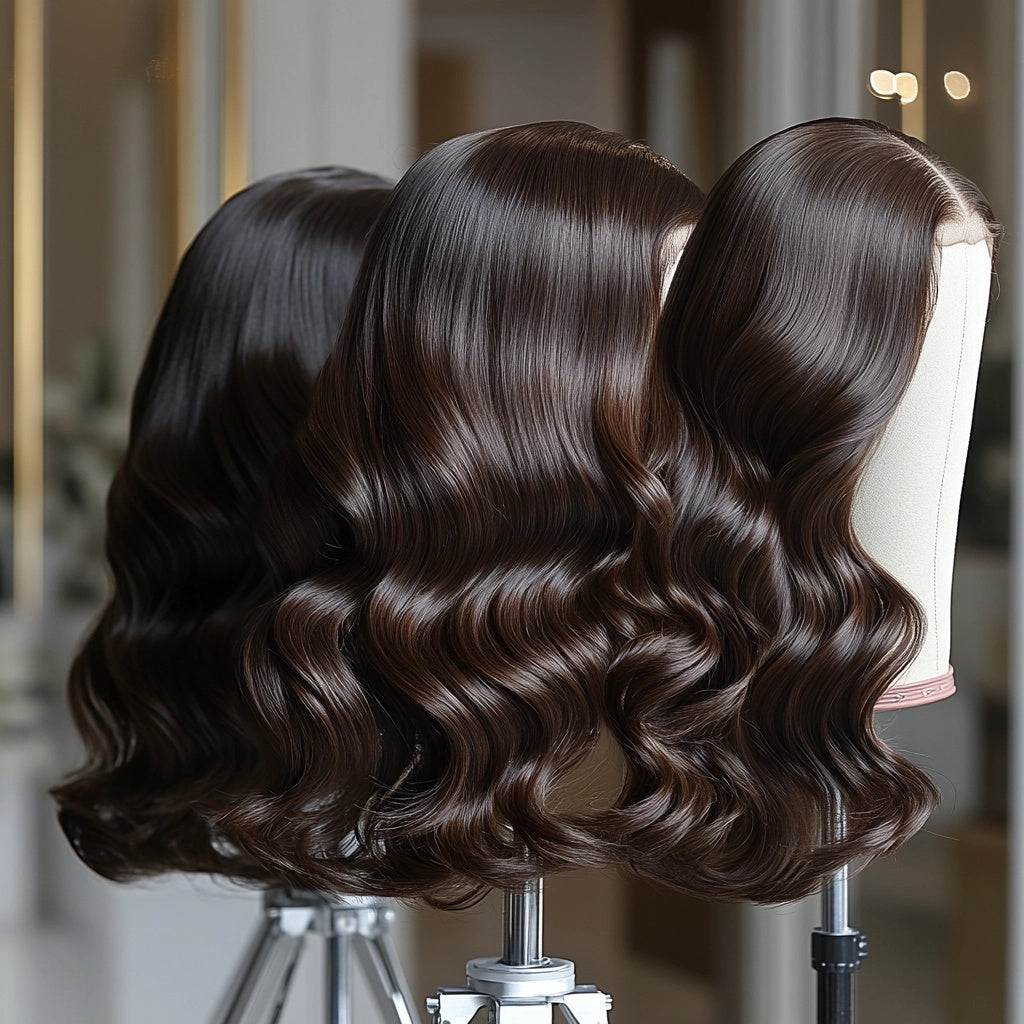
Hair Wig Extensions: Pros, Cons & What to Pick
You've found the perfect piece from NYC Medical Wigs Hair, and it looks incredible. But how do you keep it that way? The secret to long-lasting, beautiful hair wig extensions isn't complicated—it's all about proper care. A simple routine can make all the difference, extending the life of your investment and ensuring it stays as soft and silky as the day you got it. I'll walk you through the essential tips to maintain your wigs and extensions, so they remain stunning for months to come.
Wigs vs. Hair Extensions: What's the Difference?
Deciding between a wig and hair extensions can feel like a big choice, but it gets easier once you understand the fundamental differences. Both can dramatically change your look, but they function in very distinct ways. A wig is essentially a full cap of hair that covers your entire scalp, offering a complete transformation of your hairstyle, color, and length in an instant. It’s a fantastic option for anyone seeking total coverage, whether for stylistic reasons or due to hair loss. Wigs act as a protective style, giving your natural hair a rest from daily styling and environmental stress.
On the other hand, hair extensions are individual wefts or strands of hair that are attached to your own natural hair. Their purpose is to add length, volume, or even pops of color without covering your whole head. Unlike wigs, extensions are meant to blend in seamlessly with your existing hair to enhance what you already have. They require you to have some natural hair to attach them to, and the application methods can range from temporary clip-ins to more long-term, professionally installed options. The key takeaway is that wigs provide full coverage, while extensions augment your natural hair.
Defining Wigs and Hair Extensions
Let's break it down simply. Think of a wig as a complete, ready-to-wear hairstyle. It sits on top of your head, concealing your natural hair underneath a cap. This makes it an ideal solution for individuals experiencing significant hair thinning or loss from medical conditions, as it provides uniform coverage and a natural-looking hairline. Wigs come in countless styles, from chic bobs to long, flowing layers, allowing you to change your entire look without any commitment or alteration to your own hair. They are the ultimate accessory for reinvention and a reliable solution for consistent coverage.
Hair extensions, in contrast, are all about enhancement. They are strands of hair that integrate with your own hair to boost its volume or length. You can’t create a full head of hair with extensions alone; they rely on your existing hair as a base. For example, if you have fine hair and want to make your ponytail look thicker, or if you’re growing out a short cut and want to add a few inches, extensions are the perfect tool. They are designed to be discreet, blending in to create a fuller, longer version of your natural style.
Pros and Cons of Each Option
When you're weighing your options, it helps to look at the benefits and drawbacks of each. Your lifestyle, hair condition, and ultimate goals will guide you toward the right choice. Both wigs and extensions offer beautiful results, but they provide different experiences. One might offer more versatility, while the other provides better protection for your natural hair. Considering these points carefully will help you make a decision you feel confident and happy with, ensuring your new hair not only looks great but also fits seamlessly into your daily life.
Advantages and Disadvantages of Hair Extensions
Hair extensions are fantastic for adding targeted volume and length, and they often look incredibly natural when applied correctly. You can try out different styles without permanently altering your hair, and they can last for several months if you opt for a semi-permanent method. However, they do come with some downsides. If they aren’t installed properly or are too heavy, they can cause tension and damage to your natural hair and follicles. This is a critical consideration, especially if your hair is already fragile. Synthetic extensions can also be prone to tangling and may not last as long as those made from human hair.
Advantages and Disadvantages of Wigs
Wigs offer unmatched versatility and protection. You can completely change your hair color, length, and style in minutes without any risk of damaging your natural hair. For those with sensitive scalps or hair loss, wigs provide full coverage and give your natural hair a break from styling and environmental factors. The main drawback is that a high-quality, natural-looking wig is an investment. While synthetic options are available, a premium human hair wig provides the most realistic appearance and feel. With proper care, a good wig can last a long time, but it does require regular maintenance to keep it looking its best.
Exploring Your Options: Types and Materials
Once you have a general idea of whether a wig or extensions might be right for you, the next step is to explore the specific types and materials available. The world of hair solutions is vast, with options to suit nearly every preference and need. From temporary extensions you can put in yourself to luxurious, handcrafted human hair wigs, the choices can seem endless. Understanding the differences in application methods for extensions, and the materials used for both wigs and extensions, is key to finding a product that not only looks amazing but also feels comfortable and fits your lifestyle.
The material your wig or extensions are made from will have the biggest impact on their appearance, longevity, and how you care for them. The primary choice is between natural human hair and synthetic fibers. Each has its own set of benefits, and the best one for you depends on your budget, how often you plan to wear the hair, and how much time you want to spend on styling. Similarly, the texture of the hair—whether it's straight, wavy, or curly—should be chosen to either match your natural hair or achieve the specific look you’re going for.
Common Types of Hair Extensions
Hair extensions come in several different application types, which are generally grouped into two categories: temporary and semi-permanent. Temporary options, like clip-ins, are perfect for special occasions or for those who don't want to commit to wearing extensions every day. You can simply clip them into your hair in the morning and take them out at night. They are easy to use and place minimal stress on your natural hair, making them a great entry point into the world of extensions if you're just looking to experiment with a fuller or longer look for an event.
Semi-permanent methods are for those seeking a more long-term solution. These include tape-ins, sew-ins, and fusion or micro-bead extensions, all of which need to be professionally applied and maintained. They can last for several weeks or even months before they need to be adjusted or replaced. While they offer a more integrated and lasting result, it's crucial to go to a skilled stylist for application and removal to prevent damage to your natural hair. These methods require a greater commitment in terms of both time and cost, but they provide a seamless look you can wear daily.
Temporary vs. Semi-Permanent Methods
The biggest difference between temporary and semi-permanent extensions is the commitment level. Clip-ins offer ultimate flexibility. You can decide day by day if you want extra volume or length, and they are by far the gentlest option for your natural hair since they aren't worn continuously. This makes them ideal for anyone with fine or fragile hair who is concerned about potential damage. On the flip side, semi-permanent extensions become a part of your daily look. You can wash, style, and sleep with them in, offering a convenience that temporary methods lack. However, this constant wear means you must be diligent with maintenance to keep both the extensions and your natural hair healthy.
Hair Materials: Human vs. Synthetic
The choice between human and synthetic hair is a significant one. Human hair, like the kind used in our luxury medical wigs, offers the most natural look and feel. It can be styled with heat, colored, and washed just like your own hair, giving you incredible versatility. It also moves and shines naturally, making it virtually indistinguishable from the real thing. While it is a bigger investment upfront, its durability and realistic appearance make it a worthwhile choice for daily wear. Synthetic hair, on the other hand, is more budget-friendly and comes pre-styled, which is a huge plus if you want a low-maintenance option. However, most synthetic fibers cannot be heat-styled and tend to have a shorter lifespan than human hair.
Available Hair Textures
Finding the right texture is essential for a seamless blend, especially with extensions. Most hair solutions are available in a variety of textures, from silky straight to deep waves and tight curls. If you're getting extensions, the goal is to match your natural hair texture as closely as possible for a believable look. For wigs, you have the freedom to experiment with any texture you desire. This is a perfect opportunity to try out the curly hair you've always wanted or to enjoy a sleek, straight style without spending hours with a flat iron. High-quality human hair wigs and extensions can be styled to alter their texture, but starting with one that’s close to your desired look will make daily styling much easier.
Understanding the Cost
The price of wigs and extensions can vary dramatically based on a number of factors, including the material, length, and quality of craftsmanship. It's helpful to think of it as an investment in your confidence and appearance. A lower-priced synthetic piece might be perfect for occasional wear, but a high-quality human hair wig designed for daily use will naturally come with a higher price tag. Understanding the potential costs upfront will help you budget accordingly and make an informed decision. Remember that in addition to the initial purchase price, you may also need to factor in costs for professional application, styling, and maintenance products to keep your hair looking its best.
It’s also important to consider the long-term value. A more expensive human hair wig or set of extensions might last for a year or more with proper care, while a cheaper synthetic alternative may need to be replaced after just a few months. When you break down the cost per wear, the higher-quality option often proves to be more economical over time. We believe everyone deserves to feel beautiful, which is why we are committed to helping our clients explore all their options, including potential insurance coverage for medical hair loss, to make premium solutions more accessible.
The Price of Hair Extensions
The cost of hair extensions depends heavily on the type and material. A set of quality clip-in extensions made from human hair can start around $100 and go up from there depending on length and thickness. For semi-permanent options that require professional installation, you’ll need to budget for both the hair itself and the application service. A full set of professionally installed human hair extensions can range from a few hundred to over a thousand dollars. Regular maintenance appointments to adjust the extensions as your hair grows will also add to the overall cost over time.
The Price of Wigs
Wig prices have an even broader range. A basic synthetic wig can be found for under $100, making it an accessible option for temporary or costume wear. However, for a realistic look intended for daily use, you’ll want to look at higher-quality synthetic or human hair wigs. A premium synthetic wig can cost between $200 and $500, while human hair wigs typically start around $500 and can go well into the thousands for custom, hand-tied pieces. The price reflects the quality of the hair, the construction of the cap, and the level of craftsmanship involved in creating a natural-looking hairline and part.
How Insurance Can Help with Medical Wigs
For those experiencing hair loss due to a medical condition like alopecia or chemotherapy, a wig is often considered a cranial prosthesis, and its cost may be covered by your health insurance. This can make a high-quality, human hair wig much more affordable. The process can seem complicated, but you don't have to figure it out alone. At NYC Medical Wigs, we specialize in this area and can guide you through the entire process, from checking your benefits to submitting the claim. A prescription from your doctor is the first step, and from there, we can help you get the coverage you’re entitled to for a beautiful, confidence-restoring medical wig.
How to Choose the Right Option for You
Making the final decision comes down to a thoughtful assessment of your personal needs, lifestyle, and the current condition of your hair. There is no single "best" choice—only the best choice for you. Take a moment to think about what you truly want to achieve. Are you looking for a temporary style change for a special event, or do you need a reliable, everyday solution for hair loss? Answering these questions honestly will point you in the right direction. It’s also helpful to consider your daily routine. Do you have time for regular maintenance, or do you need a more low-maintenance option?
Your comfort and confidence are the most important factors. The right hair solution should feel like a natural extension of yourself, not a burden. If you're feeling unsure, it can be incredibly helpful to speak with a professional who can offer personalized advice. An expert can assess your hair, listen to your goals, and recommend options that will work best for your specific situation. Remember, this is a personal journey, and the goal is to find a solution that makes you feel amazing, both inside and out. Don't hesitate to ask questions and explore all your options before making a commitment.
Consider Your Hair Goals and Lifestyle
If your goal is simply to add a bit of thickness to your braid or some length for a weekend, clip-in hair extensions are a perfect, low-commitment choice. They align with a flexible lifestyle where you might want a different look on different days. However, if you're seeking a complete and consistent transformation, a wig is likely the better path. A wig offers a dependable look every single day without requiring you to style your natural hair. This is especially beneficial if you have a busy lifestyle and want to save time getting ready, or if you want to experiment with a bold new color without a long-term commitment.
Assess Your Natural Hair Condition
This is perhaps the most critical factor, especially for those with medical hair loss. If your hair is thinning, fragile, or you have bald patches, hair extensions are generally not recommended. The clips, tapes, or bonds can put extra strain on your already delicate hair follicles, potentially leading to further hair loss. In this case, a wig is the superior choice. It provides full coverage without putting any stress on your natural hair, allowing it to rest and recover underneath. A well-fitted wig can give you a full, healthy-looking head of hair while protecting what you have, offering peace of mind and a major confidence lift.
How to Care for Your Wig and Extensions
Proper care is essential to protect your investment and keep your wig or extensions looking beautiful for as long as possible. Just like natural hair, they need to be washed, conditioned, and handled with a gentle touch. The first rule is to always use products specifically designed for wigs or extensions, as regular shampoos and conditioners can contain harsh sulfates that may damage the hair fibers or the bonds of the extensions. Creating a consistent care routine will prevent tangling, maintain softness and shine, and significantly extend the life of your hairpiece, ensuring you get the most value and enjoyment out of it.
When it comes to washing, avoid scrubbing or rubbing the hair together. For a wig, submerge it in a basin of cool water with a small amount of shampoo, gently swishing it around. For extensions, wash your hair in a downward motion, carefully working the shampoo through from top to bottom. Always follow up with a moisturizing conditioner, avoiding the base of the wig cap or the extension bonds. After rinsing thoroughly, gently pat the hair with a towel—never wring it out—and allow it to air dry on a wig stand or by laying it flat. This gentle approach is the key to long-lasting, beautiful hair.
1. Washing Your Wigs and Extensions
To maintain the integrity of your Luxura Hair products, wash them with care.
- Frequency: Aim to wash wigs every 8–10 wears and extensions every 10–15 wears.
- Products: Use sulfate-free shampoo and conditioner to avoid drying out the hair. Apply the conditioner from mid-length to ends, avoiding the roots of wigs to preserve the lace base.
- Method: Gently detangle before washing. For wigs, use a bowl of cool water and submerge the wig, gently massaging the shampoo through the strands. Rinse thoroughly, and repeat with conditioner. For extensions, rinse under cool water while applying shampoo and conditioner, carefully avoiding excessive friction.
2. Drying and Styling
- Drying: Air drying is best! Lay wigs and extensions flat on a microfiber towel and let them air dry naturally. Avoid using heat, as it can damage the fibers.
- Heat Styling: If you choose to style your Luxura Hair products with heat, use a heat protectant spray and keep your tools on a low to medium setting to avoid heat damage. Limit the use of heat styling to preserve the quality of the hair.
- Detangling: Always detangle from the bottom up using a wide-tooth comb or a detangling brush. Be gentle to avoid pulling or breaking strands.
3. Storing Your Wigs and Extensions
Proper storage is essential for maintaining the shape and longevity of your hairpieces.
- Wigs: Place your wigs on a wig stand to help them retain their shape. Keep them covered with a satin or silk scarf to prevent dust accumulation.
- Extensions: Store your extensions in a satin or silk bag to keep them free from tangles. Avoid folding them too tightly, as this can lead to creases and tangling.
4. Additional Tips
- Moisturize: Just like your natural hair, wigs and extensions need moisture. Use a lightweight leave-in conditioner or hair oil to keep them hydrated and soft.
- Avoid Excessive Product Use: Less is more! Too many styling products can weigh down your wig or extensions and make them difficult to manage. Stick to lightweight, nourishing products.
Conclusion:
With the right care routine, your NYC Medical Wigs Hair wigs and extensions can last a long time while maintaining their luxurious look and feel. By following these care tips, you’ll ensure that your investment continues to provide you with stunning, natural beauty every day.
Frequently Asked Questions
Will hair extensions cause damage to my natural hair? Hair extensions themselves aren't inherently damaging, but improper application or poor maintenance can be. The risk comes from too much tension on your hair follicles, which can happen if the extensions are too heavy or installed incorrectly. For those with thinning or fragile hair, a wig is often a safer and more comfortable choice because it provides full coverage without putting any stress on your natural hair.
How do I know if my insurance will cover a medical wig? If you're experiencing hair loss from a medical condition, your wig may be considered a "cranial prosthesis," which is often covered by health insurance. The first step is to get a prescription from your doctor. Since every insurance plan is different, the best way to confirm your benefits is to work with a specialist who can verify your coverage and handle the claim for you.
What's the main reason to choose a human hair wig over a synthetic one? The biggest advantage of a human hair wig is its incredible realism and styling versatility. You can color it, cut it, and use heat tools on it just as you would your own hair, allowing you to create a truly personalized look. It moves and feels more natural, which makes it an ideal choice for everyday wear if you want a seamless and undetectable result.
How long can I expect a quality wig or extensions to last? The lifespan of your hairpiece depends almost entirely on the material and how well you care for it. A high-quality human hair wig can last for a year or even longer with regular, gentle maintenance. Semi-permanent extensions typically need to be adjusted every 6-8 weeks and can be reused for several months. Consistent, proper care is the single most important factor in extending the life of your investment.
Can I style a wig or extensions just like my own hair? If you have a human hair wig or extensions, you absolutely can. You can use curling irons, flat irons, and blow dryers, though it's always best to use a heat protectant and a low temperature setting. Synthetic hair is different; most synthetic pieces come pre-styled and cannot be heat-styled, as it will melt the fibers. Always check the care instructions for your specific piece before applying any heat.
Key Takeaways
- Wigs Offer a Full Style Change, Extensions Enhance What You Have: Wigs provide complete coverage, making them the best choice for a total transformation or for protecting fragile hair. Extensions integrate with your natural hair to add volume and length.
- Assess Your Natural Hair's Condition First: Your hair's health is the most important factor. If it's thinning or delicate, a wig is the safest option to avoid the tension and potential damage that extensions can cause to follicles.
- A Simple Care Routine Protects Your Investment: To keep your hairpiece looking beautiful, commit to a maintenance schedule. Gentle washing with sulfate-free products, air drying, and proper storage are key to preserving its quality and longevity.