The Essential Guide to Buying a Medical Wig
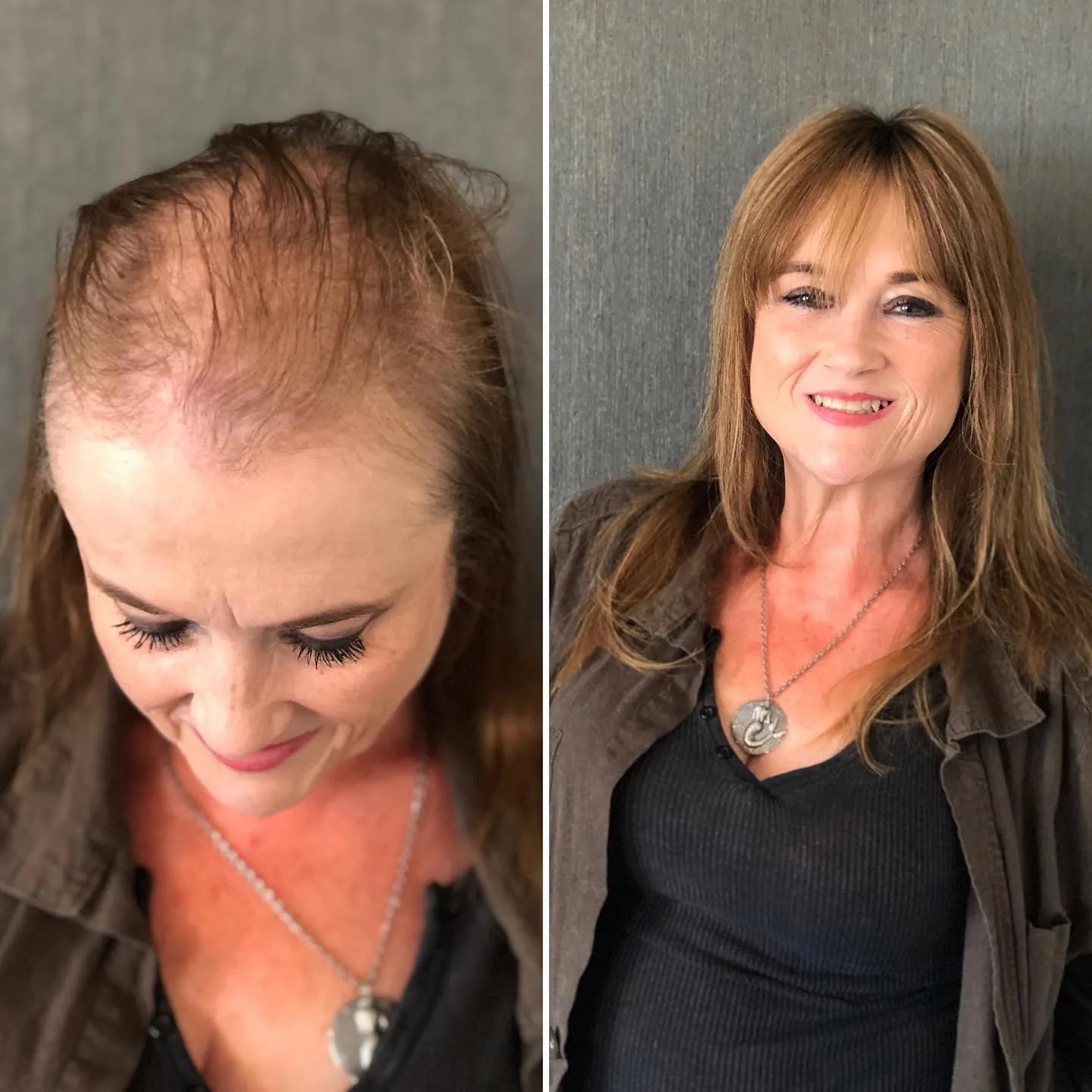
Choosing a wig when you’re experiencing medical hair loss is about so much more than hair—it's about reclaiming your confidence. You deserve a piece that feels comfortable and makes you feel like yourself again. That's the purpose of a medical wig. So, what makes it different? Also known as a cranial prosthesis, it's a specialized hairpiece built for sensitive scalps. It uses soft, breathable materials and construction techniques that create a completely natural-looking hairline. This guide will show you exactly what to look for to find the perfect wig for you.
Key Takeaways
- Use the term "cranial prosthesis" for insurance success: This is the medical term insurance companies recognize. Securing a prescription from your doctor with this exact wording is the most important step toward getting your wig covered as a necessary medical device.
- Focus on the cap, not just the hair: The true difference in a medical wig is its internal construction. Prioritize features like a hand-tied monofilament top or a soft lace front for a wig that feels comfortable on a sensitive scalp and looks completely natural.
- A professional fitting is non-negotiable: The right fit is essential for both comfort and a realistic appearance. A consultation with a specialist ensures your wig is perfectly sized and secure, and they can also guide you through the insurance claim process.
What Makes a Wig a "Medical Wig"?
If you're experiencing hair loss from a medical condition, you've likely heard the term "medical wig." So, what is it? Simply put, a medical wig is a hairpiece specifically designed for individuals with hair loss due to treatments like chemotherapy, conditions like alopecia, or other medical issues. It’s also known by a more technical name: a cranial prosthesis. Think of it as a wig created with your unique needs in mind—prioritizing comfort, security, and a natural appearance to help you feel like yourself again.
Unlike a standard fashion wig you might buy for a style change, a medical wig is constructed to be worn daily by someone who may have little to no hair and a sensitive scalp. The materials are higher quality, the cap construction is softer, and the fit is more secure. The goal isn't just to cover your head; it's to provide a comfortable, realistic, and confidence-restoring solution that becomes a seamless part of your life.
Medical Wigs vs. Fashion Wigs: What’s the Difference?
The biggest difference between medical and fashion wigs comes down to construction and purpose. Fashion wigs are designed for temporary wear, often to switch up a hairstyle. Medical wigs, on the other hand, are built for comfort and long-term use. Their caps are made with softer, lighter, and more breathable materials to prevent irritation on a sensitive scalp. Many of our human hair medical wigs feature special elements like soft linings and anti-slip grips, ensuring your wig feels secure and comfortable all day long. A fashion wig simply isn't designed to meet these specific needs.
Why Your Doctor Calls It a "Cranial Prosthesis"
When you start exploring insurance coverage, you'll need to know this term: "cranial prosthesis." This is the official medical term for a wig prescribed for medical hair loss. It’s a crucial distinction because most insurance companies classify a "wig" as a cosmetic item and won't cover it. However, they often recognize a "cranial prosthesis" as a medical necessity, similar to any other prosthetic device. When speaking with your doctor and insurance provider, always use this term. This simple change in vocabulary can make all the difference in getting your wig covered, and we can help you understand your benefits.
Is a Medical Wig Right for You?
A medical wig, also known as a cranial prosthesis, is a thoughtful solution for anyone experiencing hair loss from a medical condition or treatment. Unlike standard fashion wigs, these pieces are designed for comfort, security, and a natural look, especially for sensitive scalps. A
Finding Comfort During Chemotherapy
Chemotherapy is tough on the body, and a common side effect is hair loss. Treatments can also leave your scalp feeling incredibly tender. This is where a medical wig truly shines. They are constructed with soft, gentle linings and breathable materials to avoid irritation and provide comfort when you need it most. A well-made medical wig offers a sense of normalcy and can be a powerful tool for maintaining your self-image as you go through cancer treatment.
A Supportive Solution for Alopecia
Alopecia is an autoimmune condition that causes hair to fall out, sometimes in patches and other times completely. For the many people with alopecia areata, a medical wig is more than a cosmetic choice—it's a way to move through the world with confidence. Because the hair loss can be long-term, finding a wig that is durable, secure, and looks completely natural is essential for daily wear. Health insurance companies are increasingly recognizing wigs as a medical necessity for this condition, which helps make high-quality options more accessible.
Other Medical Conditions That Cause Hair Loss
Many other medical situations can lead to hair loss, including thyroid conditions, trichotillomania, and other autoimmune diseases. In any of these cases, the emotional impact can be significant. A medical wig offers a practical and empowering solution, helping you regain a sense of control and personal identity. It allows you to face your day without the added stress of feeling self-conscious about your hair, providing a consistent look you can rely on. We can help you understand your options during a private consultation.
What Are the Different Types of Medical Wigs?
When you start looking for a medical wig, you'll notice a few key terms pop up, like "lace front" and "monofilament." These terms describe how the wig is made, and understanding them is the first step to finding a piece that feels like you. It’s all about finding the right combination of features that meets your needs for comfort, style, and a natural appearance. Let's walk through the most common types so you can feel confident in your choice.
Get a Natural Hairline with a Lace Front Wig
If you’ve ever admired a wig that seemed to melt into the skin, you were likely looking at a lace front. These wigs feature a delicate, sheer lace panel along the front hairline where each hair is individually hand-tied. This meticulous construction creates the illusion that the hair is growing directly from your scalp. It gives you a completely natural and undetectable hairline, allowing you to style the hair away from your face with total confidence. You can see a variety of beautiful lace front wigs in our collection.
Achieve a Realistic Scalp with a Monofilament Top
A monofilament top, or "mono top," is another feature that adds incredible realism. In these designs, each hair is hand-tied to a soft, fine mesh material at the crown. This base is transparent, so it takes on the appearance of your own scalp. The biggest benefit is that you can part the hair in any direction—left, right, or down the middle—and it will look completely natural. This versatility gives you the freedom to change your style whenever you want. Monofilament caps are also known for being soft and comfortable, making them an excellent choice for sensitive scalps.
Human Hair vs. Synthetic: Which Is Right for You?
This is one of the most important decisions you'll make. Human hair wigs offer the most natural look and feel. They can be styled with heat, colored, and treated just like your own hair, giving you ultimate styling flexibility. While they require more maintenance, the realism is worth it. On the other hand, synthetic wigs have come a long way. High-quality synthetic fibers can look incredibly realistic and hold their style after washing. They are often a more affordable option and require less upkeep. The best choice depends on your lifestyle and budget. We can help you weigh the pros and cons when you book a consultation.
Exploring Human Hair Types: Remy and European
Once you’ve decided on human hair, it’s good to know that not all hair is created equal. You’ll likely come across terms like “Remy” and “European,” which are used to describe the highest quality options. Knowing what they mean will help you choose a truly premium piece. Remy hair is considered the gold standard for quality because of how it’s collected. The cuticles are kept intact and aligned in the same direction, just as they would grow from your scalp. This careful process is the secret to preventing tangles and keeping the hair smooth and manageable. European hair is a specific type of Remy hair that’s highly sought after for its fine, soft texture. Since it’s often naturally lighter in color, it requires very little processing, which preserves its incredible quality and realistic movement. When you shop for a medical wig, choosing one made with Remy or European hair means you’re investing in superior comfort and the most natural look and feel you can get.
Choosing Your Hair Density and Length
Once you've decided on the cap construction and hair type, it's time to think about the style. Hair density refers to the amount of hair on the wig cap, and it's key to achieving a believable look. Most medical wigs come in densities from 100% to 120%, which mimic the fullness of natural hair without feeling heavy. For a sensitive scalp, a lighter density can feel more comfortable. When it comes to length, human hair offers incredible styling versatility, but it's important to choose a length that fits your lifestyle. Remember, the best wig is one that feels like an extension of you. A wig designed for medical needs will also have features like adjustable straps and a breathable cap to ensure it feels secure and comfortable all day.
Specialized Wigs for Children
Hair loss can be especially challenging for children, and finding the right solution is about more than just aesthetics—it's about restoring confidence. Specialized medical wigs for children are designed with their unique needs in mind. They feature smaller, lightweight caps that are breathable and soft on sensitive scalps. Many are crafted with features like silicone strips for a secure, glue-free fit that stays in place during school and playtime. Using 100% human hair ensures the wig looks and feels natural, allowing it to be styled just like their own hair would be. These thoughtful designs help children feel comfortable and self-assured, allowing them to focus on just being kids.
Key Comfort Features for Sensitive Scalps
When you’re dealing with hair loss, the last thing you want is a wig that feels itchy, hot, or insecure. Medical wigs are in a completely different league from standard fashion wigs because they are created specifically for sensitive scalps. Every detail, from the materials touching your skin to the way the cap is built, is chosen with your comfort and confidence in mind. This focus on thoughtful design means you can wear your wig all day without a second thought.
Why Cap Construction Matters
The foundation of any great medical wig is its cap construction. Unlike many off-the-shelf wigs that can have scratchy, machine-made wefts, medical wigs are built using softer, higher-quality materials. The cap is the part that sits directly against your scalp, so it’s designed to be gentle and non-irritating. Many feature hand-tied sections, which create a softer interior and allow the hair to move more naturally. When you browse our collection, you’ll see that the focus is always on creating a piece that feels as good as it looks, providing comfort and security from the inside out.
Soft Linings: Double Monofilament and Diamond Lace
The secret to all-day comfort lies in the wig’s interior lining. For sensitive scalps, features like a double monofilament top are a game-changer. This design includes an extra layer of soft, silky material inside the cap, which covers the hand-tied knots of the hair. The result is an incredibly smooth surface that prevents any potential scratching or irritation. Similarly, a 100% hand-tied cap is exceptionally light and soft, conforming to the shape of your head for a perfect fit. These special caps are designed to be breathable and gentle, ensuring that your scalp stays comfortable even after hours of wear. It’s this attention to internal construction that truly defines a medical-grade wig and makes it suitable for daily use.
Secure Fits: Glueless Caps and Suction Bases
One of the biggest concerns when wearing a wig is whether it will stay in place. Medical wigs are engineered to provide a secure fit without relying on harsh tapes or adhesives that can irritate the skin. Many are designed as glueless caps, which often feature strategically placed silicone strips or polyurethane tabs. These materials gently grip your scalp, using your body heat to create a secure hold that keeps the wig from shifting. Some advanced designs even use a suction base that creates a vacuum-like seal for total security. The right fit is everything, which is why a professional consultation is so important. It ensures your wig is perfectly sized, giving you the confidence to go about your day without a single worry.
Choosing Breathable Materials for All-Day Wear
One of the biggest concerns people have about wearing a wig is overheating. A well-designed medical wig addresses this with breathable materials that allow for proper air circulation. Many caps incorporate lightweight stretch netting on the crown and sides, which lets air flow freely to your scalp and prevents heat from getting trapped. This makes a world of difference in your daily comfort, allowing you to go about your day—whether you’re at work or running errands—without feeling weighed down or stuffy. It’s this commitment to quality materials that makes all-day wear not just possible, but pleasant.
How Anti-Slip Grips Keep Your Wig Secure
Feeling confident that your wig will stay put is essential. Medical wigs are designed with security features that are both effective and gentle on your skin. Instead of relying on harsh clips or adhesives that can cause irritation, many use soft, adjustable elastic bands and strategically placed anti-slip silicone strips. These elements gently grip your scalp to keep the wig firmly in place, even if you have a more active lifestyle. During a personal consultation, we can help you find the perfect fit and security features that work for you, so you never have to worry about your wig shifting.
More Than Hair: The Benefits of a Medical Wig
Choosing a medical wig is about so much more than just hair. It’s a deeply personal decision that can have a profound impact on your daily life, especially when you're going through a health challenge. Beyond the beautiful appearance, a well-made medical wig offers practical comfort and emotional support, helping you feel more like yourself every step of the way. Let's explore the real, tangible benefits you can expect.
Support Your Emotional Well-Being
Losing your hair can be an emotionally taxing experience, and it’s completely normal to feel its weight. A medical wig can be a powerful tool for reclaiming your sense of normalcy and well-being. For many, it’s a way to look in the mirror and see a familiar face, which can significantly reduce stress and anxiety. This isn't just about appearances; it's about feeling whole and maintaining a positive outlook. By helping you feel more comfortable and less self-conscious in social situations, a wig can provide the emotional lift you need to focus on your health and enjoy your life more fully.
Regain Your Confidence and Sense of Self
Your hair is a big part of your identity. When you lose it, it can feel like you’ve lost a piece of yourself. Medical wigs are designed to restore that sense of self by offering an incredibly realistic look. Unlike standard fashion wigs, they are crafted to mimic your natural hair color, texture, and hairline. When you can step out into the world feeling confident that your wig looks completely natural, it changes everything. You can find a wide variety of high-quality human hair wigs that allow you to feel polished, professional, and, most importantly, like you again.
Combine a Natural Look with Everyday Comfort
If you’re dealing with a sensitive scalp from treatments like chemotherapy, comfort is non-negotiable. Medical wigs are constructed specifically with this in mind. The caps are made from soft, lightweight, and breathable materials that prevent irritation, even with all-day wear. Many feature hand-tied construction, which not only creates a more natural look but also makes the wig lighter and cooler. According to the American Cancer Society, features like these are essential for comfort during treatment. This focus on superior construction means you can go about your day without worrying about itching, slipping, or overheating.
How to Choose the Right Medical Wig for You
Choosing a medical wig is a deeply personal process. It’s about more than just hair—it’s about finding something that makes you feel comfortable, confident, and most importantly, like yourself. With so many options available, it can feel overwhelming, but focusing on a few key areas will help you find the perfect match. Think about what will make you feel best day-to-day. The right wig should feel secure, look natural, and be so comfortable you almost forget you’re wearing it. Let’s walk through the three most important factors to consider: comfort, appearance, and fit.
Step 1: Put Comfort and Breathability First
When you’re wearing a wig for hours at a time, comfort is everything. This is especially true if you’re experiencing scalp sensitivity from medical treatments. Unlike standard fashion wigs, medical wigs are specifically designed with your well-being in mind. The cap—the part that sits directly on your head—is made from soft, gentle materials to prevent irritation. When you’re looking at different human hair medical wigs, pay attention to features like hand-tied caps. These are often more lightweight and breathable, allowing for better airflow to keep your scalp cool and comfortable throughout the day. Your wig should be a source of comfort, not a distraction.
Step 2: Find Your Perfect Style and Color
The goal of a great medical wig is for it to blend in so seamlessly that no one knows it’s a wig unless you decide to tell them. High-quality medical wigs are crafted to look incredibly realistic, from the hair density to the color. It’s important to find a shade that not only matches your natural hair but also complements your skin tone. Beyond color, consider the construction. Many people find that a wig with an adjustable cap is a great choice, as your head size can change slightly after hair loss. This flexibility ensures your wig always fits securely and looks natural. The American Cancer Society offers helpful tips on Choosing and Wearing a Wig that can guide you further.
Step 3: Get a Professional Fitting
You wouldn’t buy a custom suit without a proper fitting, and the same principle applies to your medical wig. A professional fitting is essential for getting the best results. An expert, sometimes called a Cranial Prosthesis Specialist, will take precise measurements of your head to ensure your wig fits perfectly. A wig that’s too tight can cause headaches and irritation, while one that’s too loose will feel insecure and look unnatural. During a fitting, a specialist can also make custom adjustments for the most comfortable and secure fit. This is your chance to ask questions and get expert guidance, ensuring you walk away with a wig that truly feels made for you. We highly recommend you book a consultation to get started.
Will Insurance Cover My Medical Wig?
This is one of the first questions we hear, and for good reason. A high-quality human hair wig is an investment in your well-being, and understanding your insurance benefits can make it much more accessible. The good news is that many health insurance plans do offer coverage for medical wigs, and we’re here to help you understand the process.
Understanding "Cranial Prosthesis" Coverage
While you might call it a wig, your insurance company uses a different term: “cranial prosthesis.” This is the official medical term for a wig needed for hair loss due to medical conditions. Using this specific language is the key to getting coverage because it classifies the wig as a medical necessity, not just a cosmetic accessory. More and more insurance providers are recognizing the essential role a cranial prosthesis plays in a person’s recovery and mental health. Most plans will cover a portion of the cost, and we can help you figure out the specifics of your policy during a free consultation.
Key Questions to Ask Your Insurance Provider
Calling your insurance company can feel like a big step, but being prepared with the right questions makes the process straightforward. Before you call, have your policy information handy and be ready to take notes. Remember to always use the term “cranial prosthesis,” not “wig.” This is the most important part of the conversation. To get the clarity you need, the National Alopecia Areata Foundation recommends asking a specific set of questions. Here is a list to guide your call:
- Does my plan cover a “cranial prosthesis?”
- What is the maximum coverage amount for a cranial prosthesis?
- How many prostheses am I eligible for per year?
- Do I need to purchase from a specific "in-network" provider?
- What specific documentation do I need to submit a claim? (e.g., a prescription, a detailed invoice)
Getting answers to these questions will give you a clear picture of your benefits and help you plan your purchase. If you feel overwhelmed, remember you don't have to do it alone. We can help you understand your coverage during a free, private consultation.
How to Get a Prescription from Your Doctor
Your first step is to talk to your doctor. You will need a formal prescription to submit with your insurance claim. When you meet with your physician or dermatologist, ask them to write a prescription for a “cranial prosthesis.” Make sure it also includes your specific diagnosis—for example, Alopecia Areata or hair loss due to chemotherapy. The National Alopecia Areata Foundation offers a great guide to reimbursement that explains this process. Remember to be direct and use the correct terminology with both your doctor and your insurance company to ensure your claim is processed correctly.
Essential Medical Codes for Your Claim
Along with your prescription, your insurance claim will need specific medical codes to be processed correctly. The most important one to know is the HCPCS code A9282, which officially identifies your wig as durable medical equipment. Your doctor will also include a diagnosis code (from the ICD-10 code set) that corresponds to your specific medical condition causing the hair loss. While you don't need to memorize these numbers, it's helpful to know they exist. The key is to ensure your prescription and all claim forms explicitly use the term "cranial prosthesis" to avoid being miscategorized as a cosmetic expense.
How to Appeal a Denied Claim
Getting a denial letter from your insurance company can be frustrating, but it's often not the end of the road. Your first step is to carefully read the letter to understand exactly why the claim was denied. Sometimes, it’s a simple clerical error, like a missing code or incorrect information. Other times, the insurer may require more proof of medical necessity. According to the National Alopecia Areata Foundation, you can often successfully appeal the decision by providing a more detailed letter from your doctor or additional documentation. This is a process we are very familiar with, and we can offer guidance to help you present the strongest possible case for your appeal.
Let Us Help with Your Insurance Claim
After you have your prescription, the next step is submitting the claim. Typically, you purchase the wig first and then file for reimbursement. Your insurance company will require a few documents: your doctor’s prescription, a completed claim form, and a detailed receipt from your purchase. This is where we come in. We provide you with an itemized receipt that includes all the necessary information, such as the term “cranial prosthesis” and our tax ID number. We understand that dealing with insurance paperwork can be overwhelming, which is why we guide our clients through every step to make sure you have everything you need for a successful claim.
How Much Does a Medical Wig Cost?
Let’s talk about one of the biggest questions on everyone’s mind: the cost. When you start looking for a medical wig, you’ll see that prices can vary quite a bit. It’s helpful to understand what this range looks like and, more importantly, what factors contribute to the final price tag. Thinking of a medical wig as an investment in your comfort and confidence can help frame your search. The good news is that a high-quality wig may be more accessible than you think, especially with potential insurance coverage.
A Look at Typical Price Ranges
The cost of a medical wig can range from under a hundred dollars to several thousand. For instance, a simple, machine-made synthetic wig might cost around $150. On the other hand, a high-quality lace front wig can range from a few hundred to over $1,000, depending on the materials and craftsmanship. The key is to find the right balance of quality, comfort, and budget for your specific needs. To get a feel for what’s available, you can browse a curated collection of premium human hair wigs and see the features that set them apart.
What Factors Determine a Wig's Price?
Two main things determine a wig's price: the hair type and the cap construction. Human hair wigs cost more than synthetic ones because they offer the most natural look and feel, plus the versatility to be styled with heat. The way the wig cap is made is just as important. Features like a hand-tied monofilament top or a lace front require meticulous craftsmanship, but they create a realistic scalp appearance and a seamless hairline. These features are what make a wig a true cranial prosthesis, and it’s why insurance benefits can often be used to help cover the cost.
Where to Find Support and Helpful Resources
Losing your hair can feel isolating, but you don’t have to go through it alone. A wealth of resources is available to help you find the right medical wig, manage costs, and connect with people who understand what you're experiencing. Taking that first step to find support can make all the difference.
Why You Should Start with a Professional Consultation
Navigating the world of medical wigs can feel overwhelming at first, which is why a professional consultation is such a valuable starting point. A specialist can walk you through your options, explaining the differences in cap constructions, hair types, and styles to help you find a piece that feels like you. They’ll also introduce you to the term "cranial prosthesis," which is the medical term for a wig prescribed for hair loss. This is the specific language your doctor and insurance company will use, so getting familiar with it early is a huge help.
The Role of a Certified Cranial Prosthesis Specialist
A professional fitting is the most important step in ensuring your wig looks and feels right. This is where a Certified Cranial Prosthesis Specialist comes in. Think of them as your personal guide in this process. They will take precise measurements of your head to guarantee a perfect fit—because a wig that’s too tight can cause headaches, while one that’s too loose will feel insecure. A specialist can also make custom adjustments for the most comfortable and secure feel. This expert guidance is invaluable, and it’s the best way to ensure you leave with a piece that feels like it was made just for you. We can connect you with a specialist when you schedule a consultation.
The Convenience of Online Consultations
We get it—life is busy, and if you're dealing with health concerns, comfort and convenience are everything. That’s why online consultations are such a great option. From the privacy of your own home, you can connect with a specialist who will listen to your needs and walk you through all the details. They’ll explain the differences between a lace front and a monofilament top, show you hair color options, and answer any questions you have about the insurance process. It’s a personalized, no-pressure way to get the information you need to make a confident choice, making the entire process feel much more manageable.
Financial Assistance Programs You Should Know About
Many people are surprised to learn that their health insurance may cover the cost of a medical wig. Because a cranial prosthesis is considered a medical necessity for conditions like alopecia or hair loss from chemotherapy, many insurance plans offer partial or full reimbursement. The key is getting the correct prescription from your doctor. We specialize in helping our clients understand and utilize their insurance benefits, guiding you through the paperwork to make the process as smooth as possible. If your insurance doesn't offer coverage, you can also look into using funds from a Health Savings Account (HSA) or Flexible Spending Account (FSA).
Non-Profit Organizations That Provide Wigs
While using your insurance benefits is a fantastic way to cover the cost of a high-quality wig, we know it isn't an option for everyone. Thankfully, several incredible non-profit organizations are dedicated to providing free or low-cost wigs to individuals experiencing medical hair loss. These groups were founded on the understanding that this journey is about more than just hair—it's about identity and emotional well-being. They work to restore a sense of normalcy and confidence when you need it most. If you're looking for additional support or an alternative path to finding a wig, these organizations are a wonderful place to start.
- American Cancer Society: Through a network of wig banks across the country, the American Cancer Society offers new wigs completely free of charge to cancer patients. This is a widely accessible resource for many people undergoing treatment.
- Pink Heart Funds: This organization provides free human hair wigs to women in the USA who are dealing with hair loss from chemotherapy or other medical conditions, helping them feel beautiful and confident.
- Verma Foundation: With a focus on high-quality cap wigs, the Verma Foundation is committed to helping cancer patients regain their self-esteem during a challenging time.
- EBeauty Community Inc.: This group aims to ease the financial strain of treatment by providing free wigs for cancer patients undergoing chemotherapy through their wig exchange program.
- AngelHair, Inc.: Dedicated to ensuring every woman has access to a wig that helps her feel like herself again, AngelHair for Cancer provides wigs at no cost to women suffering hair loss due to cancer treatments.
How to Connect with Support Communities
Finding a community can be incredibly grounding. Connecting with others who have experienced medical hair loss provides a space for shared understanding and emotional support that friends and family may not be able to offer. Organizations like the National Alopecia Areata Foundation provide a strong community and valuable resources for those with alopecia. These groups can be incredible sources of comfort and practical advice. Wearing a wig is often a powerful step toward restoring self-confidence, and a supportive community reminds you that you’re not on this journey by yourself.
Information on Wig Donation Programs
The community surrounding medical hair loss is incredibly supportive, and wig donation programs are a perfect example of that spirit. These organizations accept new or gently used wigs, clean and refurbish them, and then provide them to individuals who need them. If you're looking for a wig or have one you'd like to pass on, these programs are a great resource. For example, Cancer Family Care provides wigs to people undergoing cancer treatment, while Wigs For Kids is dedicated to helping children. Other wonderful organizations include Hair We Share, which serves both children and adults, and the EBeauty Community, which has distributed thousands of free wigs to women with cancer. These programs help ensure that everyone has access to a wig that makes them feel confident.
How to Care for Your Medical Wig
Investing in a high-quality medical wig is a wonderful step toward feeling like yourself again. To make sure it looks beautiful and lasts as long as possible, a little dedicated care goes a long way. Unlike the hair that grows from your scalp, your wig doesn't receive natural oils, so it requires a different routine to stay in top shape. Think of it as a luxurious garment—with the right care, it will serve you well for years to come.
Your Guide to Washing and Daily Care
When it's time to wash your wig, think gentle. Always use cool water and products specifically formulated for wigs to protect the fibers. Lather the shampoo in your hands before softly running it through the hair from top to bottom—avoid any harsh rubbing or scrubbing. Rinse thoroughly and apply a wig-safe conditioner the same way. After a final rinse, gently blot the excess water with a towel and place it on a wig stand to air dry completely. It’s important to wait until your wig is fully dry before you try to brush or comb it. For our beautiful human hair wigs, you can use low-heat styling tools, but always with a heat protectant spray.
How to Store Your Wig to Make It Last
How you store your wig is just as important as how you wash it. When you’re not wearing it, the best place for your wig is on a wig stand or mannequin head. This simple step is the key to helping it maintain its shape and style while preventing any tangles or kinks. If you need to travel, you can carefully fold your wig and place it in a silk or satin bag to reduce friction. Proper storage keeps your wig looking fresh and ready to wear, so you can just put it on and go. During a personal consultation, we can also share more specific tips tailored to the wig you choose.
How Long Do Medical Wigs Typically Last?
A common question we get is about how long a medical wig will last, and the answer really depends on a few key things: the quality of the materials, how often you wear it, and your care routine. While a standard wig worn daily might last around six to eight months, a high-quality human hair wig is built for greater longevity. Because they are made with premium hair and superior cap construction, they can last much longer with the right maintenance, making them a worthwhile investment in your daily comfort and confidence. Following a consistent care routine is the best way to protect that investment and keep your wig looking beautiful.
Related Articles
- Cranial Prosthesis: Why Medical Wigs Matter and How NYC Medical Wigs Makes It Simple
- Understanding Alopecia and Hair Loss: What You Need to Know Before Choosing Your First Wig
- Choosing the Best Wig Texture: A Guide for Beginners Experiencing Hair Loss
- The Transformative Power of Medical Wigs: Before & After Confidence
- News
Frequently Asked Questions
How do I start the process of getting a medical wig and using my insurance? Your first step is to speak with your doctor. You'll need a formal prescription for a "cranial prosthesis" that includes your medical diagnosis. Once you have that, the next best step is to schedule a consultation. We can walk you through different wig options, help you find the perfect one, and then guide you through the specific paperwork your insurance provider will require for reimbursement.
Will my medical wig look natural? I'm worried people will know I'm wearing one. This is a completely valid concern, and it’s the primary reason medical wigs are crafted with such incredible attention to detail. Features like a lace front create an undetectable hairline that looks like hair is growing right from your scalp. A monofilament top gives the appearance of a natural scalp, allowing you to part the hair anywhere. These elements work together to create a look so realistic that the only person who knows you're wearing a wig is you.
Can I really wear a medical wig all day without it feeling hot or insecure? Absolutely. Medical wigs are designed specifically for long-term, daily wear, which is a major difference from standard fashion wigs. The caps are made from lightweight, breathable materials that allow air to circulate, preventing overheating. They also include thoughtful security features like soft, anti-slip grips and adjustable straps, which keep the wig comfortably and securely in place without irritating a sensitive scalp.
What's the most important difference between a human hair wig and a high-quality synthetic one? The biggest difference comes down to styling and maintenance. A human hair wig offers the most natural look and feel, and you can style it with heat tools just like your own hair. It requires a bit more care, but the versatility is unmatched. A high-quality synthetic wig, on the other hand, comes pre-styled and holds its shape even after washing, making it a lower-maintenance option. The best choice really depends on your lifestyle and how much you enjoy styling your hair.
How long can I expect my human hair medical wig to last? With proper care, a high-quality human hair wig can last for a year or even longer. The key to its longevity is treating it gently. This means using specially formulated shampoos and conditioners, washing it on a mannequin head to avoid stretching the cap, and always storing it on a wig stand to help it maintain its shape and style. Consistent, gentle care is the best way to protect your investment.