What Is a Lace Front? A Guide to Medical Wigs
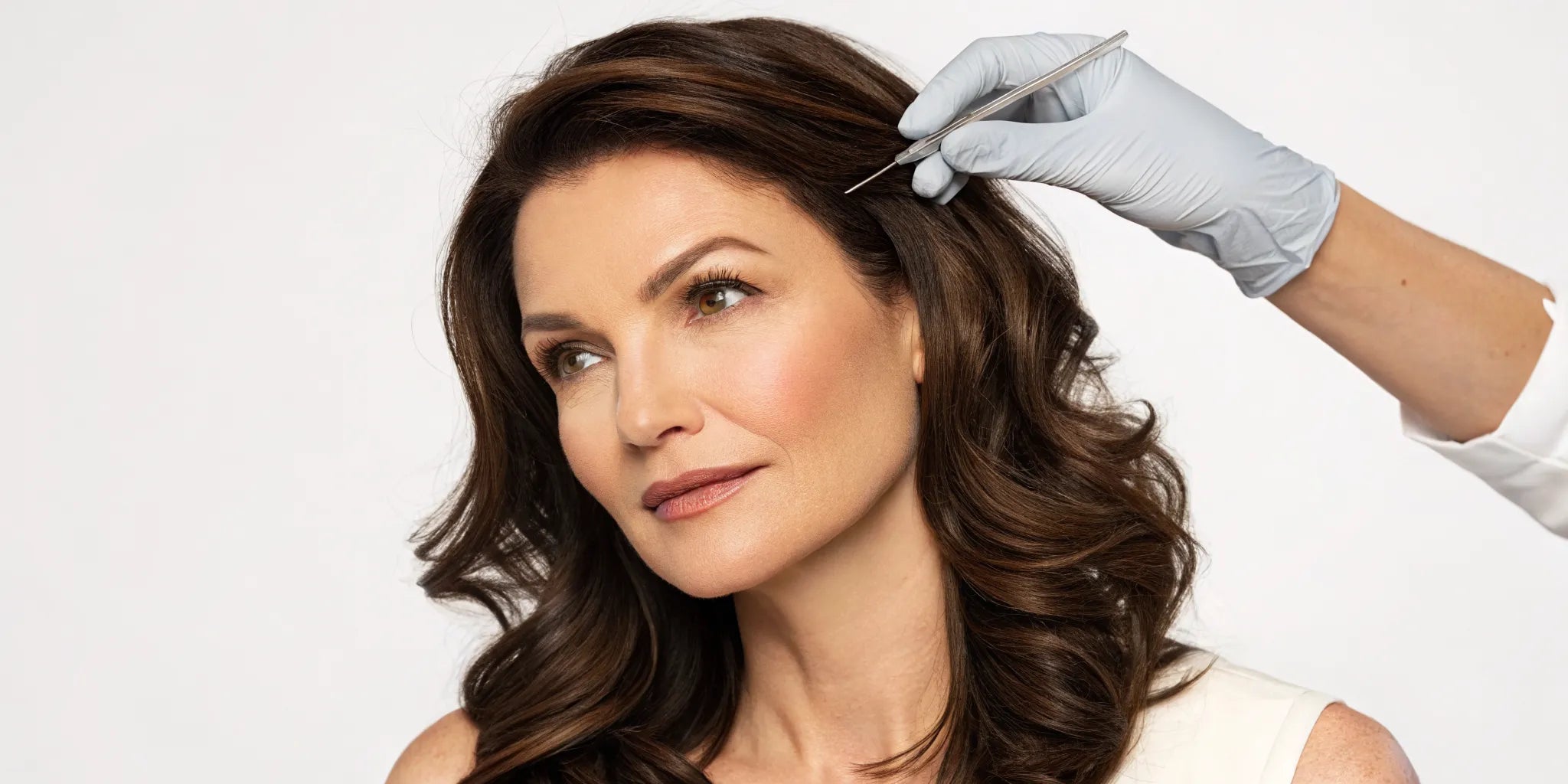
The secret to a medical wig that looks and feels like your own hair often lies in the hairline. A natural-looking hairline allows you to part your hair freely and style it away from your face without a second thought. This freedom is made possible by a specific design feature, leading many to ask, what is a lace front? It’s a thin, transparent piece of lace mesh along the front of the cranial prosthesis where hairs are individually hand-tied. This technique creates the appearance of a natural scalp, allowing the wig to blend seamlessly with your skin. It’s this detail that provides unparalleled realism and helps restore a sense of normalcy for our clients.
Key Takeaways
- Achieve a Natural-Looking Hairline: A lace front cranial prosthesis uses a sheer panel where hairs are individually hand-tied, creating the illusion of natural growth right from your scalp. This design allows you to confidently wear styles pulled back from your face.
- Prioritize Comfort for Sensitive Scalps: Medical-grade lace front wigs are constructed with breathable materials to keep your scalp cool and prevent irritation. A secure fit is possible with or without adhesives, using features like adjustable straps and wig grips for all-day confidence.
- Protect Your Investment with Proper Care: A human hair prosthesis requires a specific care routine to maintain its quality and longevity. Working with a cranial prosthesis specialist ensures you learn the right maintenance techniques and get expert help navigating the insurance process.
What Is a Lace Front Wig?
If you're starting your search for a medical wig, you've likely come across the term "lace front." A lace front wig is a type of cranial prosthesis designed with a thin, nearly invisible panel of lace mesh along the front hairline. Individual hair strands are meticulously hand-tied to this lace, creating the illusion that the hair is growing directly from your scalp.
This construction is what makes a lace front an excellent choice for a natural and undetectable appearance. The lace panel typically extends from ear to ear, allowing you to part the hair in different ways and even style it away from your face without revealing the wig's edge. For anyone experiencing medical hair loss, this feature provides a significant sense of confidence and normalcy. The remainder of the cap is usually constructed with a more durable, machine-wefted material for structure and longevity.
How Lace Creates a Natural Hairline
The magic of a lace front lies in its seamless transition from the wig to your skin. The transparent lace material allows your natural skin tone to show through, which is key to achieving a realistic hairline. Because each hair is individually hand-tied, the strands can move freely and naturally, just like biological hair. This meticulous detail prevents the abrupt, "wiggy" edge often seen on standard wigs.
This natural appearance is especially important for those of us dealing with hair loss from conditions like alopecia or chemotherapy treatments. The goal is to feel like yourself again, and a realistic hairline is a big part of that. During a cranial prosthesis consultation, we can show you exactly how the lace blends with your skin and help you find the perfect match for a look that feels completely your own.
Lace Front vs. Other Wig Types
When comparing a lace front to other wig constructions, the primary difference is the hairline. Many basic wigs have a more defined, machine-finished front edge that can look unnatural and is difficult to hide. A lace front cranial prosthesis solves this by creating a soft, graduated hairline that mimics natural hair growth.
While the front is made of delicate lace, the back and sides of the wig are typically machine-wefted. This hybrid construction offers the best of both worlds: a flawless hairline and a durable, breathable cap structure that is comfortable for daily wear. This makes them a popular and practical choice among the different hair prosthesis styles available for medical purposes.
How Is a Lace Front Wig Constructed?
Understanding how a lace front cranial prosthesis is made can help you appreciate the craftsmanship that goes into creating a natural and comfortable solution for medical hair loss. Unlike standard wigs, a medical wig is built from the ground up with your specific needs in mind. The process involves high-quality materials and meticulous techniques designed to ensure the final piece is lightweight, breathable, and looks just like your own hair. From the type of lace used for the hairline to the way each strand of hair is attached, every detail is considered to provide a secure and realistic result. Let’s look at the key components that make up a high-quality lace front medical wig.
Swiss vs. French Lace
The "lace" in a lace front cranial prosthesis is a fine, sheer mesh material that sits at the front of the wig, along your hairline. Individual hairs are tied to this lace to create the illusion that hair is growing directly from your scalp. The two most common materials are Swiss and French lace. French lace is known for its durability, making it a reliable choice for daily wear, though it is slightly thicker. Swiss lace, on the other hand, is finer and more delicate, offering an incredibly seamless and undetectable hairline. While it requires a bit more gentle handling, many clients find the realistic appearance of Swiss lace is worth the extra care.
Hand-Tied Hair Strands
The most realistic medical wigs feature hand-tied hair strands, a process where a skilled artisan manually ties individual hairs to the lace and cap. This painstaking technique, known as ventilating, allows the hair to move freely and naturally, just like biological hair. You can part your hair in different ways and style it with confidence, knowing your scalp looks completely natural. This is a significant difference from machine-made wigs, which often have hair sewn in wefts or tracks. A hand-tied cranial prosthesis is lighter, more breathable, and far more comfortable against a sensitive scalp, making it an ideal choice for long-term wear.
Cap Structure and Fit
The cap is the foundation of your medical wig, and its design is critical for comfort and security, especially for those with sensitive skin from chemotherapy or alopecia. The caps of our cranial prostheses are made with soft, hypoallergenic materials to prevent irritation. They often include features like silicone strips or adjustable elastic bands to ensure a snug fit without the need for glues or tapes. A secure fit gives you the freedom to go about your day without worrying about your wig shifting. During your private consultation, we take precise measurements to ensure your cranial prosthesis fits your head perfectly, providing all-day comfort and confidence.
Lace Front vs. Other Cranial Prosthesis Styles
When you begin looking for a cranial prosthesis, you’ll find that lace fronts are just one of many available styles. Each cap construction offers unique benefits, and understanding the differences is the first step toward finding a medical wig that feels like it was made just for you. Comparing a lace front to options like a monofilament top or a full lace cap helps clarify which features are most important for your comfort and lifestyle. The material, whether human hair or synthetic, also plays a huge role in how your prosthesis looks and feels.
Lace Front vs. Monofilament Top
A lace front is designed to perfect the hairline, while a monofilament top is all about creating a natural-looking scalp. In a monofilament prosthesis, individual hairs are hand-tied to a soft, transparent mesh at the crown. This technique mimics the appearance of natural hair growth and allows you to part the hair in any direction on top of your head. Many medical-grade wigs actually combine these two features, giving you a realistic hairline and a versatile part. If your main goal is to pull your hair away from your face without anyone noticing, a lace front is essential. If you prefer to change your part frequently, a monofilament top provides that flexibility.
Full Lace vs. Lace Front
The key difference between a full lace and a lace front cranial prosthesis is coverage. A lace front wig features the sheer lace material only along the front hairline, from ear to ear. The rest of the cap is typically made from a more durable, less delicate material. In contrast, a full lace wig has a cap constructed entirely from lace. This comprehensive design allows for maximum styling freedom, including high ponytails and intricate updos, because the entire perimeter mimics a natural scalp. While full lace offers incredible versatility, it is more delicate and often requires a larger investment than a lace front.
Human Hair vs. Synthetic Options
Choosing between human hair and synthetic fibers is one of the most important decisions you'll make. Our human hair medical wigs provide unmatched realism, softness, and styling versatility. You can use heat tools on them and have them colored by a professional, just like you would with your own hair. For many women experiencing hair loss from chemotherapy, the authentic look and feel of human hair is a source of comfort. High-quality synthetic hair is a great alternative that holds its style and is often more budget-friendly, but it can't be heat-styled. This choice is deeply personal, and we can walk through the pros and cons during your private consultation.
Benefits of a Lace Front for Medical Hair Loss
Lace front wigs are a popular choice for a reason, especially for those of us managing medical hair loss. They offer a unique combination of realism, comfort, and security that can make a world of difference in your daily life. When your scalp is sensitive or you're adjusting to a new reality, the right cranial prosthesis should feel like a part of you, not just something you wear. Let's walk through the specific benefits that make lace front styles a go-to for so many women navigating chemotherapy or alopecia.
A Natural-Looking Hairline
The most celebrated feature of a lace front cranial prosthesis is its incredibly natural-looking hairline. In this type of medical wig, each hair is meticulously hand-tied to a sheer lace panel at the front. This delicate material is designed to blend seamlessly with your skin tone, creating the illusion that the hair is growing right from your scalp. For anyone experiencing hair loss, regaining a realistic hairline can be a huge confidence restorer. It allows you to look in the mirror and see yourself, giving you the freedom to find the right fit and style to face the day with confidence.
Breathability for Sensitive Scalps
Comfort is non-negotiable when choosing a medical wig, especially when treatments like chemotherapy can leave your scalp feeling tender and sensitive. Lace front wigs are designed with this in mind. The fine lace material allows air to circulate freely, preventing heat and moisture from getting trapped against your skin. This breathability helps keep your scalp cool and reduces the risk of irritation. Since the lace is only at the front, the rest of the cap is often made from other soft materials, giving you the best of both worlds. Our medical wigs are specifically designed for individuals with sensitive scalps, prioritizing both comfort and a natural appearance.
A Secure, Adjustable Fit
One of the biggest concerns when wearing a cranial prosthesis is whether it will stay in place. A lace front wig provides a secure and reliable fit, giving you peace of mind as you go about your day. Most are built with adjustable straps in the back, allowing you to tighten or loosen the cap for a snug, custom feel. Some also include small combs or clips for extra security. A proper fit is essential for comfort and confidence. During a cranial prosthesis consultation, a specialist can help you find the perfect size and show you how to secure it properly, so you never have to worry about it shifting.
Styling Flexibility
A natural hairline opens up a world of styling possibilities that aren't always achievable with other wig types. Because the lace front mimics your own scalp, you can pull the hair away from your face or create a side part without revealing the wig's edge. This flexibility is about more than just changing your look; it’s about regaining a sense of normalcy and personal expression. Whether you want to wear your hair in a low ponytail or simply tuck it behind your ears, a lace front gives you the freedom to style your hair your way, helping you feel more like yourself again.
Pros and Cons of Lace Front Wigs
Choosing a cranial prosthesis is a deeply personal decision, and my role is to provide you with clear, honest information so you can feel confident in your choice. Lace front styles are a popular and wonderful option for many of our clients, but like any medical device, they come with their own set of considerations. Understanding the benefits and potential drawbacks will help you decide if a lace front is the right fit for your specific needs and lifestyle, especially when you’re managing a sensitive scalp from chemotherapy or alopecia.
When you’re experiencing medical hair loss, finding a solution that feels like you is the top priority. A lace front cranial prosthesis can be a fantastic tool for restoring a sense of normalcy and confidence. However, it’s also an investment in your well-being, and it’s important to know what to expect in terms of daily wear and care. My goal is to give you a complete picture, free of confusing jargon, so you can weigh everything carefully. Let’s walk through the pros and cons together, keeping your comfort and peace of mind at the forefront of the conversation.
Pros
What my clients often appreciate most about a lace front cranial prosthesis is its incredibly natural appearance. The unit is designed with a sheer lace panel at the front that blends seamlessly with your skin, creating the illusion of a real hairline where hair appears to be growing directly from your scalp. This feature can be a huge source of confidence. Our human hair cranial prostheses are also lightweight and breathable, which is essential for comfort on a sensitive scalp. The construction allows for better air circulation than some other cap types, reducing heat and potential irritation throughout the day. This design also gives you the freedom to style the hair away from your face, offering versatility and a touch of normalcy.
Cons
While lace fronts offer a beautiful, realistic result, the delicate material requires a gentle touch. The sheer lace that creates the natural hairline can tear if it’s pulled or handled too roughly, so it’s important to be mindful during application and removal. These medical wigs also require a consistent care routine, including proper washing and storage, to maintain their integrity and extend their lifespan. For some individuals with extremely sensitive skin, the lace edge might cause slight discomfort at first. The good news is that these are all manageable considerations. During your appointment, we can discuss different cap materials and securing methods to ensure a perfect, irritation-free fit. The best way to address any concerns is to schedule a consultation where we can find the ideal solution for you.
How to Wear and Secure a Lace Front Wig
Finding a secure and comfortable fit for your cranial prosthesis is key to feeling confident. A well-fitted medical wig shouldn't shift or feel unstable as you go about your day. The right method depends on your skin sensitivity, activity level, and personal preference. Let's walk through the most common options to help you find what works best for you.
Adhesives and Tapes
For the most secure hold, many people use medical-grade wig adhesives or double-sided tape. These products are specifically designed to be gentle on the skin while providing a strong bond. The adhesive is applied in a thin layer to your skin along the hairline, and the lace front is pressed onto it. Once it sets, your cranial prosthesis will stay firmly in place.
If you're considering this method, it's important to use products formulated for medical wigs, as they are less likely to cause irritation. Always perform a patch test on a small area of skin 24 hours before a full application. During your consultation, we can discuss the best adhesive options for your skin type and show you the proper application technique.
Wig Grips and Bands
If you prefer to avoid adhesives, a wig grip is an excellent alternative. A wig grip is a soft, adjustable band, usually made of velvet-like material, that you wear underneath your cranial prosthesis. The texture of the band creates gentle friction against both your scalp and the wig cap, holding it securely in place without any glue or tape.
This method is a favorite among those with sensitive skin or anyone who wants a quick and easy way to secure their wig. It provides a reliable hold for daily activities and can be put on and taken off in seconds. Wig grips are comfortable, reduce pressure, and prevent the wig from sliding, making them a fantastic solution for all-day wear.
Tips for Sensitive Scalps
Medical treatments like chemotherapy can leave your scalp feeling tender and sensitive. The goal is to ensure your cranial prosthesis feels comfortable, not irritating. While the lace on a high-quality medical wig is soft, some people benefit from an extra layer of protection. A bamboo or cotton wig liner can provide a soft barrier between your scalp and the wig cap.
It's also why choosing a true cranial prosthesis is so important. Unlike standard wigs, these are designed with features like soft, breathable caps and hand-tied strands to minimize irritation. Working with a cranial prosthesis specialist ensures you find a wig constructed with your comfort and medical needs as the top priority.
Caring for Your Lace Front Cranial Prosthesis
A human hair lace front cranial prosthesis is an investment in your comfort and confidence. Taking proper care of it is the best way to protect that investment, ensuring it looks beautiful and natural for as long as possible. Unlike a simple accessory, your medical wig requires specific handling to preserve the delicate lace and the integrity of the hand-tied hair. Following a consistent care routine will keep your prosthesis clean, fresh, and ready to wear, so you can feel like yourself every single day. This simple maintenance helps prevent tangling and shedding, extending the life of your piece significantly.
Washing and Conditioning
Properly washing your cranial prosthesis is crucial for hygiene and longevity, especially for those with sensitive scalps. We recommend washing your piece after every 7 to 10 wears. Start by filling a sink with lukewarm water, never hot, as high temperatures can damage the hair and the cap. Add a small amount of a sulfate-free shampoo designed for color-treated human hair or specialized wig care products. Gently submerge your wig, swishing it around without rubbing or twisting. Rinse thoroughly, then apply conditioner, keeping it away from the hand-tied knots at the base to prevent them from loosening. Let the conditioner sit for a few minutes before rinsing with cool water to seal the cuticle.
Brushing and Detangling
Gentle detangling is key to preventing shedding and keeping your cranial prosthesis looking its best. Always use a wide-tooth comb or a special wig brush to avoid snagging the delicate lace or pulling out the hand-tied hairs. The golden rule is to start from the ends and slowly work your way up to the roots. This technique removes tangles without putting stress on the knots. For stubborn tangles, you can use a bit of leave-in conditioner or detangling spray. It’s best to detangle your wig before washing and after it has air-dried. Brushing a human hair wig while it's soaking wet can cause stretching and breakage. This careful approach is essential for all medical grade wigs.
How to Store Your Wig
How you store your cranial prosthesis is just as important as how you wash it. After washing, gently squeeze out excess water with a towel and place the wig on a wig stand or mannequin head to air dry completely. This helps it hold its shape and allows air to circulate through the cap. Never use a blow dryer on the lace or the base of the cap. For daily storage, a mannequin head is ideal because it helps preserve the wig's style and prevents tangles. When traveling, you can carefully fold your wig and place it in a silk or satin bag to reduce friction and keep it clean.
Is a Lace Front Cranial Prosthesis Right for You?
Choosing a hair prosthesis is a deeply personal decision, especially when you're managing a medical condition. A lace front can be an excellent choice, but it's important to consider your specific needs, from your scalp's sensitivity to your daily routine. Understanding how a lace front works with conditions like chemotherapy-induced hair loss or alopecia can help you decide if it’s the right fit for you. It’s all about finding a solution that makes you feel comfortable and confident. Let's walk through some key considerations together.
Considerations for Chemotherapy
Hair loss is a common side effect of chemotherapy, and for many women, it’s about more than just hair. Finding the right medical wig can restore a sense of self during a challenging time. A lace front cranial prosthesis is designed with your needs in mind. The delicate lace front creates a soft, natural-looking hairline that won't irritate a sensitive scalp, which is a common concern during treatment. Unlike standard wigs, a medical-grade prosthesis offers the breathability and comfort necessary for all-day wear. This focus on gentle materials and a realistic appearance can make a significant difference in how you feel as you go through your treatment journey.
Considerations for Alopecia
For those living with alopecia, a cranial prosthesis is often part of daily life. You need a solution that is secure, comfortable, and looks completely natural. A lace front cranial prosthesis is an incredible option because the hand-tied hairs create the illusion of hair growing directly from your scalp. This meticulous construction offers styling versatility and a realistic hairline that holds up to close inspection. Since alopecia can be a long-term condition, investing in a high-quality, durable hair prosthesis that you can rely on every day is key. A well-made lace front provides the confidence and peace of mind you deserve, allowing you to focus on your life, not your hair.
Cost and Insurance Coverage in NYC
The process of choosing a cranial prosthesis can feel overwhelming, and cost is a valid concern. While a high-quality human hair prosthesis is an investment, you may not have to cover the full expense on your own. In New York City, many health insurance plans provide coverage for a "cranial prosthesis," which is the medical term for a wig needed due to hair loss from a medical condition. The key is having the correct prescription and documentation. At NYC Medical Wigs, we specialize in guiding clients through this process. We can help you understand your benefits and file a claim, making the financial side of things much more manageable. You can learn more about insurance coverage and how we can assist you.
Find Your Cranial Prosthesis Specialist in NYC
Finding the right support during your hair loss journey is just as important as finding the right hairpiece. When you’re looking for a medical wig, you need more than a salesperson; you need a cranial prosthesis specialist. Unlike a typical wig shop, a specialist provides a private, compassionate environment and has deep experience working with clients who have medically-related hair loss from conditions like alopecia or chemotherapy treatments. They understand the physical and emotional sensitivities involved and focus on finding a solution that restores your confidence and comfort.
A specialist’s role is to guide you through the entire process with personalized care. During a one-on-one consultation, they will take precise measurements of your head to ensure a perfect fit, which is critical for preventing irritation on a sensitive scalp. They will also help you understand the differences between cap constructions, such as a breathable lace front or a soft monofilament top, so you can choose the best cranial prosthesis for your specific needs and lifestyle. This dedicated attention ensures your medical wig feels secure and looks completely natural.
Perhaps most importantly, a true cranial prosthesis specialist can assist you with the financial aspect of your purchase. A cranial prosthesis is a medical necessity, and many health insurance plans offer coverage. A knowledgeable specialist can provide you with the documentation needed and guide you through the process of submitting a claim to your provider. At NYC Medical Wigs, we have extensive experience helping clients with the insurance process for their hair prosthesis.
Choosing a specialist in New York City means you have access to expert care without having to travel far. At NYC Medical Wigs, our founder, Jamiese Drax, is a dedicated cranial prosthesis specialist who is committed to serving individuals across the five boroughs. We invite you to learn more about our approach and schedule a private consultation at our NYC location. We are here to provide the expert guidance and high-quality solutions you deserve.
Related Articles
- What Is a Cranial Prosthesis? A Complete Guide
- Cranial Prosthesis vs. Wig: What's the Difference?
- Medical Wig Cover: Your Step-by-Step Guide
- Your Guide to a Cranial Prosthesis Specialist Near Me
- Alopecia & Wigs: What to Know Before Your First Wig
Frequently Asked Questions
Will a lace front wig irritate my sensitive scalp? This is a very common and important question. A true cranial prosthesis is designed specifically for sensitive scalps, using soft, medical-grade materials. The lace itself is fine and breathable, which helps prevent heat and moisture buildup. The key to comfort is a perfect fit, which is why a professional consultation with a cranial prosthesis specialist is so important. We ensure the cap is sized correctly to prevent any rubbing or pressure.
How long does a human hair lace front cranial prosthesis last? With consistent and proper care, you can expect your human hair cranial prosthesis to last for a year or even longer. The lifespan depends on how you handle the delicate lace and how well you follow a gentle washing and conditioning routine. Think of it as a long-term investment in your well-being. By treating it with care, you protect its natural look and ensure it remains a reliable part of your daily life.
Is a lace front wig difficult to put on every day? There is a small learning curve, but it quickly becomes a simple part of your routine. During your private consultation, we walk you through the entire process step by step. You can choose from several securing methods, from simple wig grip bands that require no adhesive to medical-grade tapes for an extra-firm hold. We will help you find the method that feels most comfortable and secure for you.
Can I style a lace front wig away from my face? Yes, and that is one of the biggest benefits of this construction. The hand-tied hairs along the lace front create a completely natural-looking hairline, giving you the freedom to part your hair or tuck it behind your ears without anyone knowing you're wearing a hair prosthesis. This styling flexibility is wonderful for regaining a sense of normalcy and personal expression.
Does insurance help pay for a lace front medical wig? In many cases, yes. Most insurance providers recognize a "cranial prosthesis" as a medical necessity for conditions like alopecia or chemotherapy-induced hair loss. With a prescription from your doctor, you can often receive full or partial coverage. We specialize in helping our clients in New York City navigate the insurance process and can provide the necessary documentation to help you file your claim.