Your First Medical Wig: The Complete Guide
A high-quality human hair wig is an investment in your confidence, but the price tag shouldn't be a barrier. Many people don't realize their health insurance can cover the cost of a medical wig, also known as a cranial prosthesis. The key isn't just finding a wig—it's working with a cranial prosthesis specialist who handles the complex insurance paperwork for you. This guide will show you how to find a true partner in New York who can make getting the right hair prosthesis accessible and affordable.
Key Takeaways
- Choose a medical wig specialist for expert guidance: A specialist understands the unique requirements of medical hair loss, like scalp sensitivity, and offers private consultations to ensure you find a comfortable, secure, and natural-looking wig.
- Confirm if your insurance covers a "cranial prosthesis": With a doctor's prescription, many health plans will reimburse you for a medical wig. A knowledgeable provider will supply the necessary documentation to help you successfully file your claim.
- Look for services beyond the sale, like custom styling and insurance support: A quality provider will tailor your wig to frame your face perfectly and will also assist with the insurance paperwork, turning a simple purchase into a fully supportive experience.
What to Look for in a NYC Medical Wig Provider
Finding the right wig store in New York City can feel like a huge task, but it doesn’t have to be. When you’re looking for a medical wig, you’re not just shopping for a product; you’re looking for a partner who can guide you with compassion and expertise. The best stores offer more than just a beautiful selection. They provide a supportive experience from the moment you walk in the door. Knowing what key services to look for will help you find a specialist who truly understands your needs and can help you feel like yourself again.
Look for Personalized Consultations and Private Fittings
Your wig journey should start with a conversation, not a sales pitch. A top-quality wig store will offer personalized, one-on-one consultations to get to know you, your lifestyle, and what you’re looking for in a wig. This is your time to ask questions and share your concerns in a judgment-free space. Look for a provider that offers private fitting rooms. This ensures you have a comfortable, discreet environment to try on different styles and find the perfect match without feeling rushed or on display. A dedicated consultation is the first step toward finding a wig that gives you confidence.
Getting a Perfect Fit with Custom Alterations
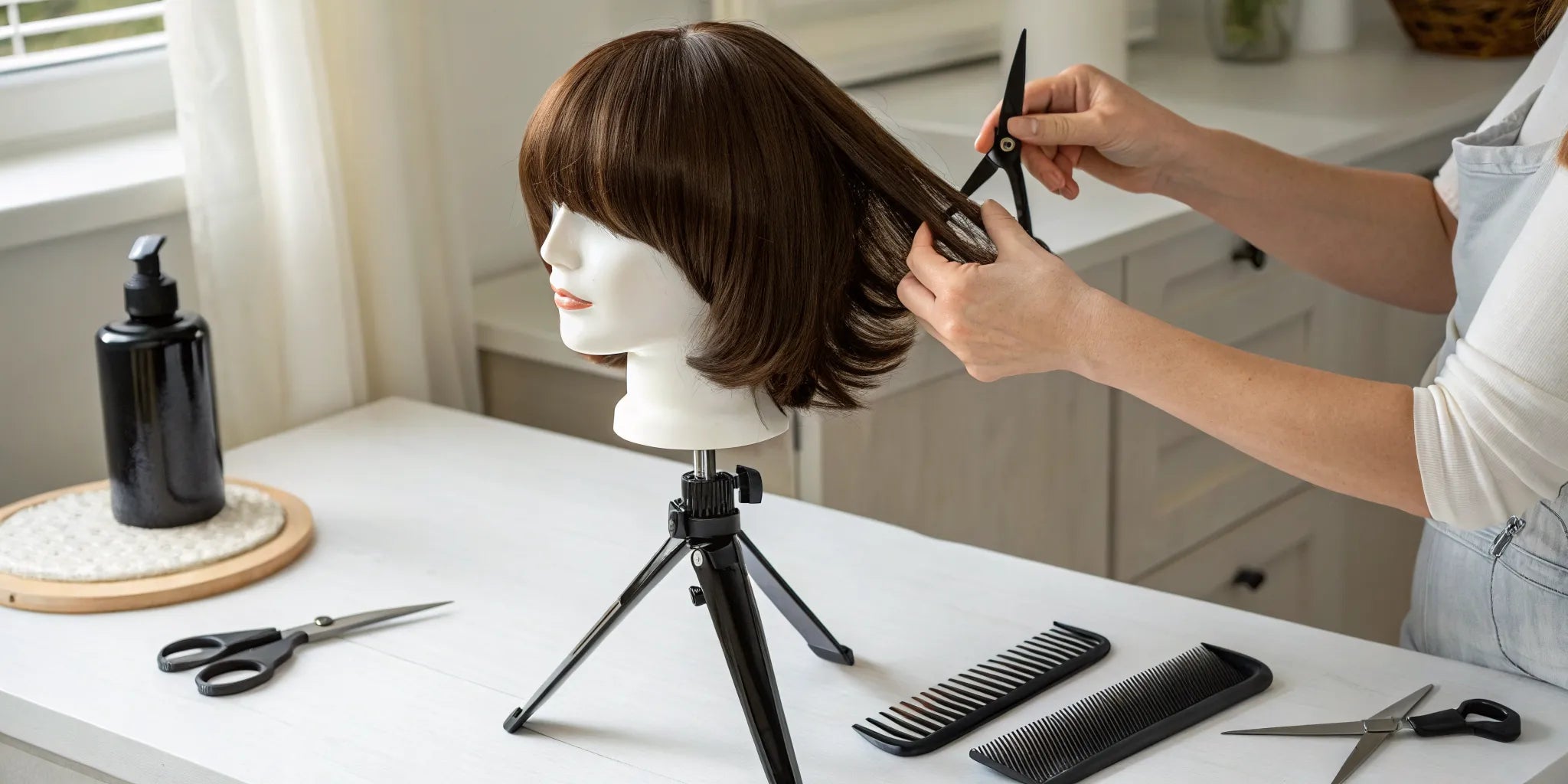
A great wig looks like your own hair, and that almost never happens straight out of the box. That’s why custom styling is so important. A true wig specialist will have expert stylists on staff who can tailor the wig to you. This includes cutting layers that frame your face, adding or adjusting color for a perfect match, and resizing the cap for a secure and comfortable fit. This level of customization is what transforms a wig into a seamless part of your look. When you can shop for a wig knowing it will be perfectly styled for you, it makes all the difference.
Find a Specialist Who Can Guide You Through Insurance
Let’s be honest, navigating insurance paperwork can be a headache. A truly exceptional medical wig provider will help you with this process. Many health insurance plans offer coverage for a "cranial prosthesis," which is the medical term for a wig needed due to hair loss from a medical condition. The best specialists know exactly what documentation your insurance company needs and can provide you with the necessary paperwork to file a claim. This guidance on insurance can make a high-quality human hair wig much more accessible and relieve a significant financial burden, allowing you to focus on your well-being.
Who Can Benefit From a Medical Wig?
A medical wig, professionally known as a cranial prosthesis, is a carefully crafted hair replacement solution for anyone experiencing hair loss due to a medical condition. Unlike off-the-shelf wigs, these are designed with specific medical needs in mind, prioritizing scalp health, comfort, and a natural appearance. From cancer patients undergoing chemotherapy to individuals with chronic conditions like alopecia, a cranial prosthesis can be a transformative tool. It’s not just about hair; it’s about restoring confidence, maintaining a sense of privacy, and helping you feel like yourself. If you're facing medically-induced hair loss, you are precisely the person a cranial prosthesis is designed to help.
Hair Loss from Cancer and Chemotherapy
For many people undergoing cancer treatment, hair loss is a distressing side effect. Chemotherapy can make the scalp incredibly sensitive, and a standard wig can feel itchy and uncomfortable. Medical wigs are specifically designed for this situation. They are made with soft, lightweight materials and feature cap constructions that won't irritate a tender scalp. A high-quality cranial prosthesis provides natural-looking coverage that can help you maintain a sense of normalcy and privacy during your treatment journey. A cranial prosthesis specialist can guide you to a solution that feels secure and comfortable, allowing you to focus on your healing.
Alopecia and Other Conditions
Alopecia is an autoimmune condition that causes hair loss, ranging from small patches (alopecia areata) to complete hair loss on the scalp and body. For those living with this unpredictable condition, a medical wig offers a dependable and empowering solution. Because it is a diagnosed medical condition, many health insurance plans recognize a cranial prosthesis as a medical necessity. This is why working with a specialist who understands insurance documentation is so important. Other conditions, such as thyroid disorders, trichotillomania, and other dermatological issues, can also lead to significant hair loss where a medical wig can provide the right coverage and comfort.
Trichotillomania
Trichotillomania is a disorder that involves recurrent, irresistible urges to pull out hair from the scalp, eyebrows, or other areas of the body, resulting in noticeable hair loss. A cranial prosthesis can serve a dual purpose for individuals with this condition. First, it provides complete and natural-looking coverage, which can restore self-esteem and reduce social anxiety. Second, it can act as a gentle barrier, helping to interrupt the cycle of pulling while allowing the natural hair to regrow underneath. Finding a compassionate specialist who provides a private and supportive environment is key to exploring this option with dignity and care.
Medical Wigs for Children
When a child experiences hair loss, whether from alopecia, cancer treatments, or another medical condition, it can be especially challenging. A child’s wig needs to be more than just a good fit; it needs to be secure enough for the playground, comfortable for all-day wear at school, and completely natural-looking. Medical wigs for children are designed with their active lifestyles in mind, often featuring soft materials and secure, glue-free attachments like silicone strips. The goal is to provide a solution that allows a child to participate in all their favorite activities without a second thought. Seeing the quality of human hair prostheses available can give parents peace of mind in finding a durable and realistic option.
Synthetic vs. Human Hair for Your Medical Wig?
Deciding between a synthetic and a human hair wig is one of the first, and most important, choices you'll make. There’s no single right answer; the best option for you depends on your lifestyle, budget, and what makes you feel most confident. Think of it less as a technical decision and more as a personal one. Are you looking for something you can wear right out of the box with minimal fuss? Or do you want the freedom to style your hair with heat, change your part, and achieve the most realistic look possible? Both are valid paths, and understanding the differences is the key to finding the perfect wig for your life. Especially when you're navigating medical hair loss, the goal is to find a solution that brings you comfort and helps you feel like yourself. Let's walk through the key differences to help you find your perfect fit.
When a Synthetic Medical Wig Makes Sense
Synthetic wigs are a fantastic option if your main priorities are affordability and low maintenance. Made from man-made fibers, these wigs come pre-styled and hold their shape, even after washing. You can literally wash a synthetic wig, let it air dry, and it will pop right back into its original style without any heat styling needed. This makes them incredibly convenient for anyone with a busy schedule or who doesn't feel comfortable styling a wig. They are also less expensive upfront, which can make them a great choice for temporary hair loss or if you want to experiment with different looks without a major financial commitment.
The Natural Look and Feel of Human Hair
If you're looking for the most natural look and feel, a human hair wig is unmatched. Just as the name suggests, these wigs are made from 100% real human hair, which means they move, shine, and feel just like biological hair. You can style them with heat, have them colored by a professional, and part them in different ways, offering incredible versatility. Our collection of human hair medical wigs are designed to be so comfortable and look so natural that you might even forget you're wearing one. This authenticity can be a huge source of comfort and confidence when you just want to feel like yourself again.
Breaking Down the Differences: Cost, Care, and Lifespan
It’s true that human hair wigs are a bigger initial investment than their synthetic counterparts. However, it’s an investment in longevity and quality. With proper care, a high-quality human hair wig can last for years, not just months, making it a very worthwhile choice for daily wear. Plus, you don't have to bear the cost alone. Many insurance plans cover a "cranial prosthesis" for medical hair loss, and we specialize in helping you understand and use your insurance benefits. We can guide you through the entire process to make a beautiful, long-lasting human hair wig completely accessible.
Typical Cost of Medical Wigs
The cost of a medical wig can vary widely, so it helps to have a realistic picture. You can find quality options ranging from around $400 to over $1,000. For highly customized, premium human hair cranial prostheses, prices can be higher, sometimes between $4,000 and $7,000. While a prescription for a cranial prosthesis can open the door to insurance coverage, it's important to know that many plans don't cover the full amount. For example, your insurance might cover $1,500 a year, which makes a significant difference but may not cover the entire cost of a top-tier piece. This is why working with a cranial prosthesis specialist is so valuable; we help you understand your benefits and maximize your coverage to make your ideal wig affordable.
Expected Lifespan and Durability
How long your medical wig lasts depends on the material, construction, and how you care for it. Generally, you can expect a good quality wig to last about six to eight months with regular wear. However, a premium human hair cranial prosthesis is built for durability. It’s designed to be a part of your daily life, not just a temporary accessory. With the right maintenance and gentle handling, a high-quality human hair wig can last for years, not just months. This makes it a worthwhile investment in your long-term comfort and confidence. We always provide detailed care instructions to help you protect your investment and keep your medical wig looking beautiful for as long as possible.
Understanding Different Types of Medical Wigs
When you start shopping for a wig, you'll quickly notice there are a few common types, each with its own unique benefits. Understanding the basic construction can help you narrow down your options and find a piece that feels like it was made just for you. In New York, you'll find specialists who can walk you through these choices, but here’s a quick guide to the most popular styles you’ll encounter.
Lace Fronts for a Natural Hairline
If you love the idea of styling your hair away from your face, a lace front wig is a fantastic option. These wigs have a delicate, sheer lace panel along the front hairline where each hair is individually hand-tied. This creates the illusion of a natural hairline, allowing you to part the hair in different ways or pull it back without anyone noticing it’s a wig. It’s this versatility and realistic finish that make lace front wigs so popular. They give you the freedom and confidence to wear your hair however you feel most comfortable, whether it’s in a chic ponytail or styled with a side part.
Monofilament Caps for Comfort and Versatility
For the most natural-looking scalp and movement, many people turn to monofilament wigs. This design features a soft mesh top where hairs are individually tied, mimicking the way hair naturally grows from the scalp. This means you can part your hair anywhere you like, and it will look completely realistic. Because the material is so soft and breathable, monofilament wigs are an excellent choice if you have a sensitive scalp. They offer incredible comfort for all-day wear while giving you the styling flexibility to create a look that is truly your own. The hand-tied construction allows the hair to move and flow just like natural hair.
Cranial Prosthesis: The Medical-Grade Solution
A cranial prosthesis is the medical term for a wig designed specifically for individuals experiencing hair loss from conditions like alopecia, chemotherapy, or other medical reasons. These aren't just standard wigs; they are crafted with the highest quality materials to ensure maximum comfort, a secure fit, and a completely natural appearance. Often custom-made, a cranial prosthesis is built to feel light and breathable against a sensitive scalp. Because they are considered a medical necessity, they are often eligible for insurance coverage. A specialist can help you understand how to use your benefits to obtain a cranial prosthesis, making a high-quality, beautiful wig much more accessible during a challenging time.
Cap Construction for Sensitive Scalps
When you're dealing with medical hair loss, your scalp can be incredibly sensitive. The last thing you want is a wig cap that feels itchy or irritating. This is where a cranial prosthesis truly differs from a standard wig. They are specifically designed with comfort in mind, often using hand-tied caps made from soft, breathable materials that are gentle on bare skin. Instead of machine-stitched rows of hair, each strand is individually tied to a soft base. This not only creates a more natural movement but also eliminates the rougher materials that can cause discomfort, ensuring you can wear your wig all day without a second thought.
Features for a Secure, Glueless Fit
One of the biggest worries for new wig wearers is security. Will it stay in place? A cranial prosthesis is engineered to address this concern without relying on harsh glues or clips that can damage sensitive skin. Many medical-grade wigs feature thin, strategically placed silicone or polyurethane (PU) strips along the cap's interior. These strips create a gentle grip against your skin, holding the wig securely in place through friction. This glueless design provides incredible peace of mind, allowing you to go about your day with confidence. During a private consultation, a specialist will ensure your wig fits perfectly, so it feels like a secure and seamless part of you.
Hair Quality and Density Options
Achieving a natural look isn't just about the cap; it's also about the hair itself. High-quality cranial prostheses use 100% human hair for the most realistic look and feel. But just as important is the hair density—the amount of hair used to create the wig. Natural hair has a specific thickness, and a wig that is too dense can look unnatural. That's why medical wigs come in various density options, like 100% or 120%, to mimic the look of real hair. A specialist can help you choose a density that matches your age and desired style, ensuring your cranial prosthesis looks believable and not "wiggy."
Achieving a Natural Scalp Appearance
The secret to a truly undetectable wig often lies in the top of the cap. A well-made cranial prosthesis is designed to look like hair is growing right from your own scalp, even up close. This is achieved using features like a monofilament top or HD lace. A monofilament top is a soft, mesh-like material where each hair is individually hand-tied, allowing you to part the hair in any direction. Similarly, HD lace is an ultra-fine, transparent material at the hairline that melts into your skin. As a cranial prosthesis specialist, we know these details are what create confidence, giving you the freedom to style your hair without worrying about the illusion being broken.
How to Find the Best Medical Wig Provider in NYC
Finding the right wig provider in a city as big as New York can feel overwhelming, but focusing your search on a few key qualities will make the process much easier. It’s not just about finding a store that sells wigs; it’s about finding a partner who understands what you’re going through and has the expertise to help you find a solution that makes you feel confident and beautiful. The best providers offer more than just a product. They offer a private, supportive experience from the moment you walk in the door, combining technical skill with genuine compassion. When you find a team that specializes in medical hair loss, you can trust you’re in good hands. They will guide you through every step, from selecting the perfect style to working through the complexities of insurance coverage. This holistic approach is what sets a true specialist apart from a simple retailer. They recognize that a wig is a medical necessity for you, and they treat the process with the sensitivity and professionalism it deserves. Your comfort and confidence are their top priorities, which is a feeling you should have from your very first interaction.
Why Choose a Medical Wig Specialist?
When you’re experiencing hair loss from a medical condition like alopecia or chemotherapy treatments, your needs are unique. Your scalp may be sensitive, and you’ll want a wig that is not only secure and comfortable for all-day wear but also looks completely natural. This is why choosing a medical wig specialist is so important. Unlike a standard wig shop, a medical specialist is trained to understand these specific requirements. They know the difference between a fashion wig and a true cranial prosthesis. A specialist can guide you toward the right materials and cap constructions for a sensitive scalp and provide a truly personalized fitting. They are experts in the field of medical hair loss and are dedicated to helping you find a wig that restores your sense of self.
What Sets a Cranial Prosthesis Specialist Apart?
Visiting a luxury wig boutique should be a comfortable, reassuring, and even enjoyable experience. Forget the image of dusty shelves and limited options. A high-end boutique provides a private, serene environment where you can explore your choices without feeling rushed or exposed. You can expect to find a curated collection of the highest quality wigs, particularly those made from 100% human hair. These pieces are crafted for the most realistic look and feel, with features like lace front and monofilament tops that create a natural-looking hairline and scalp. The focus is on quality, craftsmanship, and a personalized service that helps you find a wig that truly feels like your own hair.
Why a Compassionate, Expert Team Matters
The people you work with can make all the difference in your wig-buying journey. A compassionate and knowledgeable team does more than just sell you a wig; they listen to your story, understand your concerns, and provide expert guidance with kindness. The best teams are made up of experienced stylists and specialists who can help you with everything from choosing a color to custom cutting and styling your new hair. Most importantly, a team with medical wig expertise can be an invaluable ally in handling the practical details. They can help you understand your insurance benefits and even assist with the claims process, taking a significant weight off your shoulders. This level of dedicated support ensures you not only leave with a beautiful wig but also feel cared for throughout the entire process.
Can Insurance Cover Your Medical Wig in New York?
Yes, it’s absolutely possible to get your medical wig covered by insurance in New York. The process can feel a little confusing at first, but once you understand the specific terms and steps, it becomes much clearer. Think of it less as buying a fashion accessory and more as obtaining a necessary medical device. Many insurance plans offer coverage, and with the right guidance, you can successfully use your benefits. The key is to have the correct paperwork and to work with a provider who understands the system.
What Is a Cranial Prosthesis?
The most important term you need to know is "cranial prosthesis." This is the official medical term for a wig intended for individuals with hair loss from conditions like alopecia, chemotherapy, or other medical issues. Insurance companies don't typically cover standard wigs, but they often cover a cranial prosthesis because it's classified as a medical device, similar to any other prosthetic. Your first step is to get a prescription from your doctor specifically for a "cranial prosthesis." This prescription is the foundation of your insurance claim and confirms that your wig is a medical necessity.
How to Use Your Insurance Benefits
Once you have your prescription, the path to using your benefits is a clear, step-by-step process. You will typically pay for your wig upfront and then submit a claim to your insurance company for reimbursement. To do this, you'll need an itemized invoice from your wig provider that explicitly lists the purchase as a "cranial prosthesis" and includes the provider's tax ID number. You will then send this invoice, along with your doctor's prescription, to your insurance company. We highly recommend calling your insurance provider beforehand to understand your insurance benefits and confirm their specific submission requirements.
Questions to Ask Your Insurance Provider
Before you purchase your wig, call your insurance company to confirm the details of your coverage. Being prepared with the right questions will save you time and potential frustration. Start by asking if your plan covers a "cranial prosthesis"—using this exact medical term is crucial. Then, follow up with specifics: What is the maximum coverage amount? How many prostheses are you eligible for each year? Do they have any requirements for the type of wig, or do they have a list of preferred providers you must use? Finally, ask them to walk you through their exact process for submitting a claim. Taking these proactive steps ensures there are no surprises and helps you fully understand your insurance benefits before making a purchase.
Getting the Right Doctor's Prescription
Your doctor's prescription is the most important piece of documentation for your insurance claim. It needs to be more than just a quick note. Ask your doctor to write a prescription for a "cranial prosthesis" and to include your specific diagnosis, such as alopecia areata or hair loss due to chemotherapy. The letter must also include the official medical diagnosis code for your condition and your doctor's National Provider Identifier (NPI) number. Of course, it also needs your doctor's signature. Having all of this information on the prescription from the start makes the claims process much smoother and shows the insurance company that the cranial prosthesis is a medical necessity for your well-being.
Ensuring Your Invoice is Claim-Ready
When you purchase your cranial prosthesis, the invoice you receive is just as important as your doctor's prescription. It cannot simply say "wig." Ask your provider for a detailed medical invoice that clearly lists the item as a "cranial prosthesis." The invoice must also include the store's Tax ID number and the specific HCPCS code for a cranial prosthesis, which is A9282. At NYC Medical Wigs, we handle this for you automatically. We know exactly what information is required and provide you with a claim-ready invoice to ensure your submission process is as seamless as possible when you shop for a medical wig with us.
What to Do if Your Claim is Denied
Receiving a denial letter from your insurance company can be disheartening, but don't give up. An initial denial is often just a request for more information or a correction. First, read the denial letter carefully to understand exactly why the claim was rejected. Was it because you used the word "wig" instead of "cranial prosthesis"? Was a piece of documentation missing? Often, the issue can be resolved by resubmitting with the correct terminology or by providing a more detailed letter from your doctor. Follow your insurance company's formal appeal process and provide any additional information they request. Working with a specialist from the beginning can help prevent these issues altogether.
How Your Specialist Can Help with Insurance Claims
You don’t have to go through this process alone. A dedicated medical wig specialist is an invaluable partner who can guide you from start to finish. Unlike a standard wig shop, a medical specialist understands the nuances of insurance claims. They will ensure your invoice contains all the correct terminology and information that insurance companies require, which can make the difference between a successful claim and a denial. We are here to provide you with the proper documentation and support you need. You can book a consultation with us to discuss your needs and get personalized assistance with the insurance process.
Alternative Financial Assistance
Using an HSA for Your Cranial Prosthesis
If your insurance plan doesn't offer full coverage, or if you have a high deductible, don't lose hope. Your Health Savings Account (HSA) or Flexible Spending Account (FSA) can be a great resource. These accounts allow you to use pre-tax dollars to pay for qualified medical expenses, and a cranial prosthesis absolutely falls into that category. The process is straightforward: you use your HSA/FSA debit card or pay out-of-pocket and then reimburse yourself from the account. The key is having the right documentation. A cranial prosthesis specialist will provide you with the necessary paperwork, like an itemized receipt that clearly identifies the purchase as a medical device, ensuring your expense is properly recorded for tax purposes.
Nonprofit Organizations and Support
You are not alone on this journey, and there is a strong community of support available to you. Several wonderful nonprofit organizations are dedicated to helping individuals experiencing medical hair loss. Groups like the National Alopecia Areata Foundation provide resources and can point you toward programs that help people get wigs, either for free or at a significantly reduced cost. Organizations such as Wigs for Kids, Hair We Share, and Children With Hair Loss focus on providing hair replacement systems to those in need. These groups operate on donations and the kindness of others, working to ensure that anyone who needs a high-quality wig can get one, regardless of their financial situation. Exploring these options can provide not only financial relief but also a powerful sense of community.
4 Common Medical Wig Myths, Busted
If you're new to the world of wigs, you've probably heard a few things that give you pause. It's easy to feel overwhelmed by misinformation, but I'm here to clear things up. Let's walk through some of the most common wig myths and separate the fiction from the facts, so you can feel confident and informed as you start your search.
Myth: "Medical wigs always look like wigs."
This is probably the biggest fear for anyone considering a wig, and it’s completely understandable. The good news is that it's largely untrue. Gone are the days of stiff, obvious wigs. Today’s high-quality wigs, especially those made from human hair, are crafted to be virtually undetectable. In fact, studies show that modern hair prostheses can dramatically improve the quality of life for people with hair loss precisely because they look so realistic. With features like lace fronts that mimic a natural hairline and hand-tied strands that move just like your own hair, a well-made wig can be your best-kept secret.
Myth: "Medical wigs are hot and uncomfortable."
The thought of wearing something on your head all day can sound hot and itchy, but modern medical wigs are designed with comfort as a top priority. Many are built on lightweight, breathable caps that allow for plenty of airflow, preventing overheating. Advanced construction techniques, like hand-tying individual hairs onto a soft base, ensure the wig feels light and moves with you. The key is finding the right material and getting a proper fit. A wig that’s tailored to your head won't feel bulky or insecure, making it easy to forget you’re even wearing one.
Myth: "You should buy your first medical wig online."
While the internet offers endless options, buying a medical wig online is a huge gamble. You can't feel the quality, see the true color, or know if the fit is right. An in-person experience is so important. Visiting a specialist allows you to try on different styles and find what truly suits your face and lifestyle. It also gives you the chance to have your wig professionally fitted and customized. Booking a private consultation ensures you get expert guidance and a piece that you will love to wear, eliminating the guesswork and potential disappointment of an online purchase.
Myth: "A quality medical wig is unaffordable."
It's true that a high-quality human hair wig is an investment, but it doesn't have to be an out-of-pocket expense. If you're experiencing hair loss due to a medical condition, your wig may be classified as a "cranial prosthesis." This medical designation means it's considered a necessary assistive device, not just a cosmetic item. As a result, many health insurance plans will cover a significant portion, or even the full cost, of your wig. Don't let the initial price tag discourage you; there are financial pathways available to make the perfect wig accessible.
What Happens During a Medical Wig Consultation?
A wig consultation is a personal, one-on-one meeting designed to help you find the perfect wig for your needs. Think of it less as a shopping trip and more as a supportive conversation. During your appointment, a specialist will take the time to understand your situation, your lifestyle, and what you hope to achieve with your wig. This is your opportunity to ask questions and share any concerns in a private, comfortable setting. The consultant’s goal is to listen and provide expert guidance, not to pressure you into a sale.
The experience is all about you. You’ll discuss everything from your desired hair color and style to the specific features you need for comfort and a natural appearance. A great specialist will walk you through different cap constructions, hair types, and styling possibilities. At a medical wig boutique, the conversation will also include practical matters like how to care for your wig and how to use your insurance benefits. The entire process is collaborative, ensuring the final choice makes you feel confident and, most importantly, like yourself. You can schedule a consultation to begin this personalized process.
Key Questions to Ask Your Specialist
Going into your consultation with a few questions prepared can help you get the most out of your appointment. If you plan to use insurance, start there. Ask if they can help you file a claim for a "cranial prosthesis" and what the typical reimbursement process looks like. It’s also smart to ask about the wigs themselves. Inquire about the differences between human hair and synthetic options, the types of cap constructions available, and which is best for a sensitive scalp. Don’t forget to ask about maintenance: find out how to properly wash, style, and store your wig to keep it looking beautiful.
Choosing Between an In-Person or Virtual Consultation
Choosing between an in-person or virtual consultation often comes down to personal preference and convenience. An in-person visit allows you to see and feel the wigs firsthand. You can try on different styles, compare colors in natural light, and get an immediate sense of the fit and comfort. For many, this tactile experience is essential for making a confident decision. However, virtual consultations offer incredible flexibility. If you can’t travel or simply prefer the privacy of your own home, a video call with a specialist can be just as effective. A skilled consultant can show you options up close and guide you through taking measurements to ensure a perfect fit. The best providers offer both, letting you choose the path that works for you.
How to Choose the Right Cranial Prosthesis Specialist
Finding the right wig store is just as important as finding the right wig. You deserve a supportive, knowledgeable, and comfortable environment where your needs are the top priority. This isn't just a transaction; it's a step toward feeling like yourself again. When you start your search, focus on finding a partner who will guide you through the process with compassion and expertise. The best stores offer more than just products; they provide a personalized experience that helps you feel confident and cared for from the moment you walk in. Look for a place that understands the nuances of medical hair loss and is equipped to answer all your questions, from styling to insurance.
What Are Your Personal Needs and Lifestyle?
Your experience with hair loss is entirely your own, and the right wig store will honor that. Look for a specialist who focuses on clients with medical hair loss from conditions like alopecia or chemotherapy treatments. These stores have a deeper understanding of what you’re going through and what you need in a wig: comfort, security, and a natural look. The goal is to find a team that is dedicated to helping you feel confident and beautiful. A store that centers its mission on medical clients will have the right products and, more importantly, the right approach to help you find a piece that feels like it was made just for you.
Considering Your Budget and Insurance Coverage
Let’s be honest, budget is a real factor. High-quality human hair wigs are an investment, and it's normal to be concerned about the cost. In fact, studies show that many people find wig prices to be a significant hurdle. A great wig provider understands this. Instead of just showing you price tags, they should work with you to find beautiful options within your budget. Most importantly, they should be experts in helping you use your health insurance benefits. A store that actively helps you get coverage for your cranial prosthesis can make a high-end wig much more accessible, turning a major expense into a manageable one.
Verify Their Experience with Cranial Prostheses
When you’re looking for a medical wig, you need more than a standard retail experience. Seek out a store with proven expertise in cranial prostheses. A true specialist will understand the technical aspects, like cap construction for sensitive scalps and the different types of hair used. They should be able to explain the benefits of a monofilament top or a lace front with clarity. A provider with this expertise will stock a curated collection of medical-grade wigs designed for security and a realistic appearance. This level of knowledge ensures you’re not just buying a wig, but investing in a high-quality prosthesis that meets your specific medical and aesthetic needs.
Spotting the Green Flags (and Red Flags)
As you evaluate stores, pay attention to the signals they send. A major green flag is a focus on personalized, private consultations. You should feel comfortable, not rushed, and have the chance to try on different styles. A store that offers custom styling and alterations is also a great sign. The biggest green flag of all is a team that proactively offers to handle the insurance paperwork for you. On the other hand, a red flag is any store that pressures you to buy online without a fitting or is vague about insurance reimbursement. Your comfort and confidence are key, so choose a provider who offers a supportive consultation process from start to finish.
Related Articles
- Your Guide to a Cranial Prosthesis Specialist Near Me
- Cranial Prosthesis vs. Wig: What's the Difference?
- Medical Wig Covered by Insurance: The Complete Guide
- What Is a Medical Wig? The Complete Guide
- How to Find the Best Wig Store Near Me
Frequently Asked Questions
What's the very first thing I should do if I want to use my insurance to cover a wig? Your first step is to schedule an appointment with your doctor. You will need to ask for a prescription specifically for a "cranial prosthesis," which is the medical term insurance companies recognize for a wig needed due to hair loss. This prescription is the key piece of documentation that confirms your wig is a medical necessity. Once you have it, a medical wig specialist can help you with the rest of the claims process.
I'm not sure if I should choose a human hair or synthetic wig. How do I decide what's best for me? The best way to decide is to think about your daily routine and styling preferences. If you want a low-maintenance option that holds its style right out of the box and is more affordable upfront, a synthetic wig is a fantastic choice. If you prioritize styling versatility (using heat tools, changing your part) and the most natural look and feel possible, a human hair wig is an investment in realism and longevity that many people find worthwhile.
I'm a little nervous about a wig consultation. What actually happens during the appointment? It's completely normal to feel nervous, but a consultation is designed to be a private, supportive, and pressure-free conversation. A specialist will listen to your story, answer your questions, and help you understand your options. You'll be able to try on different styles in a comfortable setting to see what feels right for you. The entire appointment is focused on your comfort and finding a solution that helps you feel confident again.
Will a medical wig feel hot and uncomfortable, and will people be able to tell I'm wearing one? These are two of the most common worries, but modern medical wigs are designed to solve both issues. High-quality wigs are made with lightweight, breathable caps that allow for airflow, so they don't feel hot or heavy. As for looking natural, features like a lace front and a monofilament top create a completely realistic hairline and scalp. When a wig is properly fitted and styled, it can be so seamless that even you might forget you're wearing it.
A human hair wig is an investment. How long can I expect it to last, and what can I do to take care of it? With proper care, a high-quality human hair wig can last for a year or even longer, making it a very durable choice for daily wear. To keep it looking its best, you should treat it gently, just as you would your own hair. This means using sulfate-free shampoos and conditioners, washing it carefully in cool water, and allowing it to air dry on a wig stand to help maintain its shape and the integrity of the cap.