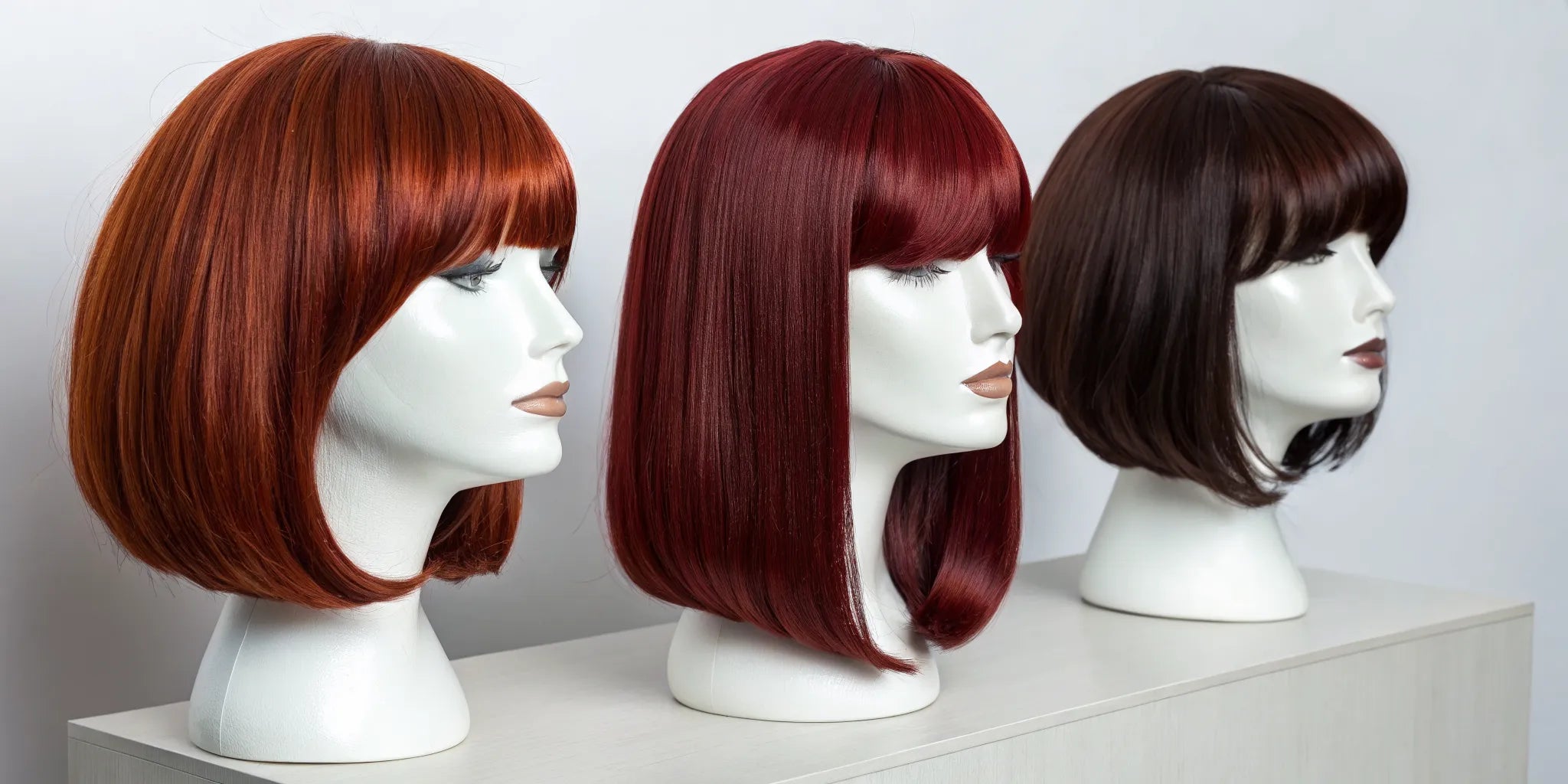
Red Wig with Bangs: A Medical Wig Buyer's Guide
The price of a premium human hair wig can feel overwhelming. But what if that gorgeous red wig with bangs you’ve been dreaming of is actually within reach? If you’re experiencing medical hair loss, your insurance plan may cover a significant portion of the cost for a cranial prosthesis—the medical term for your wig. We specialize in helping clients understand and use these benefits, taking the financial stress out of the equation. Our goal is to make beautiful medical wigs an attainable reality, so you can focus on feeling confident and choosing a style you love.
Key Takeaways
- Choose features for a seamless look: For the most natural appearance, select a human hair wig for its realistic movement and styling options. A lace front or monofilament cap will create an undetectable hairline and part, making the wig look like it's your own hair.
- Use your insurance for a medical wig: Your wig may be covered by insurance if it's for medical hair loss. Start by getting a prescription from your doctor for a "cranial prosthesis," then let a specialist help you with the paperwork to make the process easier.
- Protect your investment with simple care: Keep your wig looking beautiful by washing it gently with cool water, using low heat for styling, and storing it on a wig stand. Keeping it out of direct sunlight is also essential to prevent the color from fading.
Finding a Red Medical Wig That Feels Like You
Choosing a new wig is an exciting process, and adding a vibrant red shade with bangs can completely refresh your look. The key is finding the combination of color, cut, and style that makes you feel confident and beautiful. Think of it as a fun way to express your personality. With so many options available, you can find a piece that feels like it was made just for you. Let’s walk through how to select the perfect red wig with bangs.
How to Choose Your Most Natural-Looking Red
The world of red wigs is incredibly diverse. You can find everything from a deep, rich burgundy and wine red to a bright, playful cherry. Some styles even incorporate black or blonde highlights for added dimension. A great starting point is to consider your skin tone; warmer skin tones often pair beautifully with copper and auburn, while cooler skin tones can pop with berry and true red shades. Beyond color, you can explore our collection of human hair wigs in styles like chic bobs, long flowing layers, and bouncy curls to find a look that truly suits you.
Custom Coloring for a Perfect Match
While considering your skin's undertones is a helpful starting point, you don't have to feel limited by pre-made shades. The true beauty of a high-quality human hair cranial prosthesis is its versatility. Unlike many alternatives, it can be professionally colored to achieve the exact look you want. Whether you're hoping to perfectly replicate your natural hair color from photos or want to explore a completely new shade of vibrant red, custom coloring makes it possible. During a private consultation, we can discuss your vision and create a personalized color formula, ensuring your new medical wig feels uniquely and authentically you.
Which Bang Style Will Best Suit Your Face?
Bangs are fantastic for framing your face and highlighting your eyes. The right style can soften your features and add structure to your look. Curtain bangs, which are parted down the middle and swept to the sides, are incredibly popular because they flatter nearly every face shape. For a bolder statement, blunt bangs cut straight across create a sharp, classic look that works well for oval faces. If you prefer something softer, wispy bangs offer a light, feathered texture that adds movement. During a private consultation, we can help you try on different styles to see which bangs make you feel your best.
Selecting the Right Length and Texture for a Seamless Look
Once you have a color and bang style in mind, it’s time to think about length and texture. While short bobs are always in style, don't hesitate to consider medium or long lengths if they fit your lifestyle. The texture of the hair is just as important. While synthetic wigs come in many colors, they don't offer the same styling flexibility as natural hair. A human hair wig allows you to use heat tools to straighten, curl, and style it just like your own hair, giving you endless versatility. This makes it easier to maintain your look and adapt it for any occasion.
Addressing the Emotional Side of Choosing a Medical Wig
Losing your hair is a deeply personal experience, and we understand that choosing a medical wig comes with a complex mix of emotions. It’s completely normal to feel overwhelmed, sad, or even a little anxious. But this can also be a moment to reclaim your sense of self and have some fun expressing your personality. Finding a comfortable and supportive environment is crucial. If the idea of a busy store feels stressful, a one-on-one appointment can make all the difference. That's why we offer a compassionate and private space for you to explore your options without any pressure. During a private consultation, we can guide you through every step, helping you find a piece that not only looks natural but also makes you feel like yourself again.
What Defines a High-Quality Medical Wig?
Choosing a wig is a personal process, and with so many options out there, it’s easy to feel a bit lost. But finding a piece that makes you feel confident and beautiful comes down to knowing what to look for. A high-quality wig isn’t just about the hair itself; it’s about the construction, the fit, and how it complements you. Let’s walk through the key elements that separate a great wig from a mediocre one, so you can make a choice that feels right for you.
Human Hair vs. Synthetic for Your Medical Wig
One of the first decisions you’ll make is between human hair and synthetic fibers. Synthetic wigs are often more budget-friendly and hold their style with minimal effort, making them a decent choice for temporary or occasional wear. However, they can’t be styled with heat and don't offer the same natural movement as human hair. For daily wear, nothing compares to a human hair medical wig. They look and feel incredibly natural, can be styled with heat tools just like your own hair, and last much longer with proper care. It’s an investment in yourself that truly pays off in comfort and confidence.
Lace Front vs. Monofilament: What's Best for a Natural Hairline?
The inside of the wig, or the cap, is just as important as the hair on the outside. It determines how comfortable the wig is and how natural it looks. A lace front cap features a sheer mesh panel along the hairline where hairs are individually tied, creating the illusion that the hair is growing right from your scalp. A monofilament top does something similar for the crown, allowing you to part the hair in any direction for ultimate styling freedom. During a personal consultation, we can help you explore these options to find the perfect, most comfortable fit for you.
How to Match a Wig to Your Unique Features
To ensure your wig looks like it was made for you, consider its length, density, and color. The right length often depends on your lifestyle and what you feel most comfortable managing. Density refers to the thickness of the hair. A 130% density offers a very natural, fine look, while 150% provides a bit more fullness without appearing bulky or unrealistic. When it comes to color, especially a vibrant shade like red, finding the right tone to complement your skin is key. You can find more tips on our FAQs page to help guide your choice.
Understanding Hair Density Options
When selecting a medical wig, "density" simply refers to the thickness of the hair on the cap. The goal is to find a level of fullness that looks natural and feels right for you. For example, a 130% density offers a very natural, fine look that closely mimics biological hair, while a 150% density provides a bit more volume without appearing bulky or unrealistic. The right choice often comes down to personal preference—some women prefer a lighter feel, while others desire more coverage. During a consultation, we can help you compare different densities to find the perfect balance for your cranial prosthesis.
Customizable Parting for a Realistic Scalp
One of the most important features for a natural look is a realistic scalp appearance, which is where cap construction comes in. A lace front cap features a sheer mesh panel along the hairline where hairs are individually tied, creating the illusion that the hair is growing right from your scalp. This allows you to confidently wear your hair pulled back. A monofilament top does something similar for the crown, allowing you to part the hair in any direction for ultimate styling freedom. These details are what elevate a medical wig, giving you the versatility to change your look and feel completely comfortable. We can walk you through these options during a private consultation.
Budgeting for Your Cranial Prosthesis Investment
High-quality human hair wigs are an investment, with prices reflecting the craftsmanship and materials used. While it’s helpful to have a budget in mind, it’s also important to know that you may not have to bear the full cost alone. If you're experiencing hair loss due to a medical condition, your wig may be considered a cranial prosthesis. This means you could be eligible for significant insurance coverage. We specialize in helping our clients understand and use their benefits, making a luxury medical wig much more accessible. You can learn more about how we can help with the insurance process on our website.
Factors That Influence the Cost of a Medical Wig
Understanding the price of a medical wig means looking at the craftsmanship and materials that go into creating a piece that looks and feels natural. The most significant factor is the hair itself. A human hair cranial prosthesis will be a larger investment than a synthetic piece, but its quality, longevity, and ability to be styled just like your own hair make it worthwhile. The cap construction also plays a major role; features like a lace front or a monofilament top require meticulous hand-tying to create a seamless hairline and a realistic part, which is reflected in the cost. Finally, longer hair and higher density (more hair per square inch) increase the price because they require more material and labor to produce.
Our Custom Red Medical Wigs and Cranial Prostheses
Finding a wig that feels like you is a deeply personal process, especially when you're managing medical hair loss. At NYC Medical Wigs, we specialize in creating luxurious, comfortable wigs that restore confidence and reflect your personal style. Our collection of red human hair wigs with bangs is designed with your needs in mind, combining vibrant color with high-quality construction for a look that is both stunning and incredibly natural. We believe your wig should be a source of joy, not stress, which is why we focus on premium materials and thoughtful design.
The Real Benefits of a Human Hair Medical Wig
When your goal is a wig that looks and feels undetectable, human hair is the best choice. Unlike synthetic alternatives, our human hair medical wigs move, shine, and feel just like your own hair. They offer incredible styling versatility, meaning you can use heat tools like curling irons and straighteners to create any look you desire. With the right care, a human hair wig is also a lasting investment, maintaining its quality and beauty for much longer than synthetic options. For daily wear, this durability and natural appearance can make all the difference in feeling comfortable and confident.
How We Customize Your Wig to Match You Perfectly
One of the best parts about choosing a wig is the freedom to experiment with your look without commitment. Have you always wanted to try bangs? A wig is the perfect way to do it. You can find the ideal fringe to frame your face, whether you prefer soft, wispy bangs or a bold, straight-across cut. Our goal is to help you find a style that feels authentic to you. During a private consultation, we can work with you to select the perfect shade of red, length, and bang style to create a look you’ll absolutely love to wear.
Explore Our Comfortable and Realistic Cap Designs
The secret to a truly realistic wig lies in the cap construction. Our red wigs feature lace front and monofilament designs to create a flawless finish. A lace front wig has a delicate, transparent lace panel along the hairline where each hair is hand-tied. This piece sits flat against your skin, creating the illusion that the hair is growing directly from your scalp. Similarly, a monofilament top allows each hair to move freely and independently, mimicking the natural movement of biological hair. These caps are also designed for comfort, with adjustable straps to ensure a secure, gentle fit for sensitive scalps.
Can Insurance Cover Your Medical Wig?
If you’re wondering whether your insurance can help cover the cost of a medical wig, the short answer is often yes. Many insurance plans provide coverage for what they refer to as a “cranial prosthesis.” This is the medical term for a wig needed for hair loss due to a medical condition. Using this specific term is key when you talk to your insurance provider and file a claim. Insurance companies are increasingly recognizing that a high-quality wig is not just a cosmetic item; it’s an essential part of your well-being and emotional health during a challenging time. While every policy is different, coverage for a cranial prosthesis is becoming more common. The process can feel a bit complex, but understanding how it works is the first step toward getting the financial support you deserve. We specialize in helping our clients understand and use their insurance benefits to make a beautiful human hair wig accessible.
Do You Qualify for Insurance Coverage?
Qualification for insurance coverage typically depends on your medical diagnosis. If you are experiencing hair loss as a result of a medical condition or its treatment, you will likely be eligible. This includes hair loss from chemotherapy or radiation for cancer, as well as conditions like alopecia. The American Cancer Society confirms that coverage often hinges on your specific diagnosis and treatment plan. To begin the process, you will need a prescription for a "cranial prosthesis" from your doctor. This formal prescription is the most important piece of documentation you’ll need, as it officially states that your wig is a medical necessity.
Steps to Use Your Insurance for a Cranial Prosthesis
Once you have your prescription, you can take a few simple steps to use your insurance benefits. First, call your insurance provider to confirm the details of your coverage for a cranial prosthesis. Ask about the reimbursement amount and what specific paperwork they require. After you purchase your wig from a provider like us, make sure you get a detailed receipt that lists it as a "cranial prosthesis." Finally, you’ll submit a claim form to your insurance company along with your doctor’s prescription and the purchase receipt. CancerCare provides a helpful overview of this process if you want to read more.
How We Can Help with Your Insurance Claim
We know that dealing with insurance paperwork is the last thing you want to focus on. That’s why our team is here to guide you. We have years of experience working with insurance companies and can help you gather the right documents and understand your policy. The National Alopecia Areata Foundation also recommends working with wig specialists who can assist with the claims process. Our goal is to handle the details for you so you can focus on choosing a wig you love. Book a free consultation with us, and we’ll walk you through every step, from checking your benefits to submitting your final claim.
Tips for Wearing Your Wig with Confidence
Learning to wear a wig can feel like a new skill, but it quickly becomes second nature. The goal is for your cranial prosthesis to feel like a part of you, giving you the freedom to go about your day without a second thought. True confidence comes from knowing your wig is secure, comfortable, and looks completely natural. It starts with a proper fit and a few simple application techniques that make all the difference. When your wig feels right, you can forget it’s even there and focus on feeling like yourself again. Below, we’ll share some practical tips for positioning your wig perfectly and caring for your scalp, especially during sensitive times like chemotherapy. These small steps will help you wear your new hair with ease and self-assurance, allowing your personality to shine through.
How to Put on a Wig with Bangs Correctly
Putting on your wig correctly is the key to an undetectable look and a secure feel. First, prepare your base. If you have biological hair, you’ll want to get it as flat as possible. Brushing it back and securing it in flat pin curls or a low bun works well. Next, it’s all about placement. A simple trick is the "four-finger rule": place four fingers flat on your forehead with your pinky finger resting on your eyebrow line. The front of the wig should sit right where your index finger lands. This ensures a natural-looking hairline that isn’t too far forward or back. Once positioned, you can adjust the straps inside the cap for a snug, comfortable fit that will stay put all day. During a private consultation, we can show you these techniques in person to ensure you feel completely comfortable.
Wearing a Cranial Prosthesis During Chemotherapy
When you’re undergoing chemotherapy, your scalp can become incredibly sensitive, making comfort the top priority. A high-quality cranial prosthesis is designed with this in mind, using soft, breathable materials that won’t irritate your skin. Look for wigs with monofilament tops or hand-tied caps, which are gentle and lightweight. For an extra layer of protection, a soft wig liner made from cotton or bamboo can provide a soothing barrier between the wig and your scalp. It’s also important to care for your wig gently by washing it with cool water and avoiding high heat. This not only preserves the life of your wig but also keeps the fibers soft and comfortable against your skin. Our medical-grade wigs are specifically designed to provide maximum comfort for those with sensitive scalps.
Caring for Your Human Hair Medical Wig
You’ve invested in a beautiful red wig, and now it’s time to give it the care it deserves. Proper maintenance is the key to keeping your wig looking vibrant and feeling soft for as long as possible. Think of it as a simple routine that protects the style, color, and integrity of your hair. A little bit of attention goes a long way in preserving the natural look and feel of your wig, ensuring you can wear it with confidence day after day. Whether you have a human hair or synthetic wig, these steps will help you maintain its beauty from the first wear to the last.
How to Properly Wash and Condition Your Hair Prosthesis
Washing your wig correctly is the foundation of good care. For our human hair medical wigs, we recommend washing after every 10 to 15 wears to keep the hair clean and manageable. Always use cool water, as hot water can damage the fibers and the cap construction. Gently work a shampoo specifically designed for wigs through the hair, then rinse thoroughly. Follow up with a wig conditioner, focusing on the mid-lengths and ends while avoiding the cap. Instead of twisting or wringing the hair, carefully blot it with a towel and lay it flat or place it on a wig stand to air dry. This gentle approach prevents stretching and preserves the hair’s quality.
Safely Maintaining and Styling Your Bangs
Bangs frame your face, so you want them to look perfect. To style the bangs on a human hair wig, you can lightly mist them with water and use a round brush with a blow dryer on a low heat setting. For synthetic wigs, avoid heat entirely. Instead, you can use a bit of cool air from a hairdryer to help shape them if they’ve gotten a little flat. A great tip is to style the bangs while the wig is on a mannequin head. This gives you better control and helps you see exactly how they will fall before you put the wig on for the day.
The Best Way to Store Your Wig and Preserve Its Color
How you store your wig is just as important as how you wash it. To maintain its shape and prevent tangles, always place your wig on a wig stand or mannequin head when you’re not wearing it. This is especially crucial for keeping the bangs and overall style intact. More importantly, find a storage spot away from direct sunlight, which can cause that gorgeous red color to fade over time. For longer-term storage, a breathable bag is a great option to protect it from dust. If you have more questions about wig care, our FAQ page is a great resource for quick answers.
Related Articles
- The 7 Best Black Wigs with Bangs for 2026
- Brown Wig with Bangs: The Ultimate Buyer's Guide
- How to Choose the Best Blonde Wig with Bangs
Frequently Asked Questions
How do I know which shade of red and bang style will actually look good on me? Finding the right combination is all about what makes you feel most like yourself. As a general guide, warmer skin tones are often complemented by copper and auburn shades, while cooler skin tones can really pop with true reds and berries. For bangs, consider your face shape and personal style. The best way to eliminate any guesswork is to try on different options. During a private consultation, you can experiment with various colors and cuts to see firsthand what you love.
Human hair wigs are a big investment. Are they really worth the extra cost compared to synthetic ones? For anyone planning to wear their wig daily, a human hair wig is an investment that pays off in confidence and comfort. The main difference is the natural appearance and styling freedom. Human hair moves and feels just like your own, and you can use heat tools to straighten or curl it for different looks. While synthetic wigs can be a good choice for temporary or occasional wear, they don't offer that same versatility and won't last as long with consistent use.
The insurance process seems complicated. What's the most important first step I should take? It can feel like a lot to handle, but the most important first step is actually quite simple: talk to your doctor. You will need to ask for a formal prescription for a "cranial prosthesis." This is the medical term for a wig, and having this prescription is the official documentation you need to show your insurance provider that your wig is a medical necessity. With that one document, the rest of the process becomes much clearer.
I'm worried a wig will look fake or feel uncomfortable. What makes a wig look natural and feel good to wear? This is a very common and valid concern, and it's where quality construction makes all the difference. A natural look comes from features like a lace front, which creates an undetectable hairline, and a monofilament top that lets you part the hair however you like. For comfort, these caps are designed to be lightweight, breathable, and soft against the skin. A secure, adjustable fit ensures the wig feels snug without being too tight, which is especially important for anyone with a sensitive scalp.
How much work is it to take care of a human hair wig? I don't want to spend hours on upkeep. You might be surprised at how manageable the care routine is. It's much like caring for your own hair, just far less frequent. You'll only need to wash it after about 10 to 15 wears using a shampoo and conditioner made for wigs. The most important things are to be gentle, use cool water, and let it air dry on a proper stand. Storing it away from direct sunlight will also keep the color vibrant. It's a simple routine that protects your investment without demanding a lot of your time.