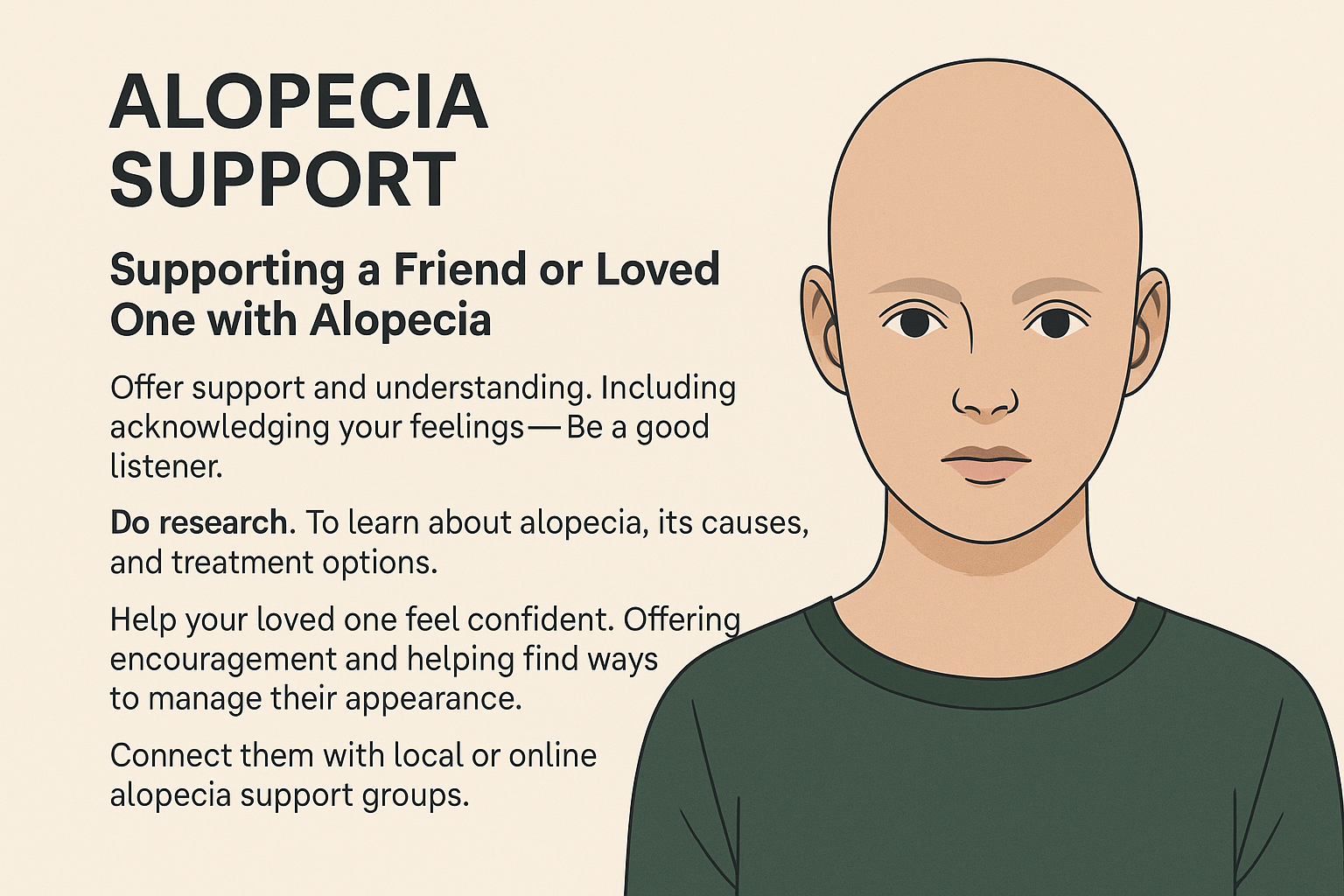
A Supportive Guide for Women Living with Alopecia
Receiving an alopecia diagnosis is stressful enough without having to worry about the cost of solutions. Finding a high-quality medical wig that makes you feel confident shouldn’t add a financial burden to your plate. Many women don’t realize that a "cranial prosthesis" (the medical term for a wig) is often covered by health insurance. This guide is designed to provide both emotional support and practical financial guidance for women living with alopecia. We’ll explain how the insurance process works, what to ask your doctor for, and how you can get a beautiful, natural-looking wig without paying entirely out-of-pocket.
A Supportive Guide for Women Living with Alopecia
Hair loss can feel isolating, especially when it's caused by something beyond your control. But if you're living with alopecia, we want you to know: you are not alone.
At NYC Medical Wigs, we’ve supported hundreds of women navigating hair loss from autoimmune conditions like alopecia Areata, alopecia Totalis, and traction alopecia. This guide is here to help you understand your options, support your emotional journey, and remind you that you are still whole, still powerful, and still beautiful.
What Exactly Is Alopecia?
Alopecia is an autoimmune condition where your body attacks hair follicles, leading to partial or complete hair loss. It affects over 6.8 million people in the U.S., and women of all ages and backgrounds are impacted.
The Autoimmune Connection: What Causes Alopecia?
So, what’s happening on a biological level? Alopecia areata is an autoimmune disease, which is a clinical way of saying your body’s defense system gets a little confused. Instead of fighting off outside germs, it mistakenly attacks your hair follicles—the tiny structures in your skin that grow hair. This isn’t because of something you did or didn’t do; it’s an internal response that disrupts the hair growth cycle. Understanding this can be the first step in processing your diagnosis and exploring what comes next on your terms.
Understanding the Numbers: Key Alopecia Statistics
It’s easy to feel like you’re the only one going through this, but the numbers tell a different story. Alopecia areata affects approximately 6.8 million people in the United States alone. While every person’s experience is unique, this statistic shows that there is a vast community of women who understand the journey. You are part of a strong, resilient group, and there are resources and support systems available to help you feel confident and beautiful as you define it.
What Are the Different Types of Alopecia?
Alopecia Areata: Patchy hair loss on the scalp or body
Alopecia Totalis: Complete loss of hair on the scalp
Alopecia Universalis: Total loss of hair on the body
Traction Alopecia: Caused by consistent pulling or tension from hairstyles
No matter which type you are facing, there are solutions and support available.
Coping with the Emotions of Hair Loss
Losing your hair can be emotional. For many women, it affects:
Confidence
Sense of femininity
Willingness to go out socially
Mental health
It's okay to grieve the change. And it's okay to seek support, speak with a therapist, or join a community of women who understand what you're going through. Because guess what? You are not your hair.
The Emotional Rollercoaster of Alopecia
If you’ve felt a whirlwind of emotions since your diagnosis, you’re not alone. The National Alopecia Areata Foundation notes that losing hair often brings on feelings of sadness, anger, fear, and even grief. For many women, hair is deeply tied to identity, so this change can feel like losing a part of yourself. It’s completely valid to feel a sense of loss for the hair you once had. Allowing yourself to process these emotions without judgment is a crucial first step. Remember to be kind to yourself during this time; there is no "right" way to feel. Your journey is your own, and every feeling you have is a legitimate part of it.
The Unpredictable Nature of Alopecia
One of the toughest parts of living with alopecia is its unpredictability. The cycle of hair loss and regrowth can feel completely out of your control, adding a layer of stress to daily life. Waking up and not knowing what you’ll see in the mirror can be draining, making it difficult to feel settled and secure. This constant uncertainty is a challenge that only those who have experienced it can truly understand. Finding ways to ground yourself, whether through mindfulness, a consistent routine, or focusing on other aspects of your health and wellness, can be a powerful coping mechanism during these times.
Sharing Your Story: The Challenge of Disclosure
Deciding who to tell about your alopecia—and when—is a deeply personal choice. Some women feel empowered by sharing their stories openly, while others prefer to keep their condition private, using wigs or hats to maintain a sense of normalcy. As one woman shared in a story for Pfizer, this decision is often tied to a complex relationship with self-acceptance and the fear of how others might react. There is no right or wrong path, and you don't owe anyone an explanation. Your comfort and sense of security are what matter most, so do what feels best for you.
The Complex Role of Wigs: Security and Secrecy
For many women, a high-quality wig can be a game-changer. It can restore a sense of self, femininity, and confidence, allowing you to face the world feeling like yourself again. However, it can also introduce a feeling of secrecy or anxiety about someone discovering your hair loss. This duality is a common experience. The goal is to find a piece that feels so natural and comfortable that it becomes a part of you, not something you have to hide. Exploring different human hair medical wigs, especially those with features like lace fronts and monofilament tops, can help you find a style that gives you security without the stress.
Supporting Loved Ones: The Impact on Family
Alopecia doesn't just affect the person who has it; it impacts their entire support system. Parents, partners, and close friends often experience their own set of emotions, from helplessness and frustration to a fierce desire to protect their loved one. It’s important for family members to find their own support and acknowledge their feelings so they can be the best possible allies. Open communication is key, as talking about the experience together can strengthen your relationships. Encouraging loved ones to learn more about the condition can also help them understand what you're going through and ensure everyone feels heard and supported.
Your First Steps Forward
Talk to your doctor about your diagnosis and get a prescription for a cranial prosthesis
Schedule a wig consultation – even if you’re not ready to buy
Take photos of yourself before, during, and after treatment. Your story matters.
Affirm yourself daily: You are beautiful, bold, and enough.
Medical Treatment Options to Discuss With Your Doctor
Understanding your medical options is a great first step. Since alopecia areata is an autoimmune disease, your body’s defense system is mistakenly attacking your hair follicles. Your dermatologist or primary care physician can help you understand the specifics of your diagnosis and what treatments might be right for you. Some people find success with over-the-counter medicines like Minoxidil (Rogaine), which can help speed up hair growth. Your doctor can also provide a prescription for a "cranial prosthesis," which is the medical term for a wig. This prescription is often the key to getting your insurance to cover the cost, a process we can help you with during a free consultation.
Managing Stress for Better Well-being
The connection between stress and hair loss is real, and it can sometimes feel like a frustrating cycle. According to experts at Mount Sinai, stress can make hair loss worse, so making healthy habits a priority is more important than ever. This doesn’t mean you need a complicated self-care routine. It can be as simple as taking a walk, practicing deep breathing for a few minutes, or setting aside time for a hobby you love. Taking care of your mental well-being through stress management is a powerful way to support your body and mind. It’s about giving yourself grace and finding small, consistent ways to feel more grounded and in control during an unpredictable time.
Finding Your Community
One of the hardest parts of living with alopecia can be the feeling of isolation. It’s easy to feel like you’re the only one going through this, but millions of others understand exactly what you’re experiencing. Finding a support group allows you to connect with others who can share their stories, offer practical advice, and simply listen. Organizations like the National Alopecia Areata Foundation (NAAF) offer incredible resources, including local groups and online forums. For many, connecting with people who "get it" is a turning point. It reminds you that you aren’t alone and that a full, vibrant life is absolutely possible.
When to Seek Professional Mental Health Support
While community and self-care are vital, sometimes you need a little extra support, and that is perfectly okay. If you find yourself struggling with persistent feelings of sadness or worry, it might be time to get help from a professional. A therapist or counselor can provide a safe space to process the complex emotions that come with hair loss. They can equip you with personalized coping strategies to manage anxiety and build resilience. Think of it as adding another expert to your support team. Taking that step to care for your mental health is a sign of incredible strength and an investment in your overall well-being.
Finding the Right Wig for You
At NYC Medical Wigs, we specialize in cranial prostheses: medical wigs that look stunning, feel lightweight, and are designed for sensitive scalps. We offer:
100% human hair wigs in every texture
Glueless lace wigs that are gentle and secure
Custom sizing & insurance receipts
Private fittings and compassionate stylists
Most importantly, we accept insurance and help you navigate the paperwork.
Practical Hair and Scalp Care Tips
Whether you're managing patchy hair, caring for a fully bare scalp, or nurturing new regrowth, your scalp deserves attention. A healthy, comfortable scalp is the foundation for everything else, and a few simple habits can make a world of difference. Think of it as a self-care routine that supports your well-being from the top down.
- Be gentle with your products. Treat your scalp with the same care you give the skin on your face. Use mild, sulfate-free shampoos to avoid stripping natural oils and causing irritation. This approach helps protect any remaining hair and keeps your follicles happy.
- Keep your scalp clean and calm. Regular, gentle washing is key to maintaining a healthy scalp. If you're dealing with itchiness, some anti-dandruff shampoos can offer relief. As noted by Everyday Health, ingredients like ketoconazole can be particularly effective at soothing irritation.
- Style with kindness. For any hair you have, always comb gently from the ends up to the roots to prevent breakage. Try to stick with loose hairstyles that don't pull or create tension, as tight styles can sometimes worsen hair loss.
- Ensure your wig fits perfectly. If you wear a wig, a proper fit is non-negotiable for comfort. A wig that’s too tight can cause friction and scalp irritation. During a private consultation, we take the time to ensure your medical wig is sized just for you, so it feels secure and comfortable all day long.
💌 Get Your Free Alopecia Support Kit
We created "The Alopecia Confidence Starter Kit" to give you the resources you deserve.
📥 What's inside:
Types of alopecia (cheat sheet)
Empowering affirmations
What to ask your doctor
Insurance checklist
NYC Medical Wigs consultation tips
email us at info@nycmedicalwigs.com
Let's Find Your Perfect Fit in Person
We offer by-appointment wig consultations at our private Bayonne, NJ showroom.
📧 info@nycmedicalwigs.com
📞 (201) 892-6923
Let us support you on your healing journey.
A Gentle Reminder: You're Still You
Your hair may change, but your strength doesn’t. With the right tools, support, and people in your corner, you’ll feel like you again maybe even more powerful than before.
NYC Medical Wigs is here for you. Always.
Frequently Asked Questions
What’s the difference between a regular wig and a “cranial prosthesis?” Think of a cranial prosthesis as a wig designed with medical needs in mind. While a fashion wig is great for a temporary style change, a medical wig is crafted for long-term, daily wear. They are typically made with lighter materials and feature caps designed for sensitive scalps, offering more comfort and security. Features like a monofilament top or a lace front create a very natural-looking hairline and part, which is key when you’re looking for a piece that truly feels like your own hair.
How do I start the process of getting my wig covered by insurance? The first step is to visit your doctor. After you have a diagnosis for your hair loss, ask your physician for a prescription for a "cranial prosthesis." This is the official term insurance companies recognize. Once you have that prescription, you can schedule a consultation with us. We will help you find the perfect wig and provide you with a detailed invoice that includes the necessary medical coding to submit with your claim for reimbursement.
Do I really need a doctor's prescription to buy a medical wig? You don't need a prescription to purchase a wig from us, but you will absolutely need one if you want to seek reimbursement from your health insurance provider. The prescription is the key piece of documentation that medically justifies the purchase to your insurer. It officially classifies the wig as a necessary medical device, not just a cosmetic accessory.
I feel overwhelmed by all the options. How will I know which wig is right for me? That feeling is completely normal, and it’s exactly why we offer private, one-on-one consultations. During your appointment, we’ll talk about your lifestyle, your desired look, and what will make you feel most comfortable and confident. We’ll show you different cap constructions and hair textures, and you can try on various styles in a supportive, pressure-free environment. Our goal is to help you find a piece that feels less like a wig and more like you.
What if my hair starts to grow back? Is a high-quality wig still a good investment? Given the unpredictable nature of alopecia, many women find that having a high-quality wig provides a wonderful sense of security and consistency. It becomes a reliable tool you can turn to on days when you want to feel your best, regardless of what your hair is doing. A well-made human hair wig is a durable and worthwhile investment in your confidence, giving you control during a time that can feel very out of your control.
Key Takeaways
- Get a prescription for a cranial prosthesis: This is the medical term for a wig, and having a formal prescription from your doctor is the most important step toward getting your health insurance to cover the cost.
- Prioritize your emotional health: The journey with alopecia is more than just physical, so connecting with support groups, managing stress, and seeking professional therapy are powerful ways to care for your well-being.
- Focus on actionable solutions: While alopecia can feel unpredictable, you can regain a sense of control by discussing medical options with your doctor, practicing gentle scalp care, and finding a quality medical wig that helps you feel like yourself again.