Do Weight Loss Drugs Cause Hair Loss? A Guide
Your health journey should empower you, not cost you your confidence. So when a weight loss drug starts causing hair loss, it can feel like a major setback. You're not alone in wondering why this happens. Understanding the science behind why these treatments can cause hair loss is the first step to getting control back. We'll break down the common triggers, from telogen effluvium to nutrient deficiencies, and show you how to manage them while feeling like yourself again.
Weight loss medications have become increasingly popular for those seeking effective, doctor-guided ways to improve their health. While these drugs can support weight reduction and better metabolic health, many patients are surprised — and concerned — to notice increased shedding or thinning hair.
If you’ve recently started a weight loss prescription and your hair feels thinner, you’re not alone. Let’s explore why weight loss medications may cause hair loss, what you can do about it, and how NYC Medical Wigs provides supportive solutions to restore your confidence.
Can Weight Loss Drugs Cause Hair Loss?
There are several reasons why people experience hair loss while taking weight loss drugs:
Nutrient Deficiencies
Rapid weight loss can deplete the body of protein, iron, zinc, and vitamins that are essential for hair growth. Without these nutrients, hair follicles may become weak and shed faster.Stress on the Body
Any significant metabolic change — especially one that alters how your body uses energy — can send your hair follicles into a “resting phase.” This type of shedding, known as telogen effluvium, is one of the most common forms of hair loss linked to sudden lifestyle changes.Hormonal Shifts
Some medications alter hormone levels, which play a direct role in the hair growth cycle. Even small imbalances can trigger shedding.Caloric Restriction
When calorie intake is reduced quickly, the body prioritizes vital organs over hair growth. Hair, while important for confidence, is not considered “essential” for survival — so follicles may be temporarily starved of energy.
Understanding Hair Loss: What's Normal and What's Not?
Before we go any further, let’s talk about what’s normal. Seeing strands of hair in your brush or on your pillow can be alarming, but some daily shedding is a natural part of the hair growth cycle. The concern arises when that shedding becomes excessive or when you notice that your hair isn't growing back as it used to. Hair loss is a complex issue, and while it can feel isolating, it’s an experience shared by millions. Understanding the difference between typical shedding and true hair loss is the first step in figuring out what’s happening and what you can do about it. It helps you know when to simply monitor the situation and when it might be time to speak with a doctor or explore solutions that help you feel like yourself again.
Normal Daily Hair Shedding
It’s completely normal to lose between 50 and 100 hairs each day. Most of the time, you won’t even notice this because new hair is constantly growing in to take its place. According to the Mayo Clinic, hair loss becomes a noticeable issue when this cycle is disrupted—when new hair doesn't replace the hair that has been shed. So, if you're seeing more hair fall out than usual or noticing thinning patches, it’s a sign that something more than routine shedding might be at play. This is your body’s way of signaling that an underlying factor is affecting your hair’s natural growth process.
Common Hair Loss Statistics
If you’re dealing with hair loss, you are far from alone. The Cleveland Clinic reports that androgenic alopecia, a common form of genetic hair loss, affects around 80 million people in the United States. Another condition, alopecia areata, which is an autoimmune disease, impacts up to 6.8 million people. Hair loss is also one of the most common side effects of chemotherapy treatments. These numbers show just how widespread this experience is, which is why finding supportive communities and effective solutions is so important for maintaining your sense of self and confidence through your health journey.
Other Reasons You Might Be Experiencing Hair Loss
While your new medication might be the primary suspect, it's helpful to know that various factors can contribute to hair loss. Sometimes, more than one cause is at play, making it tricky to pinpoint the exact reason. Your hair is often a reflection of your overall health, and changes in your body—whether hormonal, nutritional, or stress-related—can show up on your scalp. Exploring these other potential triggers can give you a more complete picture of what’s going on. It also empowers you to have a more informed conversation with your doctor to identify the root cause and find the best path forward for both your health and your hair.
Genetics and Aging
One of the most common reasons for hair thinning is simply hereditary. Often called male or female pattern baldness, this type of hair loss is linked to your genes and becomes more apparent as you get older. If your parents or grandparents experienced thinning hair, there’s a greater chance you might, too. This process happens gradually as hair follicles shrink over time, producing shorter and finer hairs until they eventually stop growing altogether. While it’s a natural part of aging for many, its impact on your confidence is still very real and valid.
Hormonal Changes
Hormones are powerful messengers in your body, and they play a huge role in regulating your hair growth cycle. Major life events that cause significant hormonal shifts—like pregnancy, childbirth, and menopause—are common triggers for temporary hair shedding. Medical conditions such as thyroid problems can also disrupt this delicate balance and lead to thinning hair. When your hormone levels fluctuate, they can push more of your hair follicles into the resting (telogen) phase, resulting in increased shedding a few months later. This type of hair loss is often temporary, but it can be distressing while it lasts.
Medical Conditions
Certain medical conditions can directly cause hair loss by disrupting the hair growth cycle. For instance, alopecia areata is an autoimmune disease where the body’s immune system mistakenly attacks its own hair follicles, leading to patchy hair loss on the scalp and sometimes elsewhere on the body. Scalp infections, like ringworm, can also cause temporary bald patches. For individuals facing these challenges, finding a high-quality medical wig can be a transformative solution. At NYC Medical Wigs, we offer private consultations to help you find a piece that restores your confidence and guide you through using your insurance benefits to cover the cost.
Other Medications and Medical Treatments
Beyond weight loss drugs, a wide range of medications can list hair loss as a potential side effect. These can include drugs used to treat cancer, arthritis, depression, heart problems, and high blood pressure. Chemotherapy is perhaps the most well-known example, as it targets all rapidly dividing cells in the body, including those in your hair follicles. If you suspect a new medication is causing your hair to thin, it’s essential to speak with your doctor. They can help you understand the side effects and determine if an alternative treatment is available.
Nutritional Factors
Your hair needs a steady supply of vitamins and minerals to grow strong and healthy. When your body is deficient in key nutrients like iron, zinc, or protein, it can lead to significant hair shedding. This is particularly relevant for those on weight loss medication, as rapid weight loss or a restrictive diet can sometimes lead to these deficiencies. On the other hand, getting too much of certain nutrients, like vitamin A, can also trigger hair loss. A balanced diet is crucial for maintaining not just your overall health but your hair health, too.
Hairstyles and Treatments
Sometimes, the cause of hair loss is external. Hairstyles that constantly pull on the hair follicles—such as tight ponytails, braids, or hair extensions—can lead to a type of hair loss called traction alopecia. Over time, this continuous tension can damage the follicles permanently, preventing hair from growing back. Similarly, harsh chemical treatments like dyes, bleaches, and relaxers can weaken the hair shaft, causing it to break. Being gentle with your hair and opting for looser styles can help prevent this type of damage and preserve your hair’s health.
How Common Is This Side Effect?
Research shows that drug-induced hair loss is typically temporary. For many patients, shedding slows once the body adjusts to the medication or nutritional balance is restored. However, the emotional impact can feel very permanent in the moment.
Are You at a Higher Risk for Hair Loss?
Women, due to hormonal changes and already higher rates of stress-related shedding.
Individuals with a history of alopecia or genetic hair thinning.
Patients who undergo rapid weight loss (more than 1–2 pounds per week).
Those with limited protein or micronutrient intake while on the medication.
Noticing Hair Thinning? Here’s What to Do Next
Talk to Your Doctor: Never stop a prescribed medication without medical guidance. Instead, discuss your concerns — your provider may recommend supplements or lab tests.
Boost Your Nutrition: Focus on protein, iron-rich foods, B vitamins, and hydration.
Reduce Stress: Stress can amplify hair loss. Incorporate calming practices like yoga, journaling, or meditation.
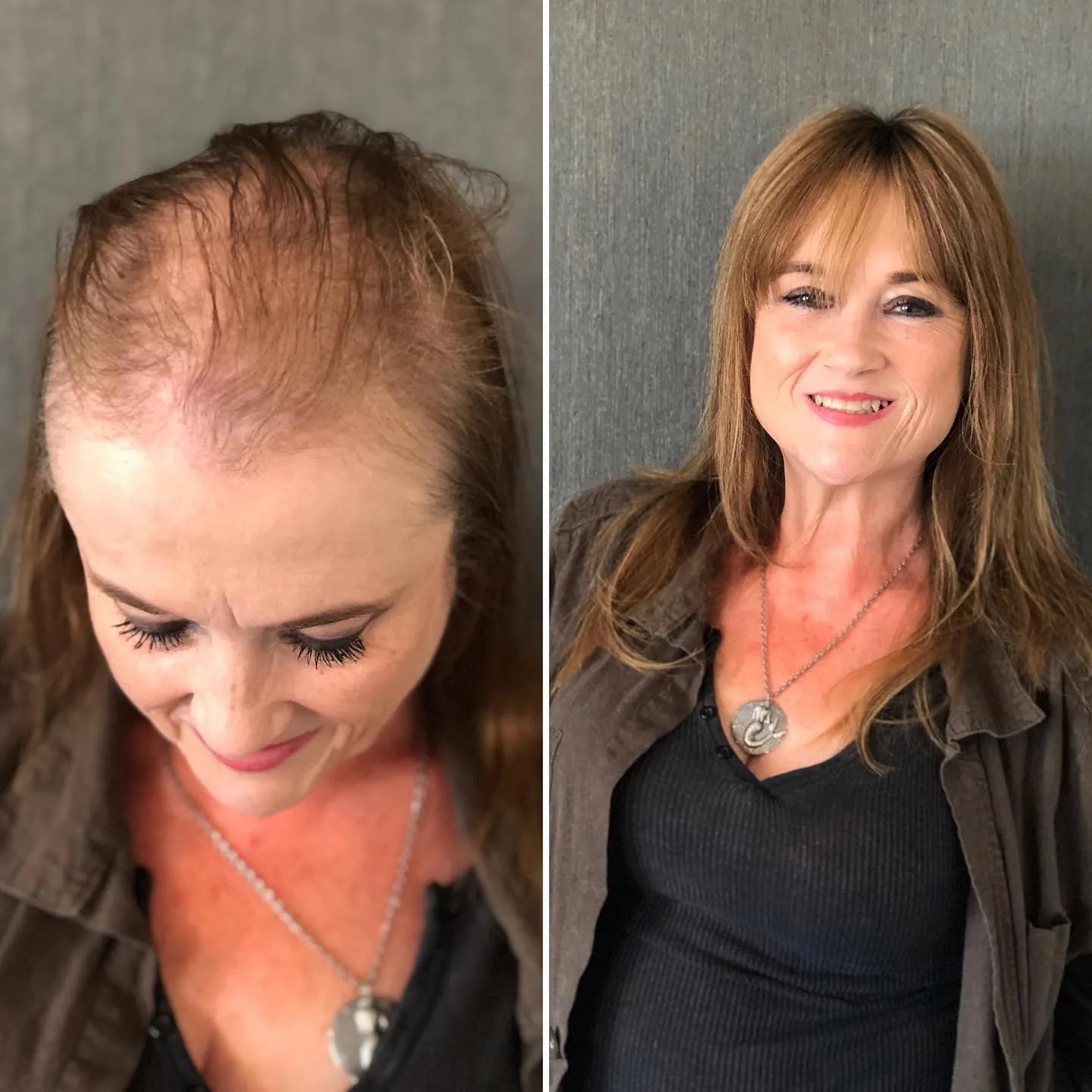
Seek Supportive Hair Solutions: If shedding is affecting your confidence, temporary solutions like wigs or toppers can help you feel like yourself again while your hair recovers.
Symptoms and Warning Signs
Hair loss can show up differently from person to person, depending on the cause. It might begin slowly or happen all at once. Some of the most common signs include a gradual thinning on the top of your head, which is common in both men and women. You might also notice circular or patchy bald spots on your scalp, beard, or eyebrows. For some, hair loss is more sudden, with handfuls of hair coming out when you comb or wash it. This can be alarming, but it often points to a specific trigger. In cases related to medical treatments like chemotherapy, you might experience hair loss all over your body.
When to See a Doctor
It’s a good idea to schedule a visit with your doctor if you notice any sudden or patchy hair loss. Pay attention if you see significantly more hair than usual in your brush or the shower drain. These can be signals of an underlying medical condition that needs attention. Beyond the physical symptoms, your feelings are just as valid. If ongoing hair loss is causing you distress and you want to understand your options, that is the perfect reason to consult a professional. They can provide a proper diagnosis and discuss potential treatments with you.
How a Doctor Diagnoses Hair Loss
When you see a doctor for hair loss, they will likely start by asking about your personal and family medical history to look for clues. They may also perform a physical examination of your scalp to check for inflammation or signs of infection. To get a clearer picture, your doctor might order a few blood tests to check things like your thyroid function and iron levels, as deficiencies can contribute to shedding. In some cases, they may perform a simple procedure called a scalp biopsy, where a tiny skin sample is taken to be examined under a microscope. This helps them get to the root cause of your hair loss.
Can Certain Types of Hair Loss Be Prevented?
While you can’t prevent hair loss from genetics or necessary medical treatments, you absolutely have some control over other types. Hair loss caused by damage from harsh treatments or constant tension on the follicles, known as traction alopecia, is often preventable. The key is to be gentle with your hair and avoid styles that pull too tightly, like very tight braids or ponytails. Making small adjustments to your daily routine can make a big difference in preserving the health of your hair and scalp. For hair loss that is out of your control, remember that you have options. While you focus on your health journey, solutions like a beautifully crafted medical wig can help you feel whole and confident again, allowing you to face the world looking and feeling like yourself.
Gentle Hair Care Practices
Adopting a gentle hair care routine is one of the best things you can do for your hair's health. Start by using a detangler and a wide-toothed comb, especially when your hair is wet and at its most fragile. Avoid pulling or tugging when you brush. When you wash your hair, use lukewarm water and consider shampoos free of harsh sulfates. Instead of rubbing your hair vigorously with a towel, gently pat it dry or wrap it in a microfiber towel to absorb excess water. Limiting the use of hot tools like flat irons and curling wands can also prevent breakage and damage, keeping your strands stronger for longer.
Protective Measures for Your Hair
Beyond your daily routine, a few lifestyle changes can help protect your hair. Shield your hair from strong sun and UV light by wearing a hat or using a UV protectant spray when you’re outdoors for extended periods. Some studies have also shown a link between smoking and hair loss, so quitting can benefit your hair along with your overall health. Finally, circle back to nutrition. A balanced diet rich in protein, vitamins, and minerals is crucial for building strong hair from the inside out, especially when your body is going through changes from weight loss or medication.
How a Medical Wig Can Help
At NYC Medical Wigs, we work with women experiencing hair loss from all causes — including medications. Our mission is to provide premium, natural-looking options that help you move forward with confidence.
🔥 Medical Wigs & Cranial Prostheses: Qualify as medical prostheses, often covered by insurance.
🔥 Lightweight Hair Toppers: Ideal for thinning at the crown or part line.
🔥 Human Hair & Blended Options: Realistic textures and styles that match your natural look.
🔥 Insurance Support: We help verify your benefits and file claims, so cost isn’t a barrier.
🔥 Private Consultations: In-person or virtual appointments tailored to your needs.
Frequently Asked Questions (FAQs)
Q: Is hair loss from weight loss drugs permanent?
A: In most cases, no. It’s usually temporary and improves once the body adjusts or nutrient levels are restored.
Q: Will wigs or toppers damage my natural hair?
A: No. Our wigs and toppers are designed for comfort and protection. Many clients find that wearing a medical wig actually reduces stress on fragile hair.
Q: Can my insurance cover the cost of a wig?
A: Yes. When classified as a cranial prosthesis, wigs are often eligible for reimbursement. NYC Medical Wigs helps you navigate this process.
Finding a High-Quality, Natural-Looking Solution
When your hair starts to thin, the search for a solution can feel overwhelming. You don’t just want a wig; you want to look and feel like yourself again. The goal is to find something so natural that it blends seamlessly into your life, restoring your confidence without drawing unwanted attention. A high-quality medical wig is designed with this exact purpose in mind. It offers a comfortable, secure fit and a realistic appearance that allows you to go about your day without worrying about your hair. This isn't about covering something up—it's about reclaiming a part of your identity and moving forward with strength.
Human Hair Wigs for a Seamless Look
For the most realistic appearance, nothing compares to a 100% human hair wig. These wigs offer natural movement, texture, and the versatility to be styled just like your own hair. At NYC Medical Wigs, our mission is to provide premium, natural-looking options that help you feel whole again. Our human hair medical wigs are crafted to create an undetectable hairline and a scalp that looks completely authentic, allowing you to part your hair in any direction. This level of quality ensures your wig feels less like an accessory and more like a part of you.
Using Insurance for Your Medical Wig
One of the biggest concerns when choosing a high-quality wig is the cost. Many people are surprised to learn that their health insurance may cover a significant portion of the expense. When prescribed by a doctor for hair loss due to a medical condition, a wig is referred to as a "cranial prosthesis." This classification means it is considered durable medical equipment, similar to other prosthetics. Understanding your benefits and the claims process is the first step toward making a premium wig an affordable and accessible solution for your needs, removing a major barrier to getting the support you deserve.
How NYC Medical Wigs Can Help
We believe that cost should never stand in the way of your confidence. Because medical wigs and cranial prostheses often qualify for insurance coverage, we specialize in helping you with the entire process. Our team is here to help you verify your benefits and file the necessary claims with your insurance provider. During a private consultation, we can answer your questions and provide the documentation you need to submit your claim. We handle the paperwork so you can focus on what truly matters: choosing a beautiful wig that makes you feel incredible.
Feeling Like Yourself Again
Losing weight can be a positive, empowering journey — but hair loss doesn’t have to be part of the sacrifice. If you’re experiencing thinning from weight loss drugs, know that you’re not alone and that supportive solutions are available.
👉 Book a free consultation with NYC Medical Wigs today. Let us help you find the perfect medical wig or topper to restore your look, your confidence, and your peace of mind.
Key Takeaways
- Recognize It's Often Temporary: Hair loss from weight loss drugs is usually a temporary reaction to your body's rapid metabolic changes. Your system is simply redirecting resources, and the shedding often slows as your body adjusts.
- Consult Your Doctor and Focus on Nutrition: Your first step is to speak with your healthcare provider about your concerns without stopping your medication. You can also support hair health from the inside out by ensuring you get enough protein, iron, and essential vitamins.
- Find a Solution That Restores Your Confidence: A high-quality medical wig can help you feel like yourself during your health journey. These are often considered "cranial prostheses," which means your health insurance may cover the cost, making them an accessible option.