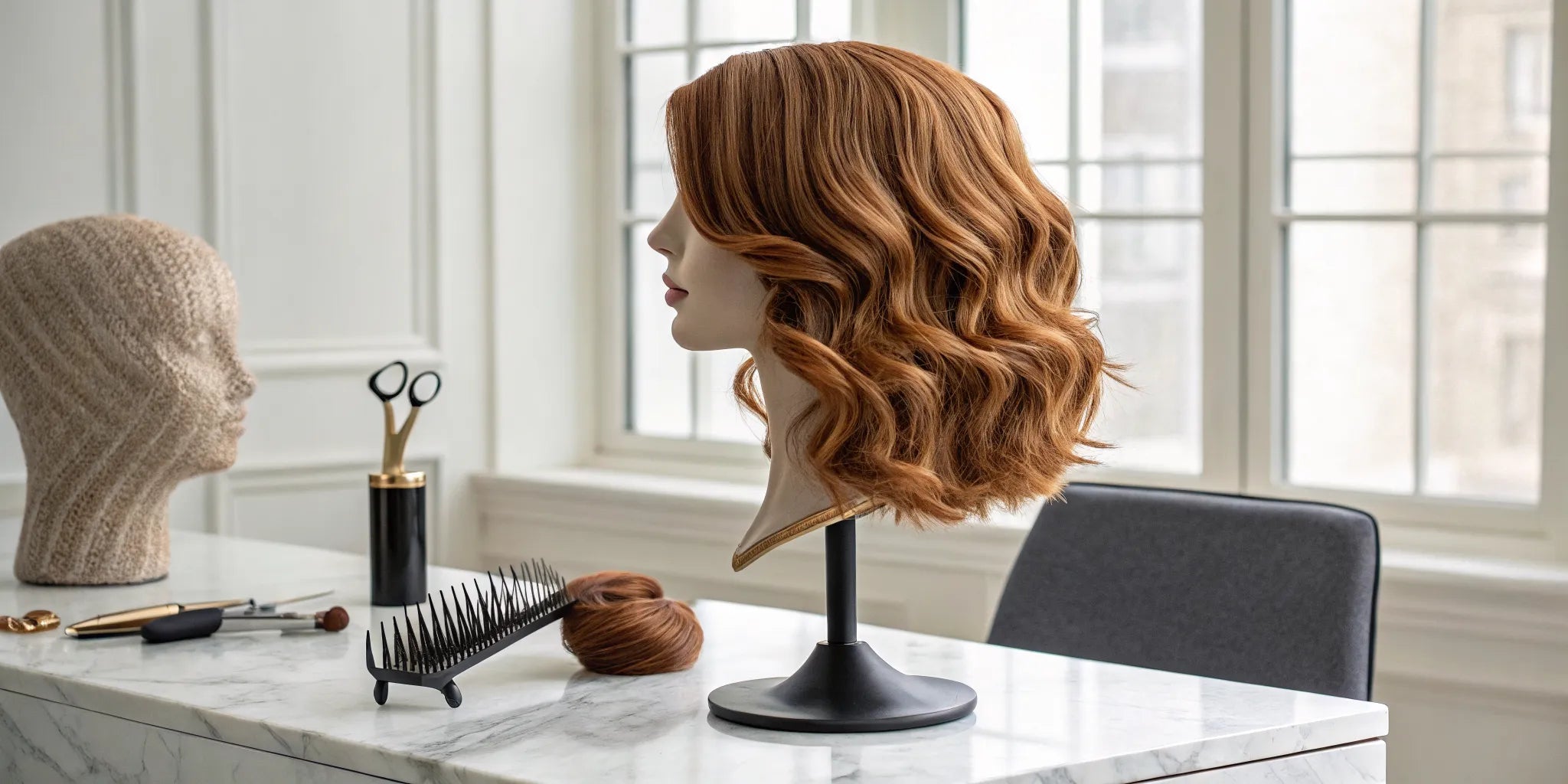
Lace Front Wig 101: A Guide for Medical Hair Loss
Choosing a wig during a health journey is a deeply personal experience. It’s about more than just hair—it’s about reclaiming your confidence and feeling like yourself again. A high-quality medical wig, often called a cranial prosthesis, is designed specifically for this purpose. For the most realistic and seamless hairline, a lace front wig construction is absolutely essential. It’s a powerful feature that helps restore that sense of normalcy and self-assurance. This guide will walk you through the key features to look for, helping you find a piece that not only looks incredible but also feels comfortable and secure.
Key Takeaways
- Prioritize a realistic hairline: For a truly undetectable look, choose a wig with features like a pre-plucked hairline and bleached knots. These details are essential for creating the illusion of natural hair growth.
- Look beyond the hair to the cap construction: The wig's foundation is just as important as the hair itself. Understanding the differences between lace types, like delicate HD or durable Swiss, helps you find a wig that balances a natural appearance with your lifestyle needs.
- Partner with a specialist for guidance: You don't have to figure this out alone. A personal consultation helps you find the perfect style, and expert assistance with insurance can make a high-quality medical wig an affordable reality.
Why Choose a Lace Front Medical Wig?
If you’re looking for a wig that offers a truly seamless and natural appearance, a lace front is an excellent choice. What makes these wigs so special is the small, sheer lace panel that runs along the front hairline. Individual hairs are meticulously hand-tied to this lace, creating the illusion that the hair is growing right from your own scalp. This detail makes all the difference, giving you a realistic hairline that’s nearly impossible to detect.
This natural-looking hairline opens up a world of styling possibilities. Unlike wigs with a more defined edge, a lace front allows you to style your hair away from your face with confidence. You can pull it back into a ponytail, tuck it behind your ears, or try different parts without worrying about revealing the wig’s base. This versatility is key to feeling like yourself and having the freedom to change your look whenever you want. Our collection of human hair medical wigs is designed to give you this exact kind of styling flexibility and confidence.
Beyond aesthetics, high-quality lace front wigs are designed for comfort. The lace is typically soft and breathable, which is especially important if you have a sensitive scalp. When you’re wearing a wig for medical reasons, comfort is just as crucial as appearance. Choosing a lace front means you’re investing in a piece that not only looks beautiful and realistic but also feels secure and comfortable enough for all-day wear. It’s a choice that helps restore a sense of normalcy and empowers you to face the day with confidence.
Which Lace Type Is Best for Your Medical Wig?
When you’re looking for a wig that looks truly natural, the type of lace used is one of the most important details to consider. The lace is the fine, mesh-like fabric at the front of the wig where individual hairs are hand-tied to create a realistic hairline. The right lace will melt into your skin, creating a seamless transition that’s virtually undetectable. But with options like HD, Swiss, and French lace, how do you know which one is the best fit for you? Let’s break down the most common types to help you decide.
HD Lace: For the Most Natural-Looking Hairline
If you’ve ever wondered how celebrities achieve such a flawless, "scalp-like" appearance with their wigs, the secret is often HD lace. This is the thinnest and most delicate lace available, and its transparency allows it to blend perfectly with any skin tone without any need for tinting. The result is a truly invisible hairline that looks like the hair is growing directly from your scalp. Because it’s so fine, HD lace is extremely fragile and requires a gentle touch, so it's not ideal for heavy daily use. It’s an amazing choice for special events or for anyone who prioritizes the most natural look possible and is comfortable with more delicate handling.
Swiss Lace: A Durable and Comfortable Option
Swiss lace is the most popular and widely used lace for a reason: it offers the perfect balance of durability and a natural appearance. It’s slightly thicker than HD lace, which makes it much more resistant to tearing, but it’s still fine enough to offer a realistic-looking hairline. Swiss lace is soft, comfortable for daily wear, and comes in various shades of brown to complement different skin tones. For many, this is the ideal choice for an everyday wig, as it provides a beautiful, seamless look that can withstand regular use and styling. Many of our human hair medical wigs use Swiss lace for this very reason, giving you confidence and comfort.
Transparent Lace: Seamlessly Matches Your Skin Tone
Transparent lace is another excellent option that is similar to Swiss lace in durability but is completely clear. Because it has no color of its own, it takes on the tone of the scalp beneath it. It’s most often recommended for those with fair or light skin tones, as it creates an effortless blend. However, transparent lace is quite versatile and can easily be tinted with lace spray or makeup to match medium or darker skin tones. If you find a wig you love that has transparent lace, a little customization can make it a perfect match for you, making it a great all-around choice.
French Lace: The Durable Choice for an Active Lifestyle
For those with a very active lifestyle or who love to frequently change up their hairstyles, French lace is the most durable choice. It’s the thickest and strongest of the lace types, designed to hold up against regular tension from activities like working out or styling your hair in braids and updos. While it provides maximum durability, it is also the most visible lace, so it may not offer the same seamless effect as HD or Swiss lace right at the hairline. It’s a fantastic, practical option for full lace wigs or for anyone whose top priority is strength and longevity. If you’re unsure which lace fits your lifestyle, a personal consultation can help you find the perfect wig.
Full Lace vs. Lace Front: What's the Difference?
The main difference between these two popular styles is the cap construction. A lace front wig has a sheer lace panel just along the front hairline, where hairs are hand-tied to create that seamless, natural look. The rest of the cap is made of a different, more durable material. This design is perfect for achieving a realistic hairline while offering more sturdiness for everyday wear. It allows you to style your hair away from your face with confidence, knowing your hairline looks completely natural and undetectable.
A full lace wig, in contrast, has a base made entirely of lace. This means every hair is individually hand-tied to the cap, giving you incredible styling versatility. You can part the hair anywhere—middle, side, or off-center—and even pull it up into a high ponytail without the base being visible. Because of their intricate construction, full lace cranial prostheses offer the most natural movement and styling freedom, though they are more delicate. The best choice depends on your lifestyle and how you want to style your hair.
What Defines a High-Quality Medical Wig?
When you're looking for a wig that feels like you, the details make all the difference. A high-quality lace front wig is designed to blend seamlessly with your scalp, creating a look so natural that it's virtually undetectable. But what exactly should you be looking for? It really comes down to three main things: the quality of the hair, the construction of the cap, and the realism of the hairline. Understanding these features will help you invest in a piece that not only looks beautiful but also provides the comfort and confidence you deserve.
Examine the Hair Quality and Density
The hair on your wig is the main event, so its quality is non-negotiable. For the most natural look and feel, look for wigs made from 100% virgin human hair. This simply means the hair has never been chemically processed (like dyed or permed), so it retains its strength and softness. This type of hair sheds less and can be styled with heat or even colored, just like your own. When you browse different human hair wigs, you'll also see options for hair density, which refers to the fullness. A natural density will move and flow realistically, avoiding a look that's too bulky or too thin.
Understanding Wig Density (e.g., 160%, 180%)
When you're choosing a cranial prosthesis, you'll often see density described as a percentage, like 150% or 180%. This number simply refers to the amount of hair attached to the wig cap—in other words, how full it is. A lower density, around 130%, mimics the fine, natural fullness of average hair, while a higher density like 180% provides a much thicker, more voluminous look. The goal is to find a density that feels right for you and closely matches your natural hair, ensuring the wig moves and behaves realistically. Choosing the right density is a key step in creating a seamless look, and it's a detail we focus on during a personal consultation to ensure your medical wig feels completely your own.
Inspect the Cap Construction for Comfort and Fit
The magic of a lace front wig lies in its cap. Unlike basic wigs, a lace front features a sheer panel of lace along the front hairline where each hair is individually hand-tied. This meticulous detail is what creates the illusion that the hair is growing directly from your scalp. It's a key feature of what makes a medical wig so effective and comfortable for daily wear. Pay attention to the parting space, often described with measurements like 13x4 or 13x6. This tells you how much room you have to part your hair from ear to ear. A larger parting area gives you the freedom to switch between a middle part, a deep side part, or anything in between.
Checking the Parting Space (e.g., 13x4, 7x6)
When you see numbers like 13x4 or 7x6 in a wig's description, they're referring to the dimensions of the lace panel at the front, measured in inches. The first number tells you the width of the lace along your hairline (from ear to ear), and the second number indicates how deep the parting space goes back from your forehead. A 13x4 lace front, for instance, gives you a 13-inch wide lace area with 4 inches of parting depth. This generous space is what allows you to create a variety of natural-looking parts—middle, side, or off-center—without exposing the wig cap. This styling versatility is essential for making a medical wig feel truly your own, giving you the confidence to change your look whenever you want.
Demand a Natural Hairline and Bleached Knots
A realistic hairline is the secret to a truly undetectable wig. High-end wigs often come "pre-plucked," meaning the hairline has been carefully thinned to mimic the way our natural hair grows, avoiding that harsh, helmet-like line. Another key feature is "bleached knots." These are the tiny knots where the hair is tied to the lace. By bleaching them, they become invisible against your skin, making the hair appear to be sprouting right from your scalp. Finding a wig with these features already done saves you time and ensures a professional, seamless finish right out of the box. A personal consultation can help you find a piece with the perfect hairline for you.
How to Find a Cranial Prosthesis Specialist in NYC
Choosing a wig is a deeply personal decision, and the provider you work with can make all the difference. It’s about more than just a transaction; it’s about finding a partner who understands your needs and supports you with expertise and compassion. A trustworthy provider won’t just sell you a wig. They will guide you toward a solution that fits your life, feels comfortable, and helps you feel like yourself again.
When you’re looking for a wig specialist, there are three key things to consider: the quality of the products, the availability of personalized guidance, and their willingness to help with practical matters like insurance. A great provider excels in all three areas, ensuring you feel confident and cared for from your first conversation to long after you’ve made your choice. This partnership is built on a foundation of trust, ensuring your experience is as seamless and positive as possible.
Why Medical-Grade Quality Is Essential
When you’re dealing with hair loss from a medical condition, your scalp can be extra sensitive. That’s why medical-grade quality is so important. These aren’t just standard fashion wigs; they are designed specifically for comfort and long-term wear. A medical-grade wig, often called a cranial prosthesis, is made with softer, more breathable materials to prevent irritation. Features like a monofilament top create the look of a natural scalp and allow for multi-directional parting, while the cap construction is designed to feel secure yet gentle. This focus on quality means you can wear your wig all day without discomfort, giving you one less thing to worry about.
What to Expect at Your Cranial Prosthesis Consultation
Shopping for a wig online can feel overwhelming with so many options. A personal consultation cuts through the noise and provides you with tailored, expert advice. This one-on-one time with a specialist is your opportunity to ask questions, share your concerns, and define what you’re looking for in a wig. A great consultant will listen to your story and learn about your lifestyle to help you find the perfect match. They can explain the differences between cap constructions, hair types, and lace materials in a way that makes sense, so you can make an informed decision. Booking a consultation is the first step toward finding a wig that you’ll truly love to wear.
Will Insurance Cover My Cranial Prosthesis?
Figuring out insurance benefits can be confusing, but you don’t have to do it alone. Many health insurance plans cover a portion or even the full cost of a medical wig, which is officially known as a cranial prosthesis. A reputable wig provider will be experienced in this area and can offer invaluable assistance. They can help you understand your coverage, gather the necessary prescription and documentation from your doctor, and guide you through the process of submitting a claim. This support can make a high-quality human hair wig much more accessible and relieve a significant financial burden, allowing you to focus on your health and well-being.
Your First Medical Wig: What You Need to Know
Wearing a wig for the first time can feel like a big step, but it doesn't have to be complicated. The key is to choose a wig that makes you feel comfortable and confident from the moment you put it on. By focusing on a few beginner-friendly features, you can skip the steep learning curve and start enjoying your new look right away. Here’s what to look for to make your first experience a great one.
Preparing Your New Wig: Trimming the Lace
When your new lace front wig arrives, you'll notice a bit of extra lace extending past the hairline. Don't worry, it's supposed to be there! This excess material is left on to protect the delicate hairline during shipping. Before you wear your wig for the first time, you'll need to carefully trim this lace back. This is the most important step in customizing your wig for a truly undetectable look. The goal is to create a seamless edge that melts into your skin, making it appear as though the hair is growing directly from your scalp. Taking your time with this step ensures your natural hairline looks flawless and feels comfortable against your forehead.
Start with a Glueless, Easy-to-Apply Design
If the thought of using adhesives and glues sounds intimidating, you’re not alone. That’s why I always recommend starting with a glueless wig. These wigs are designed for an easy, secure fit using features like adjustable straps and combs, so you can skip the messy application process entirely. This not only saves you time but also helps protect your scalp and natural hairline. Many of our clients find that a well-constructed glueless wig feels just as secure as one applied with adhesive. It gives you the freedom to put it on and take it off whenever you like, making it a perfect, low-stress introduction to wearing wigs.
Adhesive Application Methods: When Are They Needed?
While a glueless design offers incredible ease and security, some situations might call for the added hold of a wig adhesive. If you have a very active lifestyle or simply want the most seamless, "melted" hairline possible, adhesives can provide that extra peace of mind. These come in different forms, like gentle tapes or liquid adhesives, and are especially useful for ensuring the edges of your lace front stay perfectly flat against your skin. However, if you have sensitive skin, which is common during medical treatments, it’s crucial to be careful. Always perform a patch test before applying any new product to your skin. Proper application and removal are key to protecting your skin and the delicate lace of your cranial prosthesis. If you're unsure about the best method for you, discussing it during a personal consultation can provide clarity and ensure you feel completely secure.
Consider a Pre-Styled, Ready-to-Wear Medical Wig
For a truly effortless experience, look for a wig that is ready to wear right out of the box. These wigs are a game-changer for beginners because the most technical work is already done for you. They often come with a pre-plucked hairline and bleached knots, which are essential for creating that seamless, "grew from my scalp" look. This means you don't have to worry about customizing the wig yourself. Finding a style that requires minimal effort can make all the difference in your confidence. During a personal consultation, we can help you find a beautiful, pre-styled wig that matches your features and is ready for you to wear immediately.
Understanding the Cost of a Medical Wig
Finding a beautiful, high-quality wig that makes you feel like yourself shouldn’t break the bank. When we talk about a "budget," it’s not about finding the cheapest option available; it’s about making smart, informed choices that give you the best value and the most confidence. The key is to understand where your money is going and which features will have the biggest impact on your daily life. For many, the most significant step in making a premium wig affordable is learning how to utilize your insurance benefits, which can often cover a large portion of the cost for a medical-grade cranial prosthesis.
Beyond insurance, a little knowledge goes a long way. Understanding the difference between hair types and knowing which construction features truly matter will help you find a piece that looks incredible and lasts for years. Let’s walk through what to expect at different price points and which details are always worth the investment.
Factors That Influence the Price of a Cranial Prosthesis
The price of a cranial prosthesis can vary quite a bit, and it really comes down to the craftsmanship and materials used. Several key factors determine the final cost. The most significant is the quality of the hair itself; 100% virgin human hair will naturally be more of an investment than processed hair. Another major factor is the cap construction. A piece that is fully hand-tied or features a sophisticated lace front requires hours of detailed work, which is reflected in the price. Finally, details like a pre-plucked hairline and bleached knots, which create that ultra-realistic look, also contribute to the overall value. Understanding these elements helps you see where the investment goes—into comfort, realism, and durability.
Human Hair vs. Synthetic: What to Expect
The first major decision you’ll make is between human and synthetic hair, and this choice has the biggest impact on price. Human hair wigs offer unparalleled realism, softness, and styling freedom, but they come with a higher price tag. Synthetic wigs are a more budget-friendly alternative and have improved dramatically over the years. Many are ready to wear right out of the box, and some premium synthetic fibers can even be styled with low heat.
Regardless of the hair type, lace front wigs are known for their natural appearance. They feature a sheer lace panel along the front hairline where individual hairs are hand-tied. This small detail creates the illusion that hair is growing directly from your scalp, giving you a seamless, realistic finish whether you choose human or synthetic hair.
The Role of Heat-Friendly Synthetic Hair
If you love the idea of styling versatility but are working with a specific budget, heat-friendly synthetic hair is a fantastic option to explore. Think of it as the best of both worlds: it offers the affordability and low maintenance of a synthetic wig with the added bonus of being able to use low-heat styling tools. This means you can switch between straight and wavy styles, giving you more control over your look. While they don't have the exact same feel or longevity as human hair, modern heat-friendly fibers have come a long way and provide a very realistic appearance. This makes them an excellent choice for anyone who wants styling freedom without the higher investment. A cranial prosthesis specialist can help you weigh the pros and cons and decide if a heat-friendly synthetic piece is the right fit for your lifestyle.
Medical Wig Features Worth Investing In
When you’re trying to stick to a budget, it’s tempting to cut corners. However, a few key features are worth prioritizing because they directly affect how natural your wig looks and how long it lasts. If you opt for a human hair wig, look for terms like "virgin unprocessed hair." This means the hair is in its most natural state, making it softer, less prone to shedding, and safe to color or style with heat.
Pay close attention to the lace itself; it should be thin and transparent to melt into your skin for an undetectable look. Finally, consider wigs that are pre-plucked and have bleached knots. These features create a soft, natural-looking hairline that isn’t bulky or harsh, saving you time and effort. Investing in these details ensures your wig is comfortable, beautiful, and ready to wear, making our collection of human hair medical wigs a great place to start your search.
How Do I Care for My Lace Front Medical Wig?
Investing in a beautiful lace front wig is the first step; learning how to care for it ensures it stays beautiful for a long time. Proper maintenance protects the delicate lace and keeps the human hair soft and healthy. Think of it less as a chore and more as a simple routine to protect the piece you love. With just a few easy habits for styling, washing, and storing, you can keep your wig looking flawless and natural day after day.
Your Daily Maintenance Routine
The key to daily care is being gentle, especially with the lace. When handling your wig, always be mindful of the delicate material to prevent tearing. Since our medical wigs are made with high-quality human hair, you have the freedom to style them with heat tools. Feel free to use a curling iron or straightener, but always apply a heat protectant spray first to keep the hair healthy and hydrated. When you’re not wearing your wig, the best place for it is on a wig stand or mannequin head. This helps maintain its shape and prevents the hair from getting tangled or crushed.
Proper Detangling: From Ends to Roots
To keep your human hair wig looking its best, gentle and consistent detangling is crucial. The most important rule is to always work from the ends of the hair up to the roots. Start by gently combing through the last few inches of hair, and once that section is smooth, move a few inches higher and repeat the process. This method prevents you from pulling and creating tension on the delicate hand-tied knots at the base, which minimizes shedding and extends the life of your wig. Always use a wide-tooth comb or a paddle brush, as these tools are designed to glide through the hair without causing breakage. Taking a few minutes to detangle correctly each day will make a huge difference in maintaining the health and beauty of your piece.
How to Wash, Condition, and Store Your Wig
Washing your wig is a straightforward process that keeps it fresh. We recommend washing it after every 8 to 10 wears using a sulfate-free shampoo and conditioner. Sulfate-free formulas are much gentler on the hair, cleaning it effectively without stripping away essential moisture. After washing and conditioning, gently blot the excess water with a towel, but never rub or wring it out. The best way to dry your wig is to let it air dry completely on a wig stand. This avoids potential heat damage and helps preserve the hair’s natural texture and quality. For more detailed instructions, our FAQs page offers additional guidance.
Gently Washing the Lace Cap to Prevent Damage
While washing your wig, the lace cap deserves some extra TLC. This delicate mesh is the foundation of your natural-looking hairline, and aggressive scrubbing can cause it to tear, stretch, or shed hairs. Instead of rubbing, apply a small amount of sulfate-free shampoo to your fingertips and gently work it onto the lace in a soft, dabbing or circular motion. This carefully cleans away any residue from products or your skin without putting stress on the hand-tied knots. Treating the lace with this level of care is the best way to protect your investment and ensure your cranial prosthesis maintains its seamless, undetectable appearance for as long as possible.
Common Medical Wig Myths, Debunked
If you’re exploring wigs for the first time, you’ve likely come across a lot of opinions about lace fronts. It’s easy to get overwhelmed by conflicting information, so let’s clear the air. Understanding the truth behind these wigs is the first step toward finding one that makes you feel comfortable and confident. Many of the common worries people have are based on outdated ideas or experiences with low-quality products. A well-made medical wig is in a completely different league. Let's walk through some of the biggest myths and separate fact from fiction.
Myth: Medical wigs always look unnatural.
This is probably the most common fear, but it’s simply not true for high-quality wigs. The "wiggy" look people worry about usually comes from poorly constructed caps, synthetic-looking hair, or a harsh, unnatural hairline. A premium human hair medical wig is designed to be undetectable. Features like a pre-plucked hairline, bleached knots, and a lace or monofilament top create the illusion that the hair is growing directly from your scalp. When the lace is properly matched to your skin tone and the wig is fitted correctly, even you might forget you’re wearing it.
Myth: All medical wigs are the same quality.
Not at all. The type of lace used has a huge impact on the wig’s appearance and feel. You’ll see terms like Swiss lace, HD lace, and transparent lace, and they each have unique qualities. For example, HD lace is incredibly thin and offers the most seamless melt into the skin, making it a favorite for a truly invisible finish. Swiss lace is slightly more durable while still providing a very natural look. Understanding the different types of lace helps you choose a wig that meets your needs for both appearance and longevity.
Myth: Cranial prostheses are hard to maintain.
While a human hair lace front wig requires care, it’s not nearly as intimidating as it sounds. Think of it like caring for your own delicate hair. It needs gentle handling, proper washing and conditioning, and correct storage to stay beautiful. Creating a simple routine is key. Using the right products and avoiding excessive heat will preserve its quality and extend its life. Most people find that once they learn the basics, the maintenance becomes a quick and easy part of their day. We cover many of these best practices in our frequently asked questions.
Myth: Medical wigs aren't for everyday wear.
This might be true for dramatic, fashion-focused wigs, but a medical lace front wig is designed for everyday life. For someone experiencing hair loss, a wig isn’t an accessory; it’s a part of their daily routine that helps restore a sense of normalcy and confidence. Modern lace front wigs are lightweight, breathable, and secure enough for you to go about your day without a second thought. They are a practical and beautiful solution that allows you to feel like yourself, whether you’re at work, running errands, or enjoying a quiet day at home. A personal consultation can help you find the perfect style for your lifestyle.
Addressing Common Concerns: Itchiness and Scalp Sensitivity
One of the biggest concerns for anyone considering a wig, especially during or after medical treatment, is comfort. The thought of an itchy or irritated scalp is enough to make anyone hesitant. The good news is that with the right wig and proper care, you can wear your piece comfortably all day. Understanding the common causes of sensitivity and knowing how to prevent them will help you feel secure and at ease.
What Causes an Itchy Scalp with a Wig?
Itchiness is a valid worry, but it’s often preventable. The primary cause is usually related to the wig's fit or materials. If a wig is too tight or not sized correctly, it can rub against your scalp and cause friction. Similarly, the quality of the lace makes a huge difference. Itchiness can happen if "the lace isn't good quality, or your skin is sensitive." This is why choosing a piece designed for medical use is so important. Finally, simple hygiene, for both your scalp and the wig itself, is key to preventing buildup and irritation. A personal consultation can address all these factors to ensure your piece is comfortable from the start.
Tips for Wearing a Wig After Chemotherapy or with Alopecia
When you’re wearing a wig for medical reasons, comfort is just as crucial as appearance. The best way to ensure an itch-free experience is to start with the right foundation. A medical-grade wig, often called a cranial prosthesis, is specifically designed with softer, more breathable materials to prevent irritation on a sensitive scalp. Beyond the wig itself, proper maintenance is your best friend. Keeping the wig clean according to care instructions prevents the buildup of oils and products that can cause irritation. For an extra layer of protection, consider wearing a soft wig cap made of bamboo or cotton underneath. This creates a gentle barrier that absorbs sweat and minimizes friction, allowing you to wear your wig with confidence all day long.
How to Choose a Medical Wig for Your Lifestyle
Finding the right wig is about more than just covering hair loss; it’s about finding a piece that makes you feel confident and comfortable in your own skin. The perfect wig should feel like a natural extension of your personal style and fit seamlessly into your daily life. Think of it as choosing a new haircut. You want something that reflects your personality and doesn't require a complete overhaul of your routine. By considering your look and your lifestyle, you can find a wig that you truly love to wear, one that feels less like a necessity and more like a powerful accessory.
Selecting Your Hair Texture, Color, and Length
This is your chance to define your new look. Do you want to replicate your natural hair, or are you excited to try something new? Our collection of human hair medical wigs includes a variety of textures, from sleek and straight to bouncy waves and curls, so you can find one that feels authentic to you. When it comes to color, you can stick with a familiar shade or explore a new one that complements your skin tone. Length is another key factor. Shorter bobs are chic and easy to manage, while longer styles offer more versatility for updos and braids. Don’t be afraid to experiment to find what makes you feel beautiful.
Factoring in Your Daily Care Routine
Be honest with yourself: how much time are you willing to spend on your hair each day? A high-quality human hair wig requires care, just like natural hair. It needs to be washed, conditioned, and styled to keep it looking its best. If you have a busy schedule or are new to wigs, you might prefer a shorter, ready-to-wear style that needs minimal fuss. If you enjoy the ritual of styling your hair, a longer wig with more parting space could be a great fit. A personal consultation can help you find a beautiful wig that matches the level of maintenance you’re comfortable with, ensuring it enhances your life instead of adding stress to it.
Related Articles
Frequently Asked Questions
Can I really use my health insurance to cover the cost of my wig? Yes, it is often possible. Many insurance plans provide coverage for a "cranial prosthesis," which is the medical term for a wig needed due to hair loss from a medical condition. The process usually involves getting a prescription from your doctor. We specialize in helping our clients with this process, from figuring out your benefits to guiding you through the paperwork to make a high-quality wig more accessible.
I’m new to wigs and worried about security. Will a lace front stay in place all day? This is a completely valid concern, and the short answer is yes, a well-made wig will feel secure. Many modern lace front wigs are glueless and designed with features like adjustable straps and inner combs that create a snug, reliable fit without any need for adhesives. The key is ensuring the wig cap is the right size for you. A personal consultation can help guarantee a perfect fit, giving you the confidence to go about your day without worrying about any slipping.
HD, Swiss, Transparent... I'm confused by the different lace types. Which one is best for me? It's easy to get lost in the terminology, but it really comes down to your priorities. If you want the most invisible hairline possible for a special event, delicate HD lace is unmatched. For everyday wear, Swiss lace is the most popular choice because it offers a fantastic balance of a natural look and the durability needed for regular use. The best way to decide is to consider your lifestyle and how you plan to wear the wig, which is something we can help you determine during a consultation.
How long will my human hair lace front wig last with regular wear? With proper care, a high-quality human hair wig can last for a year or even longer. The lifespan really depends on how you treat it. Gentle handling, using sulfate-free products for washing, and always storing it on a wig stand will make all the difference. Think of it as an investment; the more care you put into maintaining the hair and the delicate lace, the longer it will retain its beauty and softness.
What makes a "medical wig" different from a standard fashion wig? The main difference is comfort and construction. A medical wig is designed with a sensitive scalp in mind, using materials that are softer, lighter, and more breathable to prevent irritation during long-term wear. They often include features like a monofilament top, which mimics the appearance of a natural scalp and allows for versatile parting. The goal of a medical wig is to provide a solution that is not only beautiful and realistic but also comfortable and secure enough to feel like a part of you.
Cranial Prostheses for Men
Hair loss isn't exclusive to women, and men seeking solutions for medical conditions like alopecia or hair loss from chemotherapy deserve options that restore confidence without compromising on a natural look. A modern cranial prosthesis for men is designed with discretion and realism in mind, using features like an undetectable lace front to create a hairline that looks completely authentic. These pieces are built for comfort with breathable, lightweight materials that are gentle on a sensitive scalp, making them ideal for all-day wear. Finding the right style, fit, and hair texture is a personal process, which is why a one-on-one cranial prosthesis consultation is so valuable. It’s a dedicated space to find a piece that feels like you, and we can also help you explore insurance coverage to make a high-quality medical wig an accessible option.