Wavy Wig Guide: Choosing a Human Hair Medical Wig
Hair loss after chemotherapy, cancer treatment, or alopecia can change how you feel about comfort, privacy, and your reflection. Choosing a medical wig is therefore more personal than selecting a texture. The right cranial prosthesis should respect scalp sensitivity, feel secure, and support the appearance you recognize as yourself.
A wavy wig made from human hair can provide natural movement, a soft appearance, and styling flexibility while you navigate medically related hair loss. A consultation helps match the wave pattern, density, cap construction, and fit to your needs.
Human hair can respond more naturally to movement and can be shaped to maintain a wavy texture. Those qualities matter when you want a hair prosthesis that looks integrated rather than distracting. Understanding how the hair behaves, how the cap supports comfort, and how each construction affects your routine makes the selection process clearer.
Book a consultation to explore wavy human hair options with a cranial prosthesis specialist in New York City. A calm, personal appointment helps you match the wave pattern, density, and cap construction to your scalp and style.
Why a Wavy Human Hair Medical Wig Feels Natural
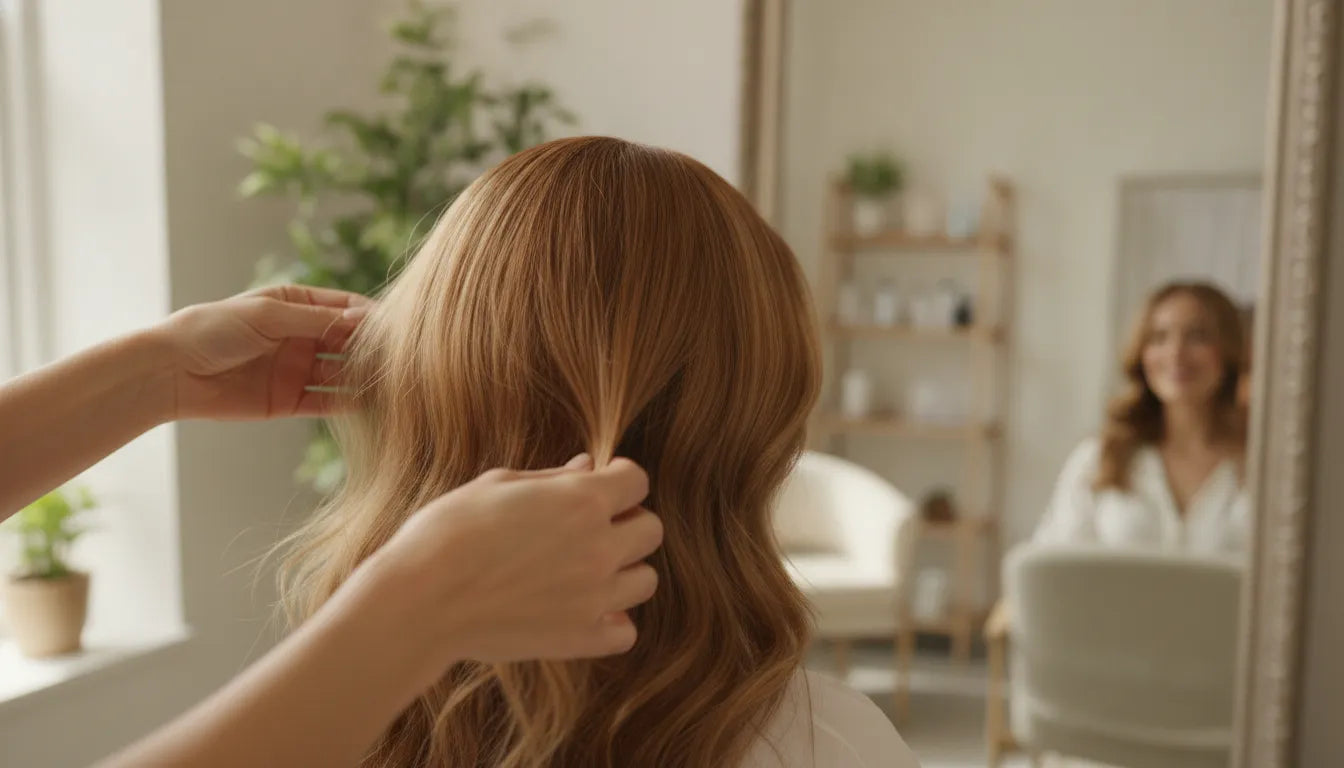
Natural movement is one of the most important details when choosing a cranial prosthesis after medical hair loss. A wavy human hair medical wig responds to movement with softness and variation, rather than holding one uniform shape. That difference can help the prosthesis feel more integrated with your appearance during daily wear.
Human hair generally offers more natural movement than synthetic fiber, particularly in wavy textures. Mayo Clinic Connect explains that human-hair wigs can be styled with heat tools, including curling irons and flat irons, to maintain or enhance waves. This flexibility allows a cranial prosthesis specialist to consider your preferred texture, existing photographs, and comfort needs together.
Movement, texture, and a softer appearance
Waves create gentle changes in direction, fullness, and light across the hair. Those variations can resemble the way growing hair naturally falls around the face and shoulders. A wavy texture may also add volume and movement while blending more naturally with your facial features. These visual qualities matter when you want a medical wig to look polished without appearing overly uniform.
For people managing chemotherapy-related hair loss, alopecia, or another condition, appearance is only one part of the decision. The cranial prosthesis should also feel appropriate for sensitive skin, changing routines, and long-term wear. A consultation helps identify whether the wave pattern, density, cap construction, and fit support those medical priorities.
- Natural motion: Human hair moves with your body instead of keeping a rigid, identical pattern.
- Texture flexibility: Heat styling can help preserve or refine a wavy look when handled carefully.
- Balanced volume: Waves can provide fullness while maintaining a softer, less manufactured appearance.
- Personal coordination: The texture can be selected to complement your features and preferred level of definition.
Human hair does require thoughtful care, especially when heat tools or repeated adjustments are part of your routine. Your specialist can explain how to preserve the wave while protecting the hair and cap. For broader guidance, review our guide to selecting a high-quality medical wig before your appointment.
NYC Medical Wigs approaches texture as part of a complete cranial prosthesis plan, not as an isolated styling choice. The goal is a wavy medical wig that supports confidence, comfort, and a natural appearance through each stage of hair loss. When you are ready to compare options, explore human-hair cranial prosthesis options with a medically focused specialist.
Book a consultation to explore wavy hair options with a cranial prosthesis specialist. A calm, personal appointment can help you match the right wave pattern, density, and cap construction to your needs.
How a Wavy Wig Supports Your Natural Look During Hair Loss
Hair loss can change how you recognize yourself, especially when treatment begins quickly. Chemotherapy attacks fast-growing cells, including cells in the hair roots, so thinning or significant loss may develop within weeks. Planning ahead can help you cope with this difficult treatment effect and make choices with greater calm. Mayo Clinic explains how preparing for hair loss may support emotional coping.
A wavy wig can offer visual continuity without asking you to hide what you are experiencing. The texture creates gentle movement around the face, helping a medical wig feel connected to your familiar appearance. For many patients, that sense of recognition matters during appointments, work, family gatherings, and everyday errands.
Texture can support confidence and self-expression
Choosing a texture that reflects your usual hair, or the version of yourself you want to see, makes the process personal. A soft wave may provide dimension while remaining understated and easy to adapt. Your goal does not need to be an exact replica of your previous hair. It can be a comfortable, intentional expression of who you are now.
Research on severe alopecia reports that wigs functioning as cranial prostheses can improve quality of life, self-esteem, and social adjustment. These benefits are not simply cosmetic. Feeling more at ease with your appearance can make social interaction feel less demanding when your attention is already focused on treatment and recovery. The published study on cranial prostheses and quality of life provides important context.
A natural look includes comfort and emotional readiness
A realistic appearance depends on more than the wave pattern. The right medical wig should feel secure, suit your scalp needs, and reflect your preferred density and movement. A thoughtful fitting can help you decide whether a subtle wave, fuller body wave, or another texture feels most like you.
You also deserve time to adjust emotionally. Some patients prefer choosing a cranial prosthesis before treatment, while others need space before making decisions. There is no single correct timeline. A compassionate consultation can help you explore options without pressure, so your wavy wig supports confidence, comfort, and a stronger sense of self.
Lace Front vs. Monofilament Top in Wavy Cranial Prostheses
Cap construction affects how a wavy human hair cranial prosthesis looks, feels, and supports daily wear. Lace front and monofilament top designs create different forms of realism, so the best choice depends on your preferred part, hairline, and comfort needs. Neither construction is universally better for every patient.
A lace front focuses on the front edge of the prosthesis. A monofilament top focuses on the appearance and flexibility of the scalp area around the part. Understanding those differences can make a consultation more productive, especially when your scalp feels sensitive after treatment or hair loss.
| Construction | Primary visual benefit | Considerations for wavy hair |
|---|---|---|
| Lace front | Creates the illusion of a natural hairline at the forehead. | Supports styling the waves away from the face while preserving a believable front edge. |
| Monofilament top | Shows the appearance of a natural scalp through the part. | Helps the part look realistic when the wavy texture is arranged in different directions. |
| Lightweight or ventilated cap | Promotes breathability and comfort during regular wear. | Ventilation may improve airflow and comfort during warmer weather or extended wear. |
When a lace front may feel right
A lace front can be useful if you prefer your waves brushed back, tucked behind the ears, or styled away from your face. This construction creates a natural hairline illusion, helping the front edge appear less defined. The effect can be especially valuable when your chosen style exposes the forehead or uses a soft, swept-back shape.
Wavy texture adds movement around the face, but the hairline still needs to look convincing at close range. A professional fitting can help determine whether the lace placement, density, and wave pattern work together. The goal is a medical wig that feels personally comfortable, not a construction chosen simply because it is popular.
When a monofilament top may be more important
A monofilament top creates the appearance of a natural scalp at the part. That detail can help when you prefer a defined side part, center part, or a wavy style that changes direction across the top. It also supports a more individualized appearance when hair loss makes the scalp visible beneath the prosthesis.
Comfort deserves equal attention. Lightweight caps can support breathability and comfort, while ventilated cap structures may improve airflow during warmer weather. Ask your cranial prosthesis specialist to assess how each construction rests against your scalp, particularly if treatment has increased sensitivity.
Some patients may benefit from combining construction features rather than choosing only one. A lace front with a monofilament top can provide a natural-looking hairline and scalp appearance through the part. To understand the broader role of a medical wig, read this guide to what a cranial prosthesis means before your appointment.
Bring photographs of hairstyles you have worn comfortably, and describe how you normally part or arrange your hair. Those details help NYC Medical Wigs recommend a wavy cranial prosthesis that supports your appearance, scalp comfort, and daily routine.
How to Care for a Wavy Human Hair Medical Wig
A wavy human hair medical wig needs a gentle routine that protects its texture, softness, and comfortable fit. Careful handling also helps the cranial prosthesis maintain a natural appearance through repeated wear. Small adjustments to washing, detangling, and storage can make daily maintenance feel much more manageable.
Begin with products designed for delicate human hair. A sulfate-free shampoo cleans without unnecessarily stripping moisture from the hair or disrupting the wave pattern. Wash according to your specialist's guidance, especially if your scalp is sensitive or you wear the medical wig for extended periods.
Detangle gently and condition consistently
Always detangle from the ends upward, using slow movements rather than pulling through knots. A wide-tooth comb or approved wig brush can reduce tension on the hair and cap. Work in small sections, and support the base when handling longer lengths.
Conditioning helps limit dryness and frizz while preserving the movement that makes a wavy texture look natural. Apply conditioner mainly through the lengths and ends unless your specialist recommends a different method. Avoid rough towel drying, which can separate the wave pattern and create unnecessary friction.
- Use lukewarm water instead of very hot water during washing.
- Blot excess moisture gently, rather than twisting or rubbing the hair.
- Let the waves settle naturally whenever possible.
- Avoid high-alcohol products, which can dry the prosthesis and make the hair feel brittle.
Protect your scalp during long-term wear
Healthy scalp hygiene matters when a medical wig is worn regularly. Cleanse the scalp as recommended by your healthcare provider or cranial prosthesis specialist. Keeping the scalp clean can help reduce irritation and lower the risk of discomfort during long-term wear.
Watch for persistent redness, itching, tenderness, or soreness beneath the cap. These symptoms may indicate that the scalp needs attention or that the fit requires adjustment. Contact a qualified professional rather than trying to conceal ongoing discomfort with additional products.
Preserve the wave pattern between wears
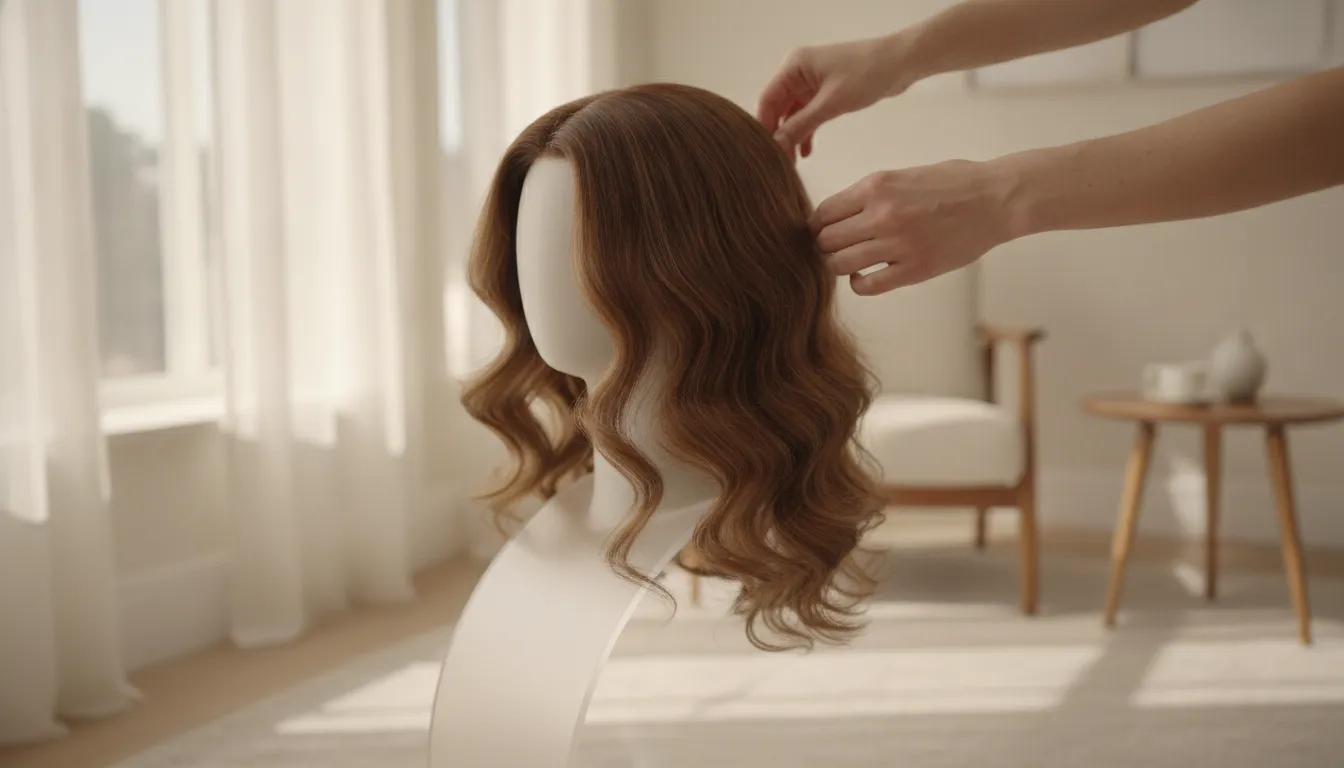
When the wig is not being worn, place it on a wig stand to help preserve its shape and reduce tangling. Keep it away from direct heat, humidity, and crowded storage areas. Proper support also helps prevent the cap and wave pattern from becoming misshapen.
For a heat-free refresh, gently separate the hair into sections and create a loose braid before storing it. Allow the hair to dry fully before braiding, and avoid tight tension that could flatten or distort the waves. If you need broader guidance, review this medical wig guide or ask NYC Medical Wigs about a routine suited to your hair prosthesis.
With consistent, patient care, your wavy wig can remain soft, defined, and comfortable through everyday medical hair-loss support.
Choosing the Right Length, Density, and Wave Pattern
The best medical wig choices balance appearance, daily comfort, and the practical demands of your routine. A wavy style can feel beautifully natural, but length and density affect maintenance, movement, and scalp comfort. During a consultation, consider how the prosthesis will support work, appointments, rest, and meaningful time with others.
Density should generally reflect the amount of hair you had before hair loss. A prosthesis that closely matches your original density usually creates a more convincing and familiar appearance. Your specialist can help adjust this choice when hair loss has changed how you view your previous style.
- Choose length according to your care routine. Longer wavy styles may require more frequent detangling to reduce tangling and preserve the wave pattern. If your energy is limited during treatment or recovery, a shorter or medium-length style may feel easier to manage.
- Consider how the wave pattern supports your features. Softer waves can provide movement without overwhelming the face, while a more defined pattern may create additional visual volume. Bring photographs of your former hairstyle if matching your familiar appearance feels important.
- Match density thoughtfully. Your cranial prosthesis should not look significantly fuller than your original hair unless you intentionally prefer that change. A professional can help balance density with the chosen length, wave pattern, and overall proportions.
- Plan for a professional trim. Human hair prostheses can be shaped to frame the face more naturally. A careful trim can refine the front, soften the sides, and make the style feel more personal without changing its medical function. Mayo Clinic guidance also supports professional customization for a more natural fit and appearance: learn about choosing and customizing wigs during treatment.
Fit matters especially when your scalp feels tender, dry, or sensitive after medical treatment. Proper fitting helps reduce discomfort and keeps the prosthesis secure without creating unnecessary pressure. Tell your specialist about tenderness, sensitivity, temperature concerns, or areas that feel uncomfortable during the fitting.
If your scalp is completely smooth, ask whether a silicone liner is appropriate for your cranial prosthesis. Silicone liners may provide additional security and comfort when natural hair cannot help anchor the cap. The right solution depends on your scalp, cap construction, and preferred wearing routine, so comfort should guide the final decision.
At NYC Medical Wigs, Jamiese Drax can help you compare length, density, and wave pattern with your medical needs and personal preferences. You deserve a cranial prosthesis that feels considered from the first fitting through daily wear.
Choosing a Wavy Wig: Insurance and Your First Consultation
Insurance coverage for cranial prostheses can vary significantly by plan, diagnosis, documentation, and individual policy terms. Patients may explore benefits through Medicare, Medicaid, BCBS, Aetna, Cigna, or United Healthcare, but no plan should be assumed to cover every medical wig. Before purchasing, review your policy and ask the insurer which requirements apply to cranial prosthesis coverage.
Our guide to does insurance cover cranial prostheses can help you prepare practical questions. Ask whether the plan recognizes a cranial prosthesis as a medical necessity, which provider documentation it requires, and whether reimbursement involves specific billing codes. You may also need to confirm authorization, eligible suppliers, claim forms, and submission deadlines.
What to Bring to Your First Consultation
A consultation should address your medical needs, scalp comfort, preferred wave pattern, and the way you want the prosthesis to look and feel. If treatment has not started, visiting a cranial prosthesis specialist beforehand can support better preparation. The Mayo Clinic recommends planning ahead so a specialist can help match your original color and style before hair loss progresses.
Bring photographs that show your usual hair color, length, density, and wave pattern. Recent medical information can also help clarify timing, scalp sensitivity, and expected changes. If possible, bring a supportive friend or family member to your first consultation. Another person may notice details you overlook and provide emotional support during an important decision.
- Insurance information, including your member ID and claims contact number.
- Prescription or diagnosis documentation, including any letter of medical necessity already provided.
- Photos of your preferred hair color, length, density, and natural wave pattern.
- Questions about cap construction, maintenance, fitting, and replacement timing.
- A trusted support person who understands your preferences and concerns.
During the appointment, describe how you expect to wear the wavy wig and which situations matter most. You may prioritize lightweight comfort, secure movement, a natural hairline, or easy daily care. A specialist can compare suitable cranial prosthesis options and explain which features support your scalp and routine.
Book a consultation to discuss your needs with NYC Medical Wigs and Jamiese Drax. A thoughtful appointment gives you space to make an informed choice and explore insurance questions with greater confidence.
Frequently Asked Questions
Are wavy human hair medical wigs suitable after chemotherapy or alopecia?
Yes, a wavy human hair medical wig can provide a natural texture and comfortable option during medically related hair loss. Human hair offers natural movement and can be professionally shaped to complement your features. A proper fitting is especially important when treatment or alopecia has left your scalp sensitive. Mayo Clinic Connect explains that proper fitting helps prevent discomfort and keeps the prosthesis secure.
How should I care for a wavy human hair cranial prosthesis?
Detangle gently, use a mild sulfate-free cleanser, and condition the hair without weighing down its wave pattern. Avoid high-alcohol products because they can dry the hair and weaken its texture. Store the prosthesis on a suitable stand, and consider braiding damp hair for heat-free waves. Follow the specialist's care instructions because cap construction and hair processing affect maintenance.
Should I choose a lace front or monofilament top?
Choose based on the appearance, comfort, and styling flexibility you want from your medical wig. A lace front can create a natural-looking hairline when hair is directed away from the face. A monofilament top can show a more natural scalp appearance through the part. Lightweight or ventilated caps may also improve comfort during extended wear, especially in warm weather.
How do I choose the right length and density?
Start with the length that feels manageable for your routine, scalp comfort, and desired face-framing effect. Density should generally correspond with your original hair density for a balanced, natural appearance. Longer waves usually require more careful detangling and storage. A cranial prosthesis specialist can assess fit, shape, and density together before you decide.
Book a consultation for your wavy medical wig
A personal consultation can help you consider texture, fit, cap construction, and comfort alongside your hair loss needs. NYC Medical Wigs offers thoughtful guidance for patients seeking a wavy human hair cranial prosthesis in New York City. To discuss your options with Jamiese Drax, Book a consultation and take the next step toward a medical wig that feels like you.