Does Insurance Cover Cranial Prostheses? Guide for NYC
The question, does insurance cover cranial prostheses, depends on your plan, but many health insurance providers offer partial or full coverage. Most commercial insurance plans cover between 50 to 100 percent of the cost when a doctor prescribes the prosthesis for medical hair loss. To get this coverage, your doctor must write a prescription for a cranial prosthesis and provide a formal medical diagnosis like cancer or alopecia. Insurers often deny claims that use the word wig, but they see a cranial prosthesis as durable medical equipment that helps restore well-being. Knowing your policy details will help you navigate this complex process so you can secure the necessary coverage for your hair replacement.
Ready to find out if your insurance covers a cranial prosthesis? Call (201) 892-6923 to schedule your free insurance verification consultation today.
Navigating health insurance can feel overwhelming when you are already dealing with hair loss. Finding out what health insurance plans cover cranial prostheses is the first step toward getting your costs covered, so you can focus on your health. The path begins with
Does Insurance Cover Cranial Prostheses: What Health Insurance Plans Cover Cranial Prostheses
Yes. Most major health insurance plans cover cranial prostheses as durable medical equipment when you have a doctor prescription and a medical diagnosis of hair loss from cancer treatment. Alopecia, or another qualifying condition. Coverage ranges from 50 to 100 percent depending on your specific policy.
Many patients facing medical hair loss ask a key question: does insurance cover cranial prostheses? The short answer is yes, but your coverage will depend on your plan. Health insurance companies do not look at these items as fashion wigs. Instead, they view a medical wig as a needed device to treat hair loss from cancer, chemotherapy, or alopecia.
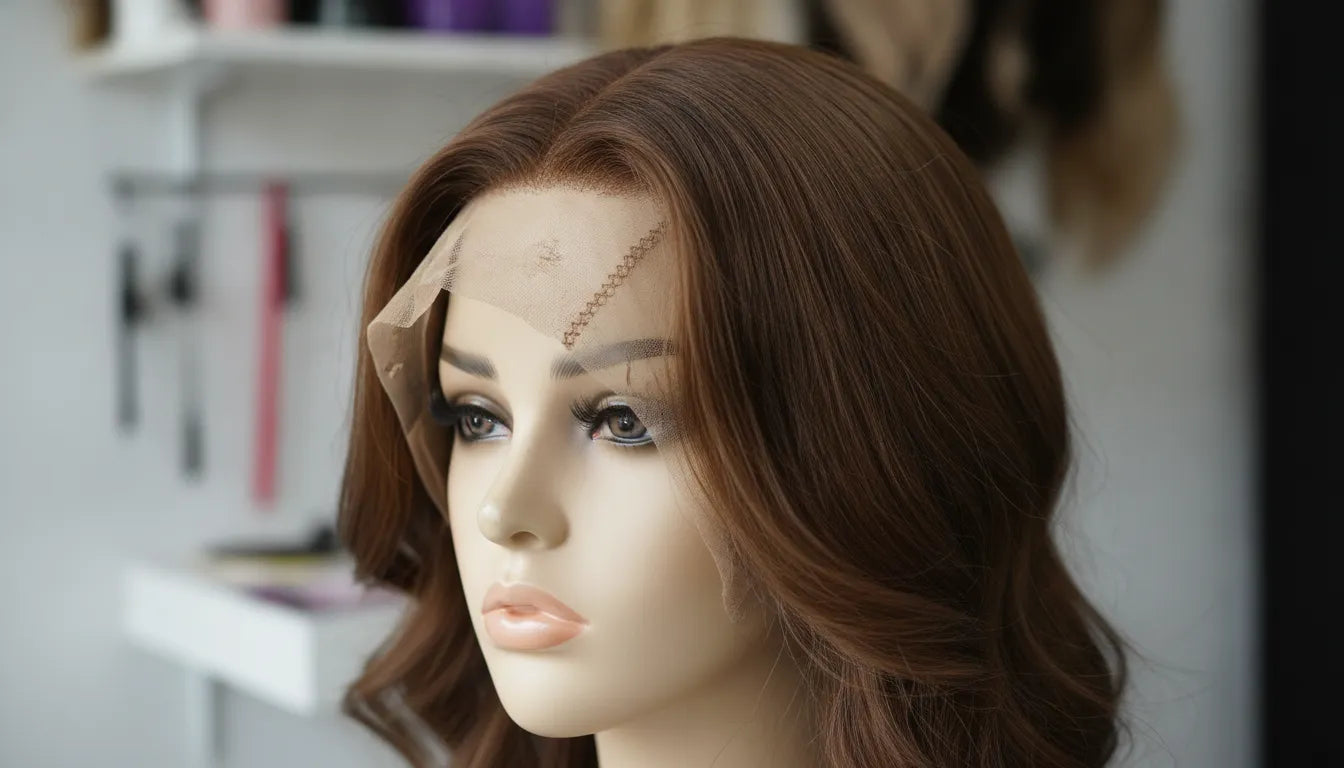
Before filing a claim, understanding what a cranial prosthesis is will help you plan your next steps. At NYC Medical Wigs, we offer a curated selection of human-hair cranial prostheses, including lace-front and monofilament-top styles. These medical wigs are designed for comfort and look natural, helping you focus on your health. We can help you check if your plan covers these items before you buy.
Major health insurance providers
Many large health insurance companies cover cranial prostheses under certain terms. Major firms like Blue Cross Blue Shield (BCBS), Cigna, and Humana often give partial or full coverage. If you are covered by Aetna, you may qualify for benefits if your hair loss is caused by a diagnosed medical issue. You can read our guide on Aetna insurance coverage for cranial prostheses to learn more about their claim forms.
Likewise, if you have a UnitedHealthcare plan, you can check your policy details. Our article on UnitedHealthcare cranial prosthesis benefits offers a clear breakdown of their filing rules. Each company has unique rules, so you must always verify your benefits first.
Military families also have options. Tricare, the agency for military families, covers the cost of one wig per lifetime. A doctor must write a prescription based on hair loss from cancer treatment. To get this benefit, the prescription must clearly state the need for a cranial prosthesis rather than a cosmetic wig.
Medicare and Medicaid limits
While private plans often pay for these medical items, public plans have strict limits. Research on PubMed Central shows that patients on Medicare and Medicaid cannot get coverage for wigs or cranial prostheses. These public programs do not cover cranial prostheses as durable medical equipment. If you rely on these plans, you can review our details on Medicare coverage for cranial prostheses to explore other payment options.
The importance of medical terminology
When you file a claim, the words you use can make a big difference. Insurance companies often deny claims for wigs because they see them as cosmetic items. But they may approve a cranial prosthesis to treat a medical need.
To make sure your claim is paid, your doctor must use the right medical terms. The prescription and diagnosis letter should never use the word wig. Instead, they must state that you need a cranial prosthesis to treat your medical hair loss. This simple choice of words can help prevent denials.

How NYC Medical Wigs Simplifies Your Insurance Verification
NYC Medical Wigs offers a free, three-step insurance verification process that takes the guesswork out of your claim. We contact your insurance provider directly, review your benefits, and provide a written cost summary before you commit to any purchase.
Hair loss is hard, but getting insurance coverage for a cranial prosthesis does not have to be. Checking your health plan terms is often the hardest part of the process. Many people feel lost when they look at their health plans.
It is hard to grasp terms like deductibles or copays. Many patients ask, does insurance cover cranial prostheses? The answer is often yes, but success depends on how you submit your claim.
Our Comprehensive Insurance Verification Process
At NYC Medical Wigs, we make the process clear and simple. We work with major health plans to check your benefits before you make any choices. Our team guides you through a straightforward process to check your coverage. We handle the phone calls and do the heavy lifting.
- Schedule a private consultation. Meet Jamiese Drax in a private setting at our NYC studio and share your insurance details. You can book this online or by phone.
- We contact your insurer on your behalf. Our team calls your carrier to find out if your plan covers a cranial prosthesis. We ask about deductibles, copays, and any pre-authorization requirements.
- We gather your medical documentation. We work with your doctor to obtain a prescription for a cranial prosthesis and a formal diagnosis letter with the correct medical terminology.
- We submit your claim with the correct billing codes. Using HCPCS code A9282 for a cranial prosthesis, we file your claim directly with your insurance company.
- We review your cost summary with you. We give you a clear, written breakdown of all plan coverage before you make a choice. This shows your exact out-of-pocket cost, if any.
- We handle appeals if needed. If your initial claim is denied, we help you gather additional documentation and submit a formal appeal to your insurance company.
- We process your order with confidence. Once coverage is confirmed, we help you select the right human-hair cranial prosthesis and finalize your fitting appointment.
Essential Medical Documentation for Your Claim
To get approved by your health plan, you must think like an insurer. Insurers often view standard wigs as cosmetic items, so they deny coverage. To get your claim approved, you must use medical terms that match your plan rules. We help you gather the exact forms your insurer needs.
Your insurer will need three key papers before they pay. First, you need a doctor prescription that lists a cranial prosthesis with HCPCS code A9282. You must also get a formal diagnosis letter that explains the medical cause of your hair loss. Last, we give you a detailed medical invoice with the correct billing codes.
Direct Billing and Hassle-Free Claims
The best part of working with us is that we do the hard work for you. Many wig shops make you pay first and file the claim on your own. Studies in the National Institutes of Health (NIH) database show that plan coverage ranges from fifty dollars to the full cost. We want to remove that stress so you can focus on wellness.
We want to help you get the most out of your health benefits. Our team talks with your doctor and insurer to submit all forms. This direct billing system lets you focus on healing while we handle the forms. You will not have to worry about any of the details.
How Much Do Cranial Prostheses Cost With Insurance?
With insurance coverage, your out-of-pocket cost for a cranial prosthesis can range from fifty dollars to the full cost of the device, depending on your plan. Private insurers typically cover 50 to 100 percent of the cost when a doctor prescribes a cranial prosthesis for medical hair loss.
Getting a medical hair system is a key step when you face hair loss from a medical condition. But you may wonder about the price. A high-quality human hair prosthesis can cost anywhere from $700 to $4,000. These medical-grade systems use premium hair and soft caps that protect your scalp.
Expected prices for medical hair systems
Academic research shows the average cost of a cranial prosthesis is $1,543. Some models cost more depending on how they are made. Peer-reviewed data in a study on cranial hair prostheses shows this cost is the main barrier for patients who need them.
| Insurance Plan Type | Typical Coverage | Key Requirements |
|---|---|---|
| Private plans (Aetna, BCBS, Cigna, UHC) | 50-100% | Doctor prescription, medical diagnosis, cranial prosthesis billing codes |
| Medicare / Medicaid | Not covered as DME | Medicare Advantage may offer limited supplemental benefits |
| Tricare (military) | One wig per lifetime | Prescription for hair loss due to cancer treatment |
While these systems greatly improve your quality of life, the price can feel like a heavy burden.
To make these medical systems easier to buy, many providers offer payment options. Knowing the price range helps you plan your budget. Human hair systems last longer but cost more upfront, while synthetic options are cheaper but need to be replaced more often. You can choose the best fiber based on your daily needs and how long you plan to wear the system.
How health plans cover these costs
The main question for many patients is: does insurance cover cranial prostheses? The answer is yes, but the level of support depends on your health plan. Most health insurance companies cover between 50% and 100% of the cost for a medical hair system.
But they will only pay if a doctor writes a prescription for a cranial prosthesis. To get this coverage, you must follow the correct steps when you file your claim. You can read our step-by-step guide to wig insurance coverage to learn how to prepare your paperwork. Having the right medical terms on your forms makes a big difference in getting approved.
Special coverage and military plans
Some health plans have very clear rules for medical hair systems. For example, Tricare provides specific help for military members and their families. This plan will cover the cost of one medical hair system per lifetime. To get this benefit, a doctor must write a prescription based on hair loss from cancer treatment.
Other plans may cover a new system each year if your hair loss is long-term. Because rules vary, you should always check with your insurance company first. A specialist can help you review your benefits, check your policy details, and submit the right forms to get the most coverage. This expert support takes away the stress so you can focus on your health.

Using FSA and HSA for Cranial Prosthesis Expenses
Yes, you can use Health Savings Account (HSA) or Flexible Spending Account (FSA) funds to pay for a cranial prosthesis. These tax-free accounts cover your remaining out-of-pocket costs after insurance pays its share, helping you save money on your medical hair replacement.
Many people do not know that they can use tax-free funds to pay for medical hair replacement. Both Health Savings Accounts (HSAs) and Flexible Spending Accounts (FSAs) let you use pre-tax dollars for qualified medical expenses. Peer-reviewed research on PubMed Central shows that cost is the main barrier to getting a cranial prosthesis. This financial burden is hard for many patients. These tax-free accounts offer a helpful way to manage that expense.
Tax-free medical funds
Does insurance cover cranial prostheses? Many plans do, but they may only pay for a part of the total cost. If your plan covers part of the cost, you can use your FSA or HSA to pay the rest. Using these funds allows you to save money because you are using pre-tax dollars. This means you do not pay taxes on the money you spend on your cranial prosthesis. This helps you keep your out-of-pocket costs low.
Combining benefits to lower costs
NYC Medical Wigs helps you go through this entire process from start to finish. We know that dealing with health insurance and medical accounts can feel hard. Our team does the heavy lifting for you. We will check your benefits and help you find the best way to combine your insurance with your tax-free funds. This helps you get the highest level of care with the lowest out-of-pocket costs.
Paperwork for spending accounts
To use your FSA or HSA, you must show that your cranial prosthesis is medically necessary. You will need a doctor's prescription and a detailed invoice. The prescription should use the term cranial prosthesis rather than wig. The invoice must show the correct medical codes to qualify as a medical expense.
Our specialist, Jamiese Drax, will give you the exact paperwork you need to submit to your account provider. You can read our step-by-step guide to wig insurance coverage to learn more about the documentation process. With the right files, getting your claim approved is a smooth and simple task.
Do not wait to start your insurance verification. Call (201) 892-6923 today and let our team handle the paperwork for you.
Frequently Asked Questions
Does insurance cover a cranial prosthesis?
Many private health insurance plans cover a cranial prosthesis when you need it for medical hair loss. Major carriers like Aetna, Blue Cross Blue Shield, Humana, and United Healthcare often pay for these medical devices. According to a study on PubMed Central, coverage can range from fifty dollars to the full cost. You must check with your provider to see what your specific plan covers.
What is the difference between a wig and a cranial prosthesis?
A standard wig is a fashion item designed for everyday styling. In contrast, a cranial prosthesis is a medical-grade device designed for patients with hair loss from chemotherapy, alopecia, or other medical issues. As noted by Shuly Wigs, insurance plans often deny coverage for standard wigs because they are cosmetic. However, they are more likely to cover a cranial prosthesis because it is a medical necessity.
How do you get a prescription for a cranial prosthesis?
To get a prescription, you must visit your doctor, dermatologist, or oncologist to get a formal diagnosis. Ask your doctor to write a prescription for a cranial prosthesis. The prescription must not use the word wig. According to guidelines on Shuly Wigs, the prescription should include the medical billing code A9282. This code helps the insurance company process your claim as a medical device.
What medical conditions qualify for a cranial prosthesis?
Insurance plans cover medical wigs for conditions that cause severe hair loss. These include chemotherapy, radiation therapy, and alopecia areata. Wigs may also be covered for other medical conditions like thyroid issues or severe burns. According to Breastcancer.org, some programs like Tricare cover one wig per lifetime for military families during cancer treatment. Each plan has different rules for qualifying medical conditions.
Can you use an HSA or FSA for a cranial prosthesis?
Yes, you can use your Health Savings Account or Flexible Spending Account to pay for a medical wig. These tax-free accounts let you pay for medical items that insurance does not cover in full. According to the OA Salons guide, a cranial prosthesis is an eligible expense if you have a prescription. This is a great way to cover any out-of-pocket costs after insurance pays its share.
Why do insurance companies deny medical wig claims?
Insurance companies often deny these claims because the paperwork uses the word wig. Most plans do not pay for cosmetic items, and they view standard wigs as fashion choices. To avoid a denial, you must submit a doctor's prescription that specifies a cranial prosthesis. As noted by the National Alopecia Areata Foundation, you must use medical terms that match your policy rules to get approved.
Ready to verify your cranial prosthesis insurance?
Waiting to start your claim can delay your coverage for weeks. Each day you delay is another day you must deal with this stress alone. Our team can check your benefits today so you get your cranial prosthesis fast. You can learn more on our insurance page, or let our staff check your benefits. We handle all of the complex insurance paperwork so you can focus on your health. This means you do not have to face this confusing process on your own. We are here to support you during every step of your hair loss journey. Let our dedicated team of experts take this stress off your shoulders today.
Ready to schedule? Call (201) 892-6923 to schedule a free insurance verification consultation.