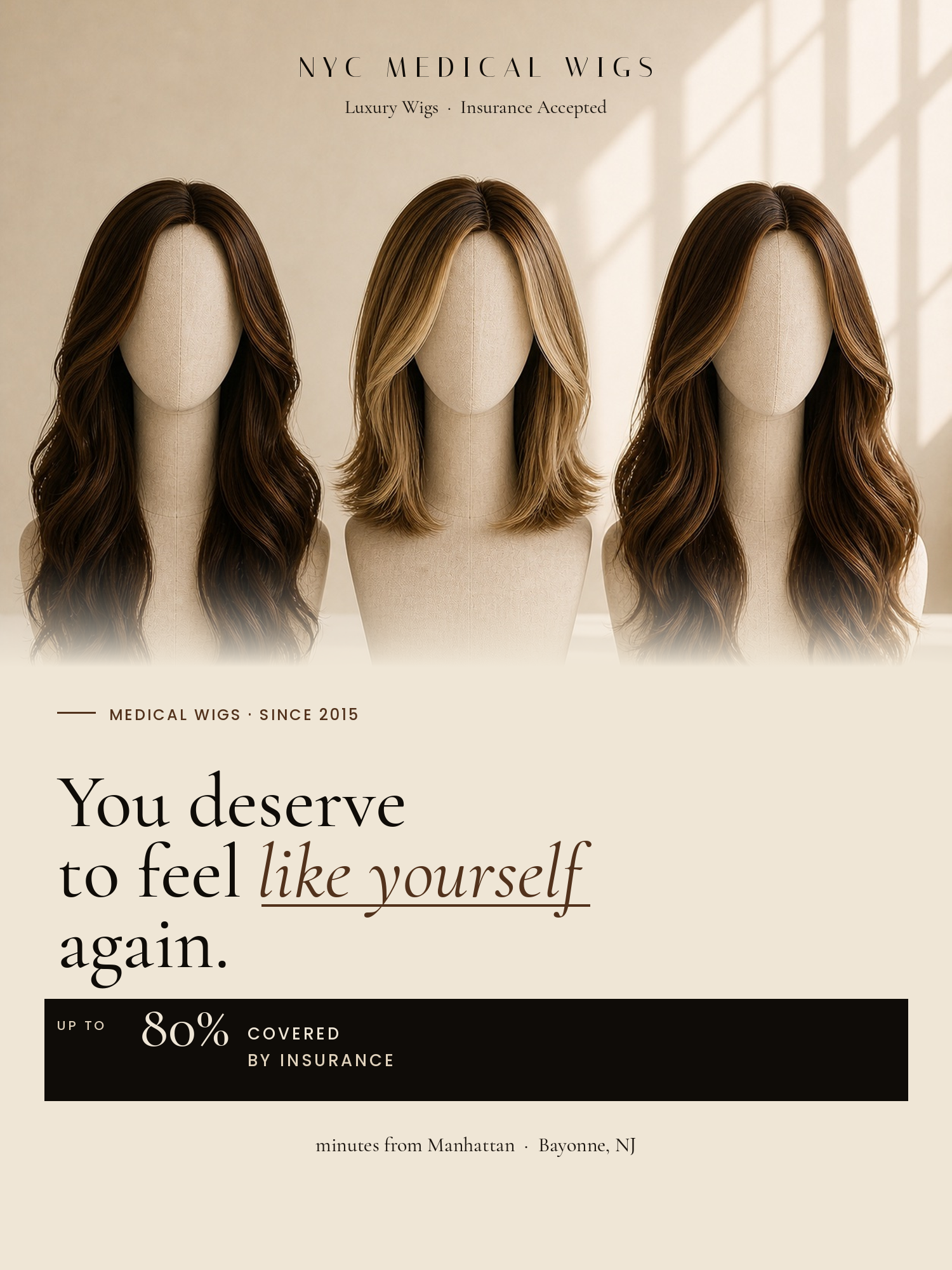
The Medical Wig Guide: Cost, Insurance & More
Summary
Chemotherapy can cause hair loss, which can be emotional and overwhelming. Medical wigs offer a soft, natural-looking solution that helps you feel like yourself again. They bring comfort, confidence, and control during a hard time. You can choose to wear one whenever you feel ready; it is all about what helps you feel better.
---------------------------------------------------------------------------
Noticing your hair thinning during chemotherapy is a tough, emotional experience. It’s a visible reminder of the battle you’re fighting. While your health is the top priority, feeling like yourself is also incredibly important. A high-quality medical wig can help you regain that sense of normalcy and confidence. Many people don't realize that insurance often covers these under the term "cranial prosthesis." The process can feel confusing, but we're here to help. This guide will give you clear, simple steps to understand your benefits and successfully file a claim.
Don’t worry, hair loss solutions in Bayonne are also available to help you deal with this situation. One of the most popular options is medical wigs. It keeps you looking normal and boosts your confidence.
As a medical wig provider, we will explore why hair loss happens during chemotherapy, what medical wigs are, why they are a life-changing solution, and more.
Let’s dive in!
Why Hair Loss Happens During Chemotherapy
-
It Targets Fast-Growing Cells: This cancer treatment (Chemotherapy) works by attacking fast-growing cells in your body. Your hair cells also grow fast, and chemo can’t tell the difference. It affects both.
-
Hair Follicles Get Weakened: As you know, your hair grows from tiny roots called follicles. During treatment, these follicles become weak. They can’t hold onto your hair like before. So, strands fall out more easily.
- It is a Temporary Side-Effect: For some people, hair loss begins just a few weeks after starting the therapy. However, it depends on your condition. But hair loss during this treatment is not unnatural, as it is a side effect of this treatment. You may notice it in your brush, in the shower, or on your clothes.
Other Medical Conditions That Cause Hair Loss
While chemotherapy is a well-known cause, it’s far from the only reason you might be experiencing hair loss. Many other medical conditions can lead to thinning hair or baldness. For instance, alopecia areata is an autoimmune condition where the body attacks its own hair follicles, often resulting in patchy hair loss. Hormonal shifts from menopause, thyroid issues, or even significant stress can trigger a condition called telogen effluvium, causing more hair to shed than usual. There's also trichotillomania, a disorder that involves a compulsive urge to pull out one's hair. Regardless of the cause, the emotional impact is real, and finding a solution that restores your sense of self is what matters most. A high-quality medical wig can be a wonderful tool for anyone going through these changes, offering comfort and confidence when you need it.
What Makes a Wig a "Medical Wig"?
Medical wigs, also known as Cranial Prosthesis, are specialized wigs made of high-quality materials. These wigs are made only for individuals who lose their hair due to health conditions, such as chemotherapy and alopecia. These wigs are soft, gentle, and designed to feel comfortable on sensitive scalps.
Our medical wigs are made of real human hair. By wearing our wigs, you can get a natural look. Our primary goal is to help you feel like yourself again during a time when everything feels different.
Key Differences: Medical vs. Fashion Wigs
While you might see wigs everywhere, it’s important to know that not all are created equal. A fashion wig is designed for temporary style changes. It’s a fun accessory, but it isn't built for the specific needs of someone experiencing hair loss. In contrast, a medical wig, or cranial prosthesis, is a carefully crafted piece designed for comfort, security, and a natural appearance for those with sensitive scalps. The biggest difference lies in the intention behind the design. Medical wigs prioritize your scalp’s health and your daily comfort, while fashion wigs focus on aesthetics for occasional wear. Because they are considered a medical necessity, cranial prostheses are often eligible for insurance coverage, which is rarely the case for a standard fashion wig.
Features and Construction of a Medical Wig
So, what exactly gives a medical wig its special status? It all comes down to the thoughtful design and superior materials used in its construction. Every detail, from the cap that sits against your scalp to the quality of the hair itself, is chosen to provide a realistic and comfortable experience. These aren't just accessories; they are solutions designed to integrate seamlessly into your life, helping you feel confident and secure. The unique combination of a gentle cap, high-quality hair, and a reliable fit is what truly sets a medical wig apart and makes it an ideal choice during a challenging time.
Cap Construction for Comfort
The foundation of any great medical wig is its cap. Unlike fashion wigs that can have scratchy, machine-made bases, medical wig caps are made from soft, breathable, and hypoallergenic materials. Many feature a 100% hand-tied cap, where each strand of hair is individually knotted to a soft mesh base. This meticulous process allows the hair to move freely, just like your own, and creates an incredibly realistic scalp appearance. You’ll also find styles with a monofilament top, which gives the illusion of hair growing right from your scalp, allowing you to part your hair in any direction. This focus on gentle materials and realistic construction ensures the wig feels light and comfortable, even after hours of wear on a sensitive scalp.
Hair Quality and Types
The quality of the hair is another defining feature of a medical wig. While some are made with advanced synthetics, the most natural-looking and versatile option is 100% human hair. At NYC Medical Wigs, we specialize in premium human hair wigs because they offer an unmatched level of realism. You can style human hair with heat, have it colored by a professional, and wash it just as you would your own. It moves, shines, and feels completely natural, which can make a world of difference in helping you feel like yourself again. This quality ensures your wig not only looks undetectable but also gives you the freedom to express your personal style without limitations.
Secure Fit for Sensitive Scalps
One of the biggest worries people have about wearing a wig is whether it will stay in place. Medical wigs are engineered to provide a secure fit without relying on clips or adhesives that can irritate a sensitive scalp. Many designs incorporate soft, non-slip silicone or polyurethane tabs at the nape of the neck and near the ears. These materials use your body heat to gently adhere to your skin, creating a secure hold that moves with you. This means you can go about your day—whether you’re at work, running errands, or enjoying a walk—with the confidence that your wig will remain comfortably and securely in place, no glue required.
Why Medical Wigs Are a Life-Changing Hair Loss Solution
Let’s explore the reasons why these wigs can be a game-changer for your current situation:
-
Boost Your Confidence: Hair is a big part of identity, especially for women. When it is gone, it can feel strange. Most people often deal with anxiety and depression, which often affect their health negatively. Wearing medical wigs helps you maintain your real look and boost your confidence. You see yourself in the mirror and think, “That’s me.”
-
Provide Comfort for Sensitive Scalp: After chemotherapy, your scalp becomes more sensitive. Wearing poor-quality wigs can worsen the condition. They may feel itchy or heavy. Our real human-hair wigs are made to be soft and breathable. They sit gently on your head without causing discomfort.
-
Offer a Natural Look: You may not want people to notice your hair loss. That’s okay. Our human hair wigs are designed to look like real hair. They move naturally. They shine like your own hair. People may not even realize you are wearing a wig.
-
Give You Control Again: So much during this cancer treatment feels out of your control. But choosing your wig? That’s something you can decide. You can pick the style, length, and color. It gives you a small but powerful sense of control.
-
Save Time and Energy: During treatment, you may feel tired. Styling your hair every day can feel like too much. Medical wigs are ready to wear. Just put them on, and you are good to go. It makes your routine easier.
- Allow You to Go Anywhere without a Second Thought: You may feel unsure about going out after hair loss. That is normal. But wearing a wig can help you feel ready. Whether it is a short walk, a visit with friends, or a doctor’s appointment, you feel more like yourself stepping outside.
When You Should Consider Medical Wigs
Many people often get confused. Here is a detailed breakdown that will help you make the right choice at the right time:
-
Before Hair Loss Begins: It is actually a great decision to get a wig before your hair starts falling out. This helps match the wig to their natural hair. It also gives time to adjust.
-
When Hair Thinning Starts: If you start seeing more hair fall, it may be the right time. You can ease into wearing a wig slowly.
- When You Want More Confidence: If stepping out feels hard, a wig can help. It is not about hiding; it is about feeling ready.
Hair loss during chemotherapy is hard. There is no way around that. But you don’t have to go through it feeling unlike yourself. Our medical wigs in Bayonne can help you feel comfortable, confident, and more like you again. And sometimes, that small feeling makes a big difference. You can call us to schedule a virtual consultation today.
Covering the Cost of Your Medical Wig
Finding the right medical wig is a huge step, but figuring out how to pay for it can feel like another mountain to climb. The good news is that you have options. Many insurance plans offer coverage for medical wigs, and other financial tools can help make a high-quality wig more accessible. It often comes down to knowing the right steps to take and the right words to use. We specialize in helping our clients with this process because we believe cost shouldn't stand in the way of you feeling your best. Let’s walk through how you can cover the cost of your new hair.
Understanding Wig Costs
When you start looking at medical wigs, you'll notice that prices can vary quite a bit. The cost depends on factors like the type of hair used (human hair is typically more expensive than synthetic), the cap construction, and whether it's a ready-to-wear piece or fully custom. Generally, you can expect medical-grade wigs to range from several hundred to over a thousand dollars. While this might seem like a significant expense, it's helpful to think of it as an investment in your daily comfort and confidence. A well-made wig looks more natural, feels better on a sensitive scalp, and will last much longer with proper care.
Using Insurance for a Cranial Prosthesis
Many people are surprised to learn that their health insurance might help pay for their wig. Some insurance companies recognize that hair loss from medical conditions isn't just a cosmetic issue—it's a medical one. For this reason, they may cover a portion of the cost for what they call a "cranial prosthesis." The process can seem a little complicated, which is why we offer consultations to guide you through every step. We can help you understand your benefits and gather the right paperwork to submit a successful claim, taking the guesswork out of the equation for you.
The Importance of Terminology: "Cranial Prosthesis" vs. "Wig"
Here’s a small but crucial tip: when you talk to your doctor or insurance company, always use the term "cranial prosthesis." While it might sound overly clinical, this is the official medical term for a wig needed due to hair loss from a health condition. According to the National Alopecia Areata Foundation, insurance providers often classify a "wig" as a cosmetic item and will deny coverage. However, a "cranial prosthesis" is recognized as durable medical equipment, similar to a prosthetic limb, which makes it much more likely to be covered under your plan. Using the correct language is the first step toward getting your claim approved.
Step 1: Get a Doctor's Prescription
Before your insurance company will even consider your claim, you need a formal prescription from your doctor. This isn't something you can skip. Schedule an appointment and ask your doctor to write a prescription for a "cranial prosthesis." The prescription should clearly state that you need it because of hair loss resulting from your specific medical diagnosis, such as alopecia or side effects from chemotherapy. Having this official document connects your need for a wig directly to your medical treatment, which is exactly what insurance providers need to see to process your request for coverage.
Step 2: Submit Your Claim with a Detailed Invoice
Once you have your prescription, the next piece of the puzzle is the invoice from your wig provider. This can't be just any receipt. You'll need a detailed medical invoice that explicitly lists the item as a "cranial prosthesis," not a "wig." It should also include the provider's tax ID number and other specific details. At NYC Medical Wigs, we handle this for you by providing an invoice with all the necessary information formatted correctly for insurance purposes. You will then submit this invoice along with your doctor's prescription and a completed insurance claim form, which you can get from your insurance company.
What to Do If Your Claim Is Denied
Receiving a denial letter from your insurance company can be incredibly discouraging, but don't let it be the end of the road. You have the right to appeal the decision. The first thing you should do is read the denial letter carefully to understand exactly why they said no. Sometimes, it's due to a simple clerical error or missing information that you can easily correct. The appeal process usually involves writing a letter that explains why the cranial prosthesis is medically necessary for your well-being, and you can include additional supporting documents from your doctor. It takes persistence, but many people successfully overturn a denial on appeal.
Other Financial Assistance Options
If insurance coverage doesn't work out or only covers part of the cost, there are still other avenues to explore. Financial tools like Health Savings Accounts (HSAs) can be a great way to pay for medical expenses with pre-tax dollars. Additionally, several nonprofit organizations are dedicated to helping people access wigs when they are experiencing medical hair loss. These resources exist to lighten the financial load, so it’s worth taking the time to see if you qualify for assistance. Every bit of support can make a difference in your journey.
Using an HSA
If you have a Health Savings Account (HSA) or a Flexible Spending Account (FSA) through your employer, you can likely use those funds to purchase your cranial prosthesis. These accounts allow you to set aside money before taxes to pay for qualified medical expenses, and a medical wig almost always falls into that category. This is a fantastic way to save money, as you're paying with tax-free dollars. Just be sure to keep your prescription and detailed medical invoice for your records in case you ever need to prove that it was a qualified medical purchase.
Nonprofit Organizations
There are many wonderful nonprofit organizations that provide wigs for free or at a low cost to individuals with medical hair loss. Groups like the American Cancer Society have programs that can help, and other organizations such as Hair We Share and Wigs for Kids focus specifically on providing hairpieces to those in need. While some of these programs are geared toward children, many also serve adults. A quick search online can connect you with national and local groups that may be able to offer support, ensuring you can find a beautiful wig regardless of your financial situation.
Practical Advice for Wig Wearers
Once you have your medical wig, the next step is making it feel like a true part of you. A great wig is more than just hair—it's a tool that helps you face the world with confidence. Investing in a high-quality piece is the first step, but learning how to customize it and care for it properly is what will truly make it shine. With a few simple tips, you can ensure your wig looks natural, fits securely, and stays beautiful for as long as possible. This practical knowledge can transform your experience from just wearing a wig to loving your new hair.
Investing in a High-Quality Wig
Choosing a high-quality medical wig is one of the best things you can do for your comfort and confidence. While they can be more expensive upfront, premium wigs made from 100% human hair, like the ones in our collection, offer a level of realism that is hard to match. They move, feel, and can be styled just like natural hair. As many wearers on forums like Reddit have noted, a good wig is an investment that pays off in how natural it looks and how perfectly it fits. A comfortable, secure fit is especially important for a sensitive scalp, making a well-constructed medical wig worth every penny.
Customizing Your Wig for a Natural Look
Even the most beautiful wig can feel a little off until it's been personalized for you. Taking your new wig to a stylist who has experience with wigs is a game-changer. They can trim the bangs, add layers to frame your face, and thin out any areas that feel too bulky. This customization process is what makes the wig look like it's truly yours, rather than something you're just wearing. A simple haircut can blend the wig seamlessly with your features and personal style, helping you feel completely comfortable and confident in your new look.
The Importance of Proper Wig Care
To keep your human hair wig looking its best and extend its lifespan, proper care is essential. You'll want to wash and condition it regularly using products specifically designed for color-treated hair or wigs, as regular shampoos can be too harsh. Always use cool water and gently detangle the hair with a wide-tooth comb, starting from the ends and working your way up to the roots. When you're not wearing it, store your wig on a mannequin head or wig stand to help it maintain its shape and prevent tangles. For more detailed instructions, you can always check our FAQ page or ask us during your consultation.
Frequently Asked Questions
Is it better to get a wig before or after my hair starts to fall out? I always recommend starting your search before your hair begins to thin. This gives you the advantage of matching the wig’s color and texture to your natural hair, which can make the transition feel much smoother. It also gives you time to get comfortable with the idea and find a style you truly love without feeling rushed or overwhelmed.
I see wigs sold everywhere. What makes a "medical wig" different from a regular one I'd find in a beauty supply store? The main difference comes down to the construction and intent. A fashion wig is a fun accessory, but a medical wig is designed for someone with a sensitive scalp. The caps are made from softer, more breathable materials, and many are hand-tied to create a very realistic look and feel. They prioritize your comfort for all-day wear, something a standard fashion wig isn't built to do.
My friend's insurance denied her wig claim. How can I increase my chances of getting my cranial prosthesis covered? This is a common concern, but you can take specific steps to help your case. First, you must get a prescription from your doctor for a "cranial prosthesis." Using this exact medical term is critical, as "wig" is often seen as cosmetic and denied. Second, ensure the invoice from your wig provider also uses this term and includes their tax ID number. Proper documentation is your best tool for a successful claim.
I'm worried a wig will feel hot, itchy, or look fake. How are medical wigs designed for comfort and a natural appearance? This is a completely valid worry, and it's one that high-quality medical wigs are designed to solve. They use lightweight, breathable cap materials and often feature a monofilament top, which creates the illusion of a natural scalp and allows you to part the hair anywhere. Because we use 100% human hair, it moves and shines just like your own, and a stylist can cut it to frame your face perfectly, making it look completely yours.
How much maintenance does a human hair wig require to keep it looking good? Caring for a human hair wig is similar to caring for your own color-treated hair. It requires gentle washing with sulfate-free products, careful detangling with a wide-tooth comb, and proper storage on a wig stand to maintain its shape. While it is an investment of time, this routine care is what protects the hair and ensures your wig remains beautiful and natural-looking for a long time.
Key Takeaways
- Prioritize comfort with a medical wig: Unlike fashion wigs, medical wigs are specifically designed for sensitive scalps. They use soft materials and high-quality hair to provide a comfortable, secure fit and a completely natural look.
- Your insurance may cover the cost: To get your wig covered, always use the term "cranial prosthesis." You will need a prescription from your doctor and a detailed medical invoice from your provider to successfully file a claim.
- Personalization is the final step: Having a stylist trim your new wig to frame your face is the key to making it look truly yours. A consistent care routine using the right products will also protect your investment and maintain its beauty.