Wig Tape Near Me: Where to Buy & How to Apply
A high-quality cranial prosthesis is an investment in your confidence and well-being. To protect that investment and ensure you feel secure every time you wear it, you need a reliable attachment method. Wig tape is a fantastic option, offering a powerful hold without the mess of liquid glues. However, the tape you use matters immensely, especially for delicate skin. It’s easy to search for "wig tape near me" and see dozens of choices, but the difference between a standard cosmetic tape and a true medical-grade adhesive is significant. As cranial prosthesis specialists, we want to give you the knowledge to choose wisely. This guide will explain what makes a great wig tape and how to use it correctly for a flawless, worry-free fit.
Key Takeaways
- Choose Medical-Grade Tape for Skin Safety: Your scalp's health is the priority, so opt for hypoallergenic adhesives designed for skin contact. Always perform a 24-hour patch test before using a new tape to prevent potential irritation.
- Proper Technique Is Everything: For a secure hold, start by applying tape to clean, dry skin free of oils. When it is time for removal, use a skin-safe solvent to gently dissolve the bond, protecting both your skin and your cranial prosthesis.
- You Have Options Beyond Tape: If tape is not the right fit, effective alternatives like wig grips or liquid adhesives can provide excellent security. A cranial prosthesis specialist can help you explore all attachment methods to find what makes you feel most comfortable and confident.
What Is Wig Tape and How Does It Work?
If you’re wearing a cranial prosthesis, feeling secure is everything. You want to move through your day with confidence, without a second thought about your hair. This is where wig tape comes in. Simply put, wig tape is a double-sided adhesive strip designed specifically to secure a medical wig or hair prosthesis directly to your scalp. Think of it as a reliable, invisible anchor that keeps your unit perfectly in place from morning to night.
Unlike household tapes, wig tape uses a medical-grade adhesive that is safe for direct skin contact. It creates a strong but gentle bond between your scalp and the foundation of your cranial prosthesis. This is especially important for those with little or no biological hair, as the tape provides the friction and grip needed for a stable fit. Whether you're heading to a doctor's appointment or meeting friends for lunch, the right tape gives you the freedom to live your life without worrying about your wig shifting. During a consultation, we can explore all the attachment methods to find the one that gives you the most comfort and peace of mind.
Wig Tape vs. Regular Tape: What's the Difference?
It’s crucial to understand that wig tape and regular household tape are not interchangeable. While both are sticky, that’s where the similarities end. Regular tapes, like Scotch tape or packing tape, use industrial-grade adhesives that can cause severe skin irritation, redness, and allergic reactions, especially on a sensitive scalp. They are not designed for prolonged contact with your body and can damage the delicate materials of your prosthesis.
Wig tape, sometimes called toupee tape, is a biocompatible product made with medical-grade adhesive that is gentle on the skin while providing a strong, reliable hold. It’s designed to adhere securely to both your skin and the polyurethane or lace materials found in a high-quality cranial prosthesis, ensuring your unit stays put without causing harm.
Is Wig Tape Right for You?
Deciding on an attachment method is a personal choice, and wig tape is an excellent option for many of our clients. If you are looking for a strong hold without the potential mess of liquid adhesives, tape is a fantastic alternative. It’s particularly well-suited for individuals with total hair loss from conditions like alopecia totalis or from chemotherapy treatments, as it provides a secure bond directly to the scalp.
Because it is a medical-grade product, it’s often a preferred choice for those with sensitive skin. The application is straightforward, and removal is clean and simple with the right solvent. It offers a powerful hold that can last for days, giving you a "set it and forget it" sense of security. We can discuss if tape is the best fit for your lifestyle and skin type during your private appointment.
Exploring the Types of Wig Tape
When you start looking for wig tape, you'll find a few different options. It’s not a one-size-fits-all situation. The best tape for you will depend on your skin's sensitivity, the design of your cranial prosthesis, and whether you have partial or total hair loss. Understanding the main types can help you make a choice that feels secure and comfortable. From double-sided options designed for a strong hold to hypoallergenic tapes for sensitive skin, each has a specific purpose. Let's walk through the most common types so you can feel confident when you shop.
Double-Sided Tape
This is the most common type of wig tape you'll encounter. It’s a strong adhesive with two sticky sides: one attaches to your skin, and the other adheres to the inside of your cranial prosthesis. This tape is most effective for those with little to no hair, as it needs direct skin contact to create a secure bond. Many medical wigs and cranial prostheses are designed with polyurethane "tape tabs," which are small, smooth areas specifically created for tape application. The double-sided tape sticks perfectly to these tabs, preventing any slippage throughout your day and giving you peace of mind.
Medical-Grade and Hypoallergenic Options
For anyone with a sensitive scalp, especially due to chemotherapy treatments or alopecia, looking for "medical-grade" or "hypoallergenic" tape is essential. These tapes are designed specifically for contact with delicate skin. Medical-grade adhesive is a skin-safe solution that provides a strong hold without the irritation that can come from other glues. Hypoallergenic tapes are formulated to minimize the risk of an allergic reaction. During your cranial prosthesis consultation, we can discuss the best adhesive options for your specific needs and ensure your comfort and safety are the top priority. Always perform a patch test before applying a new tape to your entire scalp.
Tape Strips vs. Rolls
Wig tape is typically sold in two formats: pre-cut strips or rolls. Pre-cut strips are incredibly convenient. They come in various shapes (straight, curved, or contoured) and sizes designed to fit different areas of a cranial prosthesis cap. This takes the guesswork out of application and makes the process quick and easy. Rolls, on the other hand, offer more customization. You can cut the exact length and shape you need for a specific area, which can be more economical in the long run. The choice between strips and rolls often comes down to personal preference and what feels most straightforward for your daily routine.
Is Wig Tape Safe for a Sensitive Scalp?
When you’re managing hair loss from a medical condition, the last thing you want is to worry about an irritated scalp. So, is wig tape a safe choice? For many, the answer is yes. Medical-grade wig tape is specifically designed for this purpose. It’s a double-sided adhesive that provides a secure hold for your cranial prosthesis without the mess or potential irritants of some liquid glues.
This makes it a go-to option for individuals with very sensitive skin, including those experiencing hair loss from chemotherapy or alopecia. The key is to choose the right kind of tape and apply it correctly. Not all tapes are created equal, and your skin’s health is the top priority. Before you commit to a product, it’s important to understand what to look for, how to test for sensitivity, and what’s true (and what’s not) about using wig tape.
Considerations for Chemotherapy and Alopecia
If you are undergoing chemotherapy or have alopecia, your scalp may be especially tender and sensitive. The goal is to find a secure attachment method that gives you confidence without causing discomfort. A reliable hold is essential for feeling like yourself, allowing you to go about your day without worrying about your cranial prosthesis shifting. Medical-grade wig tape is often the perfect solution. It’s designed to be gentle on the skin while providing a strong, lasting bond. This can be a much better alternative to liquid adhesives, which can sometimes contain harsher ingredients. A cranial prosthesis specialist can help you find a hypoallergenic tape that works for your specific needs.
How to Do a Patch Test for Sensitivity
Even if a tape is labeled hypoallergenic, you should always perform a patch test before applying it to your entire scalp. This simple step can save you from widespread irritation. First, choose a small, discreet patch of skin, like the area behind your ear or on your inner forearm. Make sure the skin is clean and dry. Apply a small piece of the wig tape and leave it in place for at least 24 hours. During this time, pay attention to any signs of a reaction, such as redness, itching, or burning. If your skin shows no signs of irritation after 24 hours, the tape is likely safe for you to use. This quick skin safety check is a crucial part of the process.
Debunking Myths About Wig Tape and Hair Damage
There are many myths about wearing medical wigs, and wig tape is often part of the confusion. One common fear is that tape is uncomfortable. While this might have been true of older products, modern medical-grade tapes are lightweight, flexible, and designed for extended wear. Another concern is that tape will damage the scalp or prevent hair from growing back. This is also untrue. Quality wig tape is made to be gentle on skin and hair follicles. When you use a skin-safe remover and follow the proper removal techniques, the tape lifts away easily without causing harm. You can find more answers to common questions on our FAQ page.
How to Apply Wig Tape Correctly
Using wig tape is one of the most reliable ways to secure your cranial prosthesis, giving you the confidence to go about your day without worrying about slippage. While it might seem intimidating at first, the process is quite simple once you get the hang of it. Proper application is the key to a comfortable, long-lasting hold that is gentle on your skin. It’s all about preparing your skin, placing the tape correctly, and knowing a few common mistakes to sidestep. Below, we’ll walk through the exact steps for a secure fit, what to watch out for, and how long you can expect your tape to hold.
A Step-by-Step Guide to Application
A secure hold starts with a clean surface. Following these simple steps will help you get a comfortable, lasting bond every time.
- Prep Your Skin: Before you begin, make sure the areas where you’ll place the tape are clean and dry. Gently wipe your hairline with a cotton pad and a bit of alcohol or a skin-safe cleanser to remove any natural oils or moisturizers. This simple step is the most important for ensuring the tape can adhere properly.
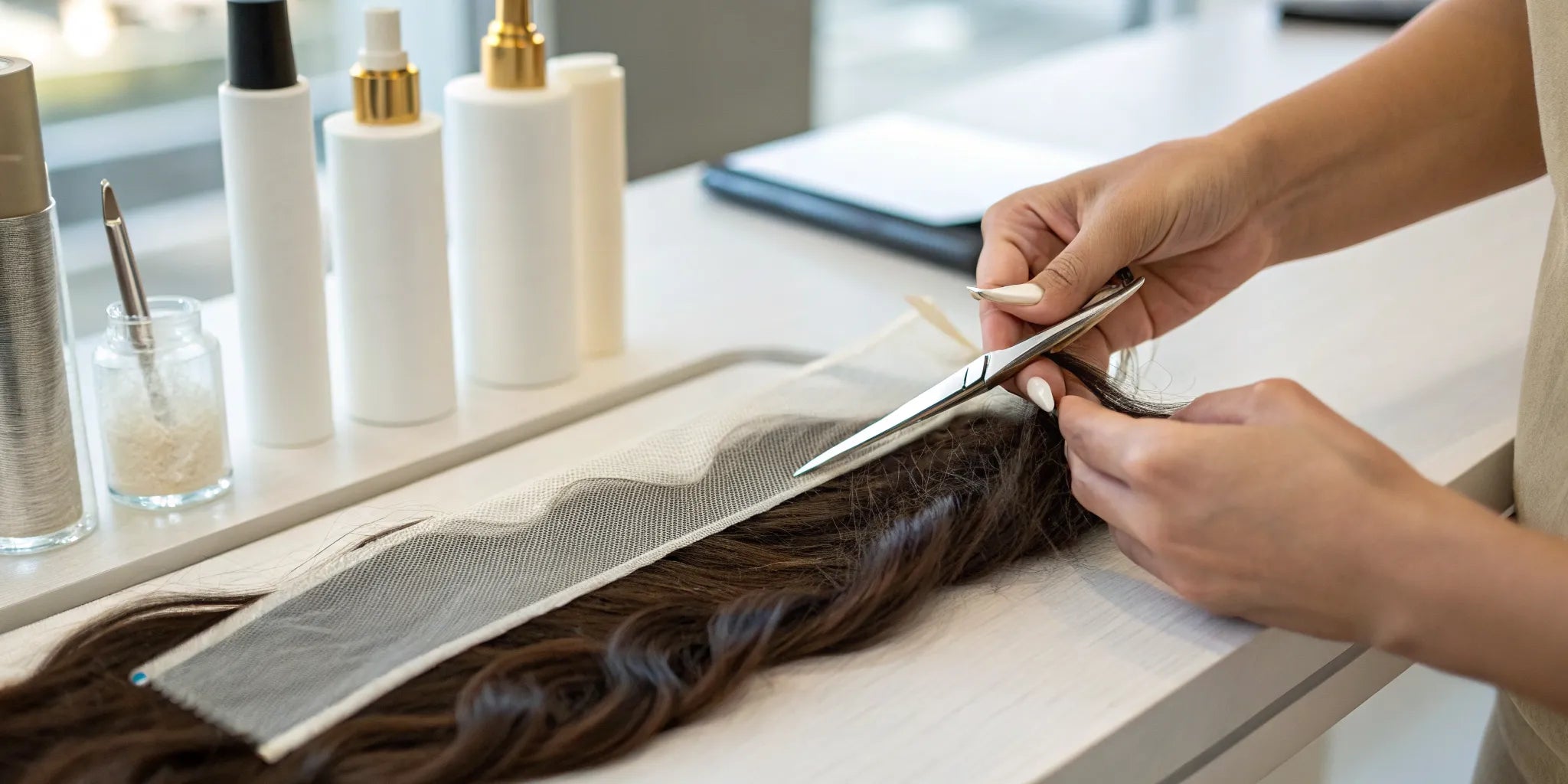
- Place the Tape on Your Wig: Cut the tape into strips that fit the polyurethane tabs or designated tape areas of your cranial prosthesis. Peel the paper from one side of the tape and press it firmly onto the inside of your unit.
- Apply Your Cranial Prosthesis: When you’re ready, peel the backing off the other side of the tape strips. Carefully position the cranial prosthesis on your head and, once you’re happy with the placement, press down firmly on the taped areas for 30-60 seconds. This pressure activates the bond, creating a secure attachment. You can find many helpful tutorials on application if you need a visual guide.
Common Application Mistakes to Avoid
Applying wig tape correctly is a skill, and a few common missteps can lead to a less-than-perfect experience. Knowing what to avoid is just as important as knowing what to do.
One of the most frequent issues is not getting a secure attachment, which can cause your medical wig to shift. This often happens when the skin isn't properly cleaned of oils before application. Another common mistake is using too much tape. It’s tempting to think more tape means more security, but it can actually create a bulky feel and make removal difficult. Start with a few strategically placed strips; you can always add more if needed. Most importantly, never apply tape to skin that is broken, irritated, or sore. Your comfort and skin health are the top priorities. If you have questions about what’s right for your skin, a cranial prosthesis specialist can provide personalized advice.
How Long Does Wig Tape Hold?
The duration of a wig tape’s hold can vary significantly from person to person. Generally, you can expect a daily wear tape to last for the day, while extended-wear tapes can hold for several days or even up to a few weeks. Factors like humidity, your body’s chemistry, and how much you perspire will all play a role in the tape’s longevity. For example, a tape might not last as long during a humid New York summer as it would in the winter.
While some tapes are marketed for holds of up to four or six weeks, it’s often best for your scalp health to change the tape more frequently. Regular changes allow you to clean your scalp and your cranial prosthesis, preventing potential irritation. We recommend starting with a shorter-wear tape to see how it works for you and your skin. You can always experiment with different types of wig tape to find the perfect balance of hold time and comfort for your lifestyle.
How to Remove Wig Tape Gently and Safely
Removing your cranial prosthesis should be a gentle and stress-free process. The goal is to protect both your skin and the delicate materials of your hair prosthesis. Pulling or tugging at the tape can cause skin irritation and damage the unit, so it’s important to dissolve the adhesive properly before lifting your wig. Taking a few extra minutes to remove the tape correctly will keep your skin healthy and extend the life of your medical wig, ensuring you feel comfortable and secure every day.
Techniques for Safe Removal
The easiest and safest way to remove wig tape is with an adhesive remover. Never try to pull the tape off dry, as this can be painful and harmful to your skin. Instead, grab a cotton ball or pad and saturate it with a skin-safe solvent or rubbing alcohol. Gently dab the cotton ball directly onto the tape, allowing the remover to soak in and break the bond between the adhesive and your skin. You may need to apply it a few times. Wait a minute or two for the solvent to work, then gently lift a corner of the tape. If you feel any resistance, apply more remover and wait a little longer. Patience is key to a clean, painless release.
Choosing a Skin-Safe Adhesive Remover
Your scalp can be especially sensitive during medical treatments, so choosing the right adhesive remover is essential. While rubbing alcohol is an option, it can be very drying for some people. We recommend using a professional adhesive remover specifically formulated for medical wigs and sensitive skin. These products are designed to be effective yet gentle, minimizing the risk of irritation. Before using any new product, always perform a patch test on a small area of your skin, like your inner arm, to check for any reaction. If you're unsure which product is best for you, we can help you get personalized advice during a consultation.
When Should You Replace Your Tape?
How long your wig tape lasts depends on several factors, including your skin’s natural oils, the climate you live in, and your activity level. While some tapes can hold for weeks, there is no one-size-fits-all answer. The best approach is to monitor its condition and listen to your body. If you notice the edges starting to lift or the bond feeling less secure, it’s time for a replacement. Regularly changing your tape is also a matter of hygiene, as it prevents oil and residue from building up on your scalp. A fresh application ensures the most secure hold, giving you the confidence to go about your day without worry.
Where to Find Medical-Grade Wig Tape
Finding the right medical-grade tape is a crucial step in securing your cranial prosthesis with confidence. You need a product that is both reliable and gentle on your skin, especially if you’re dealing with sensitivity from medical treatments. The good news is that high-quality wig tape is more accessible than you might think. Whether you prefer to shop in person or online, you have several great options for finding the perfect tape to fit your lifestyle and needs. Knowing where to look and what to ask for can make all the difference in your experience.
Local Pharmacies and Medical Supply Stores
Your neighborhood pharmacy or a local medical supply store is an excellent starting point. These places often carry specialized tapes designed for medical use, which are perfect for securing a cranial prosthesis. You might hear it called "toupee tape," but it's the same type of double-sided adhesive used to hold hairpieces firmly in place. The advantage of shopping here is the ability to speak with a pharmacist or a knowledgeable staff member who can guide you toward hypoallergenic and gentle options. This is especially helpful if you have sensitive skin from chemotherapy or alopecia and need a product you can trust.
Trusted Online Retailers
For convenience, you can find a wide variety of medical-grade wig tapes online. Services like Instacart allow you to order wig tape and have it delivered right to your door, sometimes very quickly. You can also explore dedicated medical supply websites. When shopping online, always buy from a reputable seller and read product descriptions carefully to ensure the tape is listed as "medical-grade" or "hypoallergenic." Checking customer reviews can also provide insight into how the tape performs, particularly for others with sensitive skin. This is a great way to access a broader selection of products from the comfort of your home.
What to Look For When You Shop
When you're ready to buy, a few key factors will help you choose the best product. First, consider your skin's sensitivity, your desired hold time, and your cranial prosthesis's base material. Some tapes offer a light, daily hold, while others are made for extended wear. It's also vital to prepare your skin properly. As you learn how to use wig tape, remember to start with a clean, dry surface free of oils or moisturizers. This simple step ensures the tape can adhere correctly and provide the secure hold you need to go about your day with confidence.
What Makes a Great Wig Tape?
Finding the right wig tape is about more than just a strong hold. For anyone wearing a cranial prosthesis due to a medical condition, the best tape provides security, comfort, and peace of mind. It should feel like a seamless part of your routine, not a constant worry. A quality tape keeps your medical wig securely in place without irritating your skin, allowing you to go about your day with confidence. The goal is to find a product that works so well you forget it’s even there.
Key Features of a Quality Tape
A great wig tape is almost always a medical-grade, double-sided adhesive. Unlike craft tapes, this type is specifically designed for skin contact, offering a secure hold without the mess and potential irritation of liquid glues. This is especially important for individuals with little to no hair, as the tape adheres directly to the scalp. Many high-quality cranial prostheses feature polyurethane or "tape tabs," which are small, non-porous strips designed for the tape to stick to. This creates a reliable bond that reduces slippage and ensures your wig stays put. During a professional consultation, we can show you exactly how these features work together.
Recommended Features for Sensitive Scalps
If you have a sensitive scalp from chemotherapy or alopecia, choosing the right tape is critical. Look for options labeled "hypoallergenic" or "medical-grade," as these are made with non-toxic adhesives formulated to minimize skin reactions. Before committing to a new tape, it’s always a good idea to perform a patch test on a small area of skin, like behind your ear, to check for any sensitivity. Your ideal tape depends on your skin type, desired hold time, and the base material of your wig. For more answers to common questions, you can always review our frequently asked questions or schedule a one-on-one appointment.
What Are the Alternatives to Wig Tape?
While wig tape is a reliable way to secure your cranial prosthesis, it’s certainly not your only choice. Finding the right attachment method is a personal decision that depends on your skin's sensitivity, your lifestyle, and what makes you feel most comfortable and secure. For many women, especially those undergoing chemotherapy or managing conditions like alopecia, the skin on the scalp can become extra sensitive. In these cases, exploring alternatives to adhesives is a great step toward ensuring your comfort throughout the day. It’s all about finding a balance between a secure fit and what feels best against your skin.
The good news is that there are several excellent options available, and you don't have to feel limited. From simple, non-adhesive accessories to different types of bonding agents, you can find a solution that works for you. Some methods offer a strong, long-lasting hold perfect for active days, while others provide a gentle, secure fit that’s easy to remove at night. The goal is to find a method that gives you complete confidence in your cranial prosthesis, so you can focus on your day without a second thought. During a cranial prosthesis consultation, we can walk through these options together to find your perfect match and ensure your medical wig feels like a natural part of you.
Wig Grips and Secure Headbands
If you prefer to avoid adhesives, a wig grip is a fantastic solution. This is a soft, velvet-like headband that you wear underneath your cranial prosthesis. The unique texture of the fabric creates a gentle friction against both your scalp and the inside of the wig cap, holding it securely in place without any stickiness. Wig grips are incredibly comfortable, breathable, and easy to use. You simply place it on your head like a headband, and then put your medical wig on over it. They are an ideal choice for daily wear, especially for those with sensitive skin, as they provide a secure hold while protecting your scalp from any irritation.
Liquid Adhesives
For those seeking a very strong, durable hold, liquid adhesives are a popular alternative to tape. These are skin-safe bonding agents that you apply directly to your scalp in a thin layer before placing your cranial prosthesis. Liquid adhesives are often used to create a flawless, invisible hairline with lace front medical wigs, providing a hold that can last for several days. It is crucial to use a medical-grade adhesive and to perform a patch test first to ensure you don't have a reaction. When it's time for removal, always use a designated adhesive remover to gently dissolve the bond, protecting both your skin and the delicate materials of your hair prosthesis.
When to Go Adhesive-Free
Choosing to go completely adhesive-free is a valid and often very comfortable option. Many women make this choice due to skin sensitivities caused by medical treatments, or simply for the convenience of easy application and removal. Modern cranial prostheses are designed with security as a top priority. Many units come with built-in features like adjustable elastic straps, silicone strips, or flexible ear tabs that help create a snug and secure fit on their own. When you combine these features with a well-fitted cap and a wig grip, you can achieve a reliable hold without needing any tape or glue. A proper fitting is key to making an adhesive-free approach work for you.
Get Expert Guidance on Your Cranial Prosthesis in NYC
When you’re dealing with medical hair loss, finding the right cranial prosthesis is about so much more than just hair. It’s about comfort, security, and feeling like yourself again. While New York City has countless salons, it's important to work with someone who truly understands the medical side of hair replacement. A cranial prosthesis is a medical device, and getting the fit and application right requires specialized knowledge that goes far beyond typical hairstyling. This is why connecting with a cranial prosthesis specialist is a critical step in your journey.
Unlike a general wig store, a specialist focuses on the unique needs of clients with sensitive scalps due to chemotherapy, alopecia, or other conditions. During a private consultation, a specialist will assess your specific needs, take precise measurements for a perfect fit, and walk you through the best options for materials and cap construction. We help you understand how to care for your scalp and your prosthesis, ensuring your experience is as comfortable as possible. This personalized attention makes all the difference in finding a solution that works for you long-term.
A specialist can also provide expert guidance on the best way to secure your piece. While wig tape is a popular option, it's not a one-size-fits-all solution, especially for sensitive skin. We can help you determine if medical-grade tape is the right choice for you, teach you the correct application and removal techniques to prevent irritation, and suggest alternatives if needed. Our goal is to ensure your cranial prosthesis feels secure and comfortable all day long, giving you one less thing to worry about.
Related Articles
- Everything You Need to Know About Wig Tape
- What Is a Cranial Prosthesis? A Complete Guide
- The Ultimate Wig Glue Guide: Application to Removal
- How to Choose the Perfect Closure Wig for You
Frequently Asked Questions
Can I just use regular double-sided tape from an office supply store? Absolutely not. It’s so important to only use tape specifically designed for skin and hair systems. Regular household or craft tapes contain industrial adhesives that are not safe for your body. They can cause serious skin irritation, allergic reactions, and can even damage the delicate base of your cranial prosthesis. Medical-grade wig tape is made with a biocompatible adhesive that is gentle enough for direct contact with a sensitive scalp while still providing a strong, reliable hold.
How do I know which type of wig tape is right for me? The best tape for you depends on your skin's sensitivity, your lifestyle, and the specific design of your hair prosthesis. If your scalp is particularly sensitive from chemotherapy or alopecia, a hypoallergenic, medical-grade tape is the best place to start. For a stronger, longer hold, you might explore extended-wear options. The most effective way to find your perfect match is to discuss your needs during a professional consultation, where a specialist can recommend products based on your individual situation.
Will using wig tape prevent my natural hair from growing back? This is a common concern, but you can rest assured that quality wig tape will not harm your hair follicles or prevent regrowth. When you use a medical-grade product and follow the proper removal process with a skin-safe solvent, the tape lifts away gently without pulling or causing damage to your scalp. The key is to never pull the tape off dry skin; always dissolve the adhesive first.
What if I don't want to use any adhesives on my scalp? You have plenty of options if you prefer to go adhesive-free. A popular alternative is a wig grip, which is a soft velvet headband that uses friction to hold your cranial prosthesis securely in place. Many modern medical wigs also come with built-in security features like adjustable straps and silicone tabs that provide a snug fit on their own. Finding a solution that makes you feel secure is a personal choice, and you don't have to use tape or glue if you don't want to.
How often should I change my wig tape? This really varies from person to person. While some extended-wear tapes can last for a week or more, factors like your skin’s natural oils, your activity level, and even the weather can affect the bond. For hygiene and scalp health, it's a good practice to change your tape every few days. This allows you to clean both your scalp and your cranial prosthesis, preventing any buildup or potential irritation and ensuring you always have the most secure fit.