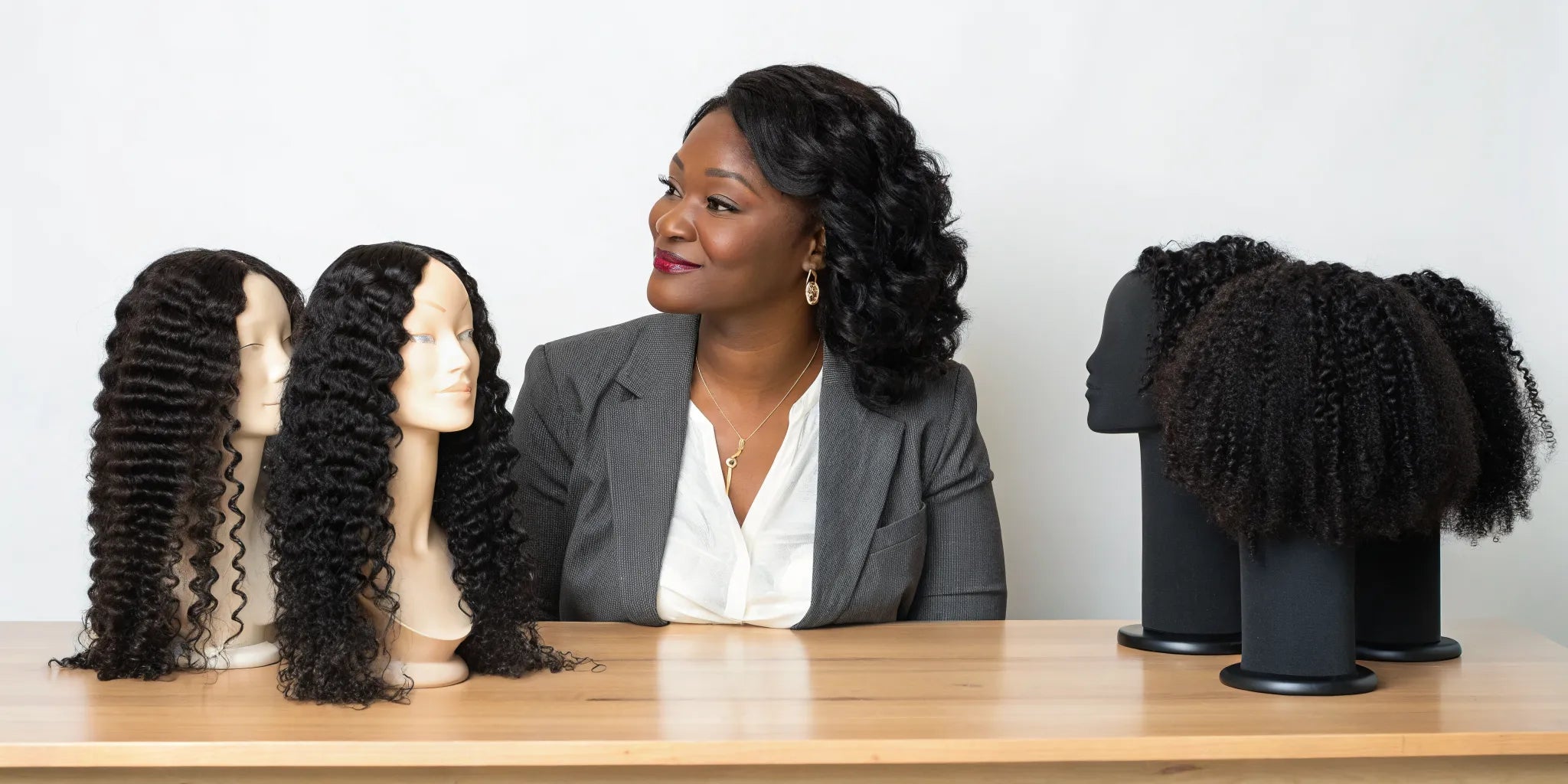
Human Hair Cranial Prosthesis: A Patient's Guide
A high-quality human hair cranial prosthesis is an investment in your emotional well-being, but the cost can feel like a barrier. Here's what many women don't realize: because it's a medical necessity, your insurance plan may cover a significant portion of the expense. This is a key difference between a standard wig and a prescribed hair prosthesis. We'll explain the features that make it the perfect choice for a sensitive scalp and walk you through the insurance process, making this essential investment more accessible for you.
Key Takeaways
- A Cranial Prosthesis is a Medical Device: It is important to know that a cranial prosthesis is not a standard wig; it is a medical-grade hair system designed for sensitive scalps, which is why it may be eligible for insurance coverage.
- Your Perfect Fit is in the Details: A natural look and comfortable feel come from choosing the right cap construction, like a glueless design for sensitive skin, and a human hair texture that feels authentic to you.
- Expert Guidance Simplifies the Process: A cranial prosthesis specialist can assist you with insurance claims to manage costs and teach you a straightforward care routine to keep your piece looking its best.
Is a Human Hair Cranial Prosthesis Right for You?
When you’re facing medical hair loss, choosing a wig is about so much more than just hair. It’s about finding comfort, regaining confidence, and feeling like yourself again. A human hair cranial prosthesis is designed specifically for this purpose. Unlike standard wigs, a cranial prosthesis is a medical-grade hair replacement system built for sensitive scalps and long-term wear. Opting for one made from 100% human hair ensures the most natural appearance and feel, helping you through this part of your health journey with grace and dignity. Let’s look at what makes this choice the right one for so many of our clients.
Human Hair vs. Synthetic: Which Is Best for a Medical Wig?
For medical hair loss, the natural look and feel of a human hair prosthesis can significantly support your confidence. These pieces are crafted from 100% virgin human hair, which means the hair is minimally processed and behaves just like your own would. You can gently style it with heat and part it in different ways, giving you a sense of normalcy and control. This realism is hard to replicate with synthetic fibers. A high-quality human hair prosthesis moves, shines, and feels authentic, allowing you to go about your day without worrying about your hair looking unnatural. It’s an investment in your emotional well-being.
Understanding Human Hair Grades
When you start looking for a human hair prosthesis, you’ll likely come across terms like '8A' or '10A' hair. This is a grading system the industry uses to classify the quality of human hair. While it can feel a bit technical, think of it as a general guide. Higher grades, like 8A and above, typically signify 100% virgin human hair, often from a single donor. This means the hair hasn't been chemically processed, so it’s stronger, softer, and will last longer with proper care. However, it's important to know that these grades are not a reliable standard on their own. The quality of a cranial prosthesis also depends heavily on the cap construction and how the hair is knotted. At NYC Medical Wigs, we focus on sourcing the highest quality hair and pair it with expert craftsmanship to ensure your prosthesis is comfortable, durable, and looks completely natural.
What Makes a Cranial Prosthesis a Medical Device?
A cranial prosthesis is not just another wig; it’s a specialized medical device. The cap is engineered to be lightweight, breathable, and exceptionally comfortable, which is essential for anyone with a sensitive scalp due to chemotherapy, alopecia, or other conditions. These prostheses are designed to protect any existing hair or new growth without causing irritation. Because they are custom-fitted and secure, they provide peace of mind that a standard wig can't always offer. This medical-first design is also what allows a cranial prosthesis to be considered for insurance coverage, setting it apart as a necessary part of your care plan.
Understanding the Terminology: Cranial vs. Hair Prosthesis
When you start your search, you might come across a few different terms, like "cranial prosthesis" or "hair prosthesis." Don't let the clinical language feel overwhelming—they both refer to the same thing: a medical-grade wig designed for individuals experiencing hair loss from conditions like alopecia or chemotherapy treatments. This is the official terminology that doctors and, importantly, insurance companies use. Unlike a wig you might buy for a special occasion, a cranial prosthesis is custom-fitted and constructed with materials specifically chosen for a sensitive scalp. Understanding this distinction is the first step in recognizing why it's considered a medical necessity.
A Brief History of Medical Wigs
It might be surprising to learn that medical wigs aren't a recent invention. Doctors have actually been prescribing cranial prostheses to patients since the 1950s to help manage the emotional side of medical hair loss. Of course, the technology and craftsmanship have improved dramatically since then. Early versions were often heavy and didn't look very natural. Today’s prostheses are incredibly lightweight, breathable, and made with high-quality human hair for a completely seamless look. This long history confirms their role as a legitimate medical tool, a tradition of care that modern specialists continue by providing comfortable and confidence-restoring solutions.
A Guide to Medical Wig Cap Constructions
Choosing a cranial prosthesis is about so much more than hair. It’s about comfort, confidence, and finding a piece that feels like an extension of you. A huge part of that is the cap construction, which is the foundation of your medical wig. This is what sits against your scalp, so its design is critical for a secure fit, a natural appearance, and all-day comfort, especially for sensitive skin.
The cap determines how the hair falls, how you can part it, and how breathable the unit will be. For those of us with medical hair loss, the right construction can make the difference between a wig you tolerate and a cranial prosthesis you love to wear. During your consultation, we’ll walk through these options together, but understanding the basics can help you feel more prepared. Let’s look at some of the most common and effective cap constructions for medical wigs.
Lace Front: For a Natural-Looking Hairline
A lace front construction is designed to create a seamless, natural-looking hairline. These wigs have a panel of sheer lace material along the front edge, where each hair is individually hand-tied. This mimics the way hair naturally grows from the scalp, making it nearly impossible to detect where the wig begins.
The beauty of a lace front is its versatility. It gives you the confidence to style your hair away from your face without worrying about an obvious edge. For anyone seeking the most realistic appearance, a lace front is an excellent choice. Many of our human hair cranial prostheses feature this design because it delivers an incredible, confidence-restoring look.
Glueless Caps: Secure, Simple, and Gentle
For those who prioritize ease and comfort, a glueless cap is a fantastic solution. As the name suggests, these wigs require no tape or adhesive to stay secure, which is a major benefit for sensitive scalps that might react to bonding products. Instead, they come with built-in security features like adjustable straps, elastic bands, and small combs that grip gently.
A glueless wig is perfect for quick and easy application, allowing you to put it on and take it off in minutes. This construction also allows your scalp to breathe, preventing irritation and providing comfort for daily wear. It’s a beginner-friendly and gentle option that gives you security without the fuss.
Monofilament Tops: For a Realistic Scalp Appearance
A monofilament top, or "mono-top," is a premium feature that offers incredible realism and comfort. This construction uses a very fine, soft mesh material at the crown or across the entire top of the wig. Hairs are individually hand-tied to this sheer base, creating the illusion that the hair is growing directly from your own scalp.
This meticulous design allows you to part the hair in any direction, just like you would with natural hair. The material is also soft and breathable, making it an ideal choice for those with total hair loss or a sensitive scalp. If you have more questions about different cap features, our FAQ page is a great resource.
Silk Top: For Maximum Comfort and Realism
When it comes to achieving the most undetectable scalp appearance, a silk top is the gold standard for a cranial prosthesis. This premium construction features a layer of soft, skin-like silk at the crown of the cap. Each strand of hair is individually knotted onto a layer of lace underneath and then carefully pulled through the silk. This innovative technique completely conceals the knots, creating the flawless illusion that the hair is growing directly from your scalp. For anyone with a sensitive scalp from medical treatments, the silk provides an incredibly soft, irritation-free barrier. This feature, combined with the multi-directional parting it allows, offers unparalleled realism and comfort. During your consultation, we can show you exactly how a silk top feels and why it’s a feature so many of our clients love.
U-Part Wigs: Integrating With Your Own Hair
A U-Part wig is designed with a U-shaped opening at the top, which allows you to pull a section of your own hair through to blend with the wig. This creates a very natural-looking part and hairline. Because they integrate with your own hair, they are often quick to install and style.
It's important to note that this option is best suited for individuals who have some hair to work with, particularly at the front and crown. For those experiencing partial hair loss or who are in a regrowth phase, a U-Part can be a wonderful way to add volume and length while showcasing a natural scalp-line. However, it may not be the right fit for those with more extensive hair loss in that area.
Options for Partial and Total Hair Loss
Finding the right solution for medical hair loss is a personal process, and what works best depends on your specific needs, the extent of your hair loss, and your lifestyle. Whether you need full coverage or are looking to add volume to thinning areas, there are beautiful, comfortable options designed to help you feel like yourself. It’s not about finding a one-size-fits-all answer, but about discovering the right tool for you. From full medical-grade prostheses to integrated hairpieces and stylish headwear, let’s explore the solutions available for both partial and total hair loss.
Full Cranial Prostheses for Complete Coverage
For those experiencing extensive or total hair loss, a full cranial prosthesis offers complete coverage and a renewed sense of confidence. This is not a standard wig; it's a specialized medical device designed with your well-being in mind. A cranial prosthesis is engineered to be lightweight, breathable, and incredibly gentle on a sensitive scalp. The unique construction helps protect any delicate hair regrowth underneath without causing irritation. Because it is considered a medical necessity for conditions like alopecia or hair loss from chemotherapy, it is often eligible for insurance coverage, making it a more accessible option for many of our clients.
Toppers and Hairpieces for Partial Hair Loss
If you are experiencing thinning hair or hair loss in specific areas, you may not need a full prosthesis. Hair toppers and smaller hairpieces are wonderful solutions for partial hair loss, designed to blend seamlessly with your existing hair. These pieces add volume, length, and coverage right where you need it, creating a full and natural look. They integrate beautifully with your own hair, allowing you to showcase a natural scalp-line while enhancing what you have. During a private consultation, we can explore if a topper is the right choice to help you achieve your goals with comfort and ease.
Alternatives like Chemo Hats and Turbans
There will be days when you may prefer an alternative to a prosthesis or hairpiece, and having comfortable, stylish options is essential. Chemo hats and turbans are excellent choices that provide full coverage while being exceptionally easy to wear. They are soft, breathable, and designed to stay securely in place without causing irritation to a sensitive scalp. Whether you prefer a simple, elegant design or a turban with a bit more flair, these head coverings offer a practical and fashionable way to feel comfortable and confident, especially on days when you want a quick and effortless solution.
Finding a Hair Texture That Feels Like You
Selecting the right texture is one of the most important steps in choosing a cranial prosthesis that makes you feel like yourself. The goal is for your medical wig to look, feel, and move just like natural hair. The texture you choose can replicate your own hair before loss or give you the chance to try something new that still feels authentic to you. Unlike mass-produced units, a high-quality human hair prosthesis is designed to mimic the subtle variations of real hair, from fine and straight to coily and full.
During your private consultation with a cranial prosthesis specialist, we’ll walk you through all the options to find the perfect match. We consider everything from your lifestyle to your desired maintenance level to ensure your final choice brings you comfort and confidence. Let’s explore some of the most popular natural-looking textures.
Yaki & Kinky Straight: For a Natural, Relaxed Look
Yaki texture is a wonderful choice for a seamless, natural appearance because it’s designed to mimic the look of relaxed or silk-pressed Black hair. This texture has a subtle coarseness that eliminates the overly glossy look you might find in lower-quality wigs. It provides a realistic density and movement that looks incredibly authentic. If you’re looking for a polished, straight style that looks like it grew right from your scalp, a Yaki or Kinky Straight cranial prosthesis is an excellent option. It offers versatility for daily wear and blends beautifully with any remaining natural hair.
Kinky Curly & Afro-Textured: Embrace Your Curls
Embracing natural curls is easy with a cranial prosthesis designed to match your specific curl pattern. Whether your hair is 4C, 4A, or 3C, there is a texture that can replicate it perfectly. Our collection of human hair cranial prostheses includes a beautiful range of kinky, coily, and afro textures that provide authentic volume, shape, and movement. These medical wigs are crafted to look and feel just like natural hair, allowing you to maintain your signature style with confidence. Choosing a texture that honors your natural curls can be an empowering and comforting part of your hair loss journey.
Body Wave & Loose Curls: For Effortless Movement
If you prefer a softer look with elegant movement, a body wave or loose curl texture might be the perfect fit. This style features gentle, flowing waves that add volume and a touch of glamour without feeling overly styled. Made from 100% human hair, these medical wigs feel incredibly soft and are comfortable enough for all-day wear against a sensitive scalp. The S-shaped pattern of a body wave provides a timeless look that is both versatile and easy to manage, giving you an effortless style that looks completely natural and full of life.
Why Glueless Wigs Are Ideal for Sensitive Scalps
When you're dealing with medical hair loss, the last thing you want is a cranial prosthesis that causes more discomfort. Your scalp can become incredibly sensitive, whether from chemotherapy treatments, an autoimmune condition like alopecia, or other medical reasons. The thought of applying wig glue or tape to tender skin is often a non-starter, and rightfully so. This is where glueless medical wigs make a world of difference. They are designed specifically with your comfort and your scalp's health in mind, allowing you to wear your hair prosthesis with confidence without relying on potentially irritating adhesives.
A glueless cranial prosthesis offers a gentle yet secure alternative. Instead of chemical bonding, it uses innovative cap constructions with features like adjustable straps, silicone grip tabs, or built-in flexible combs. This approach prioritizes the health of your scalp, giving it the space to breathe and heal without being covered in a layer of adhesive. For anyone navigating the physical and emotional challenges of hair loss, choosing a wig that feels as good as it looks is a critical step in feeling like yourself again. Let’s explore why a glueless option is often the best solution for a sensitive scalp.
A Gentle Solution for Tender Scalps
Comfort is non-negotiable when selecting a medical wig, especially for a sensitive scalp. Glueless wigs are specifically engineered to minimize irritation. Instead of using liquid or tape adhesives that can clog pores and cause skin reactions, these prostheses use a system of adjustable straps and soft, flexible combs or bands. This design allows for a secure fit without any glue. This approach "provides your scalp with a much-needed break, making them an excellent choice for those with sensitive skin." This is especially important if you're experiencing tenderness, dryness, or inflammation, as it allows your scalp to breathe and avoids contact with potentially irritating substances.
Get a Secure Fit, No Adhesives Needed
A common question I hear is, "Without glue, will my wig stay on?" The answer is a resounding yes. Glueless cranial prostheses are designed for a secure, worry-free fit. They achieve this through thoughtful construction, including adjustable elastic bands that customize the fit to your head shape and silicone or fabric grip bands that prevent slipping. This method is not only secure but also protects any remaining natural hair or your delicate scalp. By avoiding adhesives, you experience "less manipulation and stress on your hair and scalp." Our collection of cranial prostheses includes glueless options that provide peace of mind, allowing you to go about your day with confidence.
HD Lace vs. Standard Lace: Which Is Right for You?
When choosing a glueless wig, the type of lace used is a key factor in how natural it looks and feels. You'll often see "HD lace" mentioned, and for good reason. HD lace is incredibly thin and sheer, which helps it "blend seamlessly with various skin tones" for a truly undetectable hairline. This is a game-changer for creating a realistic appearance. Many of our glueless medical wigs feature HD Swiss lace, which is praised for being both thin and breathable. This ensures you get a natural look that mimics your own hair while maintaining comfort. During your cranial prosthesis consultation, we can explore different lace options to find the one that best suits your skin tone and comfort needs.
Your First Medical Wig: What to Look For
Choosing your first medical wig is a significant step, and it’s completely normal to feel a mix of emotions. My goal is to make this process feel less overwhelming and more empowering. A well-chosen cranial prosthesis can do more than restore your appearance; it can restore a sense of self and confidence during a challenging time. Let’s walk through the key things to consider so you can find a piece that feels like it was made just for you.
Why Work With a Cranial Prosthesis Specialist?
Navigating the world of medical wigs can feel complicated, but you don’t have to do it alone. Working with a cranial prosthesis specialist simplifies the entire process. A specialist offers expert guidance that goes far beyond a simple transaction. They can assist you with insurance claims to manage costs and teach you a straightforward care routine to keep your piece looking its best. During a private consultation, a specialist will take the time to understand your needs, considering everything from your lifestyle to your desired maintenance level. This personalized approach ensures your final choice brings you comfort and confidence, making the experience feel supportive and collaborative rather than overwhelming.
Choosing a Style and Color for Your Complexion
Finding a style and color that makes you feel like yourself is a deeply personal part of this process. The goal is to select a cranial prosthesis that not only complements your complexion but also feels authentic to you. We often suggest clients bring photos of their hair to their consultation, which can be a great starting point for matching color and style. However, this is also an opportunity to try something new if you wish. During your private consultation, we’ll walk you through all the options to find the perfect match. We’ll look at different shades against your skin tone and discuss styles that fit your daily life, ensuring your final choice is one you love.
First, Let's Find Your Perfect Fit
The foundation of a great medical wig is its fit. A secure, comfortable cap is essential for daily wear, especially for sensitive scalps. Most cranial prostheses come in small, average, and large sizes, but the construction is what truly personalizes the fit. Look for caps with adjustable straps at the nape, which allow you to tighten or loosen the wig for a snug, confident feel. Features like a lace front create an invisible hairline, giving you the freedom to style your hair away from your face. When you're choosing the right wig, remember that comfort is key. A piece that fits you perfectly will feel less like a wig and more like your own hair.
How to Measure Your Head for a Cranial Prosthesis
Taking a few simple measurements is the best way to ensure your medical wig fits perfectly. You can easily do this at home with a soft measuring tape. For the most accurate measurements, you’ll want to note three numbers. First, measure the circumference of your head by wrapping the tape around your hairline, just above your ears. Next, measure from your front hairline to the nape of your neck. Finally, measure from the top of one ear, over your crown, to the top of the other ear. Jot these numbers down to guide your selection. During your private consultation with us, we will take your measurements for you to guarantee a flawless fit for your cranial prosthesis.
Tips for Your First Time Wearing Your Prosthesis
Your first time wearing a cranial prosthesis can be an adjustment, so be patient with yourself. A great starting point is to choose a color and texture that feels familiar, like your own hair before your hair loss. This can make the transition feel more natural. We also recommend wearing a wig cap underneath. It provides a soft barrier for a sensitive scalp and helps keep the wig securely in place. Before you wear your new hair out, try it on at home for a few hours. Practice adjusting it and get used to the feeling. These simple wig tips for first-time wearers can help you build the confidence to step out feeling like yourself again.
5 Common Myths About Medical Wigs
If you’re considering a medical wig for the first time, you’ve probably heard a lot of conflicting information. It’s easy to feel overwhelmed by myths and misconceptions, especially when you’re already managing a health condition like alopecia or undergoing chemotherapy. The truth is, today’s cranial prostheses are nothing like the wigs of the past. They are sophisticated medical devices designed specifically for realism, comfort, and security for individuals with sensitive scalps. These are not off-the-shelf fashion pieces; they are custom-fitted solutions meant to restore your sense of self.
Experiencing hair loss is a personal journey, and finding the right solution should feel empowering, not confusing. Let’s clear up some of the most common myths about medical wigs so you can move forward with confidence. As a cranial prosthesis specialist, I’ve guided countless women in New York City through this process, and my goal is to give you the facts you need to make the best choice for your well-being. We will address concerns about appearance, comfort, hair health, maintenance, and cost, providing clear and honest answers. Understanding these points will help you see that a medical wig can be a beautiful and practical part of your life.
Myth #1: They Look Unnatural or "Wiggy"
This is one of the biggest fears I hear from clients, and it’s completely understandable. The good news is that modern cranial prostheses are crafted to be virtually indistinguishable from natural hair. At NYC Medical Wigs, we specialize in 100% human hair units with features like lace front and monofilament tops. These elements create the illusion of a real scalp and a natural-looking hairline, allowing you to part your hair in any direction. A proper fitting with a specialist ensures your prosthesis sits securely and seamlessly, giving you a look that is authentically you.
Myth #2: They’re Uncomfortable for All-Day Wear
Comfort is not a luxury; it’s a necessity, especially if you have a sensitive scalp from chemotherapy or alopecia. Unlike standard wigs, cranial prostheses are designed for medical needs. They are made with soft, breathable materials and lightweight caps to minimize irritation and allow for airflow. With adjustable straps and secure-fit designs, a medical wig should feel so comfortable that you forget you’re even wearing it. The goal is to provide a solution you can wear all day, every day, without a second thought.
Myth #3: A Prosthesis Will Harm My Regrowing Hair
Many women worry that wearing a wig will harm their existing hair or prevent regrowth. In reality, a well-fitted cranial prosthesis can actually protect your natural hair from environmental stressors and daily styling damage. It acts as a gentle barrier, giving your hair a healthy environment to grow back without friction or tension. The key is a proper fit. During your consultation, we ensure your cranial prosthesis is sized correctly to avoid any rubbing or pulling, safeguarding the delicate hair underneath.
Myth #4: Human Hair Wigs Are Too Hard to Maintain
While a human hair cranial prosthesis requires care, the routine is very similar to caring for your own hair. The benefit is incredible styling versatility; you can wash, condition, and heat style it to match your look. Think of it not as a chore, but as an opportunity to reclaim a sense of normalcy and personal expression. During your appointment at our NYC location, we provide you with simple, step-by-step instructions on how to care for your prosthesis, so you’ll feel confident managing its upkeep from day one.
Myth #5: A Quality Human Hair Prosthesis Is Unaffordable
A high-quality human hair prosthesis is an investment in your confidence and well-being, but you may not have to bear the cost alone. Because it’s prescribed for medical hair loss, a cranial prosthesis is often considered durable medical equipment. This means your health insurance plan may cover a significant portion of the cost. We specialize in helping our clients with the insurance process, from verifying your benefits to submitting the claim. Don’t let cost be a barrier before exploring all your options.
How to Care for Your Human Hair Cranial Prosthesis
Your human hair cranial prosthesis is a significant investment in your comfort and confidence. Taking proper care of it is the best way to protect that investment, ensuring it looks beautiful and feels great for as long as possible. With the right routine, you can easily maintain the quality and longevity of your medical wig. Think of it not as a chore, but as a simple act of self-care that keeps you looking and feeling your best. These steps will help you keep your prosthesis in pristine condition.
The Right Way to Wash and Condition Your Prosthesis
To keep your prosthesis fresh and extend its life, it’s important to wash it regularly. A good rule of thumb is to wash it after every 7 to 14 wears. Always use a sulfate-free shampoo and lukewarm water. Instead of scrubbing, gently smooth the shampoo through the hair from top to bottom. This prevents tangling and protects the delicate cap construction. After rinsing, apply a moisturizing conditioner made for human hair, again stroking it downwards. Rinse thoroughly and gently squeeze out excess water with a towel. The American Academy of Dermatology provides excellent wig care tips that reinforce these gentle methods. Finally, place your prosthesis on a wig stand to air dry, which helps it maintain its natural shape and style.
Products to Avoid on Your Prosthesis
Just as important as using the right products is knowing which ones to avoid. To protect the delicate human hair and the structure of your cranial prosthesis, steer clear of products containing harsh chemicals, especially sulfates and drying alcohols. Many common styling products contain alcohol, which can dry out the hair, leading to frizz and breakage over time. Heavy oils, waxes, and silicones can also cause buildup on the hair and cap, weighing the hair down and making it difficult to clean. While you can use heat on a human hair prosthesis, it's best to use it sparingly and always with a heat protectant to maintain the hair's integrity. Sticking to products specifically formulated for medical wigs will ensure your piece remains soft, manageable, and beautiful.
How to Safely Heat Style Your Human Hair Wig
One of the great benefits of a human hair prosthesis is the ability to style it with heat. To do this without causing damage, a few precautions are key. Before you pick up a flat iron or curling wand, always apply a quality heat protectant spray. This creates a barrier that shields the hair from potential harm. It's also wise to keep your styling tools set below 350°F. Human hair on a prosthesis doesn't have the natural oils from a scalp to protect it, making it more vulnerable to high temperatures. If you're unsure, test the heat on a small, inconspicuous section of hair first. Following these steps will help you care for your human hair wig while enjoying the versatility of different styles.
How to Properly Store Your Cranial Prosthesis
How you store your cranial prosthesis between wears is just as important as how you wash it. Proper storage prevents tangles, preserves the style, and protects the hair fibers. The best method is to place your prosthesis on a wig stand or a mannequin head. This allows air to circulate through the cap and helps the piece hold its intended shape. If you need to pack it away for travel or longer-term storage, gently fold it and place it in a breathable bag or its original box. Avoid plastic bags, which can trap moisture. Following these simple wig storage tips and keeping it away from direct sunlight and high humidity will ensure your prosthesis is ready to wear whenever you need it.
Supporting Scalp Health During and After Hair Loss
When you're experiencing hair loss, your scalp's health becomes a top priority. It can feel tender and sensitive, so the last thing you want is a hair replacement that causes irritation. A true cranial prosthesis is engineered to be lightweight, breathable, and exceptionally comfortable, which is essential for a sensitive scalp. It allows for air circulation, which helps maintain a healthy environment. A well-fitted prosthesis, especially a glueless option, also acts as a protective barrier, safeguarding delicate skin and any new hair growth from friction or environmental stressors. This focus on scalp health is what sets a medical-grade device apart, ensuring your comfort is supported throughout your journey.
Can Insurance Cover Your Cranial Prosthesis?
Yes, it’s possible to get your cranial prosthesis covered by insurance. The key is understanding that insurance companies don’t see it as a simple wig; they see it as a medical necessity. For insurance purposes, your medical wig is called a “cranial prosthesis,” and it can be classified as durable medical equipment, similar to a prosthetic limb. Getting coverage depends on your specific insurance plan, your diagnosis, and having the right paperwork. While it might seem like a lot to handle, especially when you’re focused on your health, we’re here to help you through it. The first step is confirming that your hair loss qualifies you for a prescribed cranial prosthesis.
What Qualifies as a Cranial Prosthesis?
A cranial prosthesis is a custom-fitted hair system specifically designed for patients with hair loss from medical conditions like alopecia, cancer treatments, or other illnesses. Unlike a standard wig, a cranial prosthesis is made to meet the unique needs of a sensitive scalp, offering a secure fit and a natural appearance for full-time wear. To qualify for insurance purposes, you must have a prescription from your doctor that states a cranial prosthesis is medically necessary for your emotional well-being. The American Hair Loss Association supports the use of these prostheses to help individuals maintain confidence during treatment and recovery. This official prescription is the most important document you’ll need to begin the insurance claim process.
Understanding the Cost of a Cranial Prosthesis
It's completely understandable to have questions about the cost of a high-quality human hair cranial prosthesis, and it’s important to know what goes into the price. Think of it as an investment in your daily comfort and emotional well-being. The price reflects the fact that this is a custom-fitted medical device, not a standard wig. Factors like the type of human hair, the cap construction, and the level of customization all play a role in the final cost. While it is an investment, remember that because it is a medical necessity, your insurance may cover a large portion of the expense.
The Initial Consultation
Your journey toward finding the perfect cranial prosthesis begins with a private consultation, which is a critical first step. This one-on-one meeting is where we listen to your needs, answer your questions, and guide you through the options. During your private consultation with us, we will take your measurements for you to guarantee a flawless fit for your cranial prosthesis. A perfect fit is essential not only for a natural appearance but also for ensuring the cap is comfortable and secure on a sensitive scalp. This personalized attention ensures the final piece feels like it was made just for you, providing the confidence you deserve.
Factors That Influence Price
A cranial prosthesis is not just another wig; it’s a specialized medical device, and its price is influenced by several key factors. It starts with the hair itself—100% human hair offers unmatched realism. The cap construction is another major element; hand-tied monofilament tops and lace fronts require meticulous craftsmanship, but they provide superior comfort and a natural look. Because it’s prescribed for medical hair loss, a cranial prosthesis is often considered durable medical equipment. This is why your health insurance plan may cover a significant portion of the cost, making this essential investment much more accessible.
Which Insurance Providers May Offer Coverage?
Many major insurance carriers may offer full or partial coverage for a cranial prosthesis, but benefits can vary widely from one plan to another. Providers like Aetna, Cigna, and UnitedHealthcare have been known to cover these medical devices, but you must confirm the details of your own policy. The best way to find out is to call your insurance provider directly and ask about your coverage for a "cranial prosthesis" using the HCPCS code A9282. The National Alopecia Areata Foundation provides resources that can help you understand the insurance landscape. Be prepared to ask specific questions about your deductible, co-insurance, and what documentation they require for reimbursement.
How to Discuss Coverage with Your Insurance Provider
When you call your provider, whether it's BCBS, Aetna, or another carrier, always use the term "cranial prosthesis." This is crucial because it frames your request as a medical necessity, not a cosmetic choice. You will need a prescription from your doctor that includes your diagnosis and explicitly states that a cranial prosthesis is medically necessary for your emotional well-being. This prescription is your most powerful tool. This process can feel like a lot to handle on your own, which is why we're here to help. At NYC Medical Wigs, we guide our clients through every step, from understanding your benefits to submitting the necessary paperwork. We have experience working with many major insurance plans and can help you gather what you need for your claim. You can learn more about how we assist with the insurance process on our website.
Your Partner in the Insurance Process
We know that dealing with insurance paperwork can be overwhelming. At NYC Medical Wigs, our goal is to make this process as simple as possible for you. During your consultation, we can help you understand the steps and documentation needed to file a claim. We provide you with a detailed invoice that lists your purchase as a "cranial prosthesis" and includes our tax ID number, which your insurance company will require. We also guide you on how to get a complete prescription and a Letter of Medical Necessity from your doctor. Our expertise can help you submit a clean claim, giving you the best chance for reimbursement. You can learn more about our insurance assistance process and book a consultation to get started.
Related Articles
- What Is a Cranial Prosthesis? A Complete Guide
- Medical Wig Cover: Your Step-by-Step Guide
- Cranial Prosthesis vs. Wig: What's the Difference?
- Your Guide to a Cranial Prosthesis Specialist Near Me
- Best Wigs for Alopecia: Guide, Insurance & Confidence
Frequently Asked Questions
What is the main difference between a cranial prosthesis and a regular wig? A cranial prosthesis is a medical-grade hair system designed specifically for individuals with hair loss due to conditions like alopecia or chemotherapy. Unlike a standard wig, its cap is constructed with lightweight, breathable materials to be gentle on a sensitive scalp. The fit is customized for security and comfort, making it suitable for long-term, daily wear. It is considered a medical necessity, which is why it has a distinct name.
How do I know if my insurance will cover a medical wig? The best first step is to get a prescription from your doctor for a "cranial prosthesis." Next, call your insurance provider and ask about your plan's coverage for durable medical equipment, specifically using the code A9282. We specialize in helping clients with this process and can provide the detailed invoice and information you'll need to submit your claim for reimbursement.
I’m worried a medical wig will look obvious. How can I ensure it looks natural? This is a very common concern, and modern cranial prostheses are designed to be virtually undetectable. We use 100% human hair and advanced cap features like lace fronts and monofilament tops that create a realistic hairline and scalp appearance. During a private consultation, we help you select the perfect texture and color and ensure the prosthesis is fitted perfectly to you, which is the key to a natural, confident look.
How long can I expect my human hair cranial prosthesis to last? With consistent care, a high-quality human hair prosthesis can last for a year or even longer. Its lifespan depends on factors like how often you wear it and how well you follow the care routine. Gently washing, conditioning, and storing your prosthesis correctly will protect your investment and keep the hair looking its best.
What happens during a consultation for a medical wig? A consultation is a private, supportive appointment where we focus entirely on your needs. We will take your head measurements to ensure a perfect fit, discuss your lifestyle, and explore different cap constructions and hair textures with you. The goal is to help you find a cranial prosthesis that not only looks beautiful but also feels comfortable and secure, restoring your confidence.