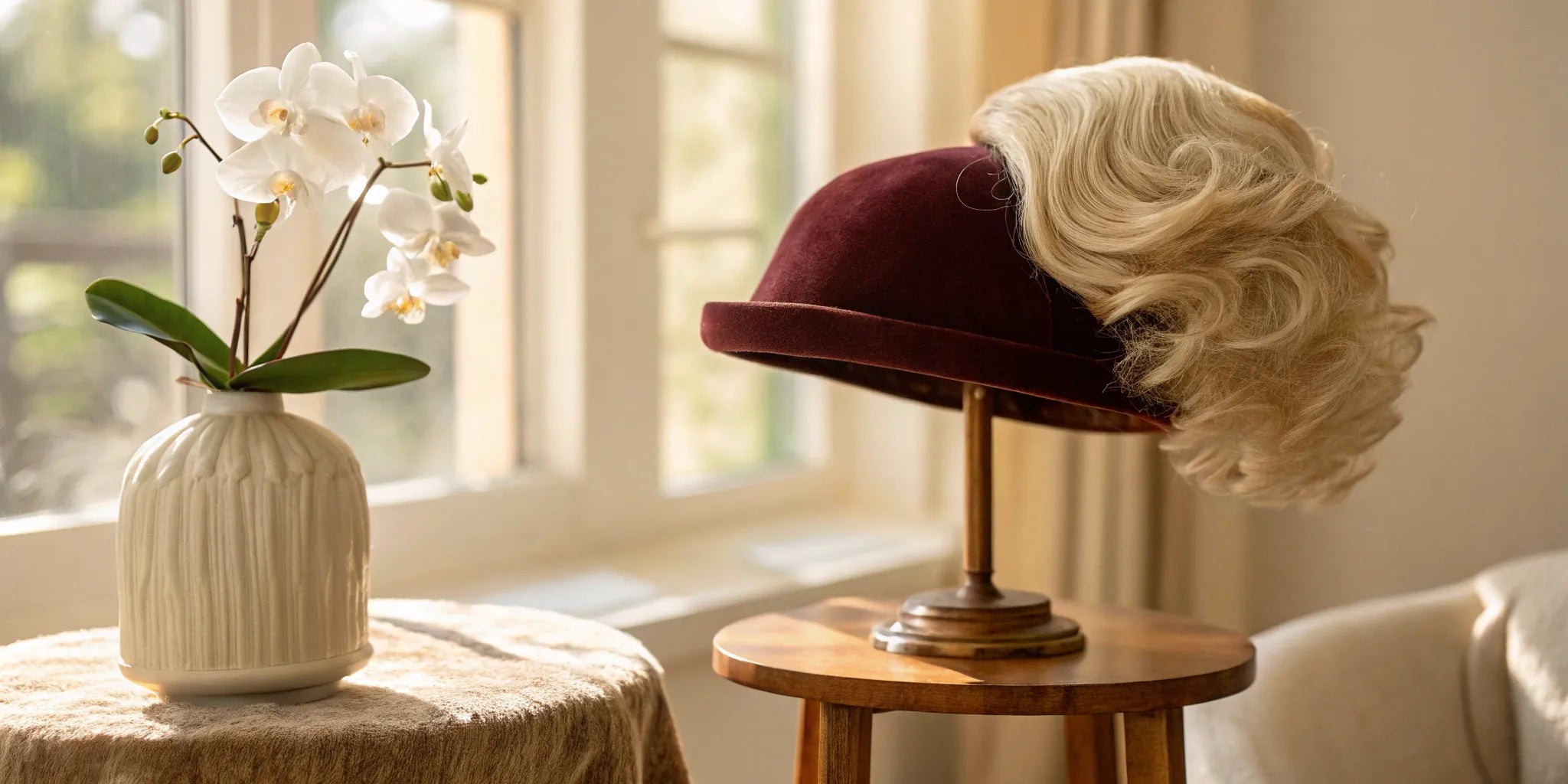
Sensitive Scalp Wig: Your Guide to All-Day Comfort
When choosing a wig, it's easy to get excited about the hair—the color, the length, the style. But if you have a sensitive scalp, the real secret to all-day comfort is what’s on the inside. The cap construction is what sits against your skin, and it makes all the difference. It’s the line between a wig you tolerate and one you truly love to wear. A great cap is soft, breathable, and lightweight, preventing irritation from rough materials. We'll show you what to look for in a sensitive scalp wig, focusing on the cap designs built for comfort.
Key Takeaways
- Prioritize Cap Construction for All-Day Comfort: The secret to a comfortable wig lies in its foundation. Look for features like 100% hand-tied caps, monofilament tops, and soft, breathable materials like Swiss lace to prevent irritation and keep your scalp cool.
- Ensure a Secure Yet Gentle Fit: A wig should feel like a part of you, not a burden. Take the time to measure your head correctly and use the built-in adjustable straps to create a snug fit that stays in place without causing pressure or headaches.
- Establish a Gentle Care Routine: Long-term comfort depends on keeping both your scalp and your wig clean. Regularly wash your scalp and use sulfate-free products on your wig to prevent the buildup of oils and sweat that can lead to skin irritation.
Understanding Scalp Sensitivity
Before you can find the perfect wig, it helps to understand what’s happening with your scalp. Sensitivity isn't just a minor inconvenience; it's a real physical response that can dictate your comfort level all day long. When your scalp is tender, the last thing you want is something rough or heavy sitting on it. Medical hair loss often comes with heightened sensitivity, making the choice of wig material and construction incredibly important. Recognizing the signs and understanding the triggers is the first step toward finding a solution that not only looks beautiful but also feels amazing from the moment you put it on.
Common Symptoms of a Sensitive Scalp
If you're experiencing medical hair loss from chemotherapy or a condition like alopecia, you’re likely familiar with a tender scalp. This sensitivity can show up in several ways, including persistent itchiness, a burning sensation, or general soreness to the touch. Many people also deal with dryness, flaking, or even pain when anything rubs against their skin. These symptoms happen because the underlying condition or treatment can leave the skin on your scalp inflamed and vulnerable. This is why the soft, gentle materials used in a high-quality medical wig are so essential for providing relief and ensuring you can wear your hair with confidence and comfort.
What Causes Scalp Tenderness?
Scalp tenderness can be frustrating, but it rarely appears out of nowhere. The causes generally fall into two categories: internal conditions affecting your skin and hair follicles, and external factors from your environment and daily routines. Sometimes, the cause is a specific medical diagnosis that requires gentle care and specialized products. Other times, it might be related to styling habits or the very products you're using to care for your hair and scalp. Pinpointing the source of your sensitivity can help you make informed choices, especially when selecting a wig that will sit against your skin for hours at a time.
Skin and Hair Loss Conditions
Often, scalp tenderness is a direct symptom of an underlying health issue. Skin conditions like psoriasis and eczema can cause inflammation, scaling, and significant irritation on the scalp. Similarly, hair loss conditions such as alopecia areata and telogen effluvium are known to be associated with a sore or tender scalp. These conditions disrupt the normal function of your skin and hair follicles, leading to a heightened state of sensitivity. When your scalp is already compromised by a medical condition, it becomes crucial to choose a wig designed specifically for these needs, avoiding materials that could cause further irritation and focusing on designs that promote healing and comfort.
External Factors and Lifestyle
Beyond medical conditions, everyday habits can contribute to scalp sensitivity. Consistently wearing tight hairstyles like ponytails or braids can pull on the hair follicles and create tenderness. The same goes for using harsh chemical products, dyes, or excessive heat from styling tools. For wig wearers, discomfort can also arise from trapped heat and sweat, which creates an environment ripe for irritation. This is why cap construction is so important; a breathable cap allows for better air circulation, keeping your scalp cooler and drier. Choosing a wig with a soft, hypoallergenic lining can make a world of difference in preventing the friction and buildup that leads to an itchy, unhappy scalp.
What Makes a Wig Comfortable for a Sensitive Scalp?
When you're dealing with a sensitive scalp from medical treatments or conditions like alopecia, the thought of wearing a wig can be daunting. Comfort isn't just a preference—it's a necessity. The last thing you want is something that feels itchy, hot, or heavy, adding more stress to your day. The right wig should feel like a natural extension of you, providing security and confidence without causing irritation. So, what exactly should you look for? It comes down to a few key elements that separate a truly comfortable medical wig from a standard one.
The secret lies in the cap's construction, the materials that touch your skin, and the overall weight of the piece. A well-designed wig prioritizes scalp health, using features that promote airflow and reduce friction. Focusing on these three areas—breathability, soft materials, and a lightweight design—will help you find a wig that you can wear all day without a second thought. When you're ready to explore options designed for comfort, you can browse a curated collection of medical wigs built with sensitive scalps in mind. Understanding these features is the first step toward finding a piece that not only looks beautiful but feels incredible, too.
Why Breathable Caps Are a Game-Changer
If your scalp can't breathe, it won't be happy. A wig cap that traps heat and moisture is a recipe for irritation, sweat, and itching, which is the last thing you need. That's why breathability is at the top of the list. A well-ventilated cap allows air to circulate freely, keeping your scalp cool and dry throughout the day. As experts at New Times Hair note, "Lace wigs are a top choice because they are lightweight and let air flow through." This constant airflow is essential for preventing the buildup of sweat that can lead to discomfort. Look for caps made with lace or monofilament materials, as they are specifically designed to offer maximum ventilation and comfort.
Say Goodbye to Itching with Hypoallergenic Materials
The materials that rest against your scalp all day make a huge difference in your comfort level. Rough, synthetic fabrics can cause friction and allergic reactions, leading to redness and itching. To avoid this, always opt for wigs made from soft, high-quality materials. As the team at Daniel Alain advises, it's best to "choose wig caps made from soft, fancy materials like premium Swiss lace." Cheaper materials often feel scratchy and can aggravate an already sensitive scalp. By selecting a wig with a cap made from premium, hypoallergenic fabrics, you ensure a gentle touch against your skin, allowing you to wear your wig confidently without fear of irritation. Our company was founded on the principle of providing only the highest quality wigs for this very reason.
Keep it Light: The Comfort of a Lightweight Design
A heavy wig can feel burdensome, causing strain on your head and neck over time. For all-day comfort, a lightweight design is non-negotiable. Lighter wigs reduce pressure on the scalp and minimize friction, which is a common source of irritation. Hand-tied caps are an excellent choice because they are significantly lighter and less bulky than machine-wefted alternatives. This construction method means "less rubbing and irritation on the scalp," creating a more comfortable and natural-feeling experience. When a wig is light enough, you can almost forget you're wearing it. This allows you to go about your day with ease and confidence, focusing on what matters most instead of being distracted by discomfort. If you have questions about wig construction, our FAQ page offers more details.
What Are the Best Wig Materials for Sensitive Skin?
When your scalp is sensitive, the materials touching it all day matter immensely. It’s not just about how the hair looks, but how the entire wig feels from the inside out. Choosing soft, breathable materials is the key to wearing your wig with confidence and comfort. Let’s look at the best options to keep your scalp happy.
Human Hair vs. Synthetic: Which is Softer?
If comfort is your top priority, human hair is almost always the winner. Wigs made from 100% human hair are typically much softer and allow your scalp to breathe, which is a huge relief when you’re dealing with sensitivity. They feel more natural against the skin and move just like your own hair would. In contrast, some synthetic wigs can have a rougher texture and tend to trap heat. This can lead to irritation and discomfort, especially after a few hours of wear. Choosing human hair is an investment in your daily comfort.
Why Swiss Lace is a Top Choice for Comfort
The material of the wig cap is just as important as the hair. For a soft and nearly invisible option, look for caps made with premium Swiss lace. This delicate material is designed to be gentle on the skin, avoiding the scratchy feeling you might get from cheaper alternatives. Swiss lace is often used in lace front wigs to create a seamless, natural-looking hairline that blends right into your skin. It’s lightweight and breathable, which helps prevent irritation and keeps you comfortable all day.
Why Monofilament and Silk Caps Work Well
For the ultimate in scalp comfort, monofilament and silk top caps are fantastic choices. A "monofilament" cap features a soft, mesh-like material where each hair is individually hand-tied. This construction not only creates a very natural look but also feels incredibly soft against the skin. For an even more luxurious touch, a silk top adds a layer of silk fabric inside the cap, completely hiding the knots. This makes it look like the hair is growing from your scalp. Both options are highly recommended for sensitive skin. A personal consultation can help you decide what’s best for you.
Comparing Wig Base Materials: Lace vs. Polyurethane vs. Monofilament
When you're looking at wig construction, the base material is one of the most important choices for your comfort. Lace, monofilament, and polyurethane are three common options, each with its own feel. Lace caps are celebrated for being incredibly lightweight and breathable, allowing air to circulate and keep your scalp cool—a huge plus for sensitive skin. Monofilament caps are another fantastic choice, featuring a soft, mesh-like base where each hair is hand-tied, making it exceptionally gentle against the scalp. Polyurethane, often found in strips along the perimeter for security, is durable but less breathable than the other two. For those prioritizing all-day scalp comfort, lace and monofilament bases are almost always the recommended path, as they are specifically designed to be soft and well-ventilated.
What Is the Best Cap Construction for Medical Hair Loss?
When you’re looking for a medical wig, the hair itself is only half the story. The inside of the wig, known as the cap construction, is what will sit against your scalp all day. For anyone experiencing sensitivity from medical treatments or conditions like alopecia, choosing the right cap is the key to feeling comfortable and secure. The cap determines how the wig feels, how it breathes, and how natural the hair looks and moves. A poorly designed cap can feel itchy, bulky, and hot, which is the last thing you want when your scalp is already tender. Making the right choice here can be the difference between a wig you tolerate and a wig you truly love to wear.
Think of the cap as the foundation of your wig. A well-constructed cap will feel soft, lightweight, and won't irritate your skin. Different constructions offer unique benefits, and the best one for you depends on your priorities. Are you looking for the most realistic scalp appearance? Do you need something that allows for versatile styling? Or is an undetectable hairline your main goal? Some caps even combine features to give you the best of multiple worlds. Understanding the main types—monofilament, hand-tied, and lace front—will help you find a wig that not only looks beautiful but feels like it was made just for you. We can help you explore all the human hair medical wigs to find the perfect fit for your needs.
Why Monofilament Tops Offer Unmatched Comfort
If you have a sensitive scalp, a monofilament top is a fantastic choice. This construction uses a soft, transparent mesh material at the top or crown of the wig. Each hair is individually hand-tied to this mesh, which creates the illusion that the hair is growing directly from your own scalp. This meticulous design allows you to part the hair in any direction—left, right, or center—for incredible styling versatility and a truly natural look. The material is also very breathable, which helps keep your scalp cool and comfortable throughout the day.
The Added Protection of a Double Monofilament Top
For those who need the absolute highest level of comfort, the double monofilament top is the gold standard. Think of it as an upgrade to the standard monofilament design. It features an additional, ultra-soft layer of material that sits between the hand-tied knots and your scalp. This extra layer acts as a protective barrier, so you feel nothing but smooth fabric against your skin. This design is ideal for sensitive scalps because it completely shields your head from the knots. This means no friction, no itching—just pure comfort, allowing you to wear your wig all day without a second thought. It’s a small detail in construction that makes a world of difference in your daily experience.
The Gentle Feel of a 100% Hand-Tied Cap
A 100% hand-tied cap is the gold standard for luxury and comfort. In this construction, every single hair is knotted by hand onto a soft, stretchable cap material. This process is labor-intensive, but the result is worth it. The inside of the cap is incredibly smooth and soft, with no seams or wefts that could rub against and irritate a sensitive scalp. This design also allows the hair to move freely and naturally, just like your own. A hand-tied wig is exceptionally lightweight and provides the most secure, comfortable fit you can find.
Why a Lace Front Creates a Natural Look
A lace front wig is designed to create a flawless, undetectable hairline. It features a sheer panel of lace along the front of the wig where the hair is individually hand-tied. This allows you to style the hair away from your face with complete confidence, as it looks like the hair is growing right from your scalp. Beyond its realistic appearance, the lace material is also lightweight and breathable, allowing for better air circulation to reduce heat and itching. Many of our lace front wigs combine this feature with other comfortable cap constructions for the best of both worlds.
How to Get the Perfect, Gentle Fit
Even the most beautiful, high-quality wig can become a source of discomfort if it doesn’t fit properly. For those of us with sensitive scalps due to medical hair loss, a secure yet gentle fit isn't just a preference—it's a necessity. A wig that’s too tight can cause headaches and pressure sores, while one that’s too loose can shift and rub, leading to irritation. The goal is to find that sweet spot where your wig feels like a natural extension of you—so secure you can forget you’re even wearing it. This isn't about just looking good; it's about feeling good from the inside out, which is so important on this journey.
Achieving this perfect fit involves more than just picking a size off the shelf. It’s about understanding your unique measurements and knowing which features provide both security and comfort. From taking precise measurements to looking for specific cap details, a few key steps can make all the difference. Getting the fit right from the start ensures your wig not only looks incredible but also feels amazing, allowing you to go about your day with confidence and ease. A personal consultation can also be a huge help in finding a wig that feels custom-made for you, taking the guesswork out of the process and ensuring you find a piece you'll truly love to wear.
How to Measure Your Head for a Perfect Fit
The first step to a comfortable wig is knowing your head size. An accurate measurement is the foundation for a great fit, preventing the wig from feeling too snug or slipping throughout the day. A wig that's either too tight or too loose will only cause discomfort. To get it right, use a soft, flexible measuring tape. You’ll want to measure the circumference of your head, starting at your front hairline, going behind your ear, around the nape of your neck, behind the other ear, and back to the front. This simple step ensures you select a wig size that’s truly meant for you.
Fine-Tune Your Fit with Adjustable Straps
Look for wigs that have adjustable features inside the cap. Most high-quality wigs come with adjustable straps, often with velcro or hooks, located at the nape of the neck. These allow you to tighten or loosen the wig by an inch or more for a customized and secure feel. This feature is a game-changer because it gives you control over the fit, ensuring your wig stays in place without feeling constricting. It’s one of the most important details to look for when you shop for a wig, as it provides peace of mind and day-long comfort.
Don't Forget Cushioned Details for Extra Comfort
The inside of the wig is just as important as the outside, especially for sensitive skin. Wig cap comfort is essential. Features like velvet-lined ear tabs or a soft band at the front hairline can prevent rubbing and irritation at common pressure points. Some caps also have silicone strips that gently grip the skin for added security without the need for adhesives. Hand-tied caps are also a great option because they are lighter and less bulky, which means less friction against your scalp. These thoughtful details make a significant difference in how the wig feels after hours of wear.
Common Mistakes to Avoid When Choosing a Wig
Choosing a wig is an exciting process, but it’s easy to get overwhelmed and make a few common missteps along the way. When you’re scrolling through photos or seeing options in a salon, it’s natural to be drawn to a stunning color or a perfect haircut. However, focusing only on the style can lead to a purchase you might regret later. The goal is to find a wig that you not only love the look of but also feel completely comfortable wearing day in and day out. By being aware of a few potential pitfalls, you can approach your search with confidence and make a choice that truly works for you, ensuring your new hair feels as good as it looks.
Prioritizing Style Over Comfort
It’s so easy to fall in love with a wig’s beautiful style and forget to consider what’s underneath. But as experts often advise, "Don't pick a wig just because it looks good if it's not comfortable. Comfort should always come first." An itchy, hot, or heavy wig will likely end up sitting in a box, no matter how gorgeous it is. For those of us with sensitive scalps, comfort is non-negotiable. Always check the cap construction and the materials used. A soft, breathable cap made from high-quality materials will prevent irritation and allow you to wear your wig all day without a second thought. Remember, the right wig should be a source of confidence, not discomfort.
Not Checking the Fit Properly
A perfect fit is the key to both comfort and security. A common mistake is guessing your size or not taking the time to ensure the wig is properly adjusted. As one resource points out, "A wig that fits well will stay put without squeezing your head." If a wig is too tight, it can cause headaches and pressure points. If it’s too loose, it can shift and rub against your scalp, leading to irritation and a constant feeling of insecurity. Be sure to measure your head correctly and always use the adjustable straps to create a snug, custom fit. This small step makes a world of difference in your daily comfort.
Forgetting the "Wear Test" at Home
Trying on a wig for a few minutes in a shop isn’t always enough to know how it will feel after several hours. A crucial step that many people skip is the at-home wear test. Before you commit, it’s a great idea to "Try wearing a wig for at least 30-60 minutes at home." This gives you a real sense of how it feels over time. Does it start to itch? Does it feel heavy? Does it pinch anywhere? This simple test can reveal comfort issues that aren’t immediately obvious, helping you avoid a purchase that isn’t right for you. Taking this extra time can save you from frustration and ensure you invest in a piece you’ll truly love to wear.
Your Checklist: Features Every Sensitive Scalp Wig Needs
When you’re dealing with a sensitive scalp from medical hair loss, comfort is everything. The right wig should feel like a gentle, seamless part of you, not a source of irritation. But with so many options out there, how do you know what to look for? It comes down to a few key features that make a world of difference. Think of these as your non-negotiables for ensuring your wig feels as good as it looks. From the weight of the hair to the material touching your skin, every detail matters. Focusing on these specific elements will help you find a medical wig that provides relief and confidence, allowing you to go about your day without a second thought about discomfort.
A Lightweight Design is Non-Negotiable
A heavy wig can put unnecessary pressure on your scalp, leading to friction, soreness, and even headaches. That’s why a lightweight design is at the top of the list. Wigs with 100% hand-tied caps are significantly lighter and less bulky than their machine-made counterparts. Because each hair is individually tied to the cap, the wig moves more freely and naturally, almost like your own hair. This fluid movement means less rubbing and irritation against your skin. When you’re trying on different medical wigs, pay attention to how they feel—the right one will feel practically weightless.
Look for Ventilation to Stay Cool and Dry
If your scalp can’t breathe, it can quickly become sweaty, itchy, and irritated. Proper ventilation is essential for all-day comfort. Lace wigs are a fantastic choice because the delicate mesh material allows air to flow freely to your scalp, keeping you cool and dry. However, not all lace is created equal. It’s important to choose wig caps made from soft, high-quality materials like premium Swiss lace. Cheaper, stiffer materials can feel rough and scratchy against sensitive skin. A well-ventilated cap helps prevent the buildup of moisture and heat, which is a major step toward avoiding discomfort.
Choose a Seamless Cap for a Smooth Feel
The interior of the wig cap is just as important as the exterior. A cap with thick seams, bulky knots, or rough edges can constantly chafe and irritate a sensitive scalp. Look for wigs with a seamless or finely constructed cap design. Hand-tied caps are ideal because their inner surface is smooth and soft, minimizing friction. The cap should feel gentle to the touch and conform smoothly to the shape of your head. Finding a wig with the perfect interior construction can feel overwhelming, which is why a personal consultation can be so helpful in guiding you to the most comfortable options.
Opt for a Wig That's Easy to Maintain
Keeping your wig and your scalp clean is crucial for preventing irritation. Sweat, natural oils, and styling products can build up over time, leading to skin issues. A wig that is easy to care for makes this process much simpler. Human hair wigs are often recommended for sensitive scalps because the fibers are naturally softer and more breathable than most synthetics. Regardless of the material, you’ll want to wash your wig and scalp regularly with gentle, sulfate-free products. For more detailed guidance, you can often find care instructions on a company’s FAQ page. A consistent cleaning routine is one of the best ways to ensure long-term comfort.
Where to Find the Best Wigs for Sensitive Scalps
When you’re dealing with a sensitive scalp from a medical condition or treatment, finding the right wig can feel like a huge task. You need something that not only looks natural but feels incredibly comfortable, light, and breathable. The last thing you want is a wig that causes irritation or discomfort. The good news is that many companies specialize in creating wigs with these exact needs in mind. They focus on using soft, high-quality materials and thoughtful cap constructions that are gentle on the skin.
These brands understand that for many people, a wig is about more than just hair—it’s about feeling like yourself again. They design their pieces to restore confidence and allow you to go about your day without worrying about itching or slipping. From specialists who can guide you through using your insurance benefits to luxury brands known for their premium materials, you have excellent options. Let’s walk through a few of the best places to find a wig that will treat your scalp with the care it deserves.
For Medical-Grade Quality: NYC Medical Wigs
We specialize in helping clients find the perfect wig for medical hair loss, which means comfort is our top priority. Because we work closely with individuals experiencing hair loss from alopecia or medical treatments, we know how essential a gentle, non-irritating wig is. Our collection features human hair medical wigs with soft, breathable caps, including lace front and monofilament top styles that prevent irritation.
What truly sets us apart is our dedication to making high-quality wigs accessible. We guide you through the entire process of using your health insurance to cover the cost of your cranial prosthesis. You can schedule a consultation with us, and we’ll help you understand your benefits and handle the paperwork, so you can focus on choosing a wig you love.
For Luxury Human Hair: Daniel Alain
Daniel Alain is a great choice if you’re looking for a luxury wig crafted from the finest materials. They emphasize that comfort is the most important factor for a sensitive scalp, and their products reflect that philosophy. Their wigs are known for being exceptionally gentle, breathable, and lightweight.
The brand uses premium materials like soft Swiss lace to avoid the rough or itchy feeling that can come from cheaper alternatives. By focusing on high-end craftsmanship, Daniel Alain creates wigs that are designed for long-term wear without causing irritation, making them a trusted option for those with alopecia or undergoing chemotherapy. Their commitment to quality ensures a comfortable and secure fit.
For Trendy, Affordable Options: UniWigs
UniWigs is another excellent resource, offering a wide range of wigs with features specifically suited for sensitive scalps. They recommend looking for caps that are labeled "monofilament" or "100% hand-tied," as these constructions are known for being particularly soft and comfortable against the skin.
Their wigs often include features that create a very natural look, which is a huge confidence-booster. For example, many of their pieces have a lace front for a seamless hairline and a monofilament top that allows you to part the hair in any direction, mimicking natural hair growth. UniWigs provides options in both human and synthetic hair, giving you the flexibility to find the perfect piece for your needs and budget.
For Versatile Hair Systems: Superhairpieces
Superhairpieces focuses on helping people feel confident and look natural again after hair loss. They understand the emotional side of this journey and design their wigs to help you live your life without feeling self-conscious. For maximum comfort and a realistic appearance, they often recommend human hair wigs.
Their medical wigs for women are designed with key features for sensitive scalps, including breathable caps, adjustable straps for a secure fit, and lace fronts for a natural hairline. This attention to detail ensures their wigs are not only beautiful but also practical and comfortable enough for daily wear, providing a reliable solution for those with alopecia or cancer-related hair loss.
What's the Cost of a High-Quality Medical Wig?
When you’re looking for a medical wig, the price tag is often a top concern. It’s an investment, and the cost can vary quite a bit depending on the materials, cap construction, and level of customization. A high-quality human hair wig designed for comfort will naturally cost more than a standard synthetic one, but the difference in feel and appearance is significant. Think of it as investing in a piece that will help you feel like yourself again. The good news is that you don't always have to cover the full cost out of pocket. Many insurance plans and non-profit organizations can help make a beautiful, comfortable wig more accessible.
Breaking Down the Price Ranges
The price of a medical wig is directly tied to its quality. Factors like whether it’s made from real human hair or synthetic fibers, and if the cap is hand-tied or machine-made, play a big role. Generally, you can expect medical-grade wigs to range from a few hundred to a few thousand dollars. For example, some retailers offer options from around $400 to over $1,000. At NYC Medical Wigs, our collection of human hair wigs is priced to reflect their superior craftsmanship and comfort, ensuring you get a piece that looks natural and feels gentle on your scalp.
Can You Use Insurance to Cover the Cost?
Many people don't realize that their health insurance might help pay for their wig. If your hair loss is due to a medical condition, your doctor can write a prescription for a "cranial prosthesis"—the medical term for a wig. Coverage varies widely between plans, so the best first step is to call your insurance provider directly. Ask them about their specific requirements, what documentation you'll need, and which providers are in-network. The process can feel a little overwhelming, which is why we’re here to help you understand your benefits. You can schedule a consultation with us, and we’ll guide you through the steps.
How to Find Financial Assistance for Your Wig
If your insurance doesn't cover the full cost or if you don't have coverage, there are still wonderful resources available. Several non-profit organizations are dedicated to helping people access wigs. For instance, the EBeauty Community offers free wigs to women experiencing hair loss from medical conditions through a generous donation program. Other organizations, like the American Cancer Society, may also have programs or local resources that can provide financial assistance or connect you with wig banks. Don’t hesitate to research these options—they exist to support you during this time.
How to Care for Your Wig and Scalp
Investing in a beautiful medical wig is the first step; learning how to care for it is what makes it last. Proper maintenance not only keeps your wig looking fresh and natural but also plays a huge role in keeping your scalp healthy and comfortable. Think of it as a simple routine that protects both your investment and your skin. A little bit of regular care prevents product buildup, reduces irritation, and ensures your wig remains a source of confidence day after day. From gentle washing to smart storage, these practices will help you get the most out of your wig.
Wash Your Wig Gently with Sulfate-Free Products
A healthy scalp is the foundation for comfortable wig-wearing, so start there. Before putting on your wig, always make sure your scalp is clean and dry. Regularly washing your scalp prevents the buildup of sweat and oils that can lead to irritation.
When it’s time to wash your wig (typically after 7-10 wears), treat it with the same gentle care. Use a sulfate-free shampoo and conditioner formulated for color-treated or human hair. These products clean the hair without stripping its moisture, keeping it soft and manageable. Lather the shampoo gently in one direction, from root to tip, and rinse with cool to lukewarm water to keep the hair smooth and prevent tangling.
Creating a Soothing Scalp Care Routine
A comfortable wig experience starts long before you put the wig on. It begins with a healthy, happy scalp. When your skin is calm and well-cared for, you create the perfect foundation for all-day wear without itching or irritation. Think of it as prepping the canvas. Just as you wouldn't apply makeup to unwashed skin, you shouldn't place a wig on a scalp that's feeling neglected. Establishing a simple, soothing routine can make a world of difference, transforming your wig from something you wear into something that feels like a part of you. It’s about giving your skin the attention it deserves, which is a powerful act of self-care.
Exfoliate and Moisturize Your Scalp
Taking care of the skin on your head is just as important as caring for the skin on your face. A healthy scalp is the foundation for comfortable wig-wearing, so start there. Gently exfoliating once a week with a soft brush or a mild scalp scrub can help remove dead skin cells and prevent buildup that leads to irritation. After cleansing, apply a lightweight, fragrance-free moisturizer or a few drops of a soothing oil like jojoba to keep your skin hydrated and calm. This simple step helps maintain a healthy skin barrier, preventing the dryness and flaking that can make wearing a wig uncomfortable.
Tips for Managing Your Natural Hair Under a Wig
If you have remaining natural hair, how you manage it underneath your wig is key to a comfortable fit. The goal is to create a flat, smooth base to prevent any lumps or bumps that could cause pressure points and lead to soreness. Tucking your hair away in flat pin curls or small, neat cornrows that follow the shape of your head works beautifully. A soft, breathable wig cap can also help keep everything securely in place and provide an extra layer of gentle protection for your scalp. Getting your hair to lie flat ensures your medical wig sits properly, which prevents shifting and rubbing that can cause irritation throughout the day.
How to Properly Store and Handle Your Wig
How you store your wig when you’re not wearing it is just as important as how you clean it. Proper storage helps maintain its shape, prevents tangles, and keeps the cap in good condition. The best way to store your wig is on a mannequin head or a designated wig stand. This allows air to circulate through the cap and helps preserve the style.
Keep your wig away from direct sunlight, dust, and high heat, as these can damage the fibers and fade the color. When handling your wig, always be gentle. To detangle, use a wide-tooth comb or your fingers, starting from the ends and working your way up to the roots to avoid putting stress on the delicate cap construction.
How Do You Know When It's Time for a New Wig?
Even the highest quality human hair wigs have a lifespan. With daily wear, a medical wig typically lasts between six and eight months. Over time, you’ll notice signs of wear that indicate it might be time for a new one. These signs can include the hair becoming dry or frizzy, significant shedding, or the cap losing its elasticity and secure fit.
Recognizing these signs helps you plan ahead so you’re never without a wig you love. When you’re ready for a replacement, it can be a great opportunity to explore a new style or color. If you need help with the process, you can always schedule a consultation to discuss your options and review your insurance benefits.
How to Prevent and Relieve Itchiness Under Your Wig
Even with the most comfortable wig, an itchy scalp can sometimes happen. It’s one of the most common concerns for wig wearers, but it’s definitely not something you have to just put up with. An itchy scalp is usually a sign that something is off—whether it’s your scalp’s environment, your wig’s fit, or the products you’re using. The good news is that with a few simple adjustments to your routine, you can keep your scalp calm, cool, and comfortable. Understanding the root causes of the itch is the first step to finding lasting relief, allowing you to wear your wig with total confidence and ease.
Understanding the Causes of Itching
It’s a common misconception that the wig itself is what makes you itch. In reality, discomfort usually comes from what’s happening underneath the cap. Your scalp is a delicate environment, and when it’s covered, it can get warm. This trapped heat and sweat can create a moist setting where bacteria and oils build up, leading to irritation and that nagging itchy feeling. It’s not the wig’s fault, but rather the environment it creates. Ignoring this can sometimes lead to more significant issues like infections or lasting scalp damage, so it’s important to address the cause rather than just scratching the itch.
Quick-Relief Tips for an Itchy Scalp
When your scalp starts to feel itchy, you need relief fast. One of the simplest and most effective tricks is to gently wipe your scalp with a cloth dampened with alcohol-free witch hazel. You can do this every few hours to remove excess oils and cool the skin without causing dryness. Another great option is to wear a cooling wig cap or liner underneath your wig. These accessories are made from breathable, moisture-wicking materials that create a protective barrier between your scalp and the wig cap, helping to manage sweat and reduce friction throughout the day.
Using the Right Accessories for a Secure, Gentle Hold
A wig that doesn’t fit properly can shift and rub against your scalp, causing constant friction and irritation. That’s why a secure, gentle fit is so important. High-quality wigs are designed with comfort in mind and often include features to help you customize the fit. Look for pieces with adjustable straps at the nape of the neck, which allow you to tighten or loosen the cap for a snug feel. Many of the medical wigs we offer also include soft, velvet-lined ear tabs and front bands to prevent rubbing at common pressure points, ensuring your wig stays comfortably in place all day.
The Importance of a "Patch Test" for Adhesives
If you use wig glue or tape to secure your wig, it’s crucial to make sure the adhesive agrees with your skin. An allergic reaction to a new product can cause intense itching, redness, and discomfort. To avoid this, always perform a patch test before a full application. Simply apply a small amount of the adhesive to a discreet patch of skin, like behind your ear, and leave it for 24 to 48 hours. This simple step allows you to see how your skin reacts, helping you catch any potential irritation before it becomes a widespread problem on your scalp.
How to Comfortably Transition to Wearing a Wig
Adjusting to a wig is a process, and it’s completely normal to feel a little anxious or overwhelmed at first. It’s a new sensation and a new part of your routine. The key is to be patient with yourself and take it one step at a time. Think of it like breaking in a new pair of shoes—it takes a little while to find your perfect comfort zone.
The goal is to make your wig feel like a natural extension of you. With a few simple strategies, you can ease into wearing your new hair with confidence and comfort. We’ll walk through some practical steps to make the transition feel seamless, from how you prepare your scalp to how you schedule your wear time. Remember, this is about helping you feel your best, so let’s find a routine that works for you.
Ease Into It: Create a Gradual Wearing Schedule
The first week of wearing a wig can feel a bit strange, and that’s okay. Instead of committing to a full day right away, ease into it. Start by wearing your wig for just an hour or two at home while you’re relaxing, reading, or watching a movie. This gives you a chance to get used to the feeling without any added pressure.
Each day, try to extend the time you wear it. This gradual approach helps your scalp adjust and allows you to build confidence in how the wig feels and looks. Before you know it, you’ll be ready to wear your beautiful new human hair wig for a full day out and about, feeling completely comfortable and secure.
How to Prepare Your Scalp for All-Day Wear
A comfortable wig experience starts with a healthy scalp. Before putting on your wig, make sure your scalp is clean and completely dry. This helps prevent irritation and ensures a secure fit. If your scalp is feeling tender, be extra gentle and avoid using any rough combs or clips that could cause discomfort.
Consider using a wig cap or liner. This soft barrier can reduce friction and protect sensitive skin. It also helps manage moisture and keeps your wig cleaner for longer. Taking a few moments to care for your scalp will make a huge difference in your daily comfort. If you have specific concerns, a personal consultation can provide tailored advice for your unique needs.
Making the Adjustment Period Easier
During the first few weeks, your main focus should be comfort. A high-quality medical wig should feel gentle, breathable, and light. If you experience any discomfort, the first thing to check is the fit. A wig that’s too tight can cause headaches, while one that’s too loose won’t feel secure. Use the adjustable straps inside the cap to get a snug but gentle fit.
Itching can sometimes occur, but it’s usually caused by heat, friction, or product buildup. A breathable cap, like one with a monofilament top, allows for better air circulation to keep your scalp cool. Keeping both your scalp and your wig clean will also help minimize any irritation. You can find more answers to common questions on our FAQs page.
Exploring Alternatives to Full Wigs
While a high-quality medical wig is a fantastic solution for restoring your look, there are days when you might want something a little different. Maybe you’re running a quick errand, heading to a yoga class, or just want a comfortable, low-fuss option for relaxing at home. Having a few alternatives in your wardrobe gives you the freedom to choose what feels best for you in any given moment. Options like hat wigs and stylish hair wraps offer comfort, convenience, and a wonderful way to express your personal style on your own terms.
Hat Wigs for Casual Comfort
For those days when you want an easy, grab-and-go solution, a hat wig is a brilliant choice. It’s exactly what it sounds like: a hat with hair attached, blending convenience with fashion in one simple accessory. This is perfect for casual outings, as it provides a comfortable and secure fit that stays in place without any fuss. Because the hat is the main point of contact, it’s an incredibly gentle option for sensitive scalps. As the experts at UniWigs point out, many women experiencing hair loss embrace wig hats for their extreme comfort. It’s the perfect way to get a stylish, put-together look in seconds, without the process of fitting a full wig.
Hair Wraps and Scarves for Versatility
Hair wraps and scarves are a beautiful way to add a touch of elegance and personality to your look. The styling possibilities are truly endless, from a simple, chic knot to an intricately tied turban. This versatility allows you to create a look that is uniquely yours and can easily transition from a casual day look to a more formal evening style. Just as with a wig cap, the key to comfort is the material. Choosing soft, breathable fabrics like silk, cotton, or bamboo will feel gentle against your skin and prevent irritation. A beautiful scarf can be a statement piece that adds a pop of color to your outfit while providing a comfortable and stylish alternative to a wig.
Related Articles
- Good Quality Wigs: The Ultimate Buyer's Guide
- The Ultimate Wig Guide for Chemo Hair Loss
- Wigs for Alopecia: What to Know Before You Buy
- What Is a Medical Wig? The Complete Guide
- The Ultimate Guide to Human Hair Wigs for Sale
Frequently Asked Questions
Will my wig feel hot, especially during a New York summer? That’s a completely valid concern, but you can put it to rest. High-quality medical wigs are designed very differently from the heavy, dense wigs you might be picturing. Look for caps made with lace or monofilament materials. These are specifically constructed to be lightweight and allow air to flow freely to your scalp, which makes a huge difference in keeping you cool and preventing irritation, even on the most humid days.
How do I make sure my wig stays on securely without using harsh glues or tapes? A secure fit comes down to getting the size right and using the wig’s built-in features. A well-made medical wig will have adjustable straps inside the cap, usually at the nape of the neck. These allow you to create a snug, custom fit that feels secure all day long. Many also include soft, velvet-lined ear tabs that help hold the wig in place gently. When a wig fits correctly, you shouldn't need any adhesives.
My doctor gave me a prescription for a 'cranial prosthesis.' Is that the same as a medical wig? Yes, it is! "Cranial prosthesis" is simply the medical term that doctors and insurance companies use for a wig prescribed for medical hair loss. Having this prescription is the first and most important step in getting your insurance provider to help cover the cost. It signals that the wig is a medical necessity, not just a cosmetic choice.
How long will a high-quality human hair wig last, and is it worth the investment? With proper care and daily wear, a quality human hair wig generally lasts for many months. While the initial cost is higher than a synthetic wig, the investment pays off in comfort, confidence, and realism. Human hair moves naturally, can be styled with heat, and feels incredibly soft against a sensitive scalp. The natural look and feel often make it a worthwhile choice for long-term wear.
I'm worried a wig will look obvious. What features make a wig look the most natural? The secret to an undetectable wig lies in the cap construction. A lace front is a must-have feature, as it creates a seamless hairline that looks like hair is growing right from your scalp, allowing you to wear styles pulled back from your face. Also, look for a monofilament or hand-tied top. This feature allows you to part the hair in any direction, just like you would with your own hair, for the most realistic appearance.