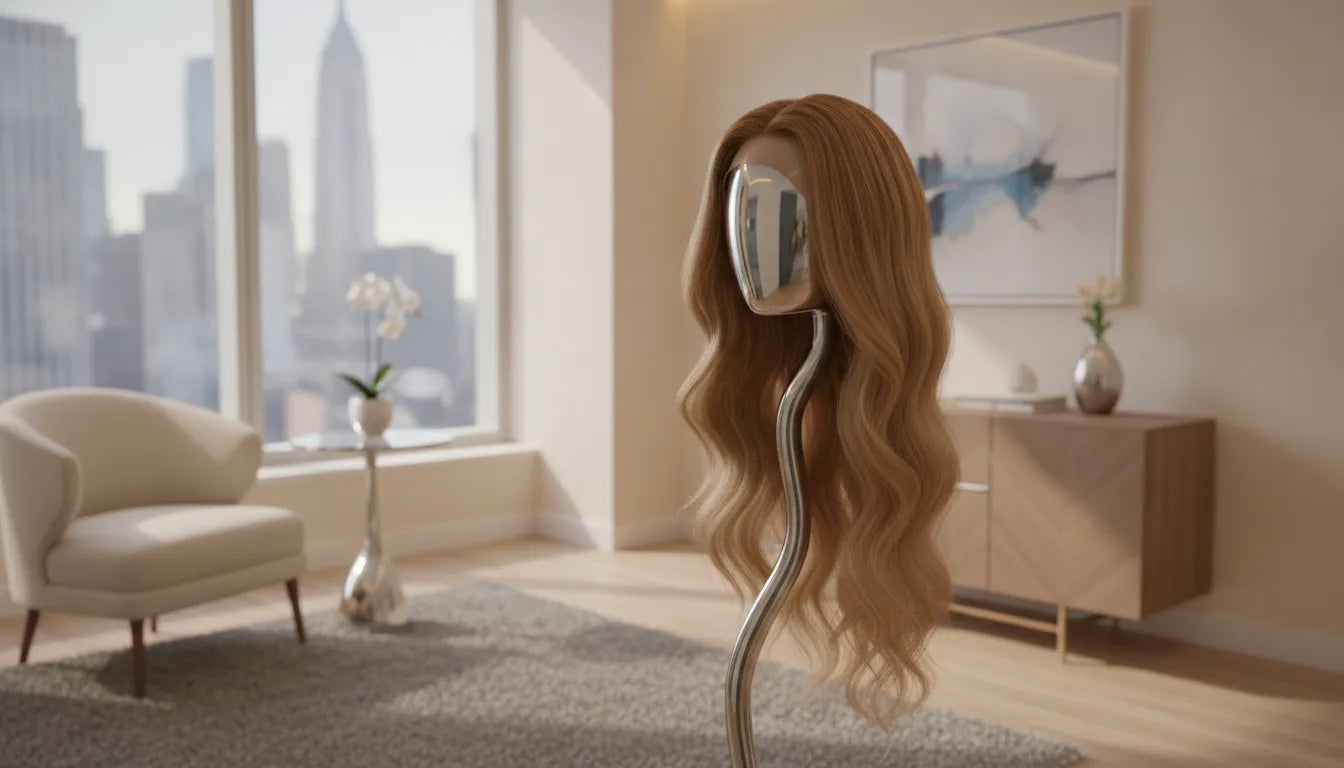
Cranial Prosthesis Sensitive Scalp Guide: Choosing Your Medical Wig
Medical hair loss often leaves the skin feeling raw and prone to sores. Finding a cranial prosthesis for a sensitive scalp is vital for daily physical comfort.
A cranial prosthesis for a sensitive scalp must use medical-grade materials that care for skin health and physical comfort. Patients often feel severe scalp tenderness during chemotherapy or due to advanced alopecia. To ease this soreness, a medical device should feature a monofilament top for breathability and a hand-tied base to reduce friction against the skin. These design elements help prevent heat buildup and lower pressure on delicate nerve endings. According to research from academic dermatologists, picking a cap foundation that matches your medical needs is key for long-term scalp health. Using safe materials and avoiding harsh glue ensures the prosthetic remains a helpful tool for your recovery instead of a source of pain. Professional fitting ensures the device stays secure without the need for tight bands.
Knowing how your skin reacts to hair loss is the first step toward finding a comfortable solution. You should find the physical changes happening beneath the surface before picking your medical device. The reason for this pain is clear once you see Why Medical Hair Loss Causes Scalp Tenderness. The path begins with...
Why Medical Hair Loss Causes Scalp Tenderness
Medical hair loss is more than a change in your look. For many, it comes with physical pain. Health issues like alopecia or cancer treatments often make the skin feel very sore. This pain can make wearing a standard wig hard or even not possible. Knowing why this happens is the first step toward finding an easy path forward.
Physical pain from medical treatments
Chemo drugs target fast-growing cells. This includes your hair roots. As these roots stop working, the skin around them can get red and sore. According to the Mayo Clinic, your scalp may feel tender as hair falls out in clumps.
This pain often feels like a sharp tingling or a deep ache on the skin. Medical hair loss happens fast. This gives the skin little time to get used to the change. You might also notice that the skin becomes dry or flaky during this time.
People with alopecia may also deal with sudden shifts in skin health. The immune system attacks the hair roots. This can cause heat or redness in some areas.
This reaction creates a higher state of pain that fashion caps are not made to handle. Managing this pain requires a focus on medical needs. It is not just about how the hair looks. You need a base that does not rub or pull on these sore patches.
Using a cranial prosthesis for comfort
A cranial prosthesis for a sensitive scalp is built to fix this pain. Standard wigs often use rough fabrics or thick seams. These parts can rub against the skin and cause more hurt.
In contrast, medical-grade tools use soft bases and hand-tied caps. These features help lower the pressure on the most sore spots. This type of build is needed for daily use during long treatments.
Airflow is also key for your comfort. Monofilament tops let air reach the skin. This helps keep heat and sweat from causing more itchiness.
Choosing a medical device over a store-bought wig ensures that your scalp stays cool. These specialized caps protect the skin. They also provide a natural look that mimics real hair growth.
Avoiding things that hurt the scalp
Many fashion wigs need glue or tape to stay in place. For someone with a health issue, these glues can lead to rashes or skin damage. Hypoallergenic fabrics are a better choice for people with high sensitivity.
A lace-front design is a great option. It provides a natural look without the need for harsh glues. These medical tools focus on skin safety to prevent more issues during your care.
Research in medical journals shows that good hair solutions can help people feel better as they get well. A professional fitting is the best way to make sure your cranial prosthesis fits well.
Experts take exact sizes and use comfort strips to stop the cap from sliding. This custom fit lowers rubbing and protects the thin skin of the scalp. By picking medical-grade quality, you can live your daily life without constant pain.
What Is a Cranial Prosthesis Sensitive Scalp Solution?
A cranial prosthesis is a medical device for people with hair loss. It is not like a common hair piece you buy at a shop. Doctors use this term when hair loss comes from a health issue. This includes chemotherapy or long-term hair loss like alopecia. For many people, hair loss makes the scalp feel tender or sore. This is why a medical-grade fix is needed. A cranial prosthesis for a sensitive scalp uses special tools to keep you at ease.
The goal is to care for the skin while giving you a real look. These devices use soft bases that do not rub the skin. They are light and let your head stay cool. This is vital for those who wear their hair all day. A good medical build looks at how the device feels against your skin. It is a tool to help you go through your day with less pain.
Medical grade cap build
The way a medical hair piece is built sets it apart. Many models use a monofilament top. This is a very thin mesh that looks like your real skin. It is very light and lets air flow through. This helps stop sweat and heat from building up on your head. When your scalp is sore, staying cool is a big help. This thin layer also lets you part your hair in any way you like.
The back of the cap is often hand-tied. This means each hair is put in by hand. This build is much softer than machine-made caps. It does not have rough seams that can scratch your skin. It also has a natural stretch that fits the shape of your head. This soft fit reduces the pull on your skin. It makes the cranial prosthesis for a sensitive scalp feel safe and light.
Therapeutic scalp care
The materials used in a medical device must be safe. Most use hypoallergenic parts. These fabrics do not cause red spots or itchy skin. This is key for people with a weak immune system. You do not want a rash while you are healing. Old hair pieces may use glue or tape to stay on. These can be very harsh on a bare scalp. They can cause skin tears or bad rashes.
A medical fix often uses a lace front. This part creates a real hairline. It stays in place without the need for harsh glue. This keeps your skin safe and clear. Some devices also use soft silicone strips. These strips grip the skin gently. They help the hair stay on without any tight bands or pins. This mix of safe parts and a soft grip is a top choice for skin health.
Expert fitting and comfort
A good fit starts with clear size checks. An expert will measure your head in many spots. This ensures the cap is not too tight or too loose. A cap that slides can rub your skin and cause sores. A cap that is too tight can cause a headache. The right fit helps you forget you are wearing it. This is why a pro fit is a must for people with alopecia areata or other hair loss.
You can also use soft liners or comfort strips. These add a thin layer of cushion between the cap and your head. They are often made of soft bamboo or silk. These fabrics are very smooth and do not trap heat. They help the hair piece stay in place while they care for your skin. Small details like these make a big change in how you feel each day. They turn a medical device into a true comfort fix.
Choosing the Right Cap Construction for Scalp Comfort
A medical cranial prosthesis for a sensitive scalp must feel light and smooth. Medical care like chemotherapy can cause scalp pain or itching. The base of the cap is the part that touches your skin all day.
Choosing the right build helps you avoid sores and keeps your skin well. If the cap is too rough or tight, it can cause more stress. Top-grade builds use soft fabrics to make sure you stay at ease from morning to night.
Monofilament tops for airflow
Monofilament tops use a thin mesh that looks like your own skin. This mesh is very fine and lets air reach your scalp. Good airflow keeps your head cool and dry. This feature is a great choice when choosing the right cranial prosthesis for daily use.
It stops heat from building up under the cap. Without this airflow, sweat can stay on the skin. This can lead to a red or itchy scalp. A monofilament top also lets you part your hair in any way. This gives you a natural look without any bulk.
Hand-tied bases for pressure relief
Many basic caps have rows of hair sewn by machine. These rows are called wefts. They can have hard edges that press into the skin when you lie down or lean back. These edges can rub and cause pain.
A hand-tied base has each hair tied one by one to a soft fabric. This creates a base that can stretch and move with your head. It removes hard spots that cause pain. This makes it much better for people with skin that hurts fast.
A hand-tied build also weighs less than a machine-made cap. This light feel is vital when your scalp is at its most sensitive. It helps the hair flow in a way that looks like real growth.
Lace fronts without glues
A lace front creates a soft edge at your hairline. It uses a sheer mesh that blends with your face. This design means you do not need to use glue or tape to hold the front down.
Sticky glues often have harsh bits that cause rashes or skin tears. Using a lace front keeps your skin safe and free from mess. It creates a natural look that lets you pull your hair back. Since there is no glue, you can take the cap off easily at the end of the day.
Custom fit for comfort
A good fit is the best way to stop a cap from sliding. If a cap moves too much, it can rub against the skin. This friction leads to sore spots and heat.
NYC Medical Wigs takes exact measures of your head. This ensures the cap fits like a second skin. When the fit is right, you do not need tight straps or clips. This reduces the load on your scalp and keeps you safe.
| Cap Feature. | Main Benefit. | Scalp Feeling. | Needs Glue? |
|---|---|---|---|
| Monofilament Top. | Air reaches skin. | Cool and light. | No. |
| Hand-Tied Base. | No hard seams. | Soft and stretchy. | No. |
| Lace Front. | Soft hairline. | Sheer and smooth. | No. |
| Silicone Grips. | Stays in place. | Secure and firm. | No. |
Why Premium Human Hair Protects a Tender Scalp
Picking the right hair fiber is a key step in finding a cranial prosthesis for a sensitive scalp. While synthetic hair has come a long way, premium human hair is still the best pick for tender skin. It offers a soft touch that fake fibers often lack. People who need a medical wig for a long time find that natural hair makes a big change in how they feel every day.
Soft touch for a tender scalp
Many people find that their scalp may feel tender during or after medical care. This tender feel makes the type of hair fiber very vital. Premium human hair is much softer than synthetic picks. Fake hair can feel rough or sharp against the skin. These small fibers may poke the scalp and cause red spots or a rash.
Human hair acts just like your own hair. It moves with you and does not have the stiff feel of plastic. This soft move lowers the chance of skin pain. When you wear a cranial prosthesis for a sensitive scalp, you want a piece that feels light. Human hair gives you that soft touch that helps you stay at ease from sun up to sun down.
Better air flow for cooler wear
Heat is a big foe for any person with a sensitive scalp. Fake hair traps heat and wetness near the skin. This can lead to a buildup of sweat, which often causes itch and pain. In contrast, premium human hair has tiny pores. This means air can move through the strands with ease. Better air flow keeps your head much cooler through the day.
Good air flow is a top goal for medical hair pieces. Natural hair helps you deal with body heat so you do not feel too hot. This cooling effect is key for skin health. When your scalp stays dry and cool, you are less likely to have skin breaks or sore spots. Human hair pieces are made to let your skin breathe, which is a huge win for daily wear.
Less rub and skin pain
Rubbing can quickly turn a good day into a bad one. Fake fibers are often more heavy and stiff than human hair. This extra weight can put more stress on your head. Over time, that stress can lead to head pain or sore spots. Human hair is light and bends well. It does not rub against the skin as much as synthetic hair does.
Medical wigs also use special cap styles to help with this. You can learn more about choosing the right cranial prosthesis to find a cap that fits well. These styles help spread out the weight of the hair. When you mix a light cap with soft human hair, the risk of rubbing goes down. This helps your scalp stay healthy even if you wear your piece every single day.
The Importance of a Professional Fitting for Sensitive Scalps
Losing your hair due to a health issue is a big change. For many people, the scalp also becomes very tender or sore during this time. Chemotherapy often causes skin soreness that makes wearing a standard wig painful. Based on the Mayo Clinic, your scalp may feel quite tender as hair starts to fall out. An expert fitting for a cranial prosthesis for a sensitive scalp is the best way to find an answer that fits your needs. This work is much more in depth than buying a fashion wig from a store.
Precise head size for a custom fit
A pro starts by taking the exact size of your head. This step is key to make sure the cap is not too tight. A cap that fits too closely can pull on the skin or cause sores. It can also block air from reaching your scalp. This leads to more heat and itch. Getting the size right is the first way to stop rubbing or skin damage. A medical fitting looks at the unique shape of your head to find and reduce pressure points. This care makes sure the unit stays in place without causing you any pain.
Standard wigs often come in one or two sizes that do not fit everyone. If a wig is too loose, it will slide around and rub against your skin. If it is too tight, it can cause headaches and red marks. A pro knows how to find the perfect middle ground. They use many points of measure to create a map of your head. This map helps them pick a cap that feels like a second skin. When your cap fits well, you do not have to worry about it moving during your day.
Selecting the right base parts
The parts used in the cap base are key for scalp health. Medical-grade units often use monofilament tops. This part is a thin mesh that lets your skin breathe. It also looks like a real scalp where the hair is parted. Hand-tied backs are another great choice. In these units, each hair is tied by hand to a soft stretch mesh. This makes the cap very light and easy to bend. These parts help patients with severe hair loss conditions who need to wear their prosthesis for many hours.
An expert will also look for hypoallergenic materials. These fabrics are made to stop skin rashes before they start. Many fashion wigs use rough mesh or fake fibers that can scratch a bare scalp. A medical unit uses soft silks or cottons that feel smooth against the skin. These high-quality parts help keep your scalp cool and dry. This is key because sweat can make scalp itch much worse. Choosing the right base is a big part of staying comfortable while your hair is gone.
Advanced tools for scalp comfort
Modern medical wigs include special tools to help you feel better. Some units have silicone-lined grips that hold the cap in place. These grips work without the need for harsh glue or tape. This is a big win for people with skin that reacts to chemicals. You can also use soft velvet bands for extra cushion. These bands sit under the edge of the cap to stop it from rubbing against your ears or brow. A pro can show you how to use these tools to get the best fit possible.
Lace-front designs are also helpful for a real look. They create a soft hairline that blends into your skin. This means you do not need to use glue that can hurt a tender scalp. An expert can help you decide which tools are best for your life and your health. This kind of help is why choosing the right cranial prosthesis matters so much. A pro fitting gives you a medical device that supports your scalp and helps you feel at ease.
How to Navigate Insurance and Funding for Your Cranial Prosthesis
Paying for a medical device can feel hard, but many health plans help with the cost. Most people do not know that a medical wig is often covered. You should check with your plan to see if you have a "hair prosthesis" benefit. This part of your plan covers items that replace hair lost to medical causes.
Using the Right Medical Terms
When you talk to your insurance team, you must use the right words. Most plans will reject a claim for a "wig" because they see it as a style choice. You must use the term cranial prosthesis in all your forms. This term shows that the piece is a medical need, not just for looks.
Your doctor will need to write a prescription for this device. It should list a medical code to show why you need it. Common causes include cancer treatment or alopecia. Using the correct terms helps your plan see the device as part of your care. You can find more about how these devices help patients in studies from the National Institutes of Health.
Checking Your Insurance Plan
Many big names like Aetna, Cigna, and United Healthcare often cover these devices. Blue Cross Blue Shield (BCBS) also has plans that help with the cost. Even Medicare may help in some cases, though rules can change by state. You should call the number on your card to ask about your exact plan.
If your plan does not cover the full cost, you have other paths. You can use your Flexible Spending Account (FSA) or Health Savings Account (HSA) to pay. These accounts let you use pre-tax dollars for medical items. This can save you a lot of money on a high-quality piece. We can help you start the insurance check process to see what your plan offers.
Comfort for a Sensitive Scalp
Buying a medical-grade device is vital if you have a cranial prosthesis sensitive scalp. Standard wigs often use rough parts that can hurt your skin. Medical pieces use soft, breathable caps that protect a tender scalp. When you get funding, you can choose better parts like monofilament tops.
These high-quality options reduce itch and heat. They are built for people with total hair loss. A proper fit also stops the piece from sliding, which prevents skin sores. Getting the right funding lets you pick a device that feels as good as it looks. Our team can guide you through the billing steps so you can focus on your health.
Frequently Asked Questions
How do you protect a sensitive scalp while wearing a medical wig?
Protecting a tender scalp starts with a professional fitting to ensure the base does not rub or slide. You can use soft comfort strips or bamboo liners to create a barrier between the skin and the cap. It is also wise to clean your scalp daily with mild soap to remove oils and sweat. According to the Journal of Cosmetic Dermatology, good care keeps your skin healthy and helps how you feel while wearing a prosthesis.
What materials are best for medical wigs for sensitive scalps?
The best medical wigs for sensitive skin use thin and soft materials like monofilament and silk. Monofilament tops allow your scalp to breathe and look like real skin. Hand-tied caps are also great because they are light and do not put much pressure on your head. As noted by NYC Medical Wigs, using hypoallergenic fabrics is a key way to stop skin reactions. These high-quality parts help you stay comfortable all day long without any itching.
Can wigs irritate your scalp?
Yes, some wigs can cause itching or red spots if they do not fit right or use cheap hair. Hard mesh and heavy caps often trap heat and rub against the skin. This is a common problem for people who lose hair from medical care. The Mayo Clinic states that chemotherapy can make your scalp feel very tender during the hair loss process. To avoid this, you should pick a medical device made with soft, breathable fibers.
Are lace-front wigs okay for sensitive scalps?
Lace-front designs are a safe and smart choice for those with skin issues. They create a natural look at the hairline without the need for glue or tape. Avoiding these adhesives is vital because they can lead to rashes or pain on a bare scalp. Experts at NYC Medical Wigs explain that lace fronts work well for patients who need comfort and a style that looks real. This design keeps the fit light and prevents unnecessary skin stress.
Ready to find relief for your sensitive scalp?
If you wait to deal with scalp pain, the soreness may get worse over time and cause more skin issues. A poor fit can lead to sores or more hair loss that takes a long time to heal well. Getting a custom fit now means you can stop worrying about itching or pain every single day. By acting now, you can find a soft cranial prosthesis for a sensitive scalp that lets your skin breathe. We make sure your medical wig fits your life and your own medical needs.
Ready to get started? Call 201-892-6923 to schedule a private, compassionate consultation at NYC Medical Wigs to verify your insurance and find your perfect, scalp-friendly cranial prosthesis.