Lace Front vs Monofilament Wig: Which Cap Is Right for You?
The lace front vs monofilament wig choice is a key decision between hairline realism and sensitive scalp comfort. According to Hopkins Medicine, a cranial prosthesis is a custom, medical-grade wig tailored specifically for patients experiencing hair loss due to chemotherapy or alopecia. Lace-front caps use a sheer lace panel to create an invisible hairline, which allows you to style your hair away from your face with confidence. In contrast, monofilament caps feature individual hair strands tied to a soft, breathable mesh that mimics natural hair growth and protects your sensitive skin. While lace fronts offer excellent styling flexibility, premium monofilament designs provide superior airflow and allow multi-directional parting for a natural appearance.
Lace Front Vs Monofilament Wig: What Is a Lace-Front Cranial Prosthesis?
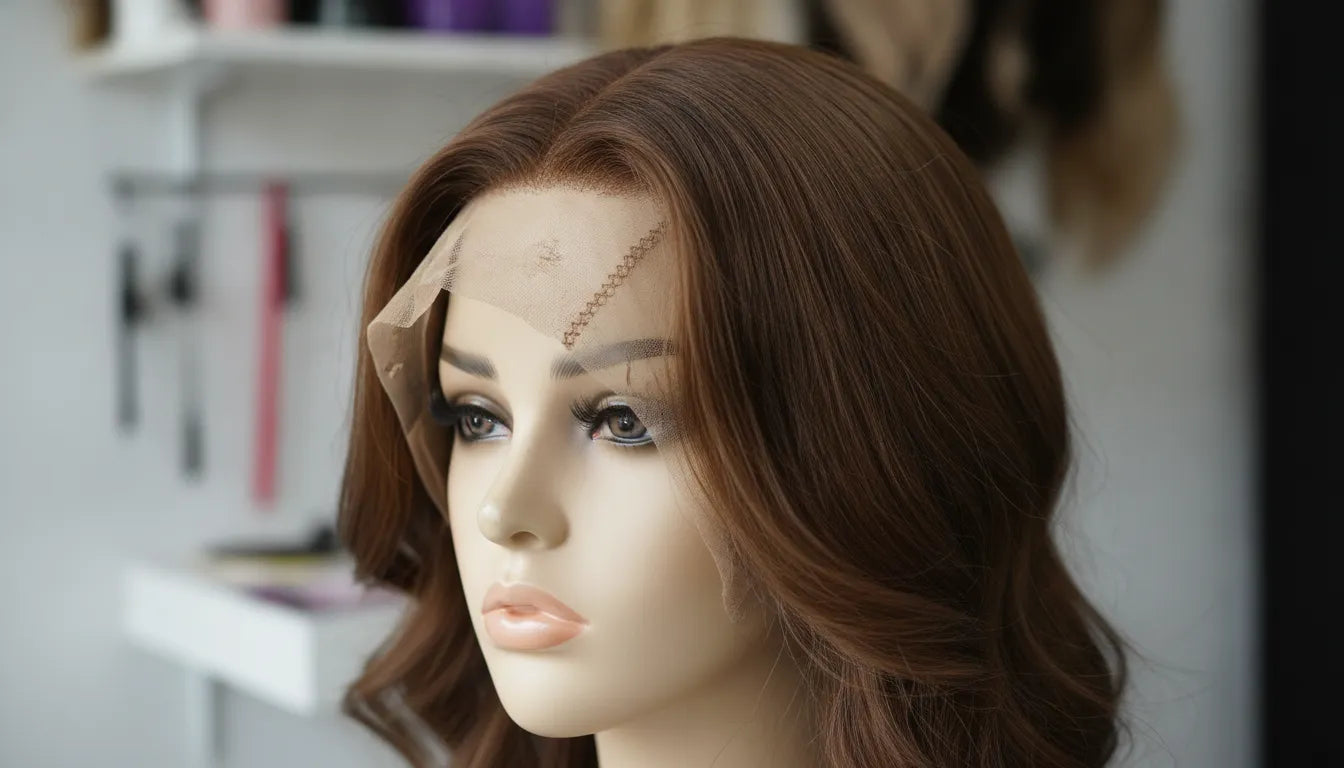
When dealing with medical hair loss, finding a natural look is key. A lace-front cranial prosthesis is a medical-grade cap with a sheer lace band along the front edge. If you compare a lace front vs monofilament wig, you will see that this lace edge is unique. This thin mesh blends with your skin to make the front edge look like real skin and hair.
How the sheer lace transition works
The key to this design is how the hair is tied to the front edge. In a lace-front cap, workers tie each hair strand by hand to the sheer mesh. This sheer lace panel at the hairline offers a natural-looking transition. It lets the hair lie flat and move like natural hair to hide the front cap edge.
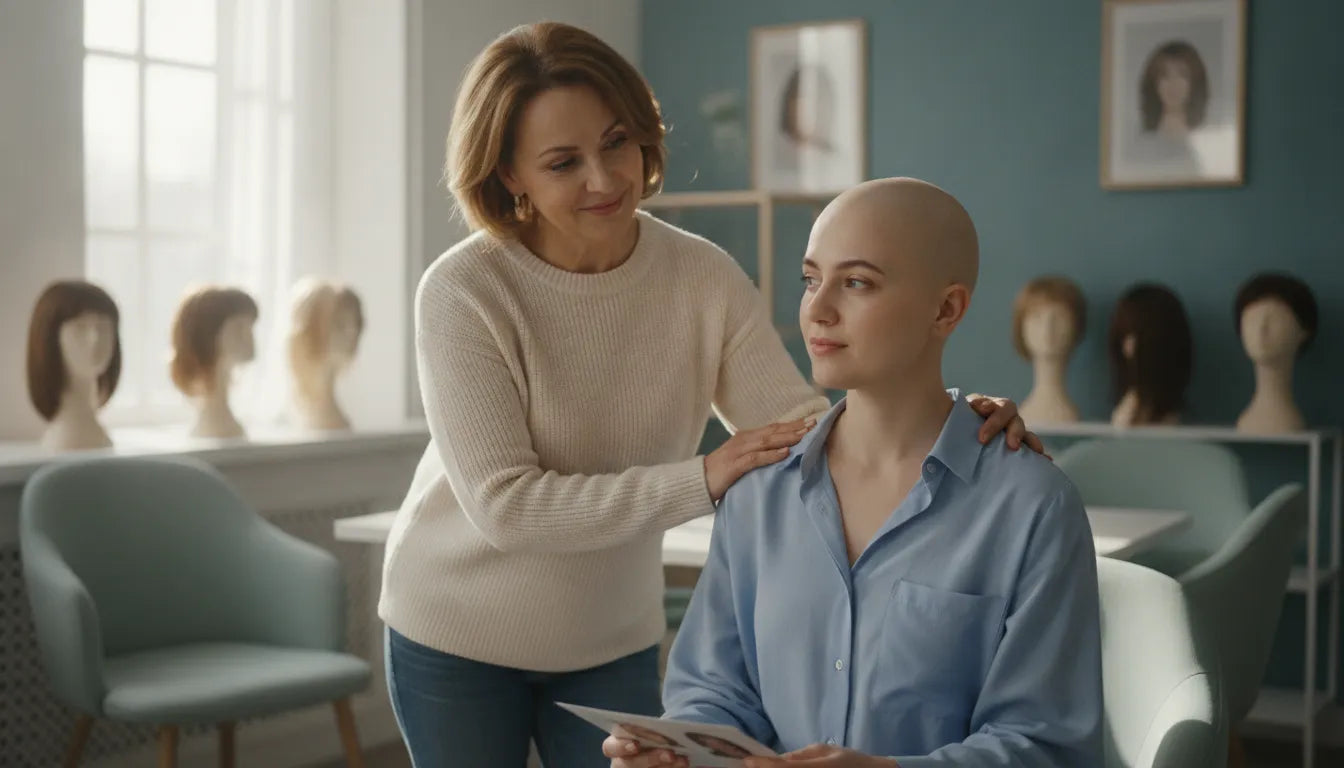
Choosing the right cap construction is a key step for your comfort and style. Working with an NYC Medical Wigs cranial prosthesis specialist can help you choose the best fit. A trained expert will check your scalp and guide you through the process. They will help you find a cap that feels soft and looks natural.
Benefits of off-the-face styling
Many medical wig wearers want to style their hair in many ways. Some styles, like high ponytails, pull hair away from the face. A lace-front cap creates an invisible hairline that blends with your skin. This makes the prosthesis ideal for off-the-face styling since the edge is not visible.
With a standard wig cap, styling is limited because the thick edge must stay hidden. A lace-front cap allows you to sweep your hair to the side or wear a half-up style. This styling freedom is why many patients prefer these caps for daily wear. It gives you more options to style your hair just like you did before your hair loss.
Delicate materials and proper care
The high level of realism from a lace edge comes with a trade-off. This front area uses very fine lace to mimic a real scalp, which means it can tear. Because of this, the delicate material requires gentle handling to keep it safe. You should avoid pulling on the lace front when putting on your cap.
To keep your lace-front cap in good shape, use the right tape or skin glue when needed. Some patients use skin-safe glue to secure the lace edge to their skin, while others prefer a glueless fit. Whichever way you choose, a soft wash and proper storage will help your piece last longer. Good care keeps the hairline looking clean and natural for daily wear.
What Is a Monofilament Cranial Prosthesis?
A monofilament cranial prosthesis is a medical-grade hair system designed for maximum realism and comfort. This design is highly valued by patients who have hair loss from chemotherapy or alopecia. When comparing a lace front vs monofilament wig, the monofilament option stands out for how it mimics a real scalp.
The Sheer Mesh Base
The core of this system is a thin, sheer mesh cap that lets your natural skin tone show through. On a monofilament cap, each hair strand is tied to this sheer mesh base by hand. This precise method is called hand-tying, and it ensures that each hair looks like it grows straight from your scalp. Research shows that hand-tying hairs to a sheer, breathable mesh creates a realistic, natural scalp-like look (PMC).
Because the base is sheer, the color of your actual scalp shows through the mesh. This prevents the fake, thick look often seen in basic hairpieces. If you visit a NYC Medical Wigs cranial prosthesis specialist, you can see how this sheer base blends with your skin. This makes the mesh nearly invisible, even from a close distance.
Better Airflow and Comfort
For patients with sensitive skin, cap comfort is just as vital as how the hair looks. Standard caps can trap heat and sweat, which often leads to skin irritation. Monofilament caps use a soft mesh that does not rub or scratch the skin. Medical experts state that this soft mesh base gives better airflow, which helps people with sensitive scalps (Mayo Clinic).
The improved airflow keeps your scalp cool and dry all day. This breathable design is a key feature for patients during cancer treatment. It helps prevent skin redness and keeps your head comfortable during long hours of wear.
Multi-Directional Parting
A major benefit of this cap design is that you can part your hair in any direction. Standard caps sew the hair in fixed rows, which stops you from changing the part. But because monofilament hair is hand-tied to the mesh, it moves just like natural hair. This allows for multi-directional parting, which increases your styling choices (Mayo Clinic).
You can part your hair down the middle, on either side, or style it in a soft sweep. This lets you change your look easily without showing the cap edge. The hair moves with you, giving you a natural feel in your daily life.
Lace Front vs Monofilament: Key Differences at a Glance
Choosing the right cap foundation is a key step when you select a hair prosthesis. This choice affects how the piece looks and feels. Medical reviews on PubMed advise you to look at the cap base, the area of hair loss, and the attachment parts. The Cleveland Clinic states that this choice balances front styling options against scalp comfort.
Comparing Key Cap Features
| Feature | Lace-Front Cap | Monofilament Cap |
|---|---|---|
| Front hairline | Sheer lace creates an invisible, natural front edge. | Standard hand-tied front edge is less natural at the hairline. |
| Parting options | Fixed parting line that offers limited styling choices. | Multi-directional parting mimics natural hair growth from the scalp. |
| Scalp comfort | Light and cool but the lace can feel scratchy. | Soft, sheer mesh allows airflow and protects bare skin. |
| Life span | Delicate lace needs very gentle daily care. | Stronger mesh base lasts longer and holds up well. |
| Best wearer | Those who want hair styled back from the face. | Those with sore skin who want to part their hair. |
Understanding the Styling Trade-offs
The physical make of each cap dictates how you can style your cranial prosthesis. A medical study in PubMed Central shows that a sheer lace panel gives a natural hairline transition. This sheer panel allows you to pull your hair back with complete confidence. Research from Johns Hopkins Medicine shows that this delicate lace is natural but needs gentle care.
In contrast, monofilament caps use hair strands hand-tied to a sheer mesh base. Your skin shows through the sheer mesh. According to PMC research, this design mimics natural hair growth. The Mayo Clinic notes that hand-tied hair lets you part the wig in any direction.
Addressing Sensitive Scalp Needs
Comfort is a vital factor for anyone with medical hair loss. According to the Mayo Clinic, the soft mesh of a monofilament cap provides better airflow to increase comfort. This fabric is very gentle on bare skin, which keeps the skin calm. While a lace front is excellent for styling, the lace can feel scratchy to some wearers.
Your final choice depends on your daily routine. A lace front is ideal if you want a natural hairline for off-the-face styling. Choose monofilament if scalp comfort and parting options are your top priorities. Some high-end caps combine both designs.
Our NYC Medical Wigs cranial prosthesis specialist can guide you through these options during a private consultation. We help you find a cap that fits your lifestyle. Many premium pieces are insurance-covered cranial prostheses, depending on your plan. We handle the claims process to make your search stress-free.
Which Cap Construction Is Right for You?
Are monofilament wigs better than lace front wigs?
This is a common question, but neither cap is better in every case. The best choice depends on what you value most for your medical wig. If you have a tender scalp, you may prefer a monofilament mesh. It offers better airflow to keep you cool, as noted by the Mayo Clinic. But if you want to style your hair away from your forehead, a lace front offers the most natural look. Many patients find that talking about these details with an NYC Medical Wigs cranial prosthesis specialist helps them make the right choice.
Why is a lace front wig better for natural-looking hairlines?
A lace front cap has a sheer lace panel at the front edge. Each hair is hand-tied to this lace to create a seamless hairline. This design allows you to style your hair off your face without showing a harsh wig edge. For patients who want the most real hairline, the lace front is the clear winner. But the thin lace needs gentle care to avoid damage. If you do not mind handling your cap with extra care, this style gives you the best look.
What are the advantages of a monofilament cap construction?
A monofilament cap is built for comfort and parting choices. Each hair is tied by hand to a sheer, cool mesh base. This mimics the look of a real scalp and lets you part your hair any way you want. When picking insurance-covered cranial prostheses, you must check the cap foundation and attachments. Dermatologists recommend this in a PubMed study. Since the mesh is soft, it does not rub or scratch a tender scalp. If you have complete hair loss, this cap style is often the best choice for daily wear.
How to make the right choice
Choosing between a lace front and a monofilament cap is your own choice. According to the Cleveland Clinic, you must balance styling choices with scalp comfort and parting options. If you want the best of both worlds, you can also explore hybrid caps. These designs use a lace front for a natural hairline and a monofilament top for comfort. Jamiese Drax can help you find the best fit during a private meeting. Our goal is to help you feel seen, dignified, and at ease.
Hybrid Caps: Getting the Best of Both Worlds
Choosing between cap styles can be hard when you are dealing with medical hair loss. When you look at a lace front vs monofilament wig, you may feel you must pick only one style. But high-end medical-grade options often blend both designs to give you the best parts of each style in one piece. This smart mix creates a great, soft medical wig that is perfect for daily wear.
How a hybrid cap works
A hybrid cap uses a thin lace panel along the front edge. This sheer lace lies flat against your skin to make a clear edge that lets you style the hair away from your face. According to a study in PubMed Central, lace-front caps allow for natural off-the-face styling. Behind this lace panel, a soft monofilament mesh top lets your skin tone show through to mimic natural hair growth.
This dual design solves the standard trade-off for medical wig wearers by joining the best parts. The hand-tied monofilament top lets you part your hair in any way while keeping your head cool. As the Mayo Clinic notes, the soft mesh provides better airflow for sensitive scalps. By pairing this breathable mesh with a lace front, you get both easy styling and gentle comfort that lasts all day.
The Tribeca Collection
You can find this hybrid design in our premium Tribeca Collection. NYC Medical Wigs created this line for patients who need extra comfort and realism. Each piece features 100% human hair that we tie by hand to a combined monofilament and lace-front base. The front lace creates a soft edge, while the mesh top lets you part the hair with ease.
Why choose a hybrid cap?
A hybrid design is great for patients who want the most realistic hair replacement option. It gives you the freedom to try new styles without worrying about a harsh front line. At the same time, the soft mesh base keeps your scalp safe from rubbing and heat. This blend is the best choice for women who wear their medical wigs every single day.
Because these are medical-grade devices, health insurance often covers their cost so you do not have to pay out of pocket. Our staff is ready to help you secure insurance-covered cranial prostheses from top carriers. We handle the claims process from start to finish. This lets you focus on your health while we get you the best cap design.
Frequently Asked Questions
What is the difference between a lace front vs monofilament wig?
A lace front wig uses a sheer lace panel at the front hairline to make a natural hairline look. A monofilament wig features hair strands tied by hand to a soft, breathable mesh base. According to study data in PubMed Central, the lace front creates a natural hairline. In contrast, the monofilament cap looks like real scalp and allows multi-directional parting.
Is a monofilament cap more comfortable for sensitive scalps?
Yes. A monofilament cap is very comfortable if you have a sensitive scalp. The soft, sheer mesh is gentle on skin and allows for good airflow. According to the Mayo Clinic, this design is great for people with medical hair loss because it reduces heat and irritation. It also allows you to part your hair in any direction.
Can you get a cranial prosthesis covered by insurance?
Yes, many health insurance plans cover medical wigs, though coverage is plan-dependent. Your doctor must write a prescription for a cranial prosthesis using the billing code A9282. Major insurance companies like Aetna, Blue Cross Blue Shield, and UnitedHealthcare often cover between 80% and 100% of the cost. At NYC Medical Wigs, we help you file these claims to keep your costs low.
Does a lace front medical wig require special care?
Yes. A lace front cap gives you a very natural hairline, but the sheer lace material is delicate. According to Johns Hopkins Medicine, this design needs gentle handling to avoid damage. You should wash the cap with care, avoid pulling on the lace, and store it on a wig stand when you are not wearing it.
Ready to Schedule Your Cranial Prosthesis Consultation?
Waiting to choose a custom medical cap can make your hair loss journey feel much more stressful. It is hard to handle this process without the right support. Starting your search today gives you the needed time to find a cap that fits your unique head shape. This ensures you do not have to make a rushed decision on your hair prosthesis. Our team will guide you through the billing steps to help you get insurance coverage. You can read our easy guide on our insurance details page to learn how we work with your health plan.
Ready to book? Call (201) 892-6923 to schedule a private consultation and select your medical wig.