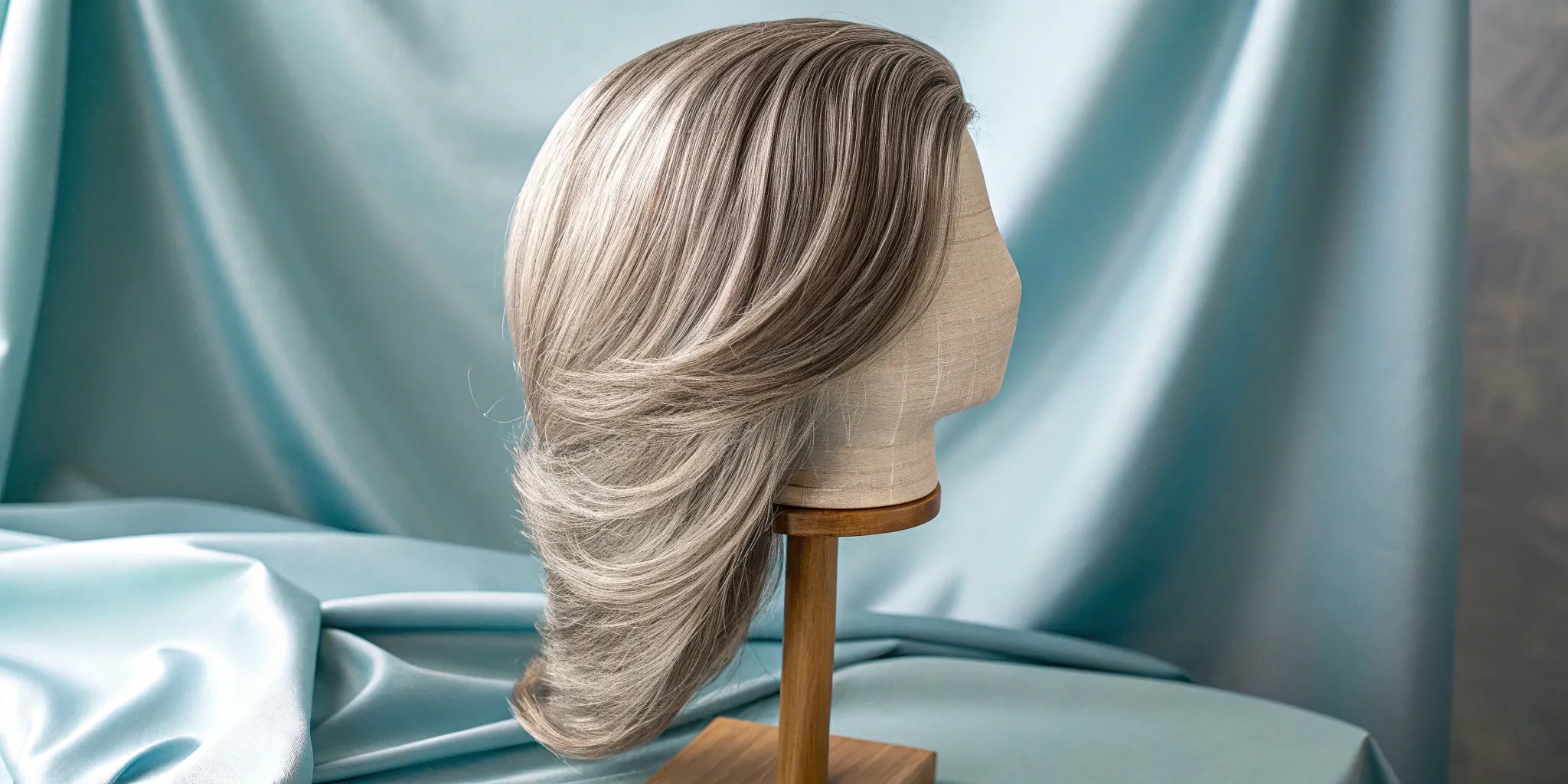
The Expert Guide to Buying a Human Hair Wig
When you're facing medical hair loss, the quality of your wig isn't just about appearance—it's about comfort, confidence, and health during a challenging time. Medical-grade wigs must meet stringent quality standards that go far beyond cosmetic hairpieces. This comprehensive guide will help you understand what makes a medical wig truly exceptional. This guide will help you find that perfect piece. We'll focus on the features that matter most for medical wig wearers, like soft cap materials and hand-tied construction. You'll learn how to spot good quality wigs that give you the gentle fit you need and the flawless look you deserve.
Key Takeaways
- Focus on the Foundation for a Flawless Look: The secret to a wig that looks natural and feels comfortable all day is its cap. Prioritize constructions like a lace front for an invisible hairline and a monofilament top for a realistic scalp, especially if you have sensitive skin.
- Choose a Wig That Fits Your Lifestyle: Consider your daily routine when deciding between the styling freedom of human hair and the low-maintenance convenience of synthetic wigs. The best choice is one that complements your features and aligns with the time you have for upkeep.
- Make a Smart Investment That Lasts: A quality wig is a valuable purchase, so learn to spot red flags like excessive shedding or a heavy cap. You can make it more affordable by using insurance benefits for a "cranial prosthesis" and extend its life with proper washing and storage.
The Emotional Side of Hair Loss and Finding the Right Wig
Losing your hair for medical reasons is a deeply personal experience that goes far beyond the physical change. It can feel like a loss of identity, privacy, and control. Suddenly, something that was a part of you is gone, and it can be tough to look in the mirror and see a stranger looking back. This journey is often accompanied by a mix of emotions, from frustration to sadness, and it’s important to acknowledge that all of those feelings are valid. The process of finding a solution isn't just about aesthetics; it's about reclaiming a piece of yourself. Choosing to wear a wig is an empowering step that allows you to decide how you want to present yourself to the world, giving you back a sense of agency during a time when much can feel out of your hands.
Finding the right wig can be a transformative part of this process. It’s not about hiding or pretending; it’s about feeling comfortable and whole. A well-made medical wig can provide a sense of normalcy, allowing you to go about your day without the added stress of feeling self-conscious. It becomes a tool for self-expression and comfort, helping you feel more like yourself as you handle your health. The goal is to find a piece that feels so natural and secure that you can put it on and simply forget about it, freeing up your mental and emotional energy to focus on what truly matters: your well-being and recovery. This is your opportunity to take charge and find a solution that brings you peace and confidence.
How Wigs Can Help Restore Confidence
A high-quality wig can be a powerful tool for improving your self-esteem and helping you feel more comfortable in your own skin. When a wig looks and feels natural, it removes a significant source of anxiety. Human hair wigs, in particular, are known for their realistic appearance and texture, which can enhance a wearer's comfort and confidence. The key is finding a piece that truly looks like you. Features like a lace front and a monofilament top create an undetectable hairline and a scalp-like part, making it unlikely that anyone will know you're wearing a wig. This discreetness allows you to feel more at ease in social and professional settings. At NYC Medical Wigs, we focus on providing premium human hair wigs designed to give you that seamless, natural look, so you can step out feeling secure and ready to take on the day.
How Can You Tell if a Wig is High-Quality?
When you start looking for a wig, the term "good quality" comes up a lot. But what does it actually mean? It’s not just about a high price tag. A truly great wig is a blend of excellent materials, thoughtful construction, and careful craftsmanship. It should look realistic, feel comfortable against your scalp, and be durable enough to handle daily life. Understanding the key components—the hair type, the cap construction, and the overall build—will help you spot a wig that will make you feel confident and secure.
Understanding Human Hair Sourcing and Quality
The heart of any human hair wig is, of course, the hair itself. But just like any natural material, its quality can vary dramatically. To find a piece that looks and feels incredible, it helps to know a little about where the hair comes from and how it's processed. The journey from donor to wig is a fascinating one, and understanding the difference between terms like "Remy" and "Virgin" can make all the difference in your final choice. This knowledge empowers you to ask the right questions and select a wig that not only meets your aesthetic goals but also offers the longevity and manageability you need for everyday wear.
Hair Origins: Where Does the Hair Come From?
The human hair used in wigs is sourced from all over the world, but the vast majority comes from Asia. Countries like India, in particular, are major suppliers. A significant portion of this hair is collected through the religious practice of tonsuring, where devotees shave their heads as an offering at temples. This hair is then gathered, processed, and sold to manufacturers who create wigs and extensions. Knowing the origin can give you some insight into the hair's natural texture and characteristics, helping you find a wig that aligns with the look and feel you want to achieve.
Hair Grades: Virgin, Remy, and Non-Remy Hair
When you see descriptions of human hair, you'll often encounter terms that grade its quality. The highest tier is "Virgin" hair, which is completely unprocessed—it has never been dyed or chemically treated and comes from a single donor. Just below that is "Remy" hair. In a Remy wig, all the hair cuticles are aligned in the same direction, just as they would grow from your scalp. This is a crucial detail because it prevents tangling and keeps the hair smooth. "Non-Remy" hair is often collected from various sources, meaning the cuticles are misaligned, making it prone to matting. For medical wigs, choosing a high-quality Remy hair wig ensures a natural look and feel with far easier maintenance.
Human Hair vs. Synthetic: Which is Right for You?
The first choice you’ll likely make is between human and synthetic hair. High-quality human hair wigs are designed to mimic the look, feel, and movement of natural hair. You can style them with heat, have them colored by a professional, and wash them just like your own hair. This versatility is why many people prefer them for long-term, daily wear.
Synthetic wigs, on the other hand, are known for their convenience and affordability. Modern synthetic fibers are incredibly advanced and can look quite realistic. They come pre-styled and hold their shape, even after washing, which is a huge plus if you want a low-maintenance option. The trade-off is that most can't be heat-styled, and they don't offer the same natural movement or longevity as human hair.
Comparing the Lifespan of Human Hair and Synthetic Wigs
When you're thinking about your investment, longevity is a huge factor. A well-cared-for human hair wig can be your trusted companion for over a year, sometimes even longer. This durability comes from the natural strength of the hair, which can handle washing, styling, and daily life without losing its integrity. On the other hand, synthetic wigs generally have a shorter lifespan and last about 4 to 6 months with regular wear. While they are more affordable initially, you'll need to replace them more frequently. For many, the extended wear and styling freedom of a human hair wig make it a worthwhile long-term choice, especially when you consider it a part of your daily routine.
Why Your Wig's Cap Construction Is So Important
The inside of the wig, known as the cap, is just as important as the hair itself—especially when it comes to comfort and a natural look. The best cap constructions are lightweight, breathable, and designed to look like a real scalp. A popular choice is the 100% hand-tied monofilament cap, where each hair is individually tied to a soft mesh. This allows the hair to move freely and lets you part it anywhere you like, creating a very realistic appearance.
Modern wig cap designs are more comfortable and durable than ever before. For anyone with a sensitive scalp due to medical treatments, a well-constructed cap can make all the difference. During a professional consultation, you can explore options that provide the most natural look without sacrificing comfort.
The Wig Making Process: From Hair to Cap
Ever wonder what goes into making a beautiful human hair wig? The journey begins with sourcing the best hair. Most of the world's human hair comes from Asia, where it's collected and carefully sorted. The highest quality is known as Remy human hair, which means all the individual hair strands are arranged to face the same direction—just like your natural hair grows. This meticulous process is what prevents tangling and gives the wig its smooth, realistic movement. When you see a wig that flows beautifully without knotting up, it's likely because it was made with this level of care from the very start.
Once the hair is sorted, it's washed, cleaned, and prepared for the final step: being attached to the cap. This is where true craftsmanship comes into play. For the most natural-looking wigs, each hair is individually hand-tied to a soft, breathable cap, often a monofilament top. This painstaking technique allows the hair to move freely and lets you part it in any direction, creating an incredibly realistic scalp appearance. This is why hand-tied wigs are often recommended for medical purposes; the construction not only looks flawless but also provides the gentle comfort needed for a sensitive scalp.
What to Look For in a Well-Made Wig
A great wig combines quality materials with thoughtful construction. When you’re examining a wig, look for signs of excellent craftsmanship. The hair density should appear natural—not so thick that it looks bulky, but not so thin that the cap shows through. On lace front or monofilament wigs, the knots where the hair is tied to the base should be small and discreet, creating the illusion of hair growing right from the scalp.
A well-made wig is also a durable one. It shouldn’t shed excessively, and the cap should feel secure and well-stitched. Investing in a wig from a company that prioritizes quality and expertise ensures you’re getting a piece that will not only look beautiful but will also last, making it a worthwhile part of your daily routine.
Finding the Perfect Wig Cap for You
When you’re looking for a high-quality wig, it’s easy to focus only on the hair itself—the color, length, and texture. But the secret to a wig that looks truly natural and feels comfortable enough for all-day wear lies in its foundation: the wig cap. The cap construction is what determines how the hair moves, how you can part and style it, and how it feels against your scalp. For anyone experiencing hair loss, especially those with sensitive skin from medical treatments, choosing the right cap is just as important as choosing the right hair.
Different caps offer unique benefits, from creating an undetectable hairline to allowing for maximum styling versatility. The best one for you depends on your lifestyle, how you like to wear your hair, and your priority for comfort. Understanding the most common types is the first step to finding a wig you’ll love to wear. If you’re unsure where to start, a consultation with a specialist can help you explore options tailored to your specific needs and even guide you through using your insurance benefits for your purchase.
Lace Front Wigs for a Flawless Hairline
If your top priority is a realistic hairline, a lace front wig is an excellent choice. These wigs feature a small, sheer panel of lace along the front hairline where each hair is individually hand-tied. This clever construction creates the illusion that the hair is growing directly from your scalp. The result is an invisible hairline that allows you to style your hair away from your face with total confidence—no one will know you’re wearing a wig. Our collection of lace front wigs offers a durable and beautiful solution for a seamless, natural look.
HD Lace vs. Standard Lace
When you start exploring lace front wigs, you'll find there are different types of lace to choose from, mainly standard lace and high-definition (HD) lace. Standard lace is a durable and popular option, but it can sometimes be slightly more visible up close. For a truly seamless look, HD lace is a fantastic choice. It is much thinner and more transparent than standard lace, allowing it to melt into your skin and become virtually undetectable. This finer material also provides a more breathable experience, which is a huge benefit for comfort, especially if you are managing a sensitive scalp during medical treatments.
Customizing Your Lace Front for a Natural Look
A great lace front wig provides an amazing starting point, but a few customizations can make it look like it was made just for you. To create a softer, more realistic hairline, many people carefully pluck a few hairs along the front to break up any dense, uniform lines. Another popular technique is to tint the lace so it perfectly matches your skin tone, which helps the material completely disappear against your forehead. While there are many online tutorials, getting professional guidance ensures it’s done right, giving you total confidence that your wig looks flawless from every angle.
Monofilament Tops for a Natural-Looking Scalp
A monofilament cap, often called a "mono top," is designed to mimic the appearance of a natural scalp. The cap is made from a fine, breathable mesh material, and each hair is individually knotted onto it. This meticulous process allows the hair to move and fall just like natural hair would. The biggest advantage? You can part the hair in any direction—center, side, or zigzag—and it will always look like it’s growing right from your own scalp. This feature offers incredible styling freedom and is also gentle on the skin, making monofilament wigs a preferred choice for those with sensitive scalps.
What is a French Top?
For the most realistic scalp appearance possible, the French top is the gold standard. Think of it as an enhanced version of the monofilament top. It features a unique three-layer construction where the hair is knotted on the middle layer, then pulled through a top layer of silk or fine mesh. This clever design completely hides the knots from view, creating a flawless illusion of hair growing right from your scalp. This unique construction not only offers an incredibly natural look but also provides an extra layer of soft material against the skin, making it exceptionally comfortable. With a French top, you get the same multi-directional parting freedom as a mono top, but with an unmatched level of realism that is perfect for anyone seeking the most discreet and natural-looking wig.
Full Lace Wigs for Maximum Styling Versatility
For the most styling versatility you can get, a full lace wig is the answer. In this construction, the entire cap is made from lace, and every hair is hand-tied to it. This allows for the most natural movement possible and gives you the freedom to style your hair in any way you can imagine, including high ponytails and elegant updos. Because the entire base looks like your scalp, you have unlimited parting options from front to back. Full lace caps are also extremely lightweight and breathable, providing a secure and comfortable fit that feels custom-made.
Why Hand-Tied Wigs Offer Superior Comfort
A 100% hand-tied cap is the gold standard for comfort and realism. Just as the name suggests, every single hair is tied to the cap by hand. This painstaking technique creates a wig that is incredibly soft, flexible, and light. The hair can move freely in any direction, offering a completely natural look from every angle. Because there are no wefts or seams, hand-tied caps are exceptionally comfortable against the scalp, making them an ideal choice for anyone experiencing total hair loss or scalp sensitivity. They conform perfectly to the shape of your head for a fit that feels secure and looks flawless.
Understanding Machine-Wefted Wig Caps
While hand-tied caps offer a premium feel, machine-wefted caps are a common and practical alternative. In this construction, hair is sewn by a machine in strips, called wefts, onto the wig cap. This manufacturing process is much faster than hand-tying, making machine-wefted wigs more affordable and widely available. They are also known for their durability, as the machine stitching creates a strong and secure base. This sturdiness makes them a reliable choice for everyday wear, especially if you're looking for a wig that can withstand an active lifestyle.
The main trade-off with machine-wefted caps is comfort. Because the hair is attached in wefts, the cap can feel heavier and less breathable than a hand-tied or monofilament design, which is an important consideration for sensitive scalps. The wefted construction also limits your styling options, as you can't part the hair as freely as you could with a monofilament top. While they are a fantastic and budget-friendly choice for many, it's important to weigh these factors. If your priority is the softest, most lightweight feel, you may find that other medical wig styles are better suited to your needs.
How to Choose a Wig You'll Absolutely Love
Finding the right wig is about more than just picking a style you like; it’s about discovering a piece that feels like an extension of yourself. The perfect wig should fit seamlessly into your life, complement your features, and feel comfortable enough for all-day wear. When you’re navigating hair loss, this choice becomes even more personal. Thinking through a few key factors—like your face shape, daily routine, and comfort needs—will help you find a wig you truly love. Let’s walk through how to select a wig that not only looks fantastic but also feels right for you.
Matching Your Wig Style to Your Face Shape
Your wig should enhance your features, not fight them. The first step is to identify your face shape—is it oval, round, square, heart, or long? Different styles flatter different shapes. For example, if you have a round face, a wig with layers and volume on top can add length. For heart-shaped faces, styles with a long, wispy fringe can soften the forehead.
Not sure where to start? Don’t worry. The goal isn’t to follow rigid rules but to find a silhouette that makes you feel confident. During a private consultation, we can help you try on different cuts and see what brings out your best features.
Will Your New Wig Fit Your Lifestyle?
Think about your daily life. Are you always on the go, or do you enjoy taking time to style your hair? Your lifestyle plays a big role in choosing between a human hair and a synthetic wig. Human hair wigs offer incredible styling versatility—you can curl, straighten, and color them just like your own hair. However, they require more maintenance to keep them looking their best.
On the other hand, high-quality synthetic wigs are often a great grab-and-go option because they hold their style after washing. The trade-off is less styling flexibility. Be honest with yourself about the time you’re willing to dedicate to upkeep. This will help you choose a wig that works for you, not against you.
Tips for Choosing a Wig for a Sensitive Scalp
If you’re experiencing hair loss from a medical condition or treatment, your scalp may be extra sensitive. Comfort is absolutely essential. Look for features designed to minimize irritation and provide a soft, breathable fit. For those with sensitive scalps, it’s best to prioritize features like a hand-tied monofilament top or a soft lace front to ensure comfort and a natural look.
These caps are constructed with soft materials and individual knotting techniques that prevent rubbing and allow for better airflow. A well-made medical wig should feel secure and light, never itchy or hot. You deserve to feel good in your wig, inside and out.
How to Pick the Perfect Wig Color and Texture
Choosing the right color and texture is what makes a wig truly yours. You might want to match your natural hair color for a seamless transition, or you might see this as an opportunity to experiment with a new shade. To find the most flattering color, consider your skin tone. Colors with undertones that complement your skin will look the most natural.
High-quality human hair wigs are designed to mimic the look, feel, and movement of natural hair, making them a great choice for authenticity. The best way to find your perfect match is to see the options in person, where you can hold the hair up to your skin and see how it looks in natural light.
Exploring Different Hair Textures
Beyond color, the texture of the hair plays a huge role in how authentic your wig looks and feels. You can find human hair wigs in a variety of textures, from silky straight and gentle waves to bouncy curls. While you can always heat-style a human hair wig to change its look, choosing a piece with a base texture that you love will make your daily routine much simpler. Think about the hair you’ve always felt most comfortable in. A quality wig should not only look the part but also move naturally, with a softness and flow that feels just like real hair. This attention to texture is what separates a good wig from a great one.
Popular Coloring and Styling Options
One of the best parts of choosing a human hair wig is the freedom to customize its color. You can choose from many shades, including trendy looks like balayage, subtle highlights, and soft ombré effects. Many wigs also come with a rooted effect, where the roots are slightly darker than the rest of the hair. This mimics natural hair growth and adds a layer of realism that makes the wig look incredibly natural. Whether you want to perfectly replicate your bio hair or try that color you’ve always dreamed of, a high-quality human hair wig gives you the canvas to make it happen.
Choosing the Right Wig Density
Wig density refers to the thickness of the hair on the cap, and getting it right is crucial for a believable look. Density is usually measured in percentages, with common options being 130%, 150%, and 180%. A 130% density is considered a natural, average thickness that mimics typical hair, making it a popular choice for a realistic and manageable style. It provides enough coverage to look full without feeling heavy or bulky. For most people seeking a wig for daily wear, this density strikes the perfect balance between volume and authenticity, ensuring the wig doesn’t look overly thick or unnatural.
If you prefer a more glamorous, voluminous look, you might consider a higher density like 150% or 180%. These options provide more fullness and are great for longer styles or for anyone who naturally has very thick hair. However, it’s important to choose a density that complements your features and frame. Sometimes, too much hair can overwhelm a smaller face or look less realistic. The goal is to find a density that feels right for you. During a professional consultation, we can help you compare different densities to find the one that will give you the most confidence and comfort.
Which Brands Make the Best Wigs?
Once you know what you’re looking for in a wig, the next step is finding a brand you can trust. The market is filled with options, from specialized medical wig providers to large online retailers, and the "best" brand really comes down to your specific needs, priorities, and budget. Some brands focus exclusively on creating the most comfortable and realistic wigs for those with sensitive scalps, while others offer a wide variety of trendy styles. To help you get started, here’s a look at some of the top brands across different categories, so you can find the perfect match for your journey.
Our Top Pick: Premium Medical-Grade Wigs
When you’re dealing with hair loss from a medical condition, comfort and a natural look are everything. That’s where we come in. We specialize in creating premium, medical-grade wigs designed specifically for sensitive scalps. You should prioritize features like a hand-tied monofilament top or a soft lace front for a wig that feels comfortable and looks completely natural. Many of our human hair medical wigs feature special elements like soft linings and anti-slip grips, ensuring your wig feels secure and comfortable all day long. We focus on craftsmanship that gives you confidence, from the hairline to the cap construction.
More High-End Wig Brands to Explore
If you're exploring the high-end market, there are other brands known for their exceptional quality. For example, Irresistible Me sells fancy, high-quality wigs made from 100% real human hair. Their award-winning pieces are designed to look and feel just like your own natural hair, offering a seamless and luxurious experience. Brands like this are a great option if your main priority is investing in top-of-the-line materials and styling versatility for a truly undetectable look.
Great Mid-Range Wigs That Look Amazing
You don’t have to spend a fortune to find a beautiful, well-made wig. There are many reputable brands that offer excellent quality at a more accessible price point. Online retailers like WigOutlet.com are great places to find a wide variety of human hair, lace front, and synthetic wigs. They carry pieces from popular and trusted brands like Raquel Welch, Ellen Wille, Noriko, and Jon Renau. These brands are well-known in the wig community for their consistent quality, extensive color options, and stylish cuts that keep up with modern trends.
How Quality Affects the Price of a Wig
As you browse different brands, you’ll notice that prices can vary significantly. This is usually tied to the quality of the hair and the intricacy of the cap construction. Generally, you can expect to invest more for 100% human hair and hand-tied features. For a high-quality human hair wig, prices often start around $569 and can go up to $1,450 or more, depending on the length and brand. Understanding these price ranges can help you set a realistic budget and recognize what you’re paying for in terms of craftsmanship and materials.
What's the Real Cost of a Quality Wig?
When you're looking for a quality wig, the price tag is often one of the first things you consider. The cost can vary quite a bit, depending on the hair type, the cap construction, and the overall craftsmanship. Understanding what goes into the price can help you set a realistic budget and find the best option for your needs. Let's break down the costs you can expect for different types of wigs and explore how you might be able to use insurance to help cover the expense.
Breaking Down the Cost of Human Hair Wigs
Human hair wigs are the top-tier choice for a reason—they offer an incredibly natural look and feel, plus the freedom to style them just like your own hair. Because of the high-quality materials and detailed craftsmanship, they come with a higher price point. You can expect prices for premium human hair wigs to start around $500 and go up to $1,500 or more. This range reflects factors like the origin and quality of the hair, whether it's hand-tied, and the complexity of the cap design. It’s a significant investment, but for many, the confidence that comes with a truly realistic wig is priceless.
Specific Cost Ranges for Premium Wigs
Let's get specific about what you can expect to invest. For a premium, medical-grade human hair wig, prices generally start in the $500 to $600 range and can go up to $1,500 or even higher. This price variation comes down to the details that make a wig truly exceptional: the length, the quality of the human hair, and the intricacy of the cap construction. A longer style or a fully hand-tied cap, for example, requires more materials and expert labor, which is reflected in the cost. Viewing it as a smart investment in your comfort and confidence helps put the price into perspective.
Understanding Synthetic Wig Prices
If you're looking for a more budget-friendly option that still looks fantastic, synthetic wigs are an excellent choice. They've come a long way in recent years and can look surprisingly natural. One of the biggest perks is that they hold their style, so you don't have to worry about re-curling or straightening them after washing. While prices vary, synthetic wigs are generally much more affordable than their human hair counterparts. This makes them a great option if you want to experiment with different styles or need a beautiful, low-maintenance wig without a large upfront investment. They offer a wonderful balance of quality and convenience.
Can Insurance Cover Your Wig Purchase?
Here’s some good news you might not be aware of: if you need a wig due to a medical condition like alopecia or chemotherapy, your health insurance may help cover the cost. The key is to know the correct terminology. For insurance purposes, a medical wig is called a “cranial prosthesis.” When you get a prescription from your doctor for a cranial prosthesis, it signals to your insurance provider that the wig is a medical necessity. This can open the door to coverage and significantly reduce your out-of-pocket expenses. Navigating this process can feel tricky, but understanding your benefits with the help of a specialist makes it much more manageable.
Financial Support for Medical Wigs
Beyond your primary health insurance, other avenues for financial assistance can make a high-quality wig more accessible. Organizations like the American Cancer Society and the National Alopecia Areata Foundation sometimes offer grants or other resources to help cover the cost of a cranial prosthesis. It’s always worth checking with these non-profits to see if you qualify for their programs. The process of applying for reimbursement or grants can involve a lot of paperwork and specific steps. If you feel overwhelmed, remember you don't have to figure it out alone. We specialize in this area and can offer guidance on how to file your claim correctly and explore all available financial support options.
How to Find a Great Wig on a Budget
Finding a beautiful, high-quality wig that makes you feel like yourself doesn’t have to drain your bank account. While premium human hair wigs are an investment, there are several smart ways to manage the cost without compromising on quality. The key is to know where to look and what resources are available to you. From using insurance benefits to spotting legitimate sales, you can find a wig that fits both your style and your budget. It’s all about being a savvy shopper and understanding the options that can make a luxury wig more accessible. By exploring these avenues, you can focus on what really matters: finding a piece that brings you comfort and confidence.
Using Your Insurance Benefits With a Specialist
If you're experiencing hair loss due to a medical condition, your health insurance may cover a significant portion of the cost of your wig, which is often referred to as a "cranial prosthesis." The process can seem complicated, but you don't have to figure it out alone. Working with a specialist can make all the difference. We can help you understand your coverage, gather the necessary paperwork from your doctor, and submit the claim correctly. This support can make a premium, medical-grade wig—with features like soft linings and secure anti-slip grips—much more affordable. To get started, you can schedule a consultation with our team to review your benefits.
Finding Deals from Trusted Retailers
Another great way to save is by keeping an eye out for promotions from authorized and reputable wig retailers. Many brands offer discounts during holidays, seasonal changes, or as a special welcome to new customers. Signing up for a company’s email newsletter or following them on social media is an easy way to be the first to know about a sale. Buying during a promotion not only saves you money but also makes it less of a financial risk to try a new style or color. Just be sure you’re purchasing from a trusted source to ensure you receive an authentic, high-quality piece from our collection of wigs.
How to Save Money Without Sacrificing Quality
The word "discount" can sometimes make you wary, but it doesn't have to mean low quality. Reputable retailers often discount high-quality wigs to make room for new inventory. The trick is to know what to look for. Before purchasing a discounted wig, always check the store's return policy and read customer reviews. A trustworthy seller will be transparent about why an item is on sale and will stand behind its quality. This way, you can feel confident that you're getting a great deal on a wig that is well-made and will last. You can find answers to common questions about quality and returns on our FAQ page.
Where to Buy Your Wig
Deciding on the perfect wig is a big step, but figuring out where to buy it is just as crucial. You have two main paths: visiting a specialized shop for an in-person experience or browsing the endless options online. Both have their perks, and the right choice often depends on what you’re looking for. If this is your first wig or you need a piece for medical reasons, the guidance of an expert can be invaluable. On the other hand, if you’re a seasoned wig wearer and know exactly what you want, the convenience of online shopping is hard to beat. Let’s look at the benefits of each approach so you can make a choice that feels right for you.
The Benefits of an In-Person Consultation
For your first wig, nothing beats an in-person consultation. It’s an opportunity to see and feel the quality of different pieces, try on various styles to see what flatters your face shape, and get a professional fitting to ensure your wig is secure and comfortable. This is especially important for medical wigs, where a perfect fit can make all the difference for a sensitive scalp. A specialist can walk you through the nuances of cap constructions and help you find a piece that meets your specific needs. Plus, they can provide invaluable support, like guiding you through the process of using your insurance benefits. A professional consultation removes the guesswork and helps you invest in a wig with complete confidence.
Tips for Buying a Wig Online Safely
Shopping for a wig online offers incredible convenience and a vast selection, but it’s important to be a smart shopper to protect your investment. Always buy from a trusted company with a secure website and clear contact information. Take the time to read reviews for both the wig and the retailer on multiple platforms to get an unbiased picture of their quality and customer service. Be cautious of prices that seem too good to be true—they often are. A high-quality human hair wig is a significant purchase, and an unusually low price can be a red flag for a counterfeit or poorly made product. Sticking to reputable online stores, like our own collection, ensures you receive an authentic piece that you’ll love.
How to Spot a Low-Quality Wig
When you're shopping for a wig, especially for the first time, it can be tough to tell the difference between a high-quality piece and one that will disappoint you. A great wig should feel comfortable, look natural, and last for a long time. Knowing what to look for can save you from a purchase you'll regret. Pay attention to the construction, the hair itself, and the price tag to make sure you're investing in a wig that will help you feel like your best self.
Warning Signs of Poor Wig Construction
The foundation of any wig is its cap, and this is often where quality differences are most obvious. A poorly made wig cap will feel heavy, itchy, and bulky on your head. The wefts (the tracks of hair) might be thick and spaced far apart, making them visible through the hair fibers. This can create an unnatural, "wiggy" look. In contrast, a well-made wig features thoughtful cap construction that is lightweight, breathable, and designed to mimic a natural scalp. If the cap looks or feels clumsy and uncomfortable, it’s a clear sign that the overall quality is probably lacking.
Is it Low-Quality Hair? Here's How to Tell
Whether you're looking at human or synthetic hair, quality can vary dramatically. A major red flag for low-quality human hair is an overly silky, almost slippery feel right out of the box. This is often due to a heavy silicone coating used to disguise non-Remy hair, where the cuticles are not aligned. After a few washes, that coating rinses away, leaving the hair dull, dry, and prone to serious tangling. Excessive shedding is another bad sign. While losing a few strands is normal, a wig that sheds handfuls of hair is poorly constructed and won't last. A great wig uses high-grade hair that looks and feels healthy from the start, without needing a temporary cosmetic fix.
Why a Super-Low Price Can Be a Red Flag
We all love a good deal, but when it comes to wigs, an unbelievably low price is often a warning. Crafting a high-quality human hair wig is an intricate process that requires skilled labor and premium materials, and its price will reflect that. If you see a "100% human hair" wig advertised for a fraction of the typical cost, be skeptical. It could be a synthetic blend, low-grade hair that will tangle and shed, or a piece with poor construction. Instead of chasing a bargain that might lead to disappointment, it's better to understand the true value of a quality wig and explore options for making it affordable. You can always schedule a consultation to discuss how to use your insurance benefits for a medical-grade wig.
How to Make Your Wig Last Longer
A high-quality human hair wig is a significant investment in your confidence and style. Just like any luxury item, it needs a little TLC to stay looking its best. Proper care and maintenance will not only extend the life of your wig but also keep the hair soft, shiny, and beautiful for years to come. Think of it less as a chore and more as a simple routine to protect the piece you love. With the right techniques for washing, storing, and styling, you can ensure your wig remains as flawless as the day you got it. It’s all about building good habits that will make a world of difference in the long run.
Your Guide to Washing and Conditioning a Wig
When it’s time to wash your wig, treat it with the same care you would delicate silk. Start by choosing a sulfate-free shampoo and a hydrating conditioner. Sulfates can strip the hair, leaving it dry and brittle. Before getting it wet, gently detangle the hair with a wide-tooth comb, starting from the ends and working your way up. Wash your wig every 7 to 10 wears using lukewarm water. Apply shampoo in a smooth, downward motion—never rub or scrub! Rinse thoroughly before applying conditioner, avoiding the base of the cap to keep the knots secure. A little effort here goes a long way in preserving the beauty of your human hair medical wig.
How to Properly Store and Care for Your Wig
How you care for your wig day-to-day is just as important as how you wash it. When you’re not wearing it, always store your wig on a mannequin or wig stand. This is the best way to help it maintain its shape and prevent any tangles or matting. For styling, always use a heat protectant spray before picking up a flat iron or curling wand to shield the hair from damage. If you need to brush it out, use a wide-tooth comb or a wig-safe brush. Remember to start at the ends and gently work your way up to the roots to avoid putting stress on the hair. You can find more tips on our FAQs page.
When to Call in a Wig Professional
While daily care is manageable at home, some tasks are best left to a professional. If your wig needs a deep conditioning treatment, a color refresh, or a new cut, it’s wise to seek out a stylist who specializes in human hair wigs. Attempting to color or significantly alter your wig yourself can lead to irreversible damage. Think of it like trusting a specialist for any other important service. If you’re ever unsure about how to handle a specific maintenance issue or need a recommendation for a trusted stylist, we’re here to help. You can always schedule a consultation with us for expert guidance on keeping your wig in pristine condition.
Related Articles
- Afro American Wigs 101: Your Ultimate Guide
- Best Rated Wigs for Women: A Buyer's Guide
- Best Wigs to Buy Online: The Ultimate 2025 Guide
Frequently Asked Questions
How long can I expect a high-quality human hair wig to last? With the right care, a well-made human hair wig is a lasting investment. If you wear it daily, you can generally expect it to last for a year or more. With less frequent wear and proper maintenance—like gentle washing and correct storage—it can last for several years. The key is treating it kindly, just as you would your own hair.
What makes a "medical wig" different from a regular fashion wig? The main difference comes down to the cap construction. A medical wig is designed with the needs of a sensitive scalp in mind. It often features a fully hand-tied cap, a soft monofilament top, or other materials that are lightweight, breathable, and gentle on the skin. This focus on comfort is essential for anyone experiencing hair loss from medical treatments or conditions.
I'm worried the wig won't look natural. What feature is most important for a realistic look? A natural look comes from two key elements: the hairline and the scalp. A lace front cap is fantastic for creating an undetectable hairline, allowing you to style the hair away from your face. For a believable scalp and the freedom to part your hair anywhere, a monofilament top is the best choice. When these features are combined with high-quality human hair, the result is a wig that looks and moves just like the real thing.
Can I really use my health insurance to pay for a wig? Yes, it's often possible. If your hair loss is due to a medical reason, your doctor can write you a prescription for a "cranial prosthesis," which is the medical term for a wig. Many insurance plans offer full or partial coverage for this. The process involves submitting a claim with the right documentation, which is something we can absolutely help you with.
I'm new to this and feel overwhelmed. Where should I even begin? It's completely normal to feel that way. The best first step is to focus on comfort. Think about your scalp's sensitivity and your daily routine. From there, consider what style would make you feel most like yourself. The easiest way to sort through it all is to talk with a specialist. A private consultation allows you to ask questions, try on different styles, and get personalized guidance without any pressure.