A Guide for Caregivers: Supporting Someone with Hair Loss
Supporting a loved one through medical hair loss can feel overwhelming and deeply emotional for the entire family. Watching someone you care about lose their hair to chemotherapy, alopecia, or other medical conditions often leaves caregivers feeling helpless and unsure of what to say. Your presence and understanding can help them navigate this difficult transition with dignity.
To succeed in supporting someone with hair loss, focus on offering emotional validation and active listening rather than trying to fix their situation. According to research on alopecia and psychological well-being, medical hair loss has profound psychosocial consequences that deeply impact a person's identity and appearance. You can provide essential support by acknowledging their grief, avoiding minimizing phrases, and offering practical help like managing insurance paperwork or researching hair alternatives. Accompanying your loved one to a professional cranial prosthesis consultation also reduces their anxiety and provides a strong foundation of care. Let them guide the pace of their decisions while you remain a steady, comforting presence.
Helping a family member or friend navigate these changes starts with a deeper understanding of the challenges they face. In the next section, we look at Understanding What Your Loved One Is Going Through so you can provide the most empathetic support possible. Here's how to begin.
Supporting Someone With Hair Loss: Understanding What Your Loved One Is Going Through
Medical hair loss is far more than a simple cosmetic change. When a family member or friend loses their hair to a medical condition, they often face a deep shift in how they see themselves. Knowing how to help starts with understanding the heavy emotional and physical toll of this transition.
The Psychosocial Weight of Hair Loss
For many people, hair is closely tied to their personal identity, self-esteem, and daily confidence. Medical conditions that cause hair loss often lead to significant psychological distress, affecting a person's sense of self and their public appearance. Research published in the National Institutes of Health PMC database shows that hair loss often leads to negative social and emotional outcomes, leaving people feeling vulnerable and isolated.
When someone loses their hair, they may go through a real cycle of grief. This cycle can include denial, anger, depression, and gradual acceptance. They are not just mourning their hair; they are also mourning their privacy, as hair loss can make a private medical struggle visible to everyone. As you focus on supporting a loved one through hair loss, your role is not to rush them through this grief, but to let them feel each stage without judgment. Letting them express their grief without trying to cheer them up right away is one of the most supportive steps you can take.
The Autoimmune and Inflammatory Reality
It is helpful to remember that many forms of hair loss are not just temporary side effects, but chronic medical issues. Conditions like alopecia areata are actually autoimmune disorders where the body's immune system mistakenly attacks healthy hair follicles. A study on the National Institutes of Health PMC platform confirms that alopecia is a chronic condition caused by a mix of genetic and environmental factors.
Because these conditions are systemic and inflammatory, your loved one may deal with unpredictable cycles of hair loss and regrowth. This constant uncertainty can cause ongoing stress and anxiety. Treating the situation as a chronic medical condition, rather than a minor beauty issue, helps you offer the right level of empathy and respect. It changes how you view their journey from a simple phase to a real health matter.
The Power of Your Quiet Presence
One of the most valuable gifts you can offer is simply being there. You do not need to have all the answers or try to fix the situation right away. Often, trying to find quick solutions or pointing out the bright side can make a loved one feel like their pain is being dismissed. Trying to find a cure or a fast fix can accidentally send the message that you are uncomfortable with their pain.
Instead, focus on validating their feelings. Let them talk about their fear, sadness, or anger without trying to change their mind. For example, if they say they feel uncomfortable going out, avoid saying, "You look great anyway." Instead. Say something like, "I hear you, and I know this is really hard. I am here with you whenever you are ready." Simply sitting with them in their quiet moments shows that your care does not depend on how they look. Which builds a safe space for them to heal.
What to Say (and What Not to Say) to Someone Losing Their Hair
Supporting a loved one with medical hair loss starts with knowing how to talk about their experience. The words you choose can either offer deep comfort or cause quiet pain. Often, the most helpful step is to focus on active listening rather than trying to fix the issue. Acknowledging their feelings gives them space to process their grief without pressure.
Words and Phrases to Avoid
Well-meaning friends often use phrases that minimize the pain of losing hair. Saying things like "it is just hair" or "at least it is not life-threatening" can feel very dismissive. Another common phrase to avoid is "it will grow back." For someone facing autoimmune alopecia or chemotherapy, regrowth is never a guarantee. This uncertainty adds distress, and promising a cure can make them feel isolated in their worry.
What to Say Instead
Instead of offering quick solutions or toxic positivity, try to focus on presence and validation. Helpful phrases include "I am here with you," "I love you no matter what," and "how are you feeling today?" These simple words show that you are ready to listen. You do not need to have the perfect answer; simply showing that you hear them is enough.
| Instead of saying... | Try saying this instead |
|---|---|
| "It will grow back." | "I am here with you no matter what." |
| "At least you are healthy." | "This must be really hard. I am listening." |
| "It is just hair." | "Tell me how you are feeling today." |
| "You still look great." | "I see you and I am not going anywhere." |
A Short Scenario in Active Listening
Imagine your loved one says, "I hate looking in the mirror today." A helpful response is not to say. "You look great anyway." Instead. Try saying, "I hear you, and I know this is incredibly hard. I am right here with you." This simple exchange validates their immediate feelings. It allows them to feel heard rather than shut down by a forced compliment.
The MD Anderson Grief Framework
Medical experts at the UT MD Anderson Cancer Center emphasize that hair loss is a true form of grief. Their support framework advises caregivers to prepare themselves emotionally before reacting. By understanding that hair loss is an identity-level blow, you can avoid shocked looks or awkward jokes. Your calm, steady presence helps your loved one feel safe and supported during a vulnerable time.
The Power of Presence Over Fixing
Research shows that the best support focuses on presence rather than fixing. A study published in PubMed Central confirms that effective support involves active listening and acknowledging a patient's feelings. Trying to solve the problem with endless product suggestions often increases their anxiety. Your primary role is to stand by them as they navigate this transition at their own pace.
If they decide to look into options for hair prostheses, you can offer quiet, practical help. You can read our guide on supporting a loved one through hair loss to find more ways to help them cope. Let them take the lead on when and how they want to explore these steps.
Practical Ways to Support a Loved One Through Hair Loss
When someone close to you experiences medical hair loss, you may feel unsure of how to help. Your care and presence can make a major difference in their daily comfort and peace of mind. Taking on concrete, daily tasks helps lift both the physical and emotional load of this transition. By focusing on active planning, you can make the entire process feel more manageable for them.
Providing real help requires a balance of emotional care and practical planning. From gathering medical paperwork to setting up a comfortable home space, your actions speak volumes. By taking these burdens off their shoulders, you allow them to focus fully on their health and healing.
Action Steps for Caregivers
- Plan around treatment timelines. For those undergoing chemotherapy, hair loss typically starts 14 to 21 days after the first session. You can help by planning ahead before this change occurs. Talk with them early about whether they want to cut their hair short or shave their head before it falls out. Which can make the transition feel much more controlled.
- Help with gentle scalp care. As hair falls out, the skin on the scalp often becomes very tender, itchy, or dry. You can buy mild, scent-free baby soaps and deep moisturizers to keep their skin comfortable. Look for soft bamboo caps, silk pillowcases, or light cotton scarves that will not rub against or irritate sensitive skin.
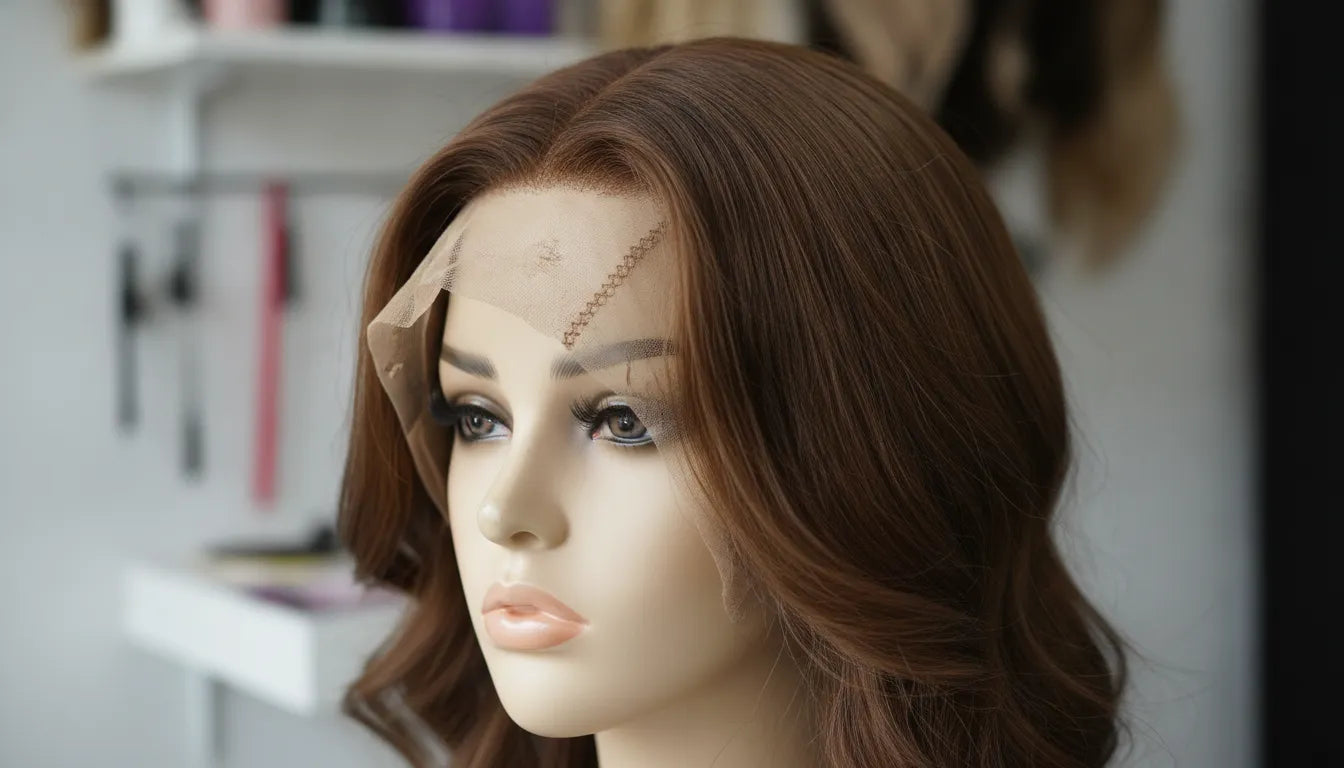
- Research high-quality medical wigs. Spend time researching cranial prostheses, which are medical-grade wigs designed specifically for sensitive scalps. Look for caps with 100% hand-tied construction, soft monofilament tops, and French lace fronts. Avoid standard fashion wigs, which can scratch thin skin and lack a realistic look.
- Manage appointments and insurance files. Help organize doctor visits, prescriptions, and insurance claims. Many private healthcare plans can cover 80% to 100% of the cost of a medical hair prosthesis. Gather their insurance card, policy details, and a doctor's prescription for a "cranial prosthesis" to make the claims process much smoother.
- Go with them to clinical visits. Clinical studies show that supporting a loved one through hair loss by joining them at consultations can lower their stress and anxiety. You can take notes, ask about cap materials, and help select colors. If your loved one is too weak to travel, you can set up a virtual session to keep them safe and comfortable at home.
- Practice healthy caregiver self-care. Supporting a family member through a serious illness is a demanding role. To stay strong for them, you must look after your own mental and physical health. Set clear boundaries, eat well, get enough rest, and seek out your own support network or professional counseling when you feel overwhelmed.
Working Together as a Team
Practical care is most helpful when you let your loved one lead the way. Always ask before taking over a task, and respect their choices on whether they want to wear a prosthesis, use scarves, or go bald. Your steady, compassionate presence is the most valuable gift you can give as they navigate this path.
How to Accompany Someone to a Cranial Prosthesis Consultation
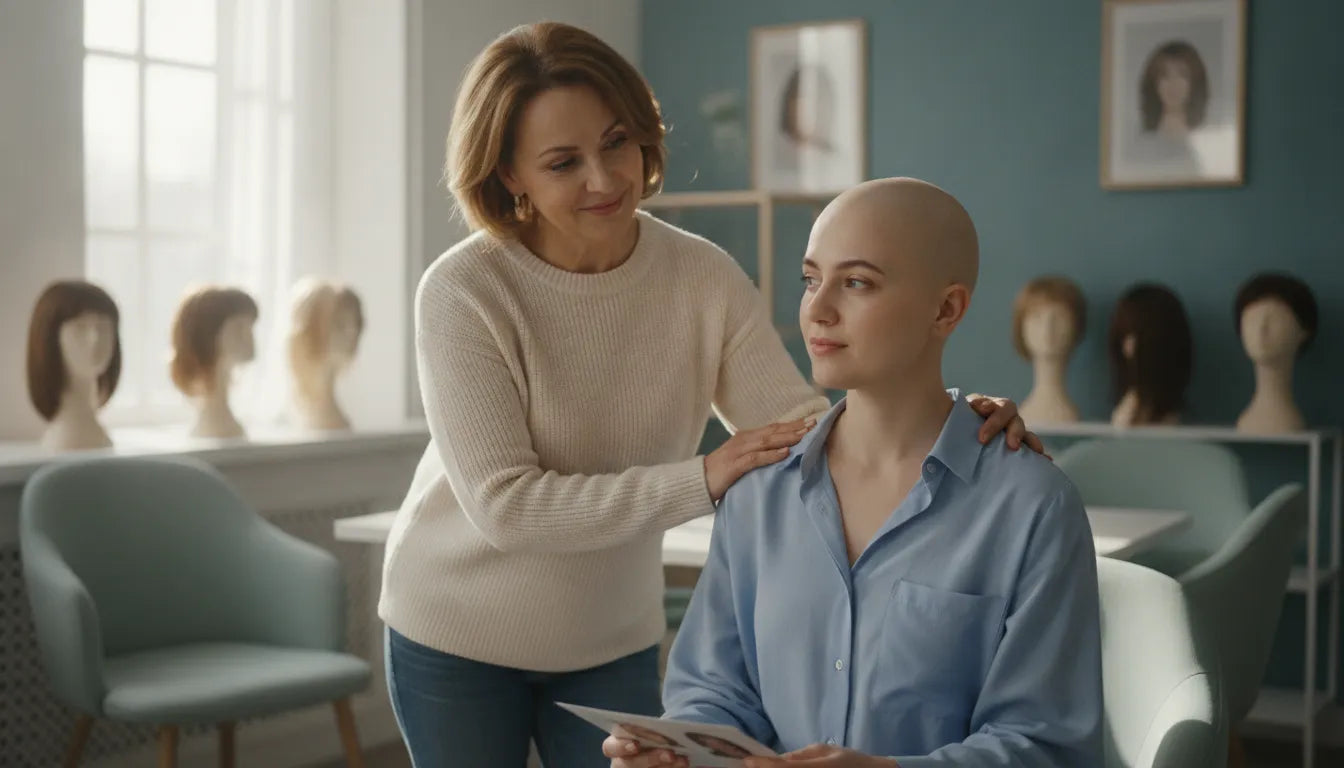
When supporting a loved one through hair loss, going with them to a clinical meeting is a key step. The clinical visit is a major milestone in their hair journey. Research shows that accompanying a loved one to a cranial prosthesis consultation helps lower their stress and gives them key support during a tough time. As a caregiver, your presence helps them feel safe, heard, and cared for during this deeply personal medical process.
What Happens During the Consultation
A medical wig consultation is a precise clinical process, not a standard salon visit. Jamiese Drax, a licensed specialist at NYC Medical Wigs, leads each session with care and detail. The first step is a full scalp health check to see if there is any pain or sensitivity from treatments like chemotherapy. After the scalp check, the specialist takes precise head measurements to ensure a secure, custom fit. Your loved one will then explore medical-grade base materials, such as soft monofilament tops or lace fronts, and select their preferred hair fiber, color, and density.
How to Help Your Loved One Prepare
You can help before the visit by gathering key documents and items to make the process smooth. Work with your loved one to collect their medical insurance cards. Let them know about the plans patients may explore to help cover costs, such as Medicare, Blue Cross Blue Shield, Aetna, Cigna, and United Healthcare. It is also helpful to gather photos of their hair before the loss to help the specialist match their natural style. Finally, write down a list of questions about fit, care, and wear so you do not forget any details during the visit.
Your Role During the Appointment
During the visit, your job is to listen, take clear notes, and offer gentle reassurance. Let your loved one lead the choices and share their feelings about each style. Your notes on care steps and base options will help them make a confident choice later. If your loved one is immunocompromised or cannot travel easily, they do not have to miss out on this specialized care. NYC Medical Wigs offers detailed virtual consultations so you can both participate safely from the comfort of home.
Respecting Their Choices Around Hair and Appearance
Supporting a loved one through hair loss requires a deep respect for their choices. When hair loss begins, many people feel a loss of control over their bodies. You can help them regain that control by letting them lead every decision. Whether they choose to wear a medical wig, use a head wrap, wear a scarf, or go bald, your role is to validate their choice. Do not push them toward a solution just because it is what you would choose. Their autonomy and daily comfort must remain the primary goal.
Supporting Diverse Presentation Options
There is no single correct way to manage hair loss from alopecia or cancer treatment. Some people find comfort in wearing a custom human-hair prosthesis, while others prefer the simplicity of a soft cotton wrap or going bald in public. According to dermatological research published in the Journal of Clinical and Aesthetic Dermatology, managing identity and appearance changes is a highly personal journey with significant emotional weight. By supporting their chosen look each day, you help them rebuild confidence on their own terms. If they express interest in a wig, you can offer to help them research options without making them feel forced to wear one.
Respecting Privacy and Social Boundaries
A key part of supporting a loved one through hair loss is respecting their social boundaries. They may choose not to share their diagnosis or hair loss details with friends, extended family, or coworkers. Respect their privacy by letting them decide who to tell and when to tell them. Avoid bringing up their hair loss or appearance in public settings, and be mindful of jokes or well-meaning comments. Even a comment meant as praise, such as telling them they look brave, can sometimes place unwanted pressure on them to maintain a strong public front.
Avoiding Unsolicited Feedback
Unless your loved one specifically asks for your advice on their look, avoid making unprompted comments about their appearance. Focus your conversations on how they are feeling rather than how they look. If they ask for feedback on a head scarf or a cranial prosthesis, offer honest but gentle reassurance. Your consistent presence and validation provide a secure space where they can navigate these changes without fear of judgment.
Knowing When to Step Back: Caring for Yourself as a Caregiver
Supporting a loved one through hair loss is a deep emotional journey. When you help someone navigate the weight of a chronic medical condition, your main focus is on their comfort. But caregiving can take a heavy toll on your own health and energy. To be a strong pillar for your loved one, you must recognize your own limits and know when to step back.
Managing Caregiver Burnout
You cannot give from a cup that is empty. Helping a partner or family member cope with hair loss requires a lot of emotional strength. It is common to feel tired or stressed over time, especially when you carry the pain of someone you love. Studies from the National Institutes of Health show that the psychosocial impact of hair loss affects the whole family unit, not just the patient. Taking brief breaks to rest and restore your own peace is not selfish. It is the only way to keep your support steady for the long journey ahead.
Giving Them Room to Process
Sometimes, the most helpful thing you can do is to offer silent space. When someone is dealing with medical hair loss, they need to feel their grief on their own terms. It is natural to want to fix the problem, but constant advice or persistent presence can feel heavy. Support means listening when they want to talk, but also stepping back when they need quiet. By stepping away when they ask for solitude, you show that you trust their inner strength. Let your loved one lead the way and set the pace for their own healing.
Setting Healthy Boundaries
Healthy boundaries protect both you and your loved one. You do not have to be present for every single step of their path to manage well. If you feel overwhelmed, it is okay to ask other family members or friends to step in and help. You can also connect your loved one to a professional support group. If they are ready to explore options like a custom medical wig or cranial prosthesis, you can guide them to expert help. Suggesting they talk with a licensed specialist is a great way to provide support without taking on the role of an expert yourself.
If you are supporting a loved one through hair loss, remember that your health matters too. Setting boundaries helps you stay strong so you can be fully present when your loved one needs you most.
Frequently Asked Questions
How can I start supporting someone with hair loss?
You can start by active listening and validating their feelings. Do not try to fix the situation or say it is just hair. According to a study in PubMed Central, medical hair loss has deep psychosocial effects on identity. Your presence and empathy are the most helpful tools you can offer.
Will health insurance pay for a medical wig?
Many health insurance plans cover a medical wig, which is also called a cranial prosthesis. Some plans cover 80 to 100 percent of the cost. You can help your loved one by calling their provider to ask about benefits for a hair prosthesis. We can help you check coverage and file the paperwork.
Can I attend a cranial prosthesis consultation with my loved one?
Yes, you can go with them. A study on PubMed Central shows that having a supportive partner at medical consultations helps reduce anxiety. You can help by taking notes, bringing their insurance card, and keeping track of their doctor prescription. We also offer virtual visits for those with weak immune systems.
What is the best way to handle caregiver burnout?
The best way is to set clear boundaries and ask others for help. Supporting a loved one through hair loss is emotionally heavy. Take time for your own needs so you can keep giving strong support. You do not have to do everything alone, and taking breaks helps both of you.
Schedule a Private Cranial Prosthesis Consultation
Watching a loved one deal with medical hair loss is incredibly difficult, but taking action early makes a major difference. Waiting too long can increase their stress and anxiety as treatment dates approach or symptoms change. When you set up a dedicated time to explore medical hair choices now, you give them a clear and comforting path forward. Let us help you navigate the process, handle the insurance details, and find a custom solution that brings back their comfort. Our compassionate team is here to support you both every step of the way.
Ready to support your loved one? You can call NYC Medical Wigs at 201-892-6923 to schedule a private cranial prosthesis consultation today.