What Is a Monofilament Wig? A Patient's Guide
Your hair is part of your identity, and when you experience medical hair loss, finding the right solution is about more than just appearance. It’s about regaining a sense of self. A monofilament wig is a powerful tool in this journey. Its unique hand-tied construction on a sheer base offers a level of realism that can be truly transformative. You can part it, style it, and move with the confidence that your hair looks completely natural from every angle. This guide is here to explain what makes this type of cranial prosthesis so special and help you understand why it’s the preferred choice for so many women navigating health challenges.
Key Takeaways
- Prioritize a natural appearance: A monofilament cranial prosthesis offers a realistic scalp and versatile parting thanks to its hand-tied construction, providing a seamless and natural look.
- Know your construction options: Understanding the difference between single, double, and lace front monofilament caps helps you select the ideal level of comfort and styling freedom for your needs.
- Seek professional guidance: Working with a cranial prosthesis specialist ensures a perfect fit, assistance with insurance claims, and personalized advice on how to care for your medical wig.
What Is a Monofilament Wig?
If you're looking for a medical wig that looks and feels as natural as possible, a monofilament cap is an excellent place to start. Often called a "mono top," this type of cap construction is specifically designed for a realistic appearance and exceptional comfort. So, what makes it so special? It all comes down to the top portion of the wig. A monofilament cap features a sheer, breathable mesh material where each individual hair is meticulously hand-tied. This careful process creates the beautiful illusion that the hair is growing directly from your own scalp.
This construction is a game-changer for anyone experiencing hair loss, as it allows you to part the hair in any direction, just like you would with your natural hair. Whether you prefer a center part, a side part, or want to switch it up, the scalp beneath looks completely authentic. Because of their natural look and feel, these wigs are a top choice for a cranial prosthesis. They provide the confidence that comes with knowing your hair looks seamless and real, which is so important when you're navigating health challenges. At NYC Medical Wigs, we specialize in helping patients find the perfect solution for their needs.
A Closer Look at the Cap Construction
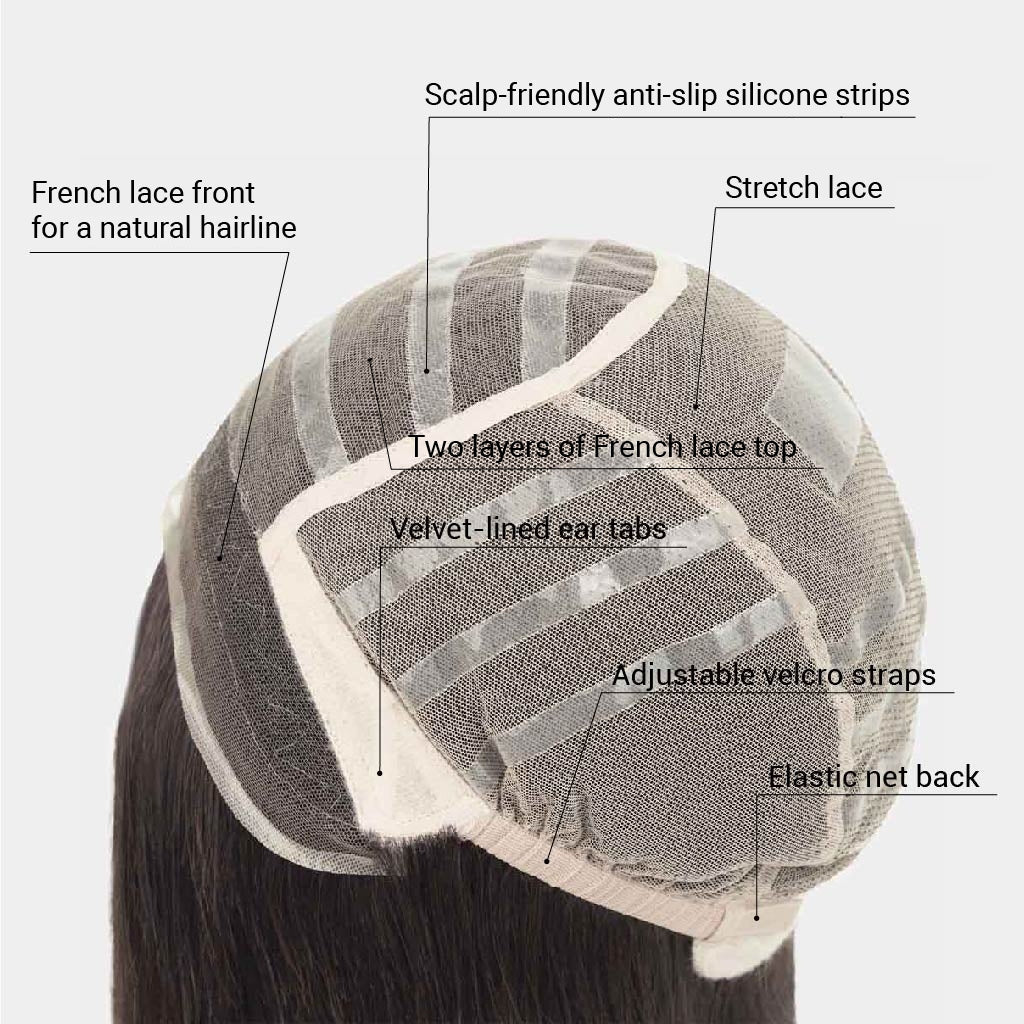
The magic of a monofilament wig is in its thoughtful design. The top is made of a transparent mesh that allows your natural skin tone to show through, which is what makes the parting look so incredibly realistic. This is a key feature for anyone with significant thinning or complete hair loss. Monofilament caps also come in two main variations: single and double. A single monofilament cap has one layer of that sheer mesh. A double monofilament cap adds a second, softer layer underneath, providing extra protection and comfort for a sensitive scalp, which many of our clients appreciate during or after medical treatments. We can explore both options during your private consultation.
Monofilament vs. Standard Caps: What's the Difference?
The primary difference between a monofilament wig and a standard cap wig lies in how they are made and how they look. Monofilament caps are hand-tied, which gives you incredible styling freedom and a very natural appearance. Standard caps, on the other hand, are typically machine-made. While functional, they often lack the realism and multi-directional parting that a monofilament cap provides. For a cranial prosthesis, where comfort and a natural look are the highest priorities, a monofilament cap is almost always the superior choice. This construction is designed to look and feel like your own hair, giving you one less thing to worry about.
Why Choose a Monofilament Cranial Prosthesis?
When you're choosing a medical wig, the way it's made is just as important as the hair itself. A monofilament cranial prosthesis is often recommended for patients experiencing hair loss because its unique construction offers benefits that go beyond appearance. This design focuses on providing a natural look, superior comfort for sensitive skin, and the freedom to style your hair how you want. These features can make a significant difference in your daily comfort and confidence. Let's look at exactly why this type of cap might be the perfect solution for you.
A Realistic Scalp and Natural Parting
The most remarkable feature of a monofilament cap is its incredibly realistic appearance. The top portion is made of a sheer, breathable mesh material where each individual hair is meticulously hand-tied. This careful process creates the illusion that the hair is growing directly from your own scalp. When you look down at your part, you see a natural-looking scalp, not a fabric base. This detail provides a level of realism that is simply unmatched by standard wig caps. It also means you can part your hair in any direction, giving you the freedom to change your look from a center part one day to a side part the next.
Designed for Comfort and Sensitive Scalps
If you're undergoing chemotherapy or have a condition like alopecia, your scalp can become extremely sensitive. Comfort is not a luxury; it's a necessity. Monofilament caps are designed with this in mind. The soft, fine mesh material is gentle and less likely to irritate the skin. For those with total hair loss or heightened sensitivity, a double monofilament cap offers an extra layer of soft fabric for added protection and comfort. During a private consultation, we can assess your specific needs and help you decide if a single or double monofilament cranial prosthesis is the best choice to ensure you feel comfortable all day long.
Style Your Hair in Any Direction
Regaining a sense of normalcy and control is a powerful part of the healing process. A monofilament cranial prosthesis gives you back the freedom to style your hair your way. Because each hair is individually knotted, it can move freely in any direction, just like natural hair. You are not limited to a pre-set part or style. You can create a deep side part, sweep the hair straight back off your face, or try a subtle zig-zag part. This versatility allows you to express your personal style and adapt your look for any occasion, helping you feel more like yourself again. You can learn more about customization options in our frequently asked questions.
Types of Monofilament Cranial Prostheses: Which Is Right for You?
When you start looking at monofilament medical wigs, you'll notice a few different types. Each one is designed with specific needs in mind, from scalp sensitivity to styling preferences. Understanding these options will help you and your cranial prosthesis specialist choose the perfect foundation for your new hair. The main differences are in the layers of material used and where the monofilament is placed. Let's walk through the most common constructions so you can feel confident in your choice.
Single Monofilament
A single monofilament cranial prosthesis has one layer of sheer, mesh-like material at the top or crown. Hairs are individually hand-tied to this mesh, which creates the appearance of natural hair growth right from the scalp. This construction allows you to part the hair in any direction, offering wonderful styling flexibility and a very realistic look. If you want a medical wig that provides a natural-looking scalp and versatile parting, a single mono top is an excellent and popular choice. It strikes a great balance between realism and simplicity.
Double Monofilament
For those with very sensitive scalps, a double monofilament cap offers an incredible level of comfort. This design features a second, softer layer of material underneath the primary monofilament mesh. This extra lining acts as a protective barrier, preventing any of the hand-tied knots from irritating your skin. It’s an ideal solution for patients experiencing significant hair loss from chemotherapy or alopecia, as it provides the most gentle and comfortable fit possible. This added layer ensures your cranial prosthesis feels as good as it looks, allowing you to wear it with confidence all day long.
Monofilament Top with a Lace Front
A cranial prosthesis with a monofilament top and a lace front gives you the best of both worlds. You get the natural-looking scalp and multi-directional parting from the monofilament crown, plus an invisible hairline from the lace front. The sheer lace material extends across the forehead, and hairs are tied to it one by one, creating a seamless transition from your forehead to your hairline. This feature is perfect if you love to style your hair off your face, as it ensures no one will see where the medical wig begins.
100% Hand-Tied Monofilament
A 100% hand-tied monofilament cap is the most premium and realistic option available. In this construction, every single hair is meticulously knotted by hand onto a soft, comfortable monofilament base. This painstaking process allows the hair to move and flow just like your own biological hair would, offering unmatched natural movement from every angle. Because of their intricate craftsmanship, these monofilament human hair wigs provide the ultimate in styling freedom and a truly undetectable appearance, making them a preferred choice for many seeking the highest quality cranial prosthesis.
Choosing Your Monofilament Medical Wig: 4 Key Factors
Finding the right medical wig is a personal process, and a monofilament cap is an excellent choice for its natural look and feel. As you begin your search, it’s helpful to focus on a few key areas to ensure you select a cranial prosthesis that meets your needs for comfort, appearance, and lifestyle. From the type of hair used to the way you’ll cover the cost, considering these factors will help you make a confident and informed decision. Let’s walk through the four most important things to keep in mind when choosing your monofilament medical wig.
Selecting Your Hair Type
When choosing a monofilament cranial prosthesis, one of the first decisions you'll make is about the hair itself. Most medical wigs are available in either high-quality synthetic fibers or 100% human hair. While synthetic options have improved over the years, many patients prefer human hair for its unmatched natural appearance and styling versatility. Each strand of hair in our human hair cranial prostheses is hand-tied to the monofilament base, creating the illusion that the hair is growing directly from your scalp. This meticulous construction allows you to part and style the hair just as you would your own, offering a sense of normalcy and confidence during a challenging time.
Prioritizing a Secure Fit and Scalp Comfort
For anyone experiencing hair loss from medical treatments or conditions like alopecia, scalp sensitivity is a primary concern. A well-fitting cranial prosthesis should feel secure without being tight or causing irritation. Monofilament caps, especially double monofilament designs, are created for superior comfort. The soft, silky inner layer provides a gentle barrier between the cap and your scalp, preventing any scratchiness. During a professional consultation, a cranial prosthesis specialist will take precise measurements of your head to ensure your medical wig fits perfectly, giving you peace of mind and allowing you to go about your day without worry.
Understanding the Cost
The cost of a monofilament medical wig can vary significantly, reflecting the quality of materials and the craftsmanship involved. Prices can range from a couple hundred dollars for synthetic models to several thousand for premium, 100% hand-tied human hair prostheses. While the initial investment for a high-quality human hair wig is higher, it’s important to view it as an investment in your comfort and well-being. The hand-tied construction, natural appearance, and durability of a premium cranial prosthesis provide value that goes far beyond the price tag. For more details on what to expect, our FAQs page offers additional information.
Does Insurance Cover a Monofilament Cranial Prosthesis?
Yes, in many cases, health insurance will cover the cost of your medical wig. When prescribed by a doctor for hair loss caused by a medical condition, a wig is referred to as a "cranial prosthesis." Many insurance plans, including Medicare, Medicaid, and private providers like BCBS and Aetna, recognize this as durable medical equipment. The key is to get a prescription from your physician and work with a specialist who can provide you with the necessary documentation for your claim. We can help you understand the process and work with your provider to secure insurance coverage for your cranial prosthesis, making it more accessible.
How to Care for Your Monofilament Cranial Prosthesis
Your monofilament cranial prosthesis is an important investment in your comfort and confidence, and with the right care, it will continue to look beautiful and feel natural for a long time. Taking care of your medical wig doesn’t have to be complicated. By following a few simple steps for washing, drying, and storing your prosthesis, you can protect its delicate construction and keep the hair looking its best. Think of it as a simple routine that protects the quality and longevity of your piece.
Washing and Detangling Your Prosthesis
Because each hair in a monofilament cap is individually hand-tied, your prosthesis requires a gentle touch to prevent shedding or damage. When washing, always use a sulfate-free shampoo specifically made for human hair wigs. Lather the shampoo in your hands before gently applying it to the hair in a downward motion. Avoid scrubbing the cap itself. To detangle, a wide-tooth comb is your best friend. Gently work through any tangles starting from the ends of the hair and moving up toward the base. This method prevents pulling on the delicate, hand-tied knots that give monofilament top wigs their realistic appearance.
How to Properly Dry and Store Your Prosthesis
After washing, resist the urge to wring or rub your cranial prosthesis. Instead, gently blot the excess water with a soft towel. The best way to dry your medical wig is to let it air dry completely on a wig stand or mannequin head. This helps maintain the cap’s intended shape and prevents the hair fibers from being damaged. Avoid using blow dryers or other heated styling tools, as high heat can harm the delicate monofilament material and the hair. Proper storage is just as important. When you’re not wearing your prosthesis, keeping it on a wig stand will prevent tangling and help it stay ready to wear. You can find more tips on our frequently asked questions page.
Tips for Extending the Life of Your Medical Wig
Monofilament cranial prostheses are designed to be durable, but a consistent care routine is the secret to extending their lifespan. The most important things you can do are to use products formulated for medical wigs and to store your piece correctly. By sticking to gentle, wig-safe shampoos and conditioners and always placing your prosthesis on a wig stand when not in use, you protect the cap’s integrity and the hair’s quality. These simple habits make a significant difference. During your private cranial prosthesis consultation, we can walk you through a personalized care routine for the specific piece you choose, ensuring you feel confident in caring for it at home.
Find Your Monofilament Cranial Prosthesis Specialist in NYC
Finding the right support system is a critical step in your hair loss journey, and that includes choosing a cranial prosthesis specialist in New York City. You need more than just a wig seller; you need a compassionate expert who understands the nuances of medical hair loss and the technical aspects of a monofilament cranial prosthesis. A true specialist will provide a private, comfortable environment where you can openly discuss your needs and find a solution that restores your confidence.
When you begin your search, look for a provider who focuses exclusively on medical-grade hair prostheses. This ensures they have the experience to address concerns like scalp sensitivity and a secure fit, which are top priorities after chemotherapy or with conditions like alopecia. The right specialist will also guide you through the different cap constructions, including monofilament tops, to find the most natural and comfortable option for you.
A key part of this process is handling the financial details. The best specialists are well-versed in the insurance process and can help you understand your benefits and submit the necessary claims. Here at NYC Medical Wigs, we believe this process should be as stress-free as possible. We regularly work with providers like Aetna, Cigna, and others to help our clients secure coverage. If you're ready to find a monofilament cranial prosthesis that feels like it was made just for you, we invite you to book a private consultation with us. We’re here to guide you every step of the way.
Related Articles
- Your Guide to a Cranial Prosthesis Specialist Near Me
- Cranial Prosthesis vs. Wig: What's the Difference?
- Medical Wig Covered by Insurance: The Complete Guide
- Cranial Prosthesis: Why Medical Wigs Matter and How NYC Medical Wigs Makes It Simple
- The Ultimate Guide to Custom Wigs in NYC
Frequently Asked Questions
What is the real difference between a single and a double monofilament cap? The main difference is an extra layer of soft fabric. A single monofilament cap has one sheer layer where hairs are hand-tied, which looks very natural. A double monofilament cap adds a second, silkier layer underneath. This addition provides a protective barrier that is incredibly gentle on the skin, making it an ideal choice if your scalp is especially sensitive from medical treatments.
Can I really part a monofilament medical wig anywhere I want? Yes, you absolutely can. The magic of a monofilament top is that each hair is individually knotted onto a sheer mesh base. This construction allows the hair to move freely and naturally, just like your own would. You can easily switch from a center part to a side part without anyone noticing, which gives you wonderful styling freedom and helps you feel more like yourself.
Will a monofilament cranial prosthesis feel hot or uncomfortable to wear all day? This is a very common and valid concern. Monofilament caps are specifically designed with comfort in mind, using a lightweight and breathable mesh that allows for good air circulation to your scalp. While any head covering will add some warmth, these are far more comfortable than traditional wig caps. A proper, professional fitting is also key to ensuring your medical wig feels secure and comfortable, not tight or irritating.
How do I start the process of getting my cranial prosthesis covered by insurance? The first step is to get a prescription for a "cranial prosthesis" from your doctor. This is the medical term for a wig needed due to hair loss from a medical condition. Once you have your prescription, the next step is to schedule a consultation with a cranial prosthesis specialist. We can then help you select the right piece and will handle the submission of all the necessary documentation to your insurance provider for you.
Why is it so important to see a specialist instead of just buying a wig online? Seeing a cranial prosthesis specialist ensures your medical wig is right for you in every way. An online purchase can't provide a precise fitting, which is essential for comfort and security. A specialist will take your measurements, help you choose the best cap construction for your level of scalp sensitivity, and provide expert guidance on hair types. Most importantly, a specialist can manage the entire insurance claim process, which is a service you won't find when buying from a general online retailer.