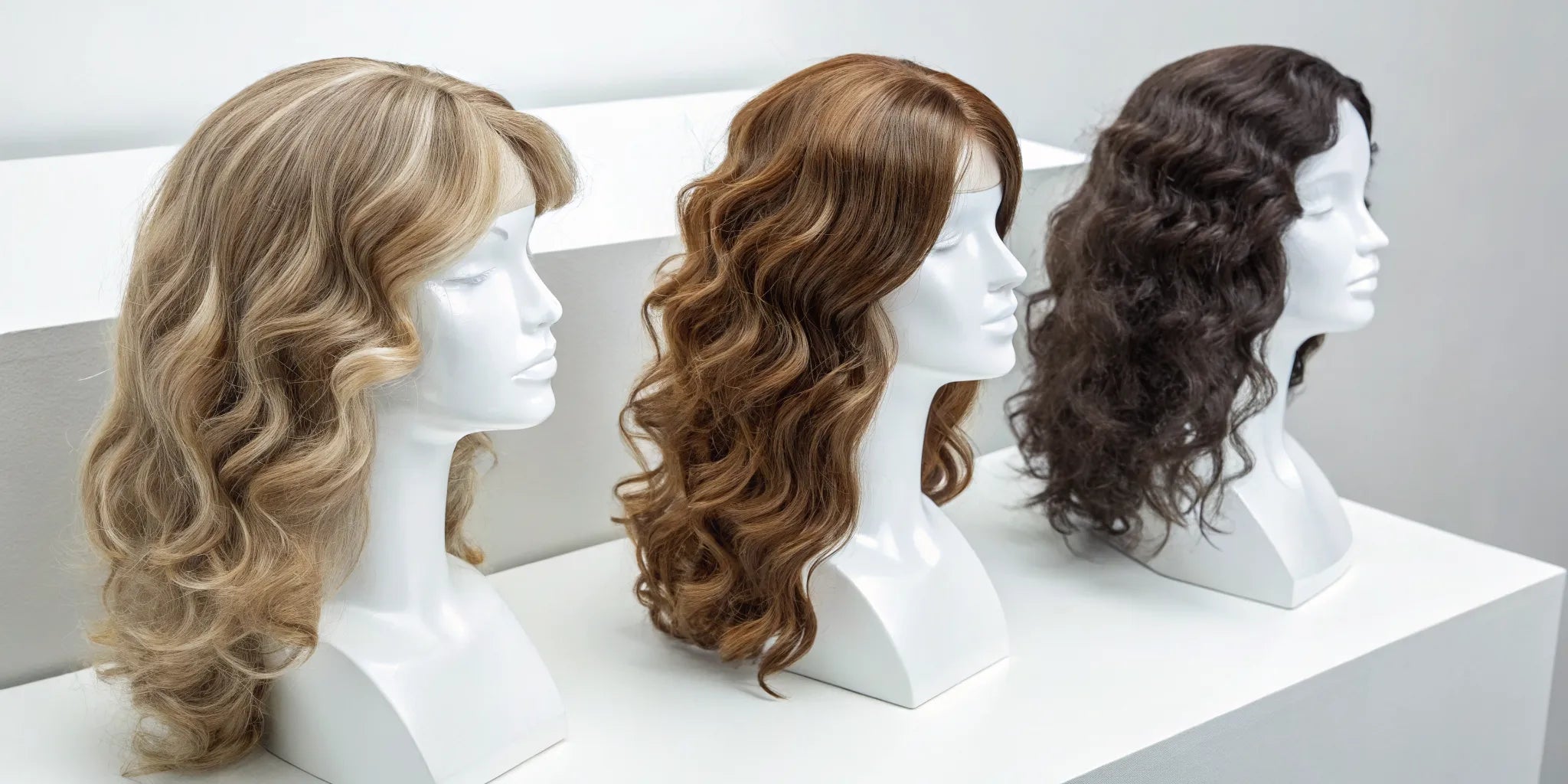
Choosing a Shoulder Length Wig for Hair Loss
Maintaining your personal style is a powerful way to hold on to your identity during a period of medical hair loss. A shoulder-length cranial prosthesis offers a beautiful canvas for self-expression, providing a look that is both chic and easy to manage. This length is the perfect middle ground; it’s long enough to put into a low ponytail but short enough to avoid tangling and require minimal daily care. A human hair shoulder length wig, designed as a cranial prosthesis, gives you the freedom to add soft layers or bangs and use gentle heat styling to make the look entirely your own. Let’s explore the ways you can personalize this timeless style to feel confident and beautiful.
Key Takeaways
- A shoulder-length style offers balance: It provides the perfect blend of style and practicality, giving you a classic look that is easy to care for, which is an important consideration when managing your health.
- Cap construction is key to comfort and realism: Look for features like a lace front for a natural hairline and a monofilament top for a realistic scalp appearance; these details are what make a medical wig feel secure and look undetectable.
- Take the right steps for insurance and longevity: Start by getting a prescription for a "cranial prosthesis" from your doctor to begin the insurance process, and commit to a simple care routine to keep your medical wig looking its best.
What Is a Shoulder-Length Cranial Prosthesis?
If you’re exploring options for medical hair loss, you have likely come across the term “cranial prosthesis.” A shoulder-length
The shoulder-length cut is a popular and practical choice for many reasons. It offers a timeless look that is long enough to feel feminine and versatile, yet short enough to be manageable for daily wear. This length beautifully frames the face and rests gently on the shoulders, mimicking the movement and feel of natural hair. Unlike pieces you might find in a typical store, a cranial prosthesis is built with medical-grade materials for a secure and breathable fit, which is essential for all-day comfort.
Ultimately, the purpose of a shoulder-length cranial prosthesis is to help you feel like yourself again. It is a tool that provides not only coverage but also a renewed sense of confidence and normalcy during a challenging time. As a cranial prosthesis specialist, my goal at NYC Medical Wigs is to help you find a piece that feels secure, looks completely natural, and allows you to face your day with confidence.
Human Hair vs. Synthetic: Which Is Right for You?
One of the first decisions you'll make when choosing a medical wig is selecting the fiber: human hair or synthetic. There's no single "best" choice; the right option for you depends entirely on your lifestyle, budget, and personal preferences. Both materials have come a long way, and high-quality versions of each can provide a beautiful, natural-looking result. Understanding the key differences will help you feel confident in your selection. As a cranial prosthesis specialist, my goal is to guide you toward the hair prosthesis that feels most like you. Let's walk through the benefits of each so you can make an informed decision for your needs.
The Case for Human Hair: A Natural Look and Feel
Many of our clients choose human hair for its unmatched realism. A cranial prosthesis made from 100% human hair moves, shines, and feels just like biological hair. This can be incredibly comforting when you're navigating medical hair loss. The primary advantage is its versatility. You can color, cut, and heat-style a human hair prosthesis just as you would your own hair, allowing you to maintain your signature look or try something new. This adaptability makes it a preferred option for long-term wear, as it truly becomes an extension of your personal style. You can explore our human hair cranial prostheses to see the quality and range available.
When to Consider Synthetic: Affordability and Maintenance
Modern synthetic hair is remarkably advanced and shouldn't be overlooked. High-quality synthetic fibers are designed to mimic the look and feel of natural hair, often at a more accessible price point. The biggest benefit for many of our clients, especially those undergoing treatment, is how low-maintenance they are. Synthetic medical wigs have "style memory," meaning they hold their shape after washing and require minimal styling. If you're looking for a practical, grab-and-go solution that always looks put-together without much effort, a synthetic prosthesis can be an excellent and stress-free choice.
How Your Choice Affects Price and Longevity
It’s important to balance cost with durability. Human hair cranial prostheses are an investment. They have a higher upfront cost but can last for a year or longer with proper care, making them a durable long-term solution. Synthetic medical wigs are more budget-friendly, but typically have a shorter lifespan of around four to six months. When making your decision, consider that features like a lace front for a natural hairline or a monofilament top for a scalp-like appearance will also affect the final price. We can discuss how these factors align with your budget and explore your options for insurance coverage for your cranial prosthesis.
Exploring Popular Shoulder-Length Styles
Shoulder-length cranial prostheses are a wonderful and popular choice for many of our clients. This length offers the perfect balance of style and manageability, giving you enough hair to feel feminine and versatile without the high maintenance that can come with longer styles. It’s a timeless look that provides beautiful coverage and can be adapted to feel just like your own hair. Whether you wore your hair at this length before your hair loss or you’re looking for a fresh start, a shoulder-length medical wig is an incredibly practical and elegant option that works for so many women.
During a period of medical hair loss, choosing a hair prosthesis is about more than just appearance; it’s about finding a piece that helps you feel comfortable and confident in your own skin. The beauty of a shoulder-length cut is its adaptability. It can be styled to look professional, casual, or formal, moving with you throughout your day without feeling cumbersome. At NYC Medical Wigs, we can help you explore our curated selection of human hair cranial prostheses to find a shoulder-length style that not only looks natural but also feels like an authentic part of you. The goal is to find a solution that brings you comfort and a sense of normalcy during a challenging time.
Add Movement with Layers
Layers can completely transform a shoulder-length medical wig, giving it natural movement and dimension. A one-length cut can sometimes look heavy or artificial, but incorporating soft, subtle layers helps the hair fall more realistically, mimicking the way natural hair grows and moves. This technique removes bulk, adds texture, and creates a softer silhouette around your face. For anyone seeking a cranial prosthesis that looks truly undetectable, layers are a key feature to consider. They help the piece blend seamlessly and prevent it from looking "wiggy," ensuring you feel confident in your appearance.
Frame Your Face with Bangs
Bangs are a fantastic addition to a shoulder-length cranial prosthesis, especially for those concerned about a natural-looking hairline. A soft fringe or side-swept bang can beautifully frame your face, soften your features, and draw attention to your eyes. More importantly, bangs provide excellent coverage for the front edge of the wig cap, offering an extra layer of security and confidence. During a private consultation, we can discuss whether bangs are a good fit for your face shape and lifestyle, helping you choose a style that makes you feel comfortable and completely at ease.
Choose Your Texture: Straight, Wavy, or Curly
The texture of your cranial prosthesis plays a huge role in how much it feels like you. Shoulder-length styles are available in a variety of textures, from sleek and straight to soft waves or bouncy curls. Many of our clients choose a texture that matches their natural hair, which can be a comforting way to maintain their sense of identity. Others see this as an opportunity to try something new. A human hair prosthesis allows you the flexibility to style it as you wish, but choosing a base texture that you love makes daily wear much simpler and more enjoyable.
What to Look for in Your Cap Construction
When you’re choosing a cranial prosthesis, the inside is just as important as the outside. The cap construction is the foundation of your medical wig, and it directly impacts how natural it looks and how comfortable it feels against your scalp. For anyone experiencing hair loss from a medical condition, comfort and a realistic appearance are non-negotiable. Understanding a few key features, like lace fronts and monofilament tops, will help you select a hair prosthesis that not only looks beautiful but feels like it was made just for you. These details make all the difference in wearing your piece with confidence all day long.
Lace Fronts for a Natural Hairline
A lace front is a game-changer for achieving an undetectable hairline. This feature uses a delicate, sheer lace material along the front of the cranial prosthesis, where individual hairs are hand-tied to create the illusion of natural hair growth. This means you can style your hair away from your face without ever worrying about a harsh, visible edge. The lace blends seamlessly with your skin, providing a soft, natural transition that is virtually invisible. Many of the pieces in our collection feature a lace front, giving you the freedom and confidence to wear your hair in any style you choose.
Monofilament Tops for a Realistic Part
Have you ever admired how hair seems to grow right from the scalp, even at the part? That’s the magic of a monofilament top. In this type of cap construction, each hair is individually hand-tied to a soft, transparent mesh material at the crown or across the entire top of the wig. This meticulous process allows you to part your hair in any direction, just as you would with your own biological hair. It provides incredible styling versatility and ensures your scalp looks completely natural from every angle, which is a key feature we discuss during a cranial prosthesis consultation.
Why Comfort Is Key for a Medical Wig
Comfort is not a luxury; it's a requirement for a medical wig. If you're dealing with a sensitive scalp due to chemotherapy, alopecia, or another condition, the last thing you need is an itchy, irritating cap. This is why hand-tied caps are often the best choice for a cranial prosthesis. In a fully hand-tied cap, every single hair is knotted by hand onto a soft, breathable base. This makes the wig incredibly lightweight, cool, and flexible, allowing it to conform gently to the shape of your head. As a cranial prosthesis specialist, I always prioritize a construction that ensures you can wear your piece for hours without discomfort.
Achieving a Natural Look and Feel
When you’re choosing a medical wig, the goal is for it to feel like an extension of you. You want hair that moves naturally, looks realistic, and feels comfortable from morning to night. Shoulder-length cranial prostheses are fantastic for this, as their length allows for beautiful, natural movement that mimics biological hair. But the real secret to a wig that looks and feels completely natural lies in the details of its construction. The right fit, cap design, and hair density are what transform a hairpiece into a part of your identity.
Ensuring a Secure and Comfortable Fit
When you're wearing a cranial prosthesis every day, comfort is non-negotiable. A secure fit is the foundation of your confidence, ensuring your wig stays perfectly in place without pinching, itching, or slipping. For those with sensitive scalps from chemotherapy or alopecia, the cap construction is especially important. Hand-tied caps, for example, are incredibly gentle, as each hair is individually knotted to a soft material. This creates a comfortable fit and allows the hair to move just like your own. A professional consultation is the best way to get an accurate measurement and find a cap that feels custom-made for you.
Understanding Wig Density and Breathability
Wig density refers to the amount of hair on the cap, and getting it right is key to a believable look. A density that matches your natural hair prevents your cranial prosthesis from looking too bulky or too thin. Breathability is just as crucial for all-day comfort. Many medical wigs are made with lightweight, open-wefted caps that allow air to circulate, keeping your scalp cool. Monofilament tops use a sheer mesh material that not only looks like a real scalp but also provides excellent airflow. Understanding these features helps you choose a cranial prosthesis that feels as good as it looks, even after hours of wear.
Is a Shoulder-Length Style Right for You?
Choosing a style for your cranial prosthesis is a deeply personal decision. While factors like hair type and cap construction are important, the length and cut are what you’ll see in the mirror every day. A shoulder-length medical wig is an incredibly popular and versatile choice for a reason. It offers the feeling of having longer hair without the extra maintenance that can come with it, which is a practical consideration when you’re managing your health. This length strikes a beautiful balance, providing enough hair to style in a low ponytail while being short enough to avoid tangling on your collar or clothing.
Finding a style that makes you feel like yourself is the ultimate goal. It’s about more than just covering hair loss; it’s about restoring a piece of your identity and confidence. Think about your daily routine, your comfort level, and the look that will bring a smile to your face. During your private cranial prosthesis consultation, we can explore different shoulder-length options together to find the one that fits you and your life perfectly. We’ll help you consider all the angles, from how it frames your face to how it will fit into your day-to-day activities.
Flattering Your Face Shape
While the most important rule is to choose what makes you feel good, it can be helpful to know how certain cuts complement different face shapes. Shoulder-length styles are wonderfully adaptable and tend to look great on nearly everyone, especially those with oval or square face shapes. If you want a little guidance, consider these tips: for a rounder face, adding soft layers can create more dimension and length. For a heart-shaped face, a long bob (or "lob") that ends at or just below the chin can be very flattering. If you have a diamond-shaped face, wispy layers or soft bangs can beautifully soften your features. Remember, these are just starting points. We can customize any medical wig to create the perfect look for you.
Matching Your Wig to Your Lifestyle
A shoulder-length cranial prosthesis is often the perfect intersection of style and practicality. The length, which typically falls somewhere between your jawline and collarbone, is incredibly easy to care for. It’s long enough to feel feminine and versatile but short enough that it won’t get in your way during a busy day of appointments or errands. This manageability is a significant advantage, especially if you’re experiencing low energy. You get the look of longer hair with less time spent on washing and detangling. Our collection of medical wigs includes many shoulder-length human hair options with features like lace fronts and monofilament tops, ensuring your prosthesis looks natural and feels comfortable enough for all-day wear.
Will Insurance Cover Your Cranial Prosthesis?
One of the most common questions we hear is whether health insurance will pay for a medical wig. The answer depends entirely on your specific insurance plan and provider. A cranial prosthesis, the medical term for a wig needed due to hair loss from a condition like alopecia or from chemotherapy, is sometimes covered. Unlike a wig you might buy for fashion, a cranial prosthesis is considered durable medical equipment (DME) by some insurers. This classification is key, as it's what opens the door for potential reimbursement.
The process can feel complicated, and it often requires persistence. However, you don't have to figure it all out alone. Understanding your policy and gathering the right paperwork are the most important first steps. As cranial prosthesis specialists, we guide our clients through this process every day. We can help you with the documentation you'll need from our end, making everything as smooth as possible. Let’s walk through what you can generally expect from different types of insurance providers so you feel prepared.
Understanding Medicare and Medicaid
When it comes to public insurance, the rules can be strict. Unfortunately, Medicare does not cover wigs or hairpieces, even when hair loss is caused by medical treatments like chemotherapy. They classify these items as cosmetic. For Medicaid, coverage is determined at the state level, which means the rules can differ significantly from one state to another. If you are a New York resident with Medicaid, you will need to check directly with the New York State Department of Health to see if a cranial prosthesis is a covered benefit under your specific plan. It's always worth a call to confirm your specific situation.
A Look at Private Insurance (BCBS, Aetna, Cigna, United)
Many private insurance plans, including those from major providers like Blue Cross Blue Shield (BCBS), Aetna, Cigna, and UnitedHealthcare, do offer coverage for cranial prostheses. However, coverage is never guaranteed and varies widely between plans. Most insurers will require documentation from your doctor confirming that your hair loss is a result of a medical condition or treatment, making the prosthesis medically necessary. It's important to review your specific policy details or call your provider directly to ask about their requirements for durable medical equipment and cranial prostheses.
How to Start the Insurance Process
To begin the insurance process, your first step is to get a prescription for a "cranial prosthesis" from your doctor. Make sure the prescription includes your diagnosis code. Next, you should contact your insurance company to confirm your benefits and ask exactly what paperwork they need for a claim. Once you have this information, we can provide you with a detailed invoice for your cranial prosthesis that includes the necessary codes and our business information. Always keep copies of all your documents and a record of every conversation you have with your insurance provider.
How to Care for Your Cranial Prosthesis
Your cranial prosthesis is more than just hair; it's a part of your daily life and a significant investment in your comfort and confidence. Giving it the proper care will ensure it looks beautiful and feels natural for as long as possible. Think of it like any other high-quality garment, it needs a little attention to stay in top shape. The right care routine helps maintain the integrity of the hair fibers, preserves the cap construction, and ultimately extends the life of your medical wig. This isn't about complicated, time-consuming chores. It's about simple, consistent habits that protect your piece and keep you feeling your best.
Whether your prosthesis is made from human hair or synthetic fibers will determine the specific products and techniques you should use. Human hair prostheses offer great styling versatility but require a bit more maintenance, similar to your own natural hair. Synthetic options are often easier to care for but have different rules, especially when it comes to heat. We understand that this can feel like a lot to remember, which is why we walk you through the specifics for your chosen piece during a personal consultation. Taking a few minutes each week to properly wash, condition, and store your prosthesis will make all the difference, keeping it looking as fresh as the day you first wore it.
Washing, Conditioning, and Detangling Tips
Keeping your cranial prosthesis clean is essential for both hygiene and appearance. As a general rule, plan to wash it every 7 to 10 wears. If you’re more active or use styling products, you may need to wash it more often. Always use a sulfate-free shampoo specifically designed for medical wigs to protect the hair fibers. After shampooing, apply a moisturizing conditioner, focusing on the mid-lengths and ends while avoiding the base of the cap to prevent loosening the knots. Let it sit for a few minutes before rinsing with cool water. To detangle, gently use a wide-tooth comb, starting from the ends and carefully working your way up to the roots. This method prevents stretching and breakage, keeping your human hair prosthesis soft and manageable.
Proper Storage and Heat Styling
How you store your cranial prosthesis is just as important as how you wash it. When you’re not wearing it, place it on a wig stand or mannequin head. This helps maintain the cap’s shape and keeps the hair from tangling or getting crushed. Store it in a cool, dry place away from direct sunlight, which can cause the color to fade over time. A breathable wig bag is also a great option, especially for travel. If you have a human hair medical wig, you have the flexibility to use heat tools for styling. Before you pick up a curling iron or straightener, always apply a heat protectant spray and use your tools on a low to medium heat setting to prevent damage. For more detailed guidance, our FAQ page offers additional tips for maintaining your prosthesis.
Find Your Perfect Medical Wig in NYC
Choosing a cranial prosthesis is a deeply personal decision, and you don’t have to make it alone. While the number of options can feel overwhelming, finding the right medical wig in NYC is much easier with expert guidance. Working with a cranial prosthesis specialist ensures you find a solution tailored to your specific medical needs, lifestyle, and personal taste. A private, one-on-one consultation provides a comfortable and supportive space to explore different styles without any pressure.
During your appointment at our NYC location, we can walk through our curated collection of human hair cranial prostheses. We can explore versatile shoulder-length styles, from classic bobs to modern looks with soft layers or bangs. We’ll also cover the technical aspects that make a medical wig truly comfortable and realistic. This includes examining different cap constructions, like an undetectable lace front for a natural hairline or a monofilament top that creates the illusion of hair growing directly from the scalp.
A proper fitting is one of the most critical steps. We will take precise measurements to ensure your cranial prosthesis is secure and comfortable enough for daily wear, which is essential for anyone with a sensitive scalp due to chemotherapy or alopecia. Our goal is to help you find a medical wig that not only looks beautiful but also feels like a part of you, restoring your sense of self and confidence. If you’re ready to find your perfect match, we invite you to schedule a consultation with us. We’re here to support you every step of the way.
Related Articles
- What Is a Cranial Prosthesis? A Complete Guide
- Medical Wig Cover: Your Step-by-Step Guide
- Cranial Prosthesis vs. Wig: What's the Difference?
- Your Guide to a Cranial Prosthesis Specialist Near Me
- Best Wigs for Alopecia: Guide, Insurance & Confidence
Frequently Asked Questions
What makes a cranial prosthesis different from a regular wig? A cranial prosthesis is a medical device designed specifically for individuals with hair loss due to medical conditions like alopecia or chemotherapy. Unlike a standard wig, its construction prioritizes scalp health and comfort. The materials used for the cap are softer, more breathable, and hypoallergenic to prevent irritation on a sensitive scalp. The fit is also customized to your specific measurements to ensure it feels secure all day without adhesives. Think of it as a prosthetic device for hair, created to meet a medical need, not just a cosmetic one.
What should I expect during my first cranial prosthesis consultation? Your first consultation is a private, supportive meeting where we focus entirely on your needs. We will talk about your lifestyle, your hair loss, and what you're looking for in a hair prosthesis. I will take your head measurements to ensure a perfect fit and show you different cap constructions, like lace fronts and monofilament tops, so you can feel the materials yourself. We will also explore different shoulder-length styles and human hair options from our collection. The goal is to answer all your questions in a comfortable space and help you find a solution that restores your confidence.
How long will my shoulder-length cranial prosthesis last? The lifespan of your hair prosthesis depends on the hair type and how you care for it. A human hair cranial prosthesis is a durable investment that can last for a year or even longer with the right maintenance. This includes gentle washing, proper conditioning, and correct storage. A synthetic medical wig typically has a shorter lifespan, usually around four to six months. During your consultation, we will give you detailed care instructions specific to the piece you choose to help you protect your investment and keep it looking beautiful.
What is the first step I should take to see if my insurance covers a medical wig? The very first step is to visit your doctor and ask for a prescription for a "cranial prosthesis." It is important that the prescription uses this exact term, not "wig," and includes the medical diagnosis code for your hair loss. Once you have the prescription, your next step is to call your insurance provider directly. Ask them about your plan's coverage for "durable medical equipment" (DME) and what their specific process is for submitting a claim for a cranial prosthesis.
Can a shoulder-length cranial prosthesis be customized to look like my own hair? Absolutely. Our goal is to create a look that feels completely authentic to you. A human hair cranial prosthesis can be professionally colored to match your specific shade and cut with layers or bangs to replicate your signature style. We can also select a texture, whether straight, wavy, or curly, that mirrors your natural hair. Working with a cranial prosthesis specialist ensures these customizations are done correctly to maintain the integrity of the piece while achieving a look that feels like your own.