Wig Maintenance: Human Hair Cranial Prosthesis Care
Wig Maintenance for Human Hair Cranial Prostheses
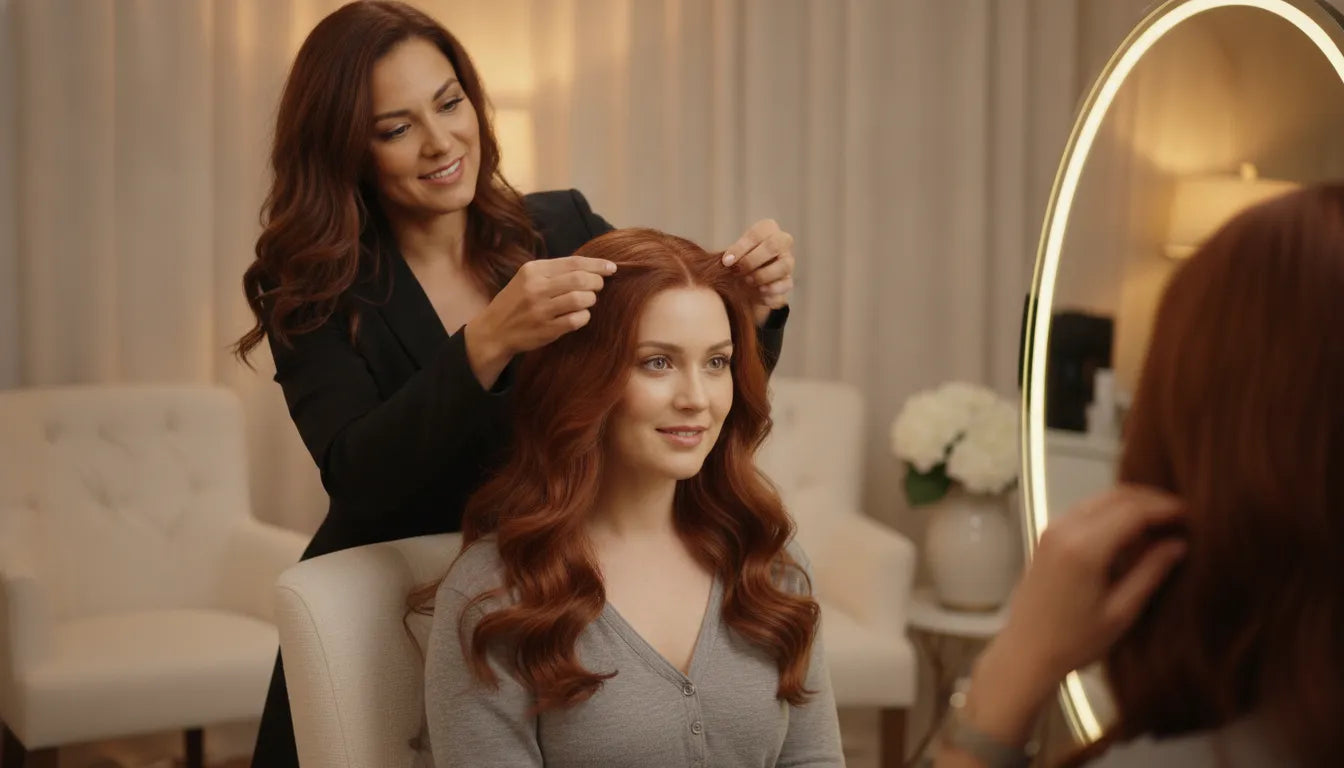
A human hair cranial prosthesis can support comfort, confidence, and daily routines during medically related hair loss. Gentle handling, suitable products, and consistent checks help protect the hair and prosthesis base. This guide explains wig maintenance for patients, caregivers, and families managing chemotherapy, alopecia, or other medical conditions.
Wig maintenance includes gentle detangling, careful washing, conditioning, complete drying, protective storage, and professional inspections. The right schedule depends on wear frequency, perspiration, climate, scalp comfort, and the condition of your cranial prosthesis.
At-home care works best when it is practical and flexible. NYC Medical Wigs helps patients understand which steps they can manage safely and when specialist support is appropriate. Consultations are available by appointment at the Bayonne, New Jersey studio and through virtual guidance.
What Does Wig Maintenance Include for a Cranial Prosthesis?
Wig maintenance for a cranial prosthesis protects human hair, base construction, fit, and scalp comfort over time. It is a medical hair solution care plan, not a generic styling routine. Each part matters because rough handling or delayed repairs can affect comfort and usability.
A cranial prosthesis is designed for people experiencing medically related hair loss. If you are still learning what a cranial prosthesis is, understanding its construction can make daily care feel more manageable. NYC Medical Wigs, led by Jamiese Drax, approaches maintenance with patient needs, caregiver questions, and long-term wear in mind.
Protect the hair and base
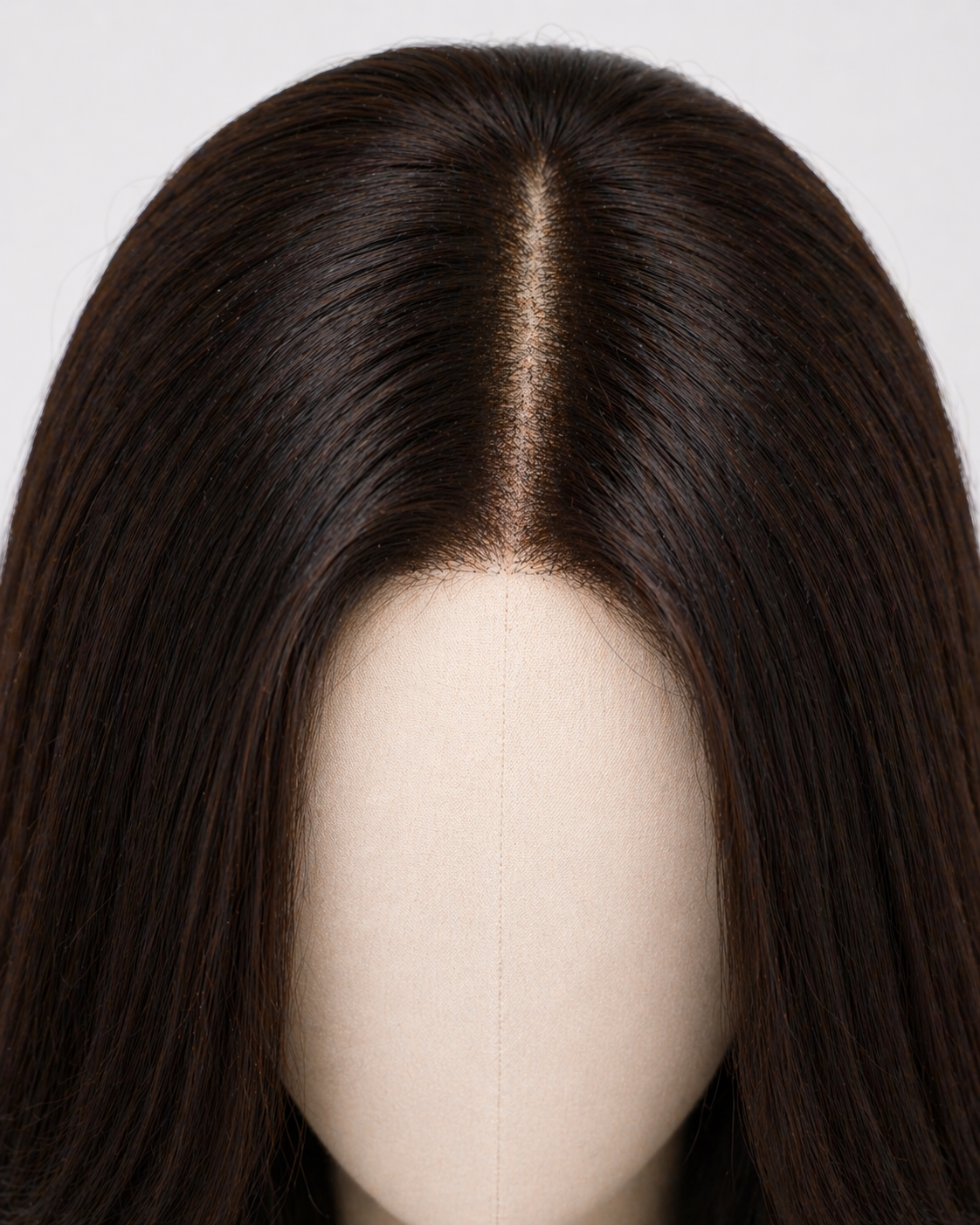
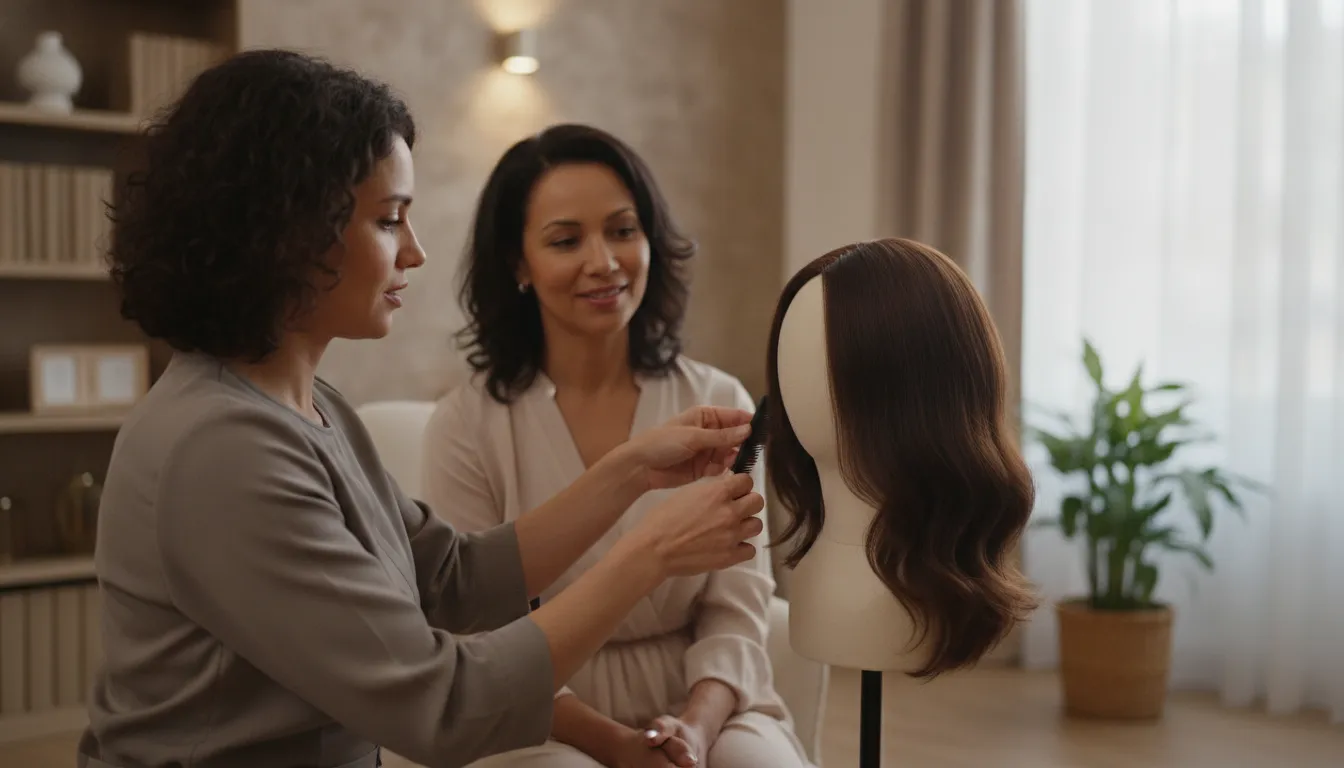
Human hair can become dry, tangled, or difficult to manage when exposed to friction, heat, moisture, or repeated tension. Lace, monofilament areas, seams, clips, and other base features also require careful handling. Hold the prosthesis by its base when lifting or removing it, rather than pulling the hair.
- Hair care: Detangle from the ends upward and use products intended for human hair prostheses.
- Base care: Check for fraying, lifting, loosened areas, or visible wear before each detailed maintenance session.
- Fit awareness: Notice slipping, pressure, gaps, or changes in comfort during ordinary movement.
- Scalp comfort: Seek professional guidance for persistent irritation, tenderness, itching, or rubbing.
General care recommendations should be adjusted to the specific prosthesis and the patient's medical circumstances. A specialist can explain which products, attachment methods, and cleaning intervals suit a particular base. Avoid experimenting with repairs when delicate lace or a medical attachment area is involved. This guidance supports routine care, but it does not replace advice from your healthcare team.
How Can a Wig Maintenance Routine Protect Human Hair?
A calm daily routine reduces unnecessary pulling, catches small changes early, and helps a human hair prosthesis remain manageable. Daily care does not require repeated restyling. It focuses on gentle handling, scalp comfort, and a quick inspection of the hair and base.
Before handling the prosthesis, wash and dry your hands. Work in a well-lit area where you can see tangles, seams, and attachment points clearly. Give yourself enough time to avoid rushing, especially on days when treatment or recovery limits your energy.
- Check the base first. Look for shifted, rough, loose, or uncomfortable areas before brushing or combing.
- Detangle gradually. Support the hair with one hand and begin at the ends using minimal tension.
- Protect delicate areas. Avoid pulling across lace, knots, clips, tabs, or other attachment features.
- Monitor the scalp. Notice heat, friction, pressure, tenderness, or itching beneath the prosthesis.
- Limit unnecessary handling. Humidity can increase frizz, so allow the hair to settle before repeated brushing.
- Record meaningful changes. Note new shedding, dryness, matting, odor, or a change in fit.
Some days may require only a base check and gentle finger separation. Other days may allow a more thorough detangling session. This flexible approach helps patients protect the prosthesis without making daily wear feel like another demanding task.
Scalp discomfort deserves attention rather than endurance. Remove the prosthesis when appropriate, allow the scalp to rest, and contact a qualified specialist if discomfort continues. Medical treatment, medication changes, and natural hair growth can all affect how a cranial prosthesis feels.
How Often Should You Wash and Condition a Medical Wig?
Many active users begin with a gentle wash every 7 to 14 days, then adjust the interval to wear, perspiration, products, and comfort. This range is general guidance, not a universal rule. Occasional wear may require less frequent washing, while heavy activity or buildup may require earlier cleansing.
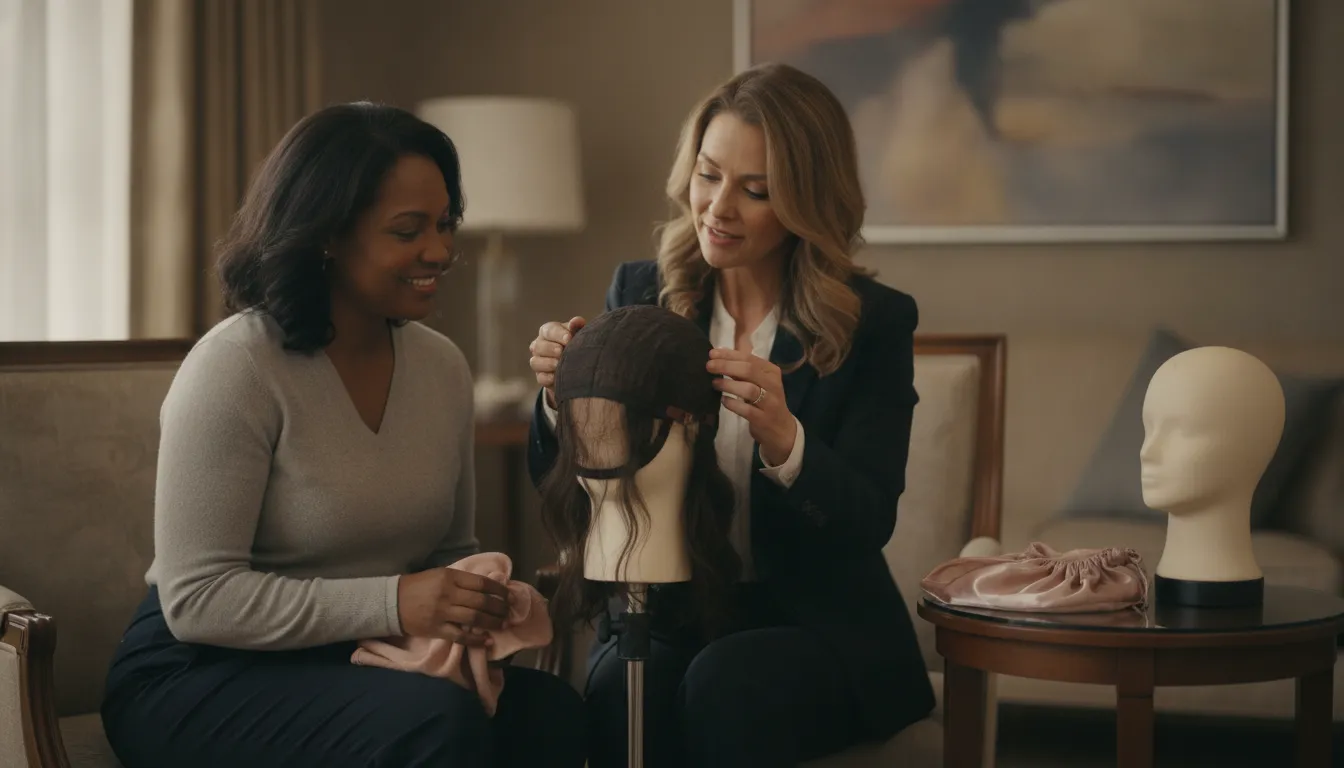
Choose shampoo and conditioner formulated for human hair wigs or prostheses. Regular household products may not provide the moisture balance or gentle cleansing needed for a medical hair solution. A specialist can recommend products based on the hair, base, and any attachment materials.
Prepare before washing
- Place the dry prosthesis on a stable surface or approved stand.
- Detangle from the ends upward before water reaches the hair.
- Keep clips, lace, knots, and attachment areas free from unnecessary tension.
- Use cool or lukewarm water rather than very hot water.
Cleanse and condition gently
Allow water to flow in the direction of the hair. Apply a small amount of specialized shampoo, then distribute it through the strands without rubbing, scrubbing, bunching, or twisting. Keep heavy product away from the cap and attachment areas unless your specialist advises otherwise.
Rinse until the product is fully removed, then apply conditioner mainly to the mid-lengths and ends. Follow the product directions and rinse thoroughly. If residue remains, repeat the gentle process rather than increasing pressure or friction.
Dry without unnecessary heat
Support the prosthesis and lightly squeeze away excess water. Do not wring, twist, or scrub wet hair with a towel, because wet strands are especially vulnerable to tangling and breakage. Position the prosthesis on a proper stand and allow it to air-dry completely when possible.
If heat is genuinely necessary, use a thermal protectant and the lowest practical setting. Keep heat away from delicate lace, the cap, and attachment areas. Stop home care and seek guidance if the hair mats despite gentle washing or the base develops an unusual odor.
What Storage Habits Help Preserve a Cranial Prosthesis?
Store a completely dry cranial prosthesis on a supportive stand in a clean, cool, low-friction area. Proper storage helps protect the hair's shape, reduce tangling, and limit moisture-related stress on the base. It also makes the next wearing easier and more predictable.
Keep the prosthesis away from direct sunlight, radiators, hot cars, steamy bathrooms, and crowded drawers. Excess heat and humidity can affect human hair and delicate base materials. Choose a stand that supports the cap without stretching it.
- Remove loose pins, clips, or approved attachment materials according to specialist instructions.
- Use a breathable cover when dust protection is needed, never sealing damp hair inside plastic.
- Keep the stand on a stable surface where the prosthesis cannot fall or become compressed.
- Separate the prosthesis from jewelry, rough fabrics, fasteners, and other snagging surfaces.
- Use a structured case for travel and keep the dry prosthesis away from luggage pressure.
Before storing the prosthesis, allow both the hair and cap to dry fully. If the hair needs detangling, work from the ends upward and support the base. A little preparation after each wearing can prevent more involved care later.
Heat styling should remain limited and deliberate. Apply thermal protectant, keep the temperature low, and avoid prolonged heat near lace or attachment areas. Ask your specialist whether heat is suitable for your particular human hair cranial prosthesis.
When Should You Schedule Professional Wig Maintenance?
Schedule professional wig maintenance when home care no longer resolves tangling, dryness, fit changes, base wear, or persistent scalp discomfort. Early attention can help distinguish ordinary wear from a repair or fit concern. It can also reduce the risk of making delicate construction harder to restore.
NYC Medical Wigs provides ongoing support for human hair cranial prostheses, including professional servicing, deep conditioning, and minor lace repair guidance when appropriate. The Bayonne studio is located at 347A Broadway by appointment. NYC-area patients may also ask about virtual consultation options when travel is difficult.
Signs your prosthesis may need specialist attention
- Persistent tangling: Repeated knots or matting may indicate dryness or accumulated wear.
- Dry or brittle hair: A professional deep-conditioning service may help when gentle home conditioning is no longer enough.
- Lace or base concerns: Small tears, lifting, loosened areas, or unusual shedding deserve assessment.
- Changes in fit: Shifting, tightness, gaps, or new pressure points should not be ignored.
- Scalp concerns: Tenderness, rubbing, itching, or persistent heat may require a fit and base review.
- Unexpected odor or buildup: These changes may signal a need for adjusted cleansing or professional evaluation.
How treatment and regrowth can affect fit
Fit can change as treatment progresses, scalp conditions shift, or natural hair begins regrowing. The Mayo Clinic explains that chemotherapy-related hair regrowth timing varies. Do not force a prosthesis that feels uncomfortable or compensate by tightening it excessively.
Bring the prosthesis to the Bayonne studio for a hands-on inspection, or request virtual guidance when appropriate. Booking professional care at the first meaningful change may be easier than waiting for extensive damage. Patients can review common medical wig questions and learn about insurance support before their appointment.
How Can a Monthly Wig Maintenance Plan Stay Manageable?
A monthly wig maintenance plan creates a simple checkpoint for hair condition, base integrity, fit, storage, and professional support. Use the framework below as general guidance, then adjust it to your wearing pattern and medical needs. A flexible schedule is more useful than a rigid routine that ignores changing comfort.
| Cadence | Care focus | What to check |
|---|---|---|
| Daily | Handle gently, detangle from the ends upward, and store securely after wearing. | Look for new tangling, dryness, frizz, shedding, or fit changes. |
| Weekly | Review the hair, cap, storage area, and approved accessories. | Notice buildup, difficult styling, odor, or a less stable fit. |
| Every 7 to 14 days during active use | Wash gently with suitable human hair products, then air-dry fully. | Adjust the interval for wear, perspiration, products, climate, and comfort. |
| Monthly | Inspect the base, hairline, cap, and attachment areas. | Bring forward dryness, matting, lace wear, shedding, or discomfort. |
| As needed | Respond to damage, unusual odor, heavy buildup, or fit changes. | Seek guidance before attempting repairs or adding heat. |
For broader context, patients can read the NYC Medical Wigs approach to medical wig care. The table is a starting point rather than a prescription. A patient wearing a prosthesis during active treatment may need a different routine than someone wearing it occasionally. Your specialist can help refine the schedule around scalp sensitivity, activity, climate, and construction.
Keep simple notes when care needs change. Record the date of washing, products used, new discomfort, or visible base changes. These details can help NYC Medical Wigs provide more focused maintenance guidance during a consultation.
Frequently Asked Questions About Wig Maintenance
How often should I wash my medical wig?
Many active users begin with washing every 7 to 14 days. Adjust the interval for wear, perspiration, products, climate, and scalp comfort. Occasional users may wash less often, while heavy buildup may call for earlier cleansing. Use products formulated for human hair prostheses.
Can I use regular shampoo on my human hair wig?
It is generally better to choose products formulated for human hair wigs or prostheses. Household shampoos may not provide the moisture balance or gentle cleansing required by delicate medical hair solutions. A specialist can recommend suitable products for your specific hair and base construction.
How should I store my cranial prosthesis between wearings?
Let the prosthesis dry completely, then place it on a supportive stand in a cool, clean area away from direct heat and sunlight. Protect it from rough fabrics, jewelry, moisture, and compression. Use a breathable cover or structured case when dust or travel protection is needed.
When does a cranial prosthesis need professional maintenance?
Professional maintenance may be appropriate when dryness, matting, lace wear, shedding, odor, fit changes, or scalp discomfort persists. Early assessment can identify whether the issue involves the hair, base, attachment area, or fit. Bring the prosthesis to the Bayonne studio by appointment. You may also ask about virtual guidance.
Can a specialist help with wig maintenance during chemotherapy?
Yes, a cranial prosthesis specialist can help adjust general care guidance around scalp comfort, treatment changes, fit, and the prosthesis construction. NYC Medical Wigs offers appointment-based support at the Bayonne studio and virtual guidance when appropriate. Patients should discuss persistent scalp symptoms with their healthcare team