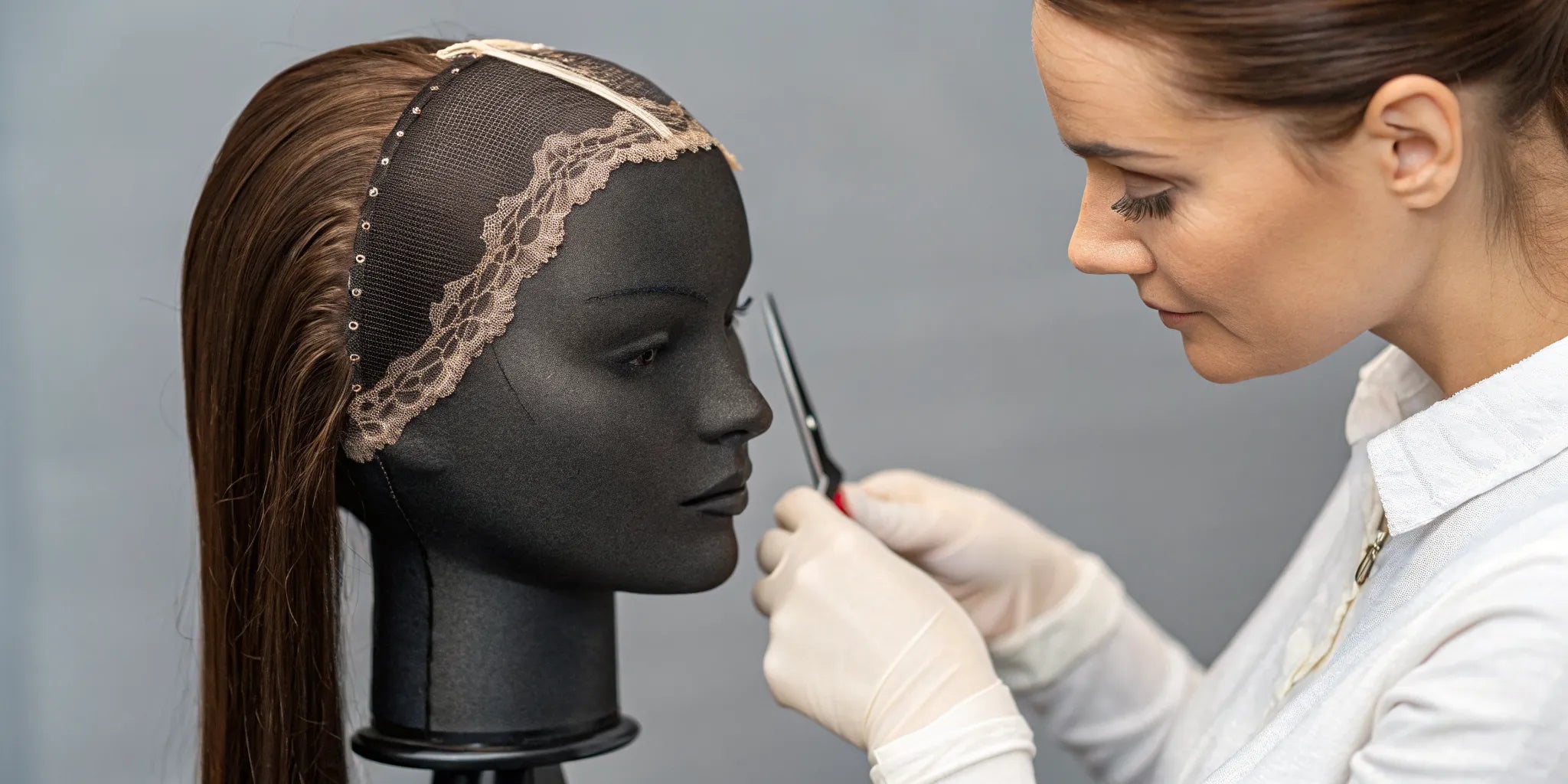
A Guide to Natural-Looking Wig Customization
You've got your new human hair wig, but when you put it on, something feels off. The hairline looks a little too dense, and the part doesn't seem quite right. This is a common issue, and it’s exactly what wig customization is for. Think of it as the final, crucial step that makes a wig look truly realistic and uniquely yours. By tailoring the hairline and adjusting the fit, you can achieve that flawless, undetectable look. Here, we’ll break down the most popular techniques professionals use to make a wig look like it's growing right from your scalp.
Key Takeaways
- Customization creates a truly natural look: Key techniques like bleaching knots, plucking the hairline, and tinting the lace are what make a wig appear as if it's growing directly from your scalp for a seamless finish.
- Start with a high-quality foundation: The success of your customization depends entirely on the wig you choose. Prioritize 100% human hair, a comfortable cap construction, and a secure fit to get the most beautiful and lasting results.
- Partner with a professional for a flawless finish: While DIY is an option, an expert stylist can help you avoid costly mistakes and perfectly tailor a wig to your features, giving you a result you can wear with total confidence.
What Exactly Is Wig Customization?
Wig customization is the process of tailoring a wig to look as natural as possible, making it appear as though the hair is growing directly from your scalp. Think of it as the final step that transforms a beautiful wig into your hair. It’s all about the details: creating a seamless hairline, ensuring a perfect fit, and styling it in a way that complements your features. When you're experiencing hair loss, finding a solution that restores your confidence is key. Customization moves beyond a one-size-fits-all approach, giving you a personalized look that feels authentic and secure.
This process involves several techniques that wig specialists use to erase any tell-tale signs of a wig. From altering the hairline to matching the lace to your skin tone, each step is designed to achieve a flawless, undetectable finish. Whether you’re new to wigs or have worn them for years, understanding what goes into customization can help you communicate exactly what you want and find a piece that makes you feel completely comfortable and yourself again. It’s the difference between wearing a wig and owning your look.
What Does the Customization Process Involve?
Customization involves a few key techniques that make a world of difference. A stylist will often start by plucking the hairline with tweezers. This thins out the dense, factory-made hairline to create a softer, more natural gradient of hair. They might also use a hot comb to flatten the hair at the top of the wig, so it lays down just like natural hair would. Finally, styling small, wispy baby hairs along the hairline can help blend the wig's edge for an even more realistic finish. These steps are what give our human hair medical wigs that truly seamless look.
How to Get a Truly Natural Look with Customization
The magic of customization lies in its ability to mimic a natural scalp and hairline. One of the most important steps is bleaching the knots, which are the tiny black dots where each hair strand is tied to the lace base. Lightening these knots makes them virtually invisible, creating the illusion of a real scalp. At the same time, plucking the hairline breaks up the unnaturally straight and dense line that many wigs have out of the box. This careful thinning process creates a gradual, imperfect hairline that looks just like the real thing, giving you the confidence to wear your hair up or pulled back from your face.
Creating a Custom Part
Beyond the hairline, the way the hair is parted can make or break the illusion of a natural look. A customized part makes it seem as if the hair is growing right from your scalp, giving you the freedom to style your hair with confidence. This is where a few specific techniques come into play to create a seamless, defined parting space. For anyone wearing a medical wig, achieving this level of realism is essential for feeling comfortable and like yourself. It’s all about refining the small details that make a big impact on the final look.
The first step is often bleaching the knots. On a lace wig, each strand of hair is hand-tied to the base, creating a tiny knot. These knots can appear as small black dots against your scalp, which can be a giveaway. By carefully bleaching them, a stylist lightens the knots so they become practically invisible. This single step is fundamental to creating that flawless scalp illusion we cover in our wig styling guide. Another technique is plucking the part line. A stylist will use tweezers to carefully remove some hairs along the part, widening it slightly and creating a more natural, less uniform appearance. This mimics how hair naturally parts and prevents the wig from looking too dense at the scalp.
Finally, a stylist will often use a hot comb to press the hair at the roots along the part. This simple action makes the hair lay flat against the "scalp," removing any puffiness and ensuring the hair falls just as it would naturally. These combined efforts—bleaching, plucking, and pressing—are what transform a standard part into a custom, undetectable feature. When you're ready to find a piece that can be tailored perfectly to you, our specialists can walk you through the process during a private consultation. Getting these details right is what gives you the confidence to wear your wig without a second thought.
Customizing Medical Wigs: What You Need to Know
Choosing a wig due to a medical condition is a deeply personal experience, and it often comes with its own set of emotional challenges. We understand that there can be a stigma around hair loss and wigs, which is why support and education are so important. A medical wig should not only look natural but also feel comfortable and secure on a sensitive scalp. During an expert consultation, we focus on your specific needs, from cap construction to hair density, ensuring your wig helps you feel like yourself again. Our goal is to provide a supportive space where you can find a solution that brings you comfort and confidence.
Best Wigs for Sensitive Scalps and Chemotherapy
When your scalp is sensitive, especially during chemotherapy, comfort becomes the top priority. This is where cap construction makes all the difference. Look for wigs with a monofilament top or a full lace cap, as these designs are lightweight, breathable, and feature hand-tied hair that creates a soft interior lining. This construction minimizes irritation and ensures the wig feels secure without being tight or heavy. Pairing a gentle cap with 100% human hair ensures the wig not only feels good but also moves and looks completely natural. We specifically select medical wigs that combine these features, ensuring they provide a comfortable fit without compromising on a beautiful, realistic appearance. The right wig should be a source of comfort, not another thing to worry about.
Common Wig Customization Myths, Busted
Many people have outdated ideas about what it means to wear a wig, so let’s clear a few things up. First, modern medical wigs are designed to be incredibly realistic; they are not the wigs of the past. Second, wigs aren't just for total hair loss. They are a wonderful solution for thinning hair or partial loss, too. Finally, a common fear is that wearing a wig will damage your natural hair. When fitted and worn correctly, a wig is perfectly safe and will not harm your hair or scalp. You can find answers to more common questions and feel confident in your decision.
Must-Know Wig Customization Techniques
When you get a new wig, especially a high-quality human hair wig, it’s like a beautiful but unfinished canvas. A few key customization techniques are what transform it into a piece that looks and feels like it was made just for you. These are the steps professionals take to create that undetectable, natural appearance that helps you feel confident and completely yourself. From the hairline to the color of the lace, each adjustment plays a role in achieving a seamless look.
How to Bleach Knots for a Flawless Scalp Effect
If you look closely at a lace wig, you’ll see tiny black knots where each strand of hair is tied to the lace base. Bleaching these knots is a game-changer for realism. This process lightens the knots, making them virtually invisible against your scalp. The goal is to create the illusion that the hair is growing directly from your head. It’s a delicate but essential step for anyone who wants a truly natural-looking part and hairline, ensuring no one can spot where the wig begins and your skin ends.
Protecting the Roots Before You Bleach
Before you apply any bleach, it's crucial to protect the hair on the wig. The goal is to lighten the knots on the lace, not the roots of the hair itself. If bleach seeps onto the hair, it can create an unnatural, over-lightened look right at the scalp area. To prevent this, you need to create a protective barrier. One of the most effective methods is to carefully apply coconut oil to the hair right at the base of the lace, ensuring it stays on during the process. A thick conditioner or even Vaseline can also work well. This simple step stops the bleach from wicking up the hair strands, ensuring only the knots are lightened for that perfect scalp illusion.
Toning with Purple Shampoo
After bleaching, you might notice the knots have taken on a slightly brassy or yellowish tint. This is completely normal, and it’s where toning comes in. Purple shampoo is designed to neutralize those unwanted yellow tones, leaving you with a cool, natural-looking scalp color. To tone the knots, you’ll want to apply a small amount of purple shampoo directly to the lace on the inside of the wig. Be careful not to get it on the hair itself, as it can tint blonde hair purple. Let it sit for just a few minutes before rinsing it out thoroughly with cool water. This final touch makes a huge difference in achieving a truly undetectable finish.
Plucking Your Hairline for a Natural Transition
A natural hairline isn’t a perfectly straight, dense line of hair. It’s softer, with a gradual, uneven density. Plucking the hairline replicates this perfectly. Using tweezers, a stylist will carefully remove individual hairs from the front of the wig to break up that dense, factory-made line. This creates a softer transition from your forehead to the hair, mimicking how hair naturally grows. It’s a meticulous process that prevents the wig from looking too abrupt or "wiggy," giving you a much more believable and flattering frame for your face.
Advanced Plucking Techniques
For a truly personalized hairline, advanced plucking goes beyond just thinning the front edge. A skilled stylist will look at your face shape and natural hair growth patterns to create a custom hairline that is uniquely yours. This might involve creating a subtle widow’s peak, defining sideburn areas, or even crafting a slightly asymmetrical line for added realism. The goal is to create a soft gradient, where the hair density is lightest at the very front and gradually gets thicker. This meticulous work is what separates a good wig from an undetectable one, and it’s a skill that takes practice to master. It’s an art form that ensures your wig frames your face beautifully and authentically.
DIY Plucking Tips to Avoid Over-Plucking
If you decide to try plucking your wig at home, the golden rule is to go slowly and remember that less is more. You can always pluck more hair, but you can't put it back. To avoid creating bald spots, it’s a great idea to put the wig on periodically as you work. This helps you see exactly how the hairline is thinning out against your own forehead. Work in a well-lit area with a sharp pair of tweezers, and pluck one hair at a time in the direction of hair growth. Start by plucking a little, then step back and assess before continuing. This careful approach will help you achieve a softer hairline without accidentally going too far.
How to Tint Lace for a Perfect Skin Tone Match
Lace is the foundation of a great wig, but it needs to blend in to do its job. Lace tinting involves applying a special spray or tint to the lace so it matches your exact skin tone. This step is crucial for making the lace disappear against your skin, which is especially important for lace front wigs. When the lace matches you perfectly, it becomes undetectable, allowing you to part your hair anywhere you like and wear your hair up or pulled back from your face with total confidence. It’s a simple adjustment that makes a world of difference.
Blending with Cream Foundation vs. Powder
If you don’t have lace tint, your makeup bag holds the perfect solution. Both cream and powder foundations can match the lace to your skin, but they offer different benefits. Cream foundation is fantastic for creating a truly scalp-like appearance. Its consistency helps mask the grid pattern of the lace, giving the wig a more natural texture. However, cream formulas require a bit more effort to blend and should be set with a translucent powder to prevent smudging and keep the lace from feeling greasy, which could interfere with adhesives.
Powder foundation, on the other hand, is the go-to for a quick and easy blend. It’s simple to apply with a brush, and you don’t have to worry about it making your wig adhesive feel sticky. This makes it a reliable choice for maintaining a clean, secure application. While it might not hide the lace texture as completely as a cream, it does an excellent job of tinting the lace to match your skin tone. Ultimately, if your priority is a fast, mess-free application, powder is a great choice. If you’re aiming for the most realistic scalp possible, cream foundation is worth the extra step.
Styling Realistic Baby Hairs
Baby hairs are those fine, wispy hairs that grow around the perimeter of your hairline. Styling them on a wig adds another layer of realism and helps soften the overall look. A stylist will carefully separate a few strands along the front and sides to create delicate baby hairs that frame your face. The key is to focus on a natural shape rather than just thickness. This small detail helps to blur the line where the wig's edge meets your skin, making the hairline appear even more authentic and less constructed.
Cutting and Styling for Your Perfect Look
Just like natural hair, a wig looks its best with a great cut and style. Many wigs come with a uniform density that can look a bit bulky. A professional stylist can thin out the hair where needed and add layers to create movement, remove weight, and shape the wig to complement your facial features. This final step is all about personalization. A custom cut ensures your wig doesn’t just sit on your head; it becomes a style that is uniquely yours. If you're ready to explore your options, you can always schedule a consultation to discuss your ideal look.
Defining Curls and Natural Texture
If you have a curly or textured wig, you know that volume is everything—but not always at the root. To get the most natural look, it’s important that the hair lays flat where it meets the part, just like it would if it were growing from your scalp. A stylist will often use a hot comb to gently press the roots, which helps the hair lay down smoothly and creates a more realistic silhouette. They can also customize the part to follow the natural shape of your hairline, whether you have a slight widow's peak or a unique curve. This attention to detail ensures your curls look vibrant and authentic, not bulky or out of place.
Cutting the Lace for a Seamless Blend
One of the final, and most important, steps for any lace front wig is cutting the excess lace. This can feel a bit nerve-wracking, but it’s what creates that truly invisible hairline. The key is to use a pair of sharp scissors and avoid cutting in a perfectly straight line. Instead, you’ll want to cut in a slightly jagged or curved motion, following the natural shape of the hairline. This technique mimics the soft, imperfect edge of a real hairline and helps the lace melt seamlessly into your skin. Taking your time with this step ensures the wig’s edge is completely undetectable, giving you the freedom to style your hair away from your face with confidence.
How Much Does Professional Wig Customization Cost?
Investing in professional customization is one of the best ways to make your wig truly yours. The cost can vary quite a bit, depending on who you see and what services you need. Think of it like getting your hair done at a salon; a simple trim costs less than a full color and style. Similarly, basic adjustments will be more affordable than a complete overhaul of your wig’s hairline, color, and cut.
Generally, you can expect to pay for the stylist’s time, expertise, and any materials used, like hair dye or lace tint. Highly experienced wig specialists in major cities may charge more, but their skill is often worth the investment, especially when you want a flawless, natural look. Before you book an appointment, it’s a great idea to ask for a price list or schedule a consultation to get a clear estimate. This helps you understand the costs upfront and ensures there are no surprises. Remember, this is an investment in your confidence and comfort, so finding the right professional is key.
Understanding the Cost of Each Service
The final price tag for customization is a sum of the services you choose. For example, a standard customization package that includes bleaching the knots, plucking the hairline, and styling might run you around $175. This kind of service is designed to create a ready-to-wear unit that looks incredibly natural right out of the box.
Other services are often priced individually. You might pay for a custom color service, a precision haircut, or the addition of baby hairs. Each of these requires a different level of skill and time from the stylist. A complex coloring job will naturally cost more than a simple trim. It’s best to discuss your goals with a stylist to get a detailed breakdown of the costs for each specific service you’re interested in.
Fully Custom-Made Wigs
For the most personalized experience, you can opt for a fully custom-made wig. This goes beyond altering a pre-made unit; it involves creating a wig from scratch based on your exact specifications. A specialist will take your precise head measurements and work with you to choose the hair quality, color, and density you want. This ensures a perfect fit, which is especially important for comfort on a sensitive scalp. Because they are tailored to you, these wigs offer an unparalleled level of realism. The investment for a fully custom piece typically ranges from $750 to over $2,400, reflecting the detailed craftsmanship involved in building your ideal hair from the ground up.
Customizing Synthetic Wigs
If you're considering a synthetic wig, you might wonder if it can be customized too. The answer is yes, but the process is different. Since synthetic fibers can't be bleached or dyed like human hair, customization focuses on other areas. A stylist who specializes in synthetic wigs can perform services like thinning out a dense hairline for a softer look, creating a custom root color to add dimension, or giving the wig a completely new cut and style. It’s crucial to work with someone who understands the unique properties of synthetic hair, as using the wrong tools or techniques can cause irreversible damage.
Mail-In Customization Services
Mail-in customization services offer a convenient way to get your wig professionally styled, even if you don't have a local expert. The process is straightforward: you purchase a new, pre-made wig and ship it to a stylist who then customizes it for you. They’ll handle tasks like plucking the hairline and styling before sending it back ready to wear. While this is a great option for many, an in-person appointment allows a stylist to see the wig on you, ensuring the cut and style perfectly frame your face. During a personal consultation, we can make real-time adjustments and ensure every detail is tailored to you for the most seamless and comfortable result.
Does Insurance Cover Customization?
This is a question we hear all the time, and it’s an important one. While many insurance plans cover the cost of a "cranial prosthesis" (the medical term for a wig), coverage for customization services can be less straightforward. Unfortunately, some insurance policies haven't fully caught up to how essential a well-fitted, natural-looking wig is for someone experiencing medical hair loss.
The best first step is to check directly with your insurance provider to see what your specific plan covers. We specialize in helping our clients with this process. By scheduling a consultation with us, we can help you understand your benefits and work with you to get the maximum coverage possible for both your wig and any necessary customizations.
Professional vs. DIY: Which is Right for You?
Deciding whether to customize your wig yourself or hire a professional really comes down to your comfort level, time, and the type of wig you have. If you’re new to wigs or have a high-quality human hair wig, we almost always recommend seeing a professional. They have the tools and experience to handle delicate lace and hair without causing damage. A pro can ensure your wig is properly fitted and styled to blend seamlessly with your features.
On the other hand, if you enjoy being hands-on and have some experience, you might feel comfortable tackling simpler tasks like tinting the lace. Just be sure to start slow and practice on an older wig if you can. For a medical wig that you’ll be wearing daily, professional customization provides peace of mind and a polished result that’s hard to achieve on your own.
How to Choose the Best Wig for Customization
Think of your wig as the canvas for your customization masterpiece. The quality of your starting piece directly impacts the final look, so choosing the right one is the most important first step. A high-quality wig will not only look more natural from the start but will also hold up better to coloring, cutting, and styling. It makes the entire customization process smoother and ensures the finished product is something you’ll feel confident and comfortable wearing every day.
Starting with a great foundation saves you time and potential frustration. When you select a wig that already has the right hair quality, cap construction, and a decent fit, your stylist can focus on the finer details that truly make it yours. This initial investment in a quality piece pays off by giving you a beautiful, durable, and natural-looking wig that perfectly suits your style and needs. It’s all about setting yourself up for success from the very beginning.
Choosing the Right Hair Type and Quality
When it comes to a natural look, nothing beats 100% human hair. It moves, feels, and styles just like your own hair would. For the best results, look for Remy human hair. This means all the hair cuticles are intact and aligned in the same direction, which seriously cuts down on tangling and gives the hair a smoother, more realistic appearance. Our collection of human hair medical wigs is crafted with this quality in mind, providing an excellent base for any customization you have planned. Think about the style you want to achieve, as this can help you choose the right texture from the start.
Finding the Best Cap and Lace for Your Needs
The inside of the wig is just as important as the outside. The cap construction determines how the wig sits on your head and how natural your part and hairline will look. A lace front wig, for example, creates an invisible hairline, while a monofilament top allows you to part the hair in any direction for ultimate styling freedom. The type of lace also matters. A high-quality, thin lace will melt into your skin, making it virtually undetectable. Choosing the right cap and lace combination is key for both comfort and a seamless blend.
How to Match a Wig to Your Head and Hairline
A wig should feel like it was made just for you, and that starts with a great fit. Since everyone’s head shape and hairline are unique, finding a wig that closely matches your own is crucial. Before you buy, take your head measurements to ensure you’re getting the right size. A professional can help you with this during a consultation and can also assess how the wig’s hairline can be plucked and shaped to mimic your natural one. This attention to detail prevents the wig from looking bulky or unnatural around your face.
Ensuring a Secure and Comfortable Fit
Your confidence is everything, and you can’t feel confident if you’re worried about your wig shifting. A great wig should fit snugly but comfortably. Look for features like adjustable straps in the back, which allow you to tighten or loosen the fit as needed. Some wigs also come with small combs or clips for extra security. Before committing, try the wig on and move your head around. Does it feel secure? Is it too tight or too loose? Making sure the fit is perfect from the get-go ensures you can wear your wig all day with ease and peace of mind.
Choosing the Right Adhesive: Tape vs. Glue
When it comes to securing your wig, the two most common choices are wig tape and liquid adhesive, or glue. The best one for you really depends on your lifestyle and priorities. Wig glue generally offers a stronger hold, making it a fantastic option if you have an active lifestyle or want to wear your wig for several days at a time. It’s also the go-to for achieving that truly flawless, melted hairline that looks completely natural. On the other hand, wig tape is often easier to apply and remove, which is a huge plus if you prefer to take your wig off nightly. It’s less messy and typically leaves behind less residue. Your wig’s base material can also influence your choice; some delicate bases are better suited for glue to avoid potential tearing. Ultimately, it’s a trade-off between maximum security and ease of use.
Working with a Pro and Caring for Your Wig
A custom wig is an investment in your confidence and comfort. Once you have the perfect piece, finding the right professional to personalize it and knowing how to care for it are the keys to making it look incredible for years to come. It’s all about pairing expert skill with a solid maintenance routine.
How to Find a Customization Expert
Finding the right person to customize your wig is just as important as choosing the wig itself. Look for a stylist who specializes in medical wigs, as they’ll have experience with sensitive scalps and creating natural, seamless hairlines. A great place to start is by asking for recommendations from your healthcare provider or support groups. When you find a potential stylist, don't be shy about asking to see their portfolio of work. You want to find an expert who truly understands your needs and can help you achieve the look you envision. A professional consultation can be the first step toward finding that perfect match.
What to Expect During Your Consultation
Your consultation should feel like a comfortable, collaborative conversation. This is your time to share your vision, concerns, and lifestyle needs. A great stylist will listen carefully, take precise measurements, and walk you through the customization options available. They should explain the process clearly and set realistic expectations for the final look. Building a good rapport is essential; you should feel confident in their skills and comfortable asking questions. Industry experts agree that building trust with wig clients involves clear communication and creating a supportive experience, so make sure you feel that connection from the start.
Simple Maintenance Tips to Make Your Wig Last
Once your wig is customized, proper care is essential to protect your investment. Your stylist should provide you with specific instructions, but some general rules apply. Always use sulfate-free shampoos and conditioners formulated for human hair. Wash your wig on a mannequin head to help it keep its shape, and gently pat it dry with a towel instead of rubbing. When not in use, store it on a wig stand away from direct sunlight to prevent fading. Regular maintenance, like deep conditioning treatments, will keep the hair soft and manageable, ensuring your custom piece looks beautiful for as long as possible.
Common Customization Mistakes to Avoid
While DIY customization can be tempting, it comes with risks. A common mistake is over-plucking the hairline. As one expert advises, it's always better to pluck too little and go back for more than to create a bald spot you can't fix. Another pitfall is using the wrong products or techniques when bleaching knots, which can damage the lace or turn the roots an unnatural color. Cutting the lace too short or in a blunt line can also ruin the natural effect. Understanding your wig's material is key; human hair and synthetic wigs require different styling approaches, especially when it comes to heat. Trusting a professional helps you avoid these costly errors.
Related Articles
- Human Hair Wigs for White Women: The Ultimate Guide
- How to Find the Best Human Hair Wig Near Me
- Wig for Alopecia: What to Know Before You Buy
- A Buyer's Guide to the Best Human Hair Wig
Frequently Asked Questions
Why can't I just wear a high-quality wig right out of the box? Think of a high-quality wig as a beautiful designer dress off the rack. It’s made with excellent materials, but it won’t fit you perfectly without a few alterations. Customization is that final tailoring step. It adjusts the factory-made hairline, ensures the lace blends flawlessly with your skin tone, and styles the hair to frame your unique features, transforming a great wig into your hair.
What is the most important customization technique for a natural look? If you're looking for the most impactful change, it’s all about the hairline. Having a professional pluck the hairline to create a softer, less uniform edge and bleaching the knots to make them invisible are the two steps that create a truly believable illusion. These details make it look as though the hair is growing directly from your scalp, giving you the confidence to wear your hair in any style.
Is wig customization a one-time process? The foundational work, like plucking the hairline, cutting layers, and coloring the hair, is typically done once. However, some aspects of customization are part of ongoing maintenance. For example, you may need to re-tint the lace after a few washes to keep it perfectly matched to your skin. And just like natural hair, your wig will require regular washing and styling to keep it looking its best.
Will customizing my wig cause damage to it? When done by an experienced professional, customization will not damage your wig. A specialist knows how to handle delicate lace and human hair with care, using the right tools and techniques for processes like bleaching knots and plucking. Attempting to do it yourself without experience, however, can lead to costly mistakes like over-plucking bald spots or damaging the lace, which is why we always recommend trusting an expert.
How do I know if my insurance will cover customization services? Insurance coverage for customization can be tricky, as it varies greatly between plans. While most policies cover the wig itself (often called a "cranial prosthesis"), the services to personalize it may not be explicitly included. The best first step is to review your policy details. We specialize in helping clients with this, so scheduling a consultation with us is a great way to get clear guidance on understanding your benefits and maximizing your coverage.