
Best Medical Wigs for Chemotherapy Hair Loss Patients
Chemotherapy-related hair loss can change quickly, but choosing a cranial prosthesis does not have to become another last-minute decision. Preparing before treatment gives you more time to consider color, fit, cap construction, and the level of scalp coverage that feels right for you.
Schedule a private consultation with NYC Medical Wigs to find the right medical wig for your chemotherapy journey. Our compassionate team helps you compare options in a calm, private setting.
The best medical wigs for chemotherapy hair loss balance a secure, comfortable fit with soft, breathable materials and a construction suited to scalp sensitivity. Some patients value the natural appearance and styling versatility of human hair, while others prefer the simplicity and lighter care of a quality synthetic option. A private consultation can help you compare both with a medical-first specialist.
NYC Medical Wigs, founded by Jamiese Drax, helps patients evaluate these details with compassion and clear guidance, including insurance navigation without promising coverage. The right starting point is understanding when to begin looking, before hair loss and treatment fatigue narrow your choices.
Medical Wigs For Chemotherapy Hair Loss: When to Start Looking for a Medical Wig During Chemotherapy
Begin exploring a cranial prosthesis before chemotherapy starts, ideally 14 to 21 days before your first treatment. This timeline gives you space for a private consultation, accurate measurements. And a thoughtful review of cap construction while your existing hair still provides a useful reference for shade and density.
The most useful time to begin exploring a cranial prosthesis is before treatment starts, not after hair loss becomes urgent. For many chemotherapy patients, hair begins falling out approximately two to four weeks after treatment begins, according to the Mayo Clinic. Dana-Farber Cancer Institute describes a similar timeline, noting that hair loss usually occurs two to three weeks after chemotherapy begins.
Plan the consultation before your first treatment
As a practical preparation window, NYC Medical Wigs recommends beginning the process about 14 to 21 days before treatment. That timing gives you space for a private consultation, accurate measurements, color matching, and a thoughtful review of cap construction before your schedule becomes more demanding. It also allows the medical wig to be prepared and adjusted while your existing hair still provides a useful reference for shade, density, and overall appearance.
Starting early does not mean you must wear the cranial prosthesis immediately. It means the decision is already made when shedding begins. You can try the piece in a calm setting, identify pressure points, and request refinements before your scalp may feel tender. A specialist can also discuss soft, breathable materials and a secure fit suited to your changing comfort needs.
Use the timeline to prepare emotionally and logistically
Hair loss can feel personal even when you understand it is a treatment side effect. Seeing and selecting a medical wig in advance can make the transition feel more controlled. Consider bringing a trusted family member or caregiver to the consultation, especially if you want support comparing color, length, or coverage. You may also want to ask your oncology team when hair loss is most likely with your specific regimen, since timing varies by medication and individual response.
If you are still deciding when to begin, read our guide to when to choose your medical wig. The goal is not to rush into a generic purchase. It is to give yourself enough time to select a well-fitted medical wig for chemotherapy hair loss with clarity. Having privacy and support before treatment demands more of your attention.
For ongoing care during treatment, explore our complete guide to cranial prosthesis care during chemotherapy.
Understanding Cap Construction for Sensitive Scalps
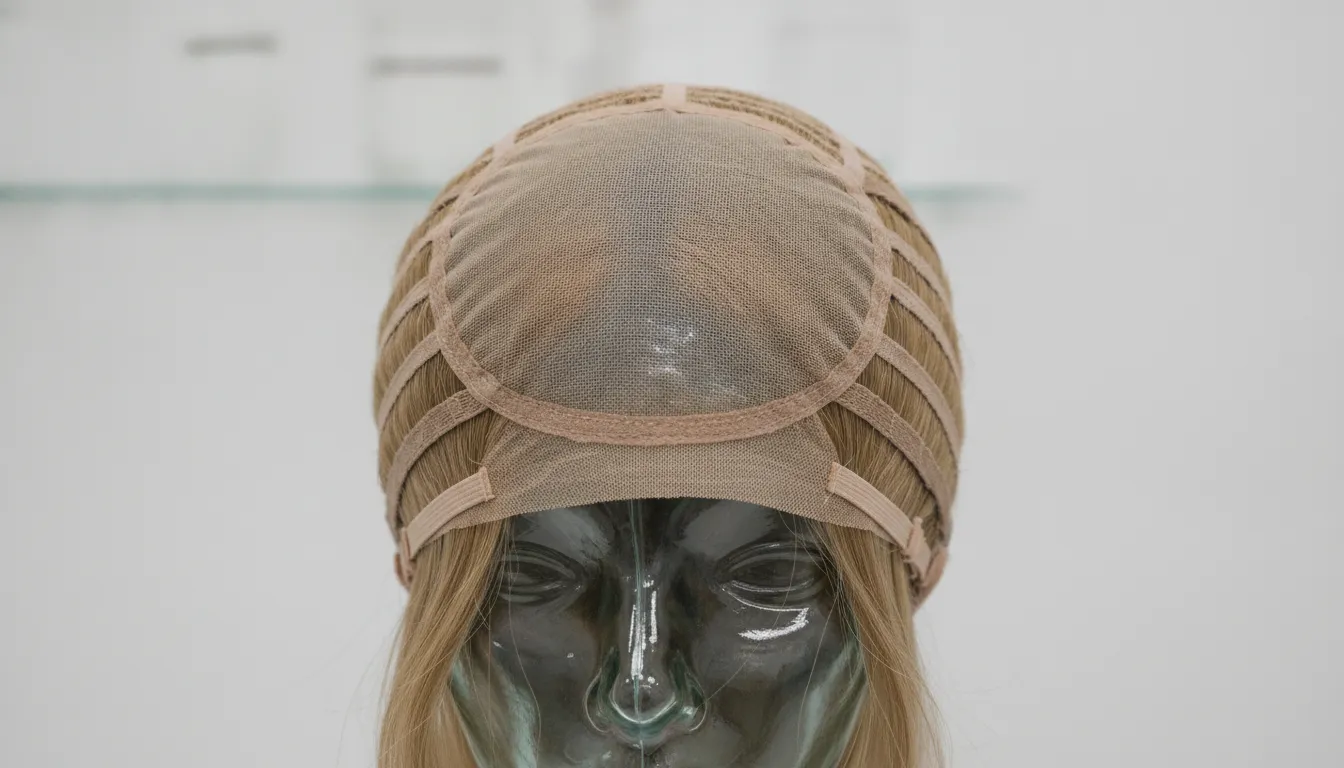
For chemotherapy patients, a cranial prosthesis cap should be light, soft, and secure without creating pressure or friction. Monofilament tops offer breathability and a natural scalp appearance, hand-tied backs reduce weight, and lace fronts create a natural-looking hairline. Each construction feature addresses a different aspect of scalp comfort during treatment.
For someone receiving chemotherapy, the inside of a cranial prosthesis matters as much as its appearance. Treatment can leave the scalp tender and more reactive, so a cap should feel light, soft, and secure without creating unnecessary pressure or friction. The right construction can make daily wear more comfortable while supporting a natural, medically appropriate hair replacement experience.
Monofilament tops for breathability and a natural scalp appearance
A monofilament top uses a fine, translucent material that allows individual hairs to be hand-placed or integrated so they appear to emerge naturally from the scalp. This construction can create a realistic part and allows the wearer more flexibility in how the hair is positioned. Just as important for chemotherapy patients, a well-designed monofilament area can feel less enclosed than a dense, heavy cap.
Breathability does not mean every monofilament cap will feel identical. Material, density, fit, and ventilation all affect comfort. During a private consultation. A cranial prosthesis specialist can assess whether the cap feels smooth against sensitive areas and whether it allows enough airflow for the patient's routine and environment.
Hand-tied backs for a lighter, gentler feel
In a hand-tied construction, hair is individually secured to the cap rather than being attached in bulky strips. A hand-tied back can reduce weight and help the cap lie more softly against the head. For a tender scalp, that lighter feel may be preferable to a construction that creates noticeable seams, stiffness, or concentrated pressure.
Look for ventilated wefts and flexible materials that support airflow without sacrificing stability. The goal is not simply the lightest cap available. It is a balanced fit that stays comfortably in place while minimizing rubbing at the nape, crown, and sides of the scalp.
Lace fronts for a natural hairline
A lace front uses fine material along the front edge of the cap to create a gradual transition between the prosthesis and the forehead. When properly fitted, it can produce a natural-looking hairline without a visibly dense edge. This may be especially meaningful for patients who want confidence during appointments, work, or time with family.
Patients should also discuss allergies and skin sensitivity before selecting a cap. In a study of chemotherapy patients, erythema occurred in 44.8% of the hypoallergenic medical wig group compared with 86.7% of the control group. And overall dermatitis, including rash and erosion, decreased with the hypoallergenic design. Read the published study on hypoallergenic medical wigs.
A thoughtfully constructed cap cannot remove every source of scalp discomfort, but it can reduce avoidable irritation. NYC Medical Wigs can help patients compare monofilament tops, hand-tied backs, lace fronts, and breathable materials as part of a personalized cranial prosthesis consultation. For more on scalp-friendly options, read our sensitive scalp comfort guide for cranial prostheses.
Human Hair vs Synthetic Medical Wigs: Which Is Right for Chemo?
Human hair cranial prostheses offer the most natural look, feel, and styling versatility for chemotherapy patients who want their reflection to feel familiar. Synthetic medical wigs can be lighter and easier to maintain when fatigue or scalp sensitivity is the primary concern. The right choice depends on your comfort needs, daily routine, and what matters most during treatment.
For someone navigating chemotherapy, the right cranial prosthesis should support comfort, confidence, and the practical realities of treatment. Human hair and synthetic medical wigs can both be appropriate, but they serve different priorities. Human hair offers the most natural look, feel, and styling versatility, which can matter deeply when you want your reflection to feel familiar. Synthetic options may be easier to manage when fatigue, scalp sensitivity, or budget is the primary concern.
Use this comparison as a starting point, then consider your scalp, daily routine, and desired level of customization with a medical wig specialist.
| Consideration | Human hair cranial prosthesis | Synthetic medical wig |
|---|---|---|
| Weight | May feel slightly more substantial, depending on density and cap construction. A private fitting helps balance coverage with comfort. | Often lighter and straightforward to wear, which may be helpful during periods of extreme fatigue. |
| Breathability | Breathability depends on the cap. Lace-front and monofilament-top designs can support a lighter, more comfortable feel. | Breathability also depends on the construction and materials. Patients with a tender scalp should prioritize soft, medical-grade contact surfaces. |
| Styling | Provides the most natural movement and styling versatility. It can be customized to help preserve a sense of personal identity. | Maintains its designed shape with less daily styling. Heat-friendly synthetic fibers may offer added flexibility, but always follow the manufacturer's care guidance. |
| Durability | Can provide lasting value with attentive professional care and appropriate maintenance. | Can be convenient for regular use, though fiber wear and shape changes vary by quality, frequency of wear, and care. |
| Cost | Typically represents a larger investment because of the material, handwork, and customization involved. | Generally offers a more affordable entry point for patients who need a practical, lower-maintenance option. |
| Scalp comfort | Can be designed around sensitive areas through careful cap selection and fitting. Comfort should be assessed in person, especially during treatment. | May suit patients who want a lighter option, but a low price should never outweigh a secure, irritation-conscious fit. |
NYC Medical Wigs focuses on a curated selection of 100% human hair cranial prostheses, including lace-front and monofilament-top styles. These details can help create a natural hairline and a comfortable presentation without making the patient feel defined by treatment. Explore our guide to human hair medical wigs for a closer look at the benefits of human hair.
There is no universal answer for patients seeking medical wigs for chemotherapy hair loss. If fatigue or scalp sensitivity makes simplicity the priority, a lightweight synthetic option may be sensible. If maintaining a natural appearance, tactile comfort, and styling freedom matters most, human hair may be the better fit. A private consultation can help you choose based on your treatment experience, not a generic category. For a detailed comparison, read about luxury medical wigs versus standard options.
Choosing Breathable Materials That Comfort a Tender Scalp
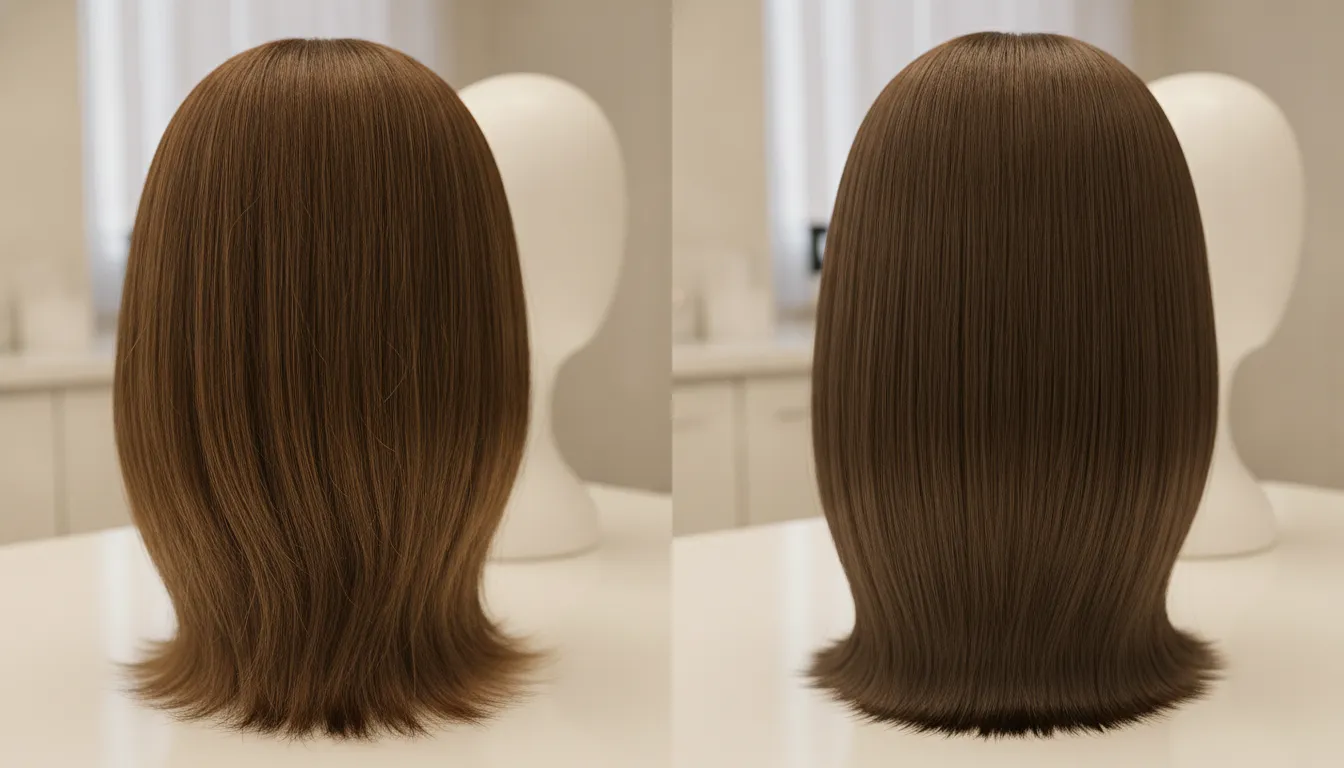
Chemotherapy can leave the scalp tender and reactive. A cranial prosthesis with soft, breathable construction can reduce heat, pressure, and rubbing. Look for lightweight Swiss lace, monofilament mesh, bamboo-based linings, or silicone-free cushioning. Each material serves a different comfort need during treatment.
Chemotherapy can leave the scalp tender, reactive, and less tolerant of friction. A cranial prosthesis should therefore be evaluated as part of a comfort and skin-health plan, not simply as a way to replace visible hair. Soft, breathable construction can reduce the heat, pressure, and rubbing that make daily wear difficult when the scalp is already healing.
Why ventilation matters during treatment
Patients may experience sweating, hot flashes, or heightened sensitivity to temperature during chemotherapy. A dense, poorly ventilated cap can trap warmth against the scalp and create dampness that increases discomfort. Airflow through the cap helps the scalp feel less confined, while a careful fit prevents the material from shifting and chafing against fragile skin.
Material choice also matters when irritation is a concern. In a PubMed-indexed study of chemotherapy patients, erythema occurred in 44.8% of patients using a hypoallergenic medical wig compared with 86.7% in the control group. The study reported that dermatitis, including erythema, rash, and erosion, decreased with the hypoallergenic design. This does not mean one construction is right for every patient, but it supports taking scalp sensitivity seriously when selecting a medical wig. Review the study on PubMed.
Materials to discuss during a private fitting
- Lightweight Swiss lace: Fine lace can support airflow and reduce the sensation of a heavy barrier over the scalp. The edge and stitching should be assessed carefully so they do not rub tender areas.
- Monofilament mesh: A breathable mesh top can allow ventilation while providing a stable foundation. It should feel smooth against the scalp and remain comfortable when the patient changes position.
- Bamboo-based linings: Bamboo-based fabrics may offer a soft lining option for patients who are sensitive to rough or warm-feeling materials. The lining should be evaluated for texture, moisture, and overall comfort rather than selected by label alone.
- Silicone-free cushioning: Silicone-free padding can be worth discussing when a patient is concerned about contact materials or pressure points. Any cushioning should be gentle, secure, and positioned to avoid chafing.
- Cotton-lined ear tabs: Soft cotton tabs at the ears can reduce friction where the cap meets sensitive skin near the sideburns and temples.
- Adjustable Velcro straps: A customizable fit at the nape helps prevent the cap from shifting without needing tight tension that could irritate the scalp.
Because chemotherapy patients often have tender scalps that need soft, breathable, or hypoallergenic materials, the right choice is personal. At a consultation, NYC Medical Wigs can review cap materials, pressure points, and the condition of the scalp before recommending a luxury medical wig or cranial prosthesis. If redness, broken skin, persistent itching, or pain develops, pause wear and consult the treating medical team.
Finding the Right Medical Wig in NYC: How NYC Medical Wigs Helps
NYC Medical Wigs, founded by Jamiese Drax, offers private consultations virtually, in person in Bayonne, New Jersey, or through home and hospital visits. The team helps patients evaluate human-hair cranial prostheses, navigate insurance options, and find a comfortable fit that respects the realities of chemotherapy treatment.
Choosing a cranial prosthesis during chemotherapy is a medical and personal decision, not a matter of shopping for an everyday wig. NYC Medical Wigs, founded by Jamiese Drax, helps New York City patients find a comfortable, refined solution that supports confidence while respecting the realities of treatment. A cranial prosthesis can be a medically recognized necessity for patients experiencing treatment-related hair loss. And the right specialist can make the process more manageable from consultation through reimbursement.
NYC Medical Wigs offers private consultations in the format that best fits each patient's circumstances. Appointments are available virtually, in person in Bayonne, New Jersey, or through home and hospital visits when travel is difficult. This private approach gives patients and caregivers time to discuss scalp sensitivity, desired coverage, fit, cap construction, and the practical demands of chemotherapy without feeling rushed.
- Virtual consultations from the comfort of your home, ideal for early exploration when travel feels difficult.
- In-person appointments in Bayonne, New Jersey, for a hands-on fitting experience with your specialist.
- Home and hospital visits for patients whose treatment schedule or energy levels make travel impractical.
A curated selection of human-hair cranial prostheses
The collection is intentionally curated around medically focused needs and an elevated experience. Patients can explore human-hair cranial prostheses, including lace-front and monofilament-top constructions selected for a natural appearance and thoughtful comfort. The goal is not to overwhelm you with options. It is to identify the materials, fit, and construction that feel appropriate for your scalp, lifestyle, and stage of treatment. For a complete overview of the consultation experience, visit our guide to medical wig consultations in NYC.
Insurance navigation with transparent guidance
Because a cranial prosthesis may qualify as a medical expense, NYC Medical Wigs helps patients understand the insurance process rather than promising coverage. The team can assist with verification, documentation, and reimbursement questions for plans patients may explore, including Medicare, Medicaid, Blue Cross Blue Shield, Aetna, Cigna, and UnitedHealthcare. Benefits vary by plan, diagnosis, prescription requirements, and out-of-network rules. Learn more about insurance coverage for cranial prostheses before making a purchase.
For a deeper explanation of the medical-device approach, read about a cranial prosthesis specialist, or visit About NYC Medical Wigs. Compassionate guidance can help you move forward with clarity, dignity, and a plan that feels genuinely your own.
Frequently Asked Questions
When should I begin looking for a medical wig during chemotherapy?
Begin before treatment starts or early in your treatment plan, while you have time to compare cap construction, materials, and fit without feeling rushed. Hair loss commonly begins 2 to 4 weeks after chemotherapy starts and may continue through treatment and for several weeks afterward, according to the Mayo Clinic. NYC Medical Wigs recommends preparing within 14 to 21 days of treatment onset for a comfortable transition.
What cap features are most comfortable for a sensitive scalp?
Look for a soft, breathable, hypoallergenic cap with minimal friction and gentle construction. A monofilament top can support breathability, while a hand-tied back may improve comfort and a lace front can create a natural-looking hairline. Your specialist should assess scalp tenderness, temperature sensitivity, and how much coverage you need before recommending a cranial prosthesis.
Are human hair or synthetic medical wigs better for chemotherapy?
Neither option is universally best. Human hair offers a natural look, feel, and greater styling versatility. While a quality synthetic medical wig may be easier to maintain when treatment-related fatigue makes daily care difficult. The right choice depends on your scalp comfort, lifestyle, maintenance preferences, and desired appearance. A private consultation can help you compare both options without treating one material as the answer for every patient.
Can a medical wig help if chemotherapy has made my scalp irritated?
Choose materials designed for sensitive skin and discuss persistent irritation with your oncology team. In one study of chemotherapy patients, erythema occurred in 44.8% of those wearing a hypoallergenic medical wig compared with 86.7% in the control group, although individual results vary. Soft, breathable construction and a properly fitted cap can help reduce unnecessary pressure and friction.
Can NYC Medical Wigs help me choose a cranial prosthesis in New York City?
Yes. NYC Medical Wigs offers private consultations to review your timeline, scalp needs, cap construction preferences, and human hair or synthetic options. Consultations may be available virtually, in person in Bayonne, New Jersey, or through home and hospital visits. The team can also help you explore insurance verification and potential reimbursement, without guaranteeing coverage from any specific plan.
Schedule a Private Consultation
Choosing a medical wig during chemotherapy can feel more manageable with guidance tailored to your timing, scalp sensitivity, and comfort needs. NYC Medical Wigs offers a thoughtful consultation to help you consider the right cranial prosthesis for your experience. Schedule a private consultation with NYC Medical Wigs and take the next step.