
Your First Cranial Prosthesis Consultation NYC: What to Expect
Hair loss can make choosing a medical hair solution feel like one more decision during an already demanding time. A first consultation should do the opposite: give you privacy, clear information, and room to describe what your scalp, schedule, and daily life require.
Schedule your private cranial prosthesis consultation NYC appointment today and receive personalized guidance from a dedicated specialist in a confidential setting.
A cranial prosthesis consultation NYC appointment is a private, personalized assessment to understand your medical hair loss, discuss fit and comfort, and identify a medical wig that supports your needs and preferences. Cranial prostheses are medical-grade solutions used for hair loss related to conditions such as chemotherapy and alopecia, rather than a one-size-fits-all cosmetic purchase.
At NYC Medical Wigs, the conversation is designed to be supportive and practical. You can ask questions, review appropriate options, and begin understanding the next steps without pressure. Knowing what the consultation is meant to address can make the appointment feel more manageable, starting with the purpose of this specialized evaluation.
What Is a Cranial Prosthesis Consultation NYC?
A cranial prosthesis consultation is a private, personalized assessment for someone experiencing medically related hair loss. This evaluation addresses your diagnosis, scalp needs, daily routine, desired appearance, and comfort to identify a medical wig that feels secure, natural, and appropriate for your circumstances.
A cranial prosthesis is a medical-grade wig designed for people experiencing hair loss related to treatments such as chemotherapy or conditions such as alopecia. Mayo Clinic notes that patients may encounter terms including "hair prosthesis" and "cranial prosthesis" when discussing a prescription with an oncologist. Read Mayo Clinic's guidance on hair loss during cancer treatment.
How a medical consultation differs from standard wig shopping
Standard wigs are generally made in generic sizes and selected primarily for appearance. Cranial prostheses are medical-grade solutions, often requiring a more careful fit for a patient's changing hair and scalp needs. A consultation creates time to discuss factors such as scalp sensitivity, breathability, coverage, security, and the practical demands of work, treatment, caregiving, or daily life. These details matter because the best option is not simply the one that looks appealing on a display. It is the one a patient can wear with confidence and comfort.
What to expect from a private assessment
During a private appointment, the provider listens to the patient's experience and helps narrow the available choices without pressure. The conversation may include the pattern and timing of hair loss, medical considerations, preferred length or texture, and whether human hair or another material better suits the patient's needs. Professional consultation in a confidential setting supports a more individualized fit and selection.
NYC Medical Wigs brings this medical-first approach to every appointment. Patients can learn more about cranial prosthesis specialist Jamiese Drax and the purpose-led care behind the brand. For patients seeking a cranial prosthesis consultation in NYC, the process is designed to protect dignity while making an important decision feel clear, supported, and personal.

What to Bring to Your First Cranial Prosthesis Consultation
A little preparation can make your first appointment feel more focused and reassuring. Bring the documents and visual references that help your specialist understand your medical needs, insurance plan, and personal preferences. You do not need to have every decision made before you arrive. The consultation is a private space to ask questions and explore appropriate medical wig options at your own pace.
Your insurance card and policy information
Bring your current insurance card, including the member ID, group number, and customer service phone number. If you have a secondary plan, bring that information as well. Policy details help NYC Medical Wigs determine what documentation your insurer may request and begin the verification process accurately.
NYC Medical Wigs handles the entire insurance verification process for you. That support can reduce the administrative burden during an already demanding period. Coverage is determined by your individual plan, so verification is an important step and should not be confused with a guarantee of reimbursement. For a deeper look at what plans may cover cranial prostheses, read our guide on insurance coverage for cranial prostheses.
Medical documentation or a prescription
Bring any relevant medical documentation, such as a diagnosis summary or referral, along with a prescription from your oncologist or other treating physician if you have one. The Mayo Clinic explains that a prescription for a wig, often described as a hair prosthesis or cranial prosthesis, is required when filing an insurance claim. Your insurer may use specific wording, so ask your medical team what they recommend for your situation. Learn more about the cranial prosthesis prescription process.
A valid photo ID
Bring a government-issued photo ID so your records and insurance information can be matched correctly. If a caregiver or family member will help coordinate your care, let the NYC Medical Wigs team know so the appropriate communication preferences can be documented.
Photos of preferred hairstyles
Save a few photos that show the length, color, texture, or overall shape you feel most comfortable wearing. These images are starting points, not commitments. Your specialist will consider your preferences alongside fit, scalp comfort, breathability, medical timing, and the type of cranial prosthesis that may suit your needs.
If you are still unsure what to bring, contact NYC Medical Wigs before your appointment. The team can clarify which records may be useful and help you arrive prepared for a supportive, personalized consultation.
The Cranial Prosthesis Consultation: A Step-by-Step Guide
Your private consultation follows a clear structure designed to address every aspect of your medical hair loss needs, from initial conversation to post-appointment planning.
-
Begin with a private one-on-one conversation
Your session begins with Jamiese Drax, Cranial Prosthesis Specialist, in a private and supportive setting. You can share what you are experiencing, what concerns you most, and what you want from the process. A confidential, personalized assessment is an important part of professional cranial prosthesis consultations, particularly when hair loss is connected to cancer treatment or another medical condition. Mayo Clinic also emphasizes personalized guidance when exploring hair-loss solutions.
-
Review your medical history and scalp needs
Next, the consultation addresses the details that affect comfort and wearability. Discuss your diagnosis or treatment, the timing of your hair loss, scalp sensitivity, and any changes you expect during treatment. This conversation helps identify priorities such as a gentle construction, secure fit, breathability, or coverage for complete or partial hair loss. The goal is a medical-grade solution, not a generic fit.
-
Verify insurance and discuss documentation
NYC Medical Wigs reviews your insurance information and handles the insurance verification process with you. Coverage varies by plan, so verification is essential and no benefit should be assumed in advance. If you are seeking reimbursement, ask your oncologist or physician about a prescription for a cranial prosthesis. Mayo Clinic notes that this prescription is typically required when filing an insurance claim. The team can help clarify what documentation and next steps your plan may require. For more detail, see our cranial prosthesis prescription checklist.
-
Match the prosthesis to your lifestyle and aesthetic needs
Your preferences matter alongside medical considerations. Talk through your routine, work or caregiving responsibilities, activity level, desired density, length, color, and how much maintenance feels realistic. You may also discuss whether you prefer human hair or another construction, how you want the hairline to appear, and what will help you feel most like yourself. If you are still learning the basics, review the wig after chemotherapy guide before or after your appointment.
-
Create a realistic timeline
Finally, Jamiese Drax outlines what happens next, from selecting and fitting the cranial prosthesis to coordinating insurance documents and planning any follow-up. Your timeline may depend on treatment dates, product availability, customization, and insurance responses. Leaving with a clear plan makes it easier to prepare for hair loss and move forward with confidence.
What Cranial Prosthesis Options Are Available?
NYC Medical Wigs offers several cranial prosthesis types, each designed for different medical, comfort, and lifestyle needs. During your consultation, the specialist helps you compare construction, material, and level of customization rather than choosing by appearance alone.
| Option | Key benefits | Best considered when |
|---|---|---|
| Human hair | Natural movement and styling flexibility, with the potential for a longer service life when properly cared for. | You want a highly adaptable medical wig and are comfortable with a more involved care routine. |
| Synthetic fiber | Consistent shape and generally simpler day-to-day maintenance. | You value convenience and want a dependable appearance with less styling. |
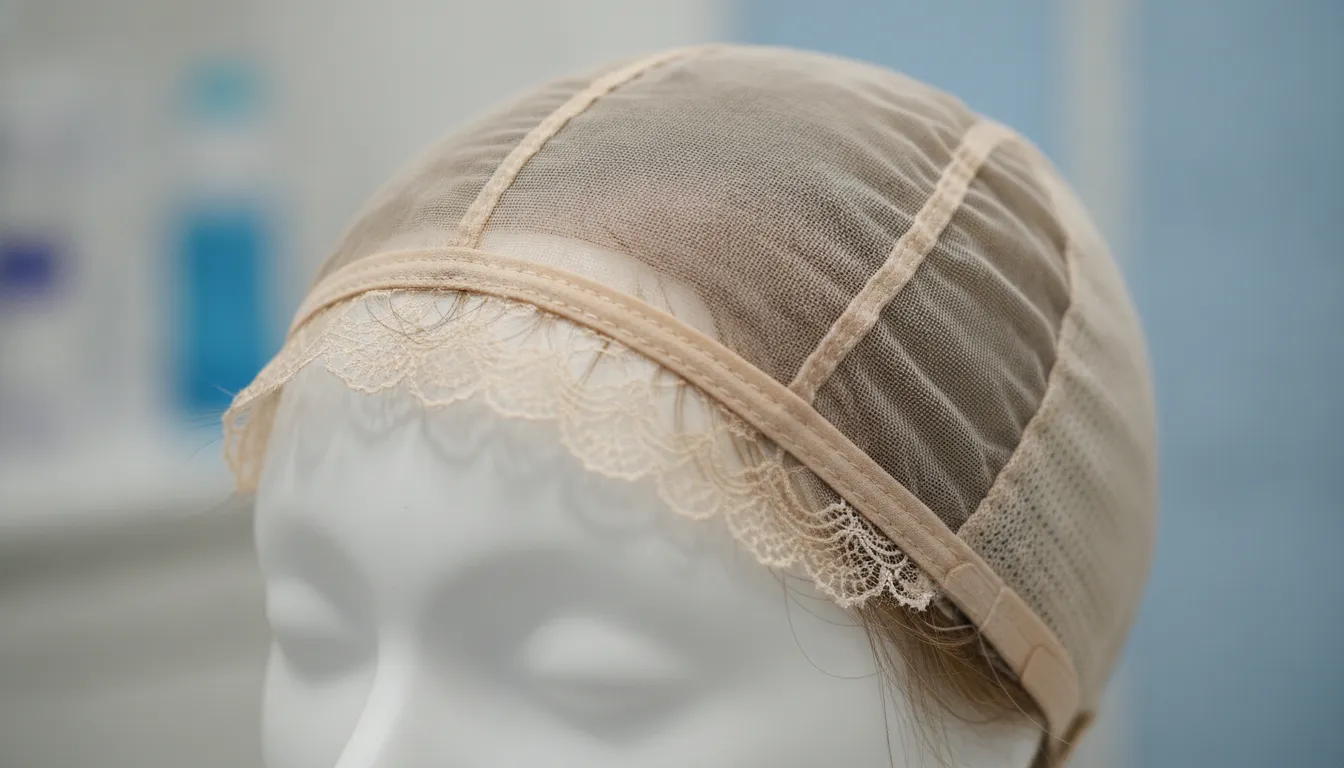
| Lace front | A natural-looking hairline that can provide styling versatility at the front. | Your priorities include a realistic hairline and the ability to vary how the front is worn. |
| Monofilament top | A scalp-like appearance at the part and the flexibility to change the direction of the hair. | You want a natural-looking part or need a construction that accommodates sensitive areas. |
Each option addresses different medical and personal priorities. A detailed comparison of cranial prostheses versus fashion wigs can help clarify why medical-grade construction matters for patients managing hair loss.
Human hair or synthetic fiber?
Both materials can be appropriate for a cranial prosthesis. The Mayo Clinic notes that human-hair prostheses tend to last longer with proper care, but they usually require more maintenance and may involve a higher initial investment. Synthetic fiber can be a practical choice when predictable shape and easier upkeep matter most. Your consultation should account for scalp sensitivity, treatment timing, activity level, and how much daily care feels manageable. For cost-related considerations, see our cranial prosthesis cost guide.
Luxury collections and construction details
Medical-grade cranial prostheses differ from cosmetic wigs because they are designed around medical hair loss and may require custom fitting. NYC Medical Wigs offers elevated options across collections including Tribeca, its luxury collection, as well as Brooklyn and SoHo. The best choice depends on the balance of material, construction, fit, and finish, not a collection name alone. For a deeper comparison, read about luxury medical wigs versus standard options.
In-Person vs. Virtual Cranial Prosthesis Consultations: Which Is Right for You?
The right consultation format depends on your health, mobility, privacy needs, and how much hands-on guidance you want. NYC Medical Wigs offers several ways to receive compassionate, medically focused support, so patients do not have to navigate hair loss alone or travel farther than necessary.
In-person support in Bayonne
At the NYC Medical Wigs showroom at 347A Broadway in Bayonne, New Jersey, you can explore cranial prosthesis options with a specialist in person. A private fitting room provides space to discuss scalp sensitivity, coverage needs, lifestyle, and the look you want to feel comfortable wearing. Hands-on selection also makes it easier to assess fit, construction, breathability, and how a medical wig feels against the scalp before making a decision.
This option may suit patients who want personal guidance through the selection and fitting process, or who feel more confident seeing materials and construction firsthand. The setting is private and supportive rather than rushed, with the consultation centered on your medical needs and personal preferences.
Virtual consultations from anywhere
Virtual consultations are available nationwide by video. They can be especially helpful for patients who live outside the New York area, are receiving active treatment, or need to limit exposure because they are immunocompromised. A video appointment lets you discuss your hair-loss experience, timeline, lifestyle, and desired features from home while receiving professional direction before selecting a cranial prosthesis.
If travel or mobility is a concern, NYC Medical Wigs can also arrange home visits or hospital bedside consultations for eligible patients who need support where they are. For NYC clients, concierge Uber delivery provides an additional way to receive selected medical wig options without managing a difficult trip.
Choosing the best format
There is no single correct path. In-person care offers a hands-on fitting experience, while virtual and mobile options prioritize convenience, safety, and accessibility. When you schedule a cranial prosthesis consultation NYC patients can receive, share any concerns about mobility, immune status, timing, or privacy in advance. The team can then help determine which format will make your consultation feel most comfortable and useful.
What Questions Should You Ask During Your Consultation?
A private consultation gives you time to discuss medical needs, fit, comfort, appearance, and the practical details of obtaining a cranial prosthesis. A professional consultation should include a personalized assessment rather than a one-size-fits-all recommendation, with space to discuss your scalp, lifestyle, and goals. Mayo Clinic guidance also emphasizes the value of a confidential fitting experience and a prescription when filing an insurance claim.
Bring your questions in writing, especially if you are also managing treatment, appointments, or insurance paperwork. Here are the most important questions to ask during your consultation:
- What does my insurance plan cover? Ask whether your plan may reimburse a cranial prosthesis, what documentation it requires, whether prior authorization is needed, and which costs may remain your responsibility. Coverage varies by plan, so request clear guidance rather than assuming approval.
- Do I need a prescription? Ask your oncologist or treating provider for a prescription using terms such as "cranial prosthesis" or "hair prosthesis." A prescription from an oncologist is typically required when seeking reimbursement from an insurance company.
- What materials are appropriate for my scalp? If your scalp is sensitive, ask how the cap construction, lining, ventilation, attachment method, and materials may affect comfort. Discuss breathability and any irritation concerns before choosing a prosthesis.
- Which option fits my daily life? Ask how each recommended prosthesis may work with your schedule, activity level, hair-loss pattern, and desired level of styling. The right choice should support comfort and confidence, not simply replicate a particular look.
- How long can I expect it to last? Ask what affects longevity, including frequency of wear, care habits, perspiration, storage, and any changes in your hair loss. Request realistic expectations for replacement planning.
- What maintenance will it require? Clarify washing, conditioning, drying, storage, professional servicing, and products to avoid. Ask who can help if the fit changes or the prosthesis needs adjustment.
- May I see before-and-after photos? Ask to view examples of work involving similar hair loss patterns, textures, cap constructions, or goals. A reputable provider should explain what is realistic while respecting patient privacy and consent.
These questions can help you leave your cranial prosthesis consultation with a clear recommendation, an insurance plan, and practical next steps. You should feel heard, informed, and comfortable asking for clarification before making a decision.
Frequently Asked Questions
What should I bring to my first consultation?
Bring your insurance card, policy information, medical documentation or prescription, and photos that help communicate your preferred look. If your scalp is sensitive or your hair loss is changing, note those concerns so the specialist can discuss comfort, breathability, and fit.
Do I need a prescription for a cranial prosthesis?
A prescription from your oncologist or treating clinician is typically required when you seek insurance reimbursement. Mayo Clinic notes that prescriptions may use terms such as hair prosthesis or cranial prosthesis, so ask your provider which wording is appropriate for your situation. Mayo Clinic explains the prescription process.
Will my insurance cover the cost?
Coverage depends on your plan, diagnosis, documentation, and policy requirements, so it cannot be guaranteed. During the consultation, NYC Medical Wigs reviews your benefits and helps navigate the verification and reimbursement process. Ask what your plan requires before selecting a prosthesis.
Can I have a virtual consultation instead of visiting NYC?
Yes. NYC Medical Wigs offers virtual consultations nationwide, as well as in-person appointments at its Bayonne, New Jersey showroom. Home visits and hospital bedside support may also be available when appropriate, giving patients options that fit their health, mobility, and treatment schedule.
How do I choose the right cranial prosthesis?
The specialist considers your medical needs, scalp comfort, lifestyle, timeline, and aesthetic preferences. You can compare human-hair and synthetic options, along with construction details such as lace-front or monofilament-top designs. The goal is a secure, natural-feeling medical solution that supports your daily life. Our medical wig fitting guide provides additional insight into what makes a proper fit.
Schedule Your Cranial Prosthesis Consultation
A private consultation gives you space to discuss your needs, ask questions, and consider medical wig options with thoughtful guidance. NYC Medical Wigs can help you prepare for the next step with a personalized conversation focused on comfort, fit, and your goals. To schedule a private cranial prosthesis consultation, call (201) 892-6923 or visit our contact page to book your appointment.